Leave A Message
If you are interested in our products and want to know more details,please leave a message here,we will reply you as soon as we can.



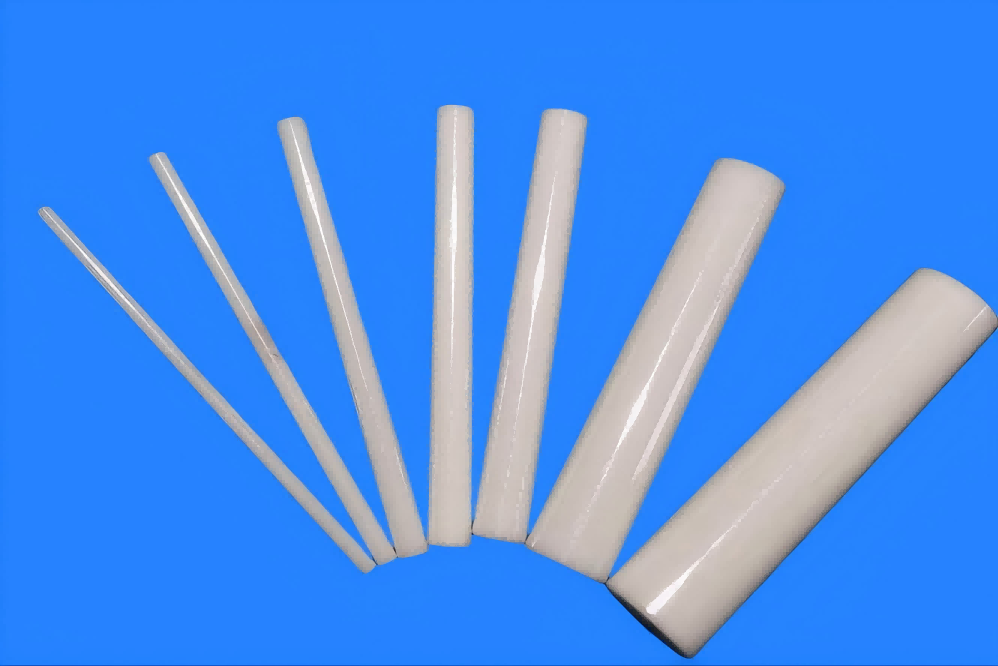
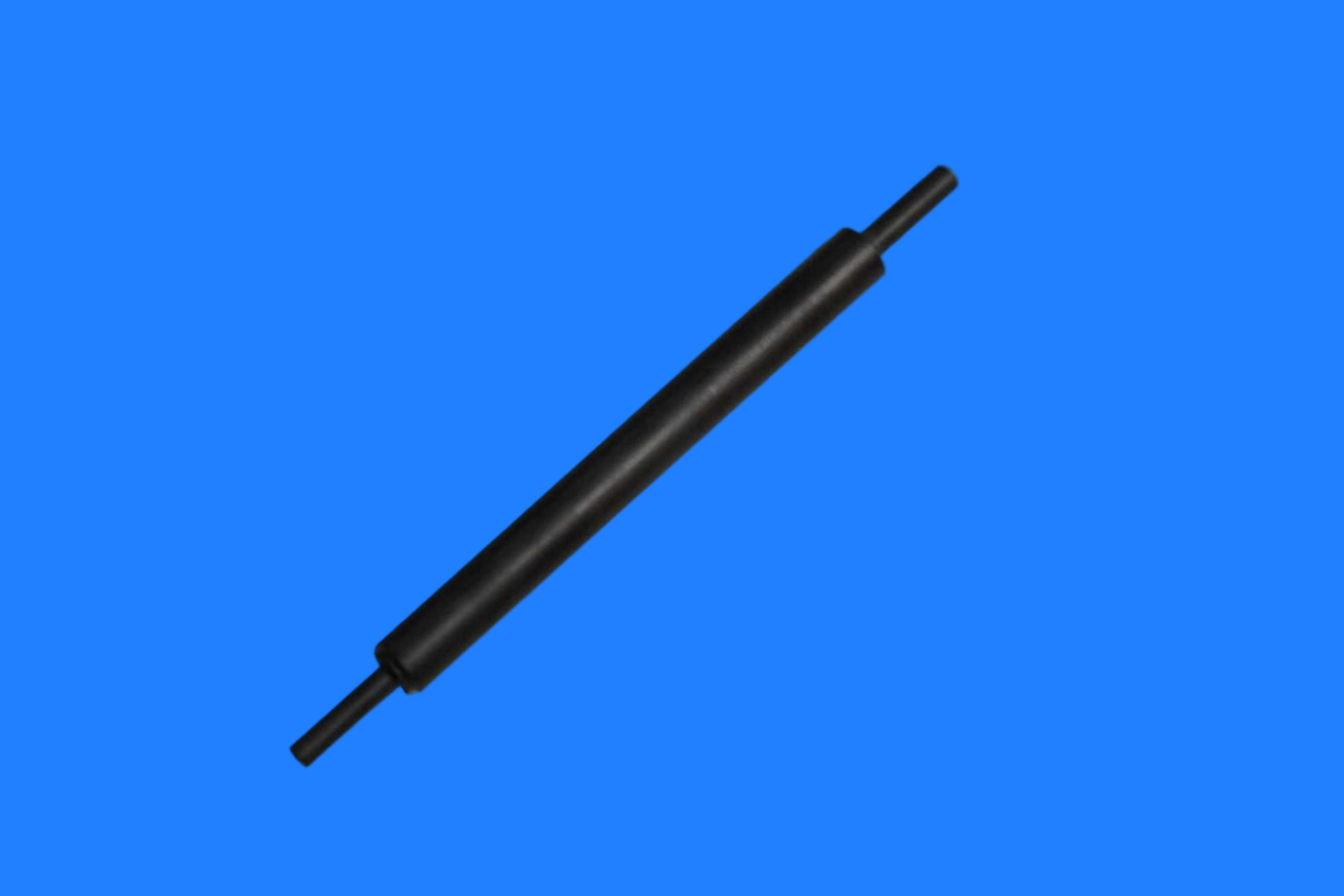
Ceramic Gage Pins represent the future direction of precision measuring tools. They combine high hardness, wear resistance, corrosion resistance, non-magnetic properties, and dimensional stability, making them indispensable high-end measuring tools in modern precision manufacturing. With the rapid development of industries such as precision manufacturing, medical electronics, and aerospace, the application prospects of zirconia ceramic pin gauges will become even broader.
ZrO2 Ceramic Pin Gauge
Product Description
Zirconia Ceramic Gauges are core reference components for high-precision aperture measurement and length measurement, made from high-purity zirconia through precision forming and polishing. Compared to traditional alloy steel needle gauges, they offer significant advantages in hardness, stability, and environmental adaptability: their coefficient of thermal expansion is close to that of steel, allowing for controllable temperature drift; their ultra-high hardness results in an ultra-long service life; their corrosion resistance enables maintenance-free operation; and their insulating and non-magnetic properties make them ideal for high-end manufacturing fields such as electronics and semiconductors. Widely used in mold processing, aerospace, and other industries, they are primarily used for aperture inspection, precision instrument calibration, and reference setting, gradually replacing traditional steel gauges and becoming a key fundamental component for ensuring the accuracy of high-end equipment, reducing quality control costs, and improving measurement reliability.
Core material properties
Ceramic Gauges use 3 mol% yttrium-stabilized tetragonal zirconia (Y-TZP) as the main material and possess the following excellent physicochemical properties.
| Technical parameters | Numerical values | Unit |
| Density | 5.95-6.05 | g/cm³ |
| Vickers hardness (HV 0.5) | ≥1300 | HV |
| Flexural strength | 900 | MPa |
| Fracture toughness | 7 | MPa·m¹/² |
| Compressive strength | 2200 | MPa |
| Coefficient of thermal expansion (20-1000℃) | 10.3 | 10⁻⁶/℃ |
| Thermal conductivity | 2.2 | W/(m·K) |
| Maximum operating temperature | 850 | ℃ |
| Thermal shock stability | 280-350 | ℃ |
Product Advantages
Zirconia ceramics boast a hardness of up to 1300 HV, far exceeding that of steel (approximately 800 HV). Its wear resistance is 5-10 times that of ordinary steel needle gauges and 1.5-2 times that of cemented carbide. In measurement operations involving frequent insertion and removal, it can significantly reduce wear, lower replacement frequency, and achieve long-term stable use.
2.Excellent corrosion resistance
Exhibits outstanding stability against acids, alkalis, and most chemical media; rust-free and requiring no rust-prevention treatment; can be handled directly with bare hands; easy to maintain. Particularly suitable for environments with stringent cleanliness and corrosion resistance requirements, such as chemical and medical industries.
3.Non-magnetic and insulating,
Zirconia ceramics are completely non-magnetic, do not affect the measurement results of precision testing equipment such as MRI, and do not attract iron filings or magnetic dust, making them suitable for magnetically sensitive environments (such as electronic semiconductors and aerospace precision assembly).
4.Excellent dimensional stability
Its coefficient of thermal expansion (10.3 × 10⁻⁶/℃) is close to that of steel, with an extremely low annual rate of change, allowing for extended calibration cycles and ensuring long-term measurement accuracy.
5.Ultra-smooth surface protects the workpiece
Surface roughness can reach Ra≤0.05-0.20μm. After precision polishing, the surface is smooth and delicate, preventing scratches on the inner wall of the workpiece during measurement and protecting the surface quality of precision parts.
Technical Specifications
| Accuracy level | Diameter range (mm) | Length (mm) | Tolerance (μm) | Roundness (μm) |
| K-Class | 0.50-12.99 | 50 | ±0.5 | 0.5 |
| 13.00-20.99 | 50 | ±0.5 | 0.6 | |
| 21.00-30.00 | 50 | ±0.5 | 0.8 | |
| 0-Class | 0.10-0.50 | 50 | ±1.0 | 0.5 |
| 0.50-12.99 | 50 | ±1.0 | 0.5 | |
| 13.00-20.99 | 50 | ±1.0 | 0.6 | |
| 21.00-30.00 | 50 | ±1.0 | 0.8 |
Standard lengths are typically 50mm or 100mm, but can be customized to a diameter range of 0.3-40mm and special lengths according to customer requirements.
| Applications | Core role |
| 1.Precision Machinery Manufacturing |
(1)Measurement of mold inner diameter, groove width, and hole spacing (2)Inspection of precision bearing and gear hole diameters (3)Inspection of go/no-go gauges (Go/No-go). |
| 2. Electronics and Semiconductors |
(1)PCB board aperture measurement (2)Precision connector dimension inspection (3)Precision measurement in a cleanroom environment (dust-free, no magnetic interference). |
| 3.Medical Devices |
(1)Precision dimensional measurement of implants (such as artificial joints and dental implants) (2)Measurement of the inner diameter of surgical instruments (3)Safe measurement tools in MRI environments |
| 4.Aerospace and Automotive |
(1)Dimensional inspection under high-temperature environments (2)Precision component measurement for engines (3)Inspection of magnetically sensitive composite materials |
| 5.Medical Equipment |
(1)Used as a standard to calibrate other measuring instruments (2)High-precision laboratory comparison measurement |
Product Forms and Customization Services
1.In addition to standard cylindrical needle gauges, various structural forms are also available.
(1)Flat pin gauge (standard type)
(2)Single-convex/double-convex pin gauge (for measuring special hole types)
(3)Irregular-shaped pin gauge (customized for non-standard cross-sections)
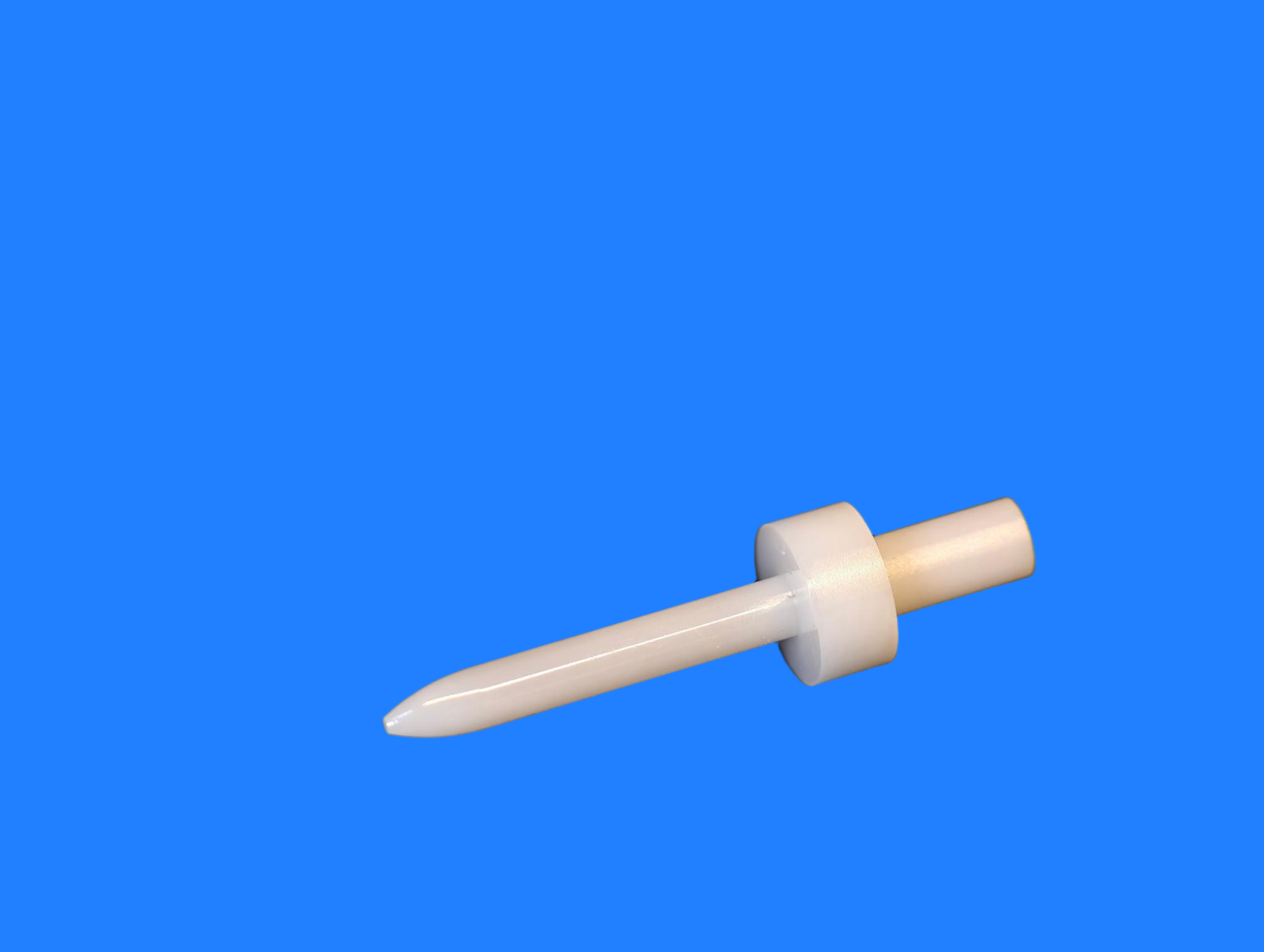
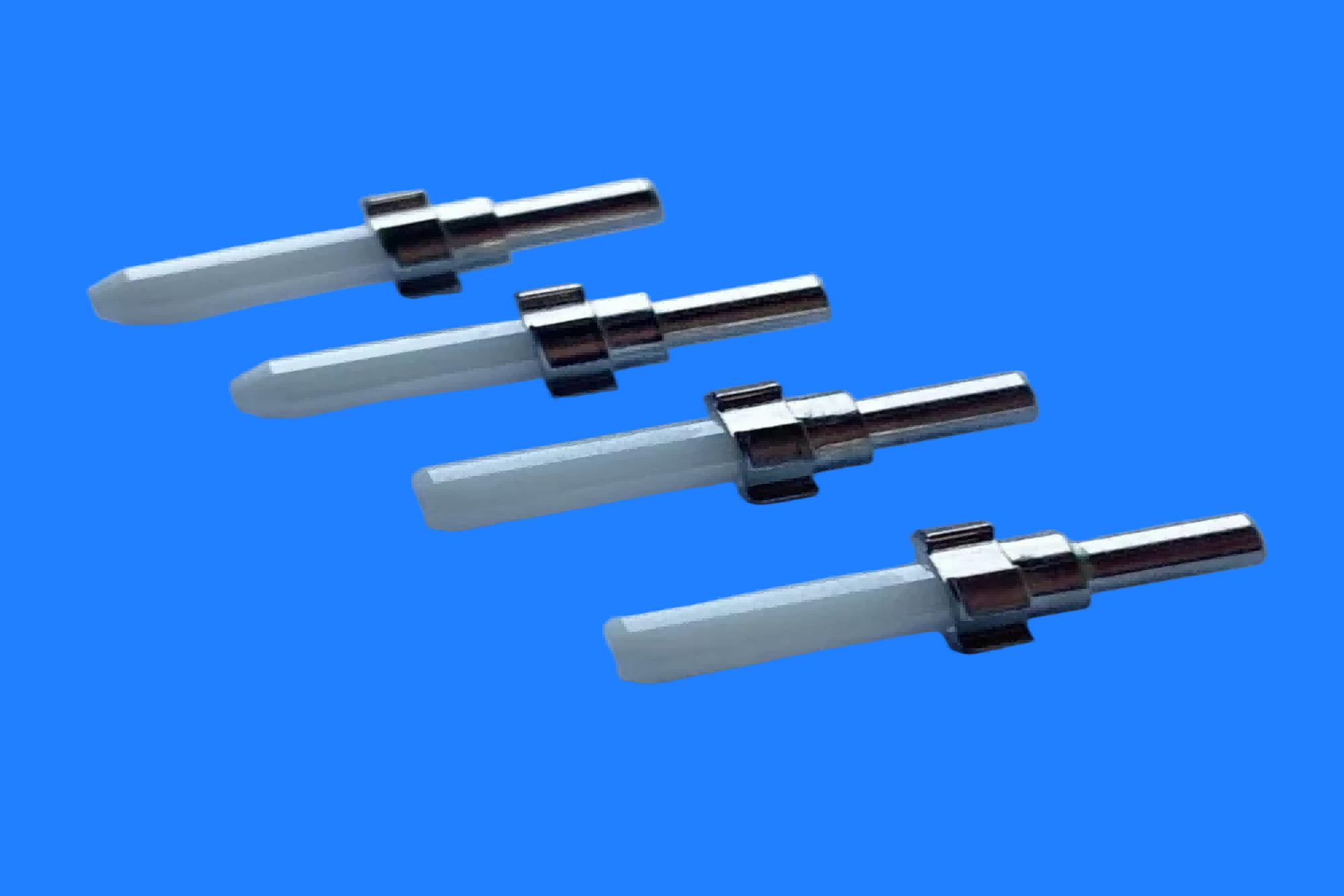
(4)Pin gauge with handle (easy to operate, laser engraving available for diameters ≥1.5mm
2.Customization capabilities
(1)Minimum outer diameter up to φ0.01mm
(2)Outer diameter tolerance up to ±0.0001mm
(3)Roundness up to 0.0001mm
Usage and Maintenance Recommendations
Why choose us?
1.Customized R&D, rather than standard product adaptation
2.Deep control of materials science:Material Selection Based on Needs,Microstructure Optimization,Batch Consistency
3.Precision machining capability:Flatness can reach 0.001mm, parallelism 0.002mm, and roughness Ra 0.1μm.
FAQ
Q1: What products does your company offer?
We specialize in high-performance ceramics such as alumina and silicon nitride, providing insulators, structural components, wear-resistant parts, and customized solutions.
Q2: Can you customize non-standard parts?
Yes. We support processing based on provided drawings and collaborative technical development, offering a full-process service from design to mass production.
Q3: What about accuracy and delivery time?
Standard tolerance ±0.05mm, precision grade ±0.01mm; samples 7-15 days, bulk orders 20-30 days.
Q4: Main application areas?
Power, electronics, machinery, chemical, and aerospace industries.
Q5: Quality assurance measures?
Full-process quality inspection, providing material reports and performance test data, supporting third-party certification and testing.
Q6: Do you provide technical support?
We provide professional support such as material selection consultation, design optimization, and failure analysis.



 IPv6 network supported
Leave A Message
Scan to Wechat :

Scan to WhatsApp :