Leave A Message
If you are interested in our products and want to know more details,please leave a message here,we will reply you as soon as we can.


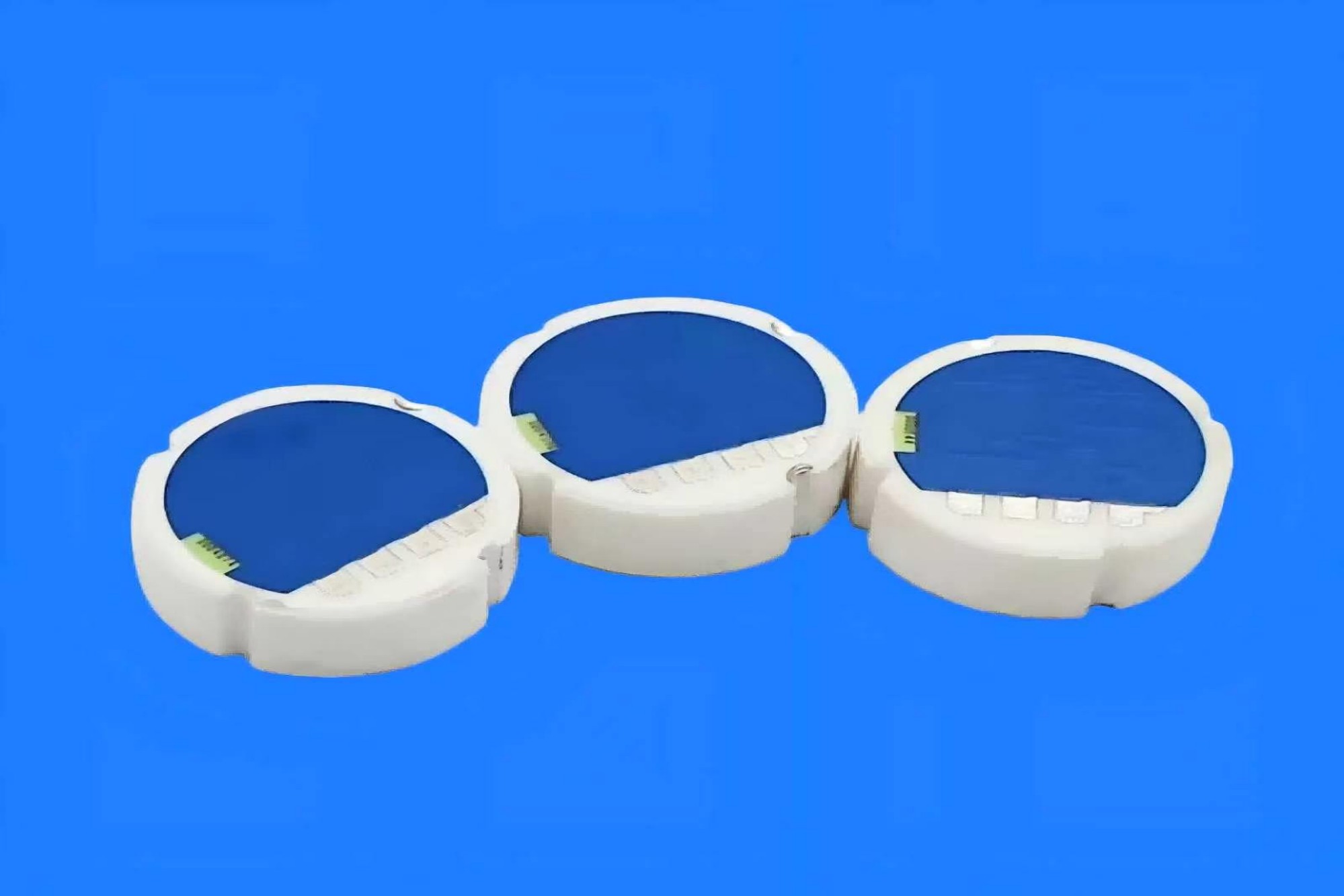
Piezo Ceramic Sensor are high-precision sensing elements based on the piezoelectric effect. They utilize the characteristic of specific ceramic materials (such as PZT lead zirconate titanate series) to generate electrical signals when subjected to mechanical stress, enabling precise measurement and conversion of physical quantities such as pressure, vibration, and acceleration.
Excellent Mechanical Properties Piezo Ceramic Sensor for Industrial Equipment
Product Description
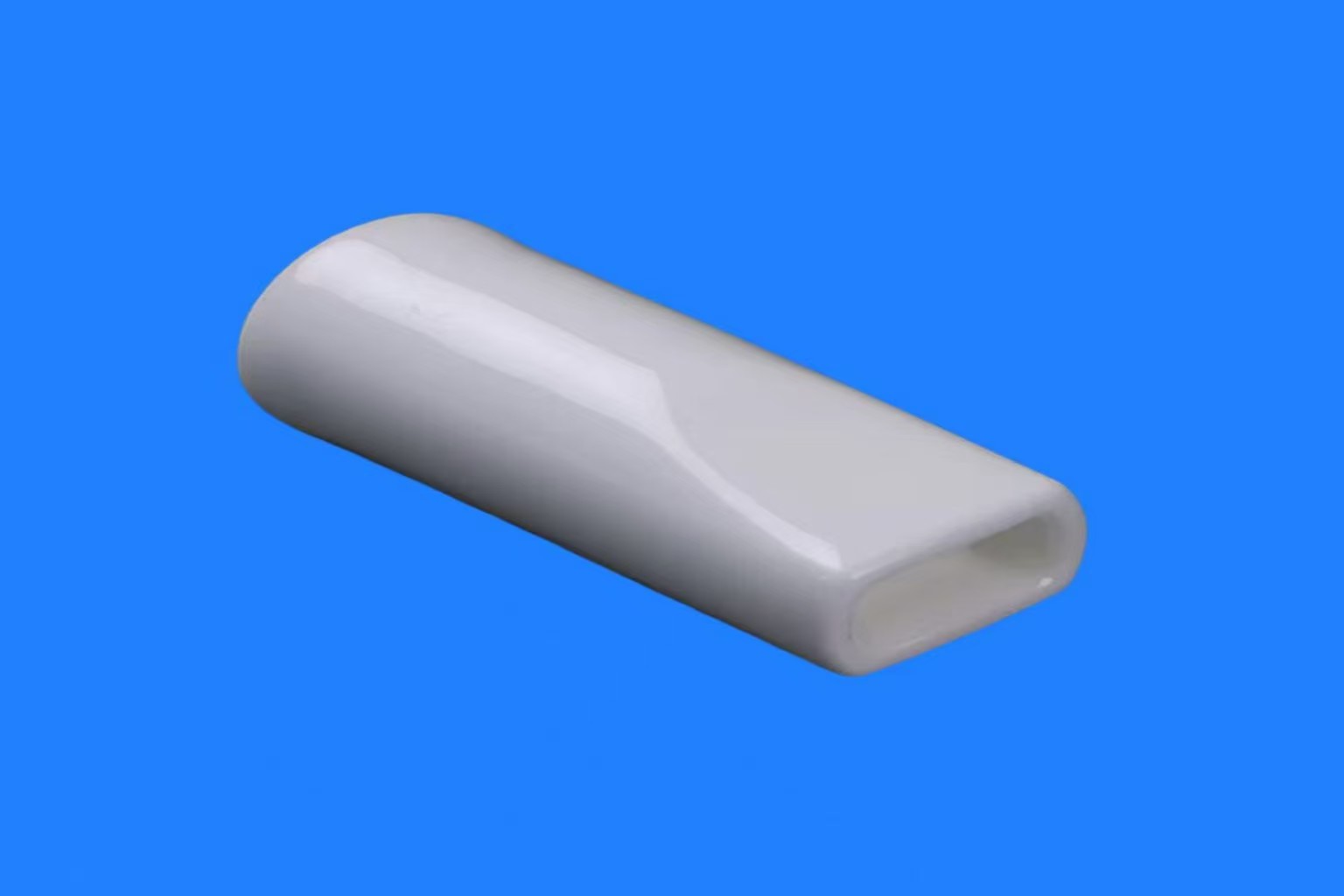
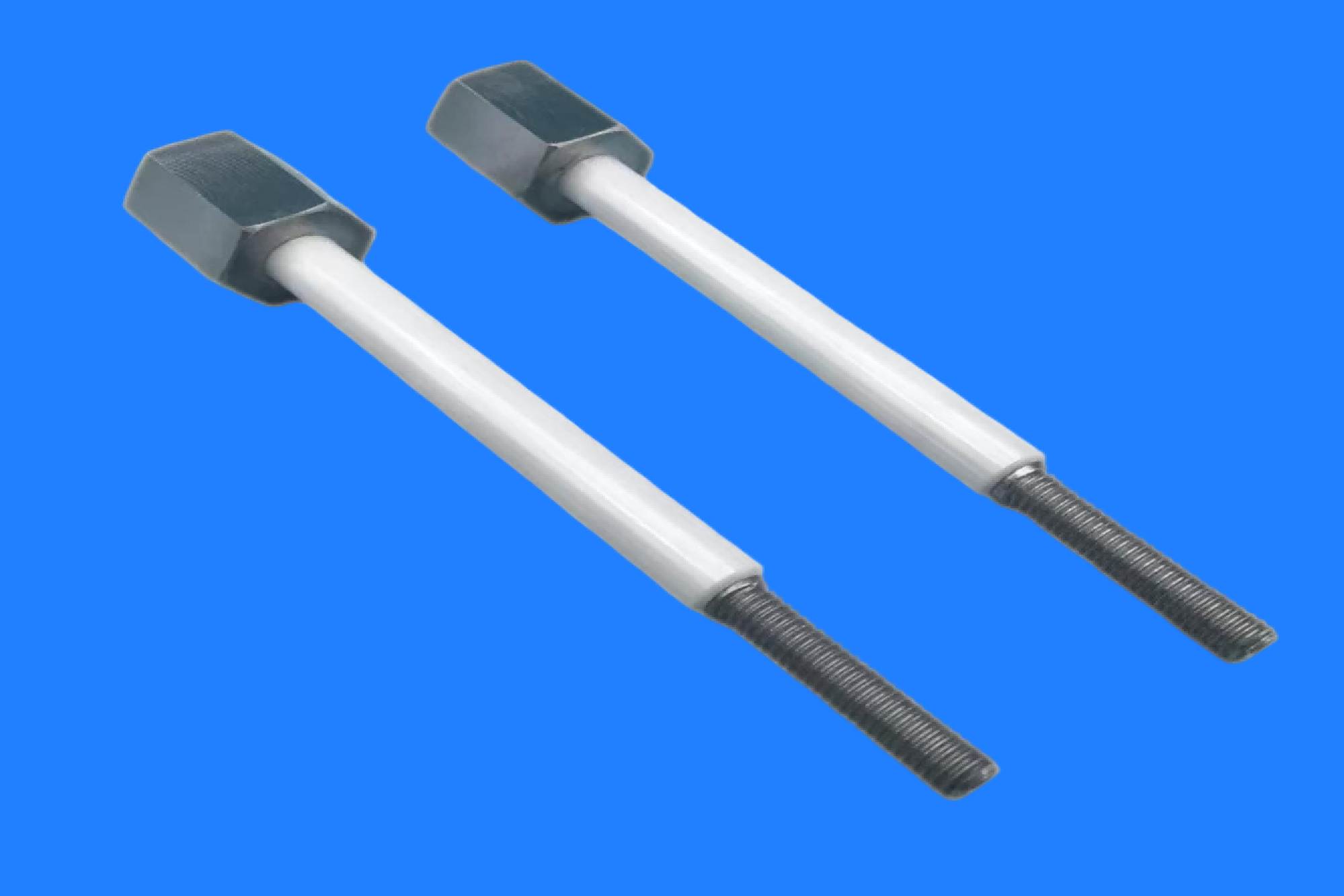
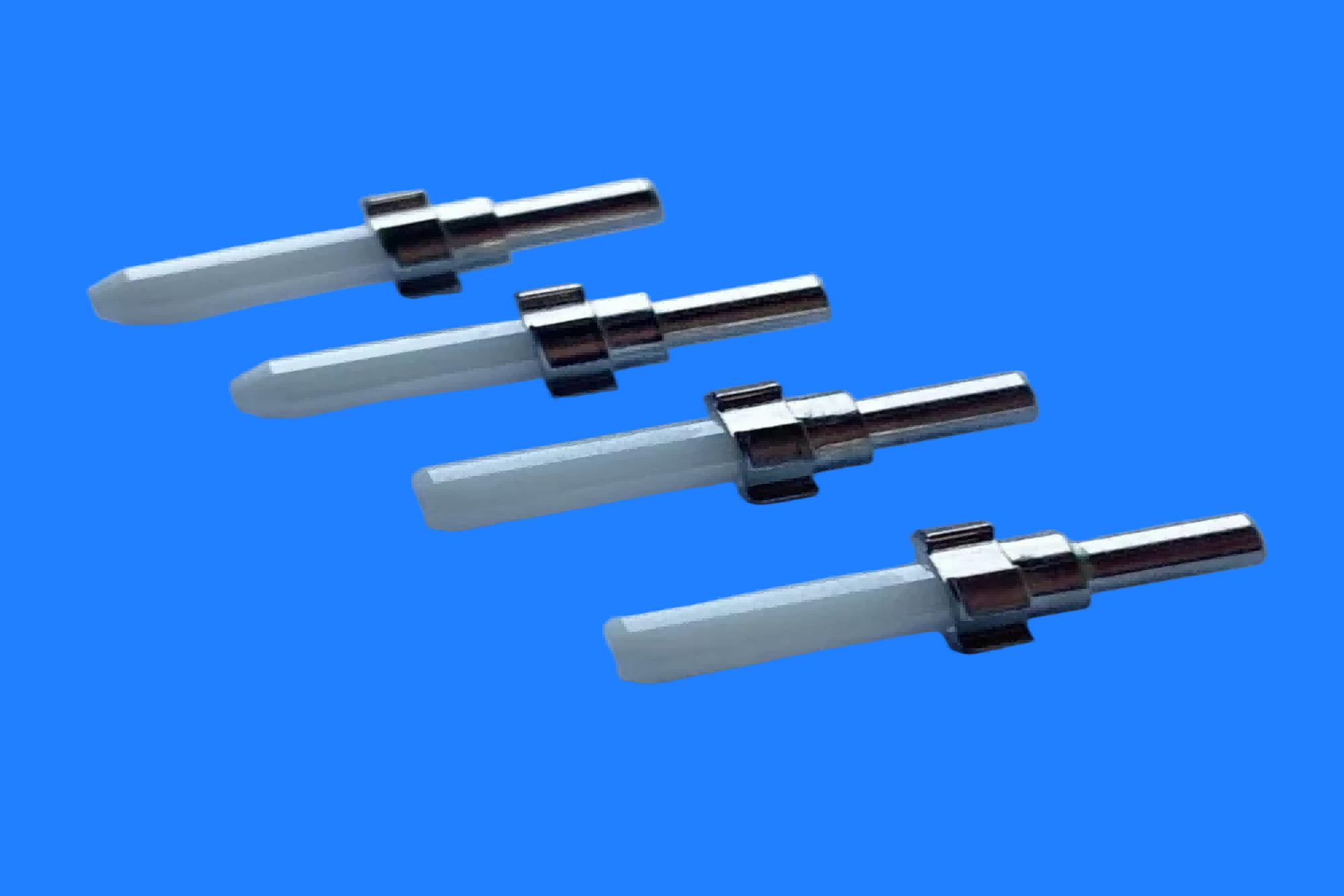
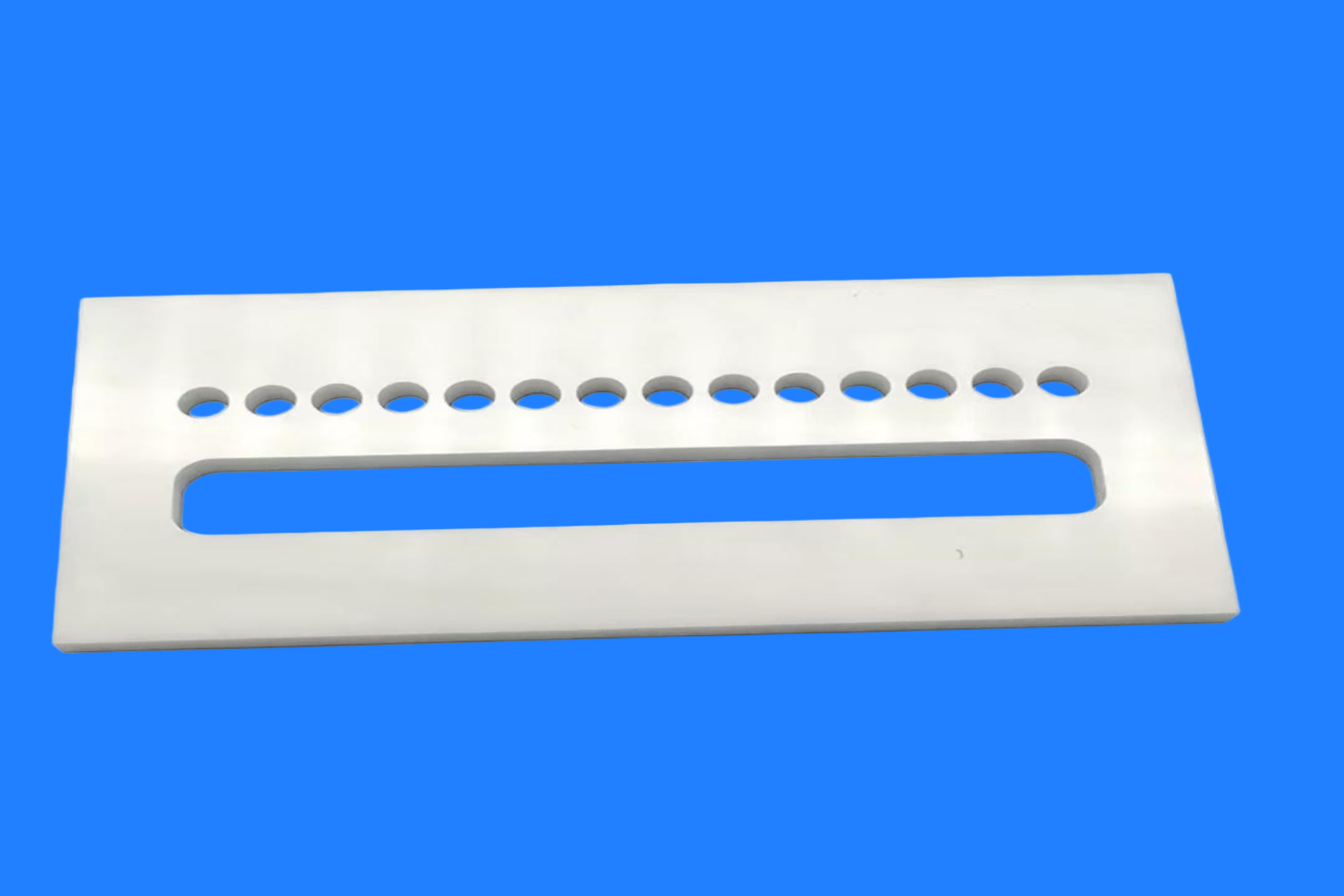
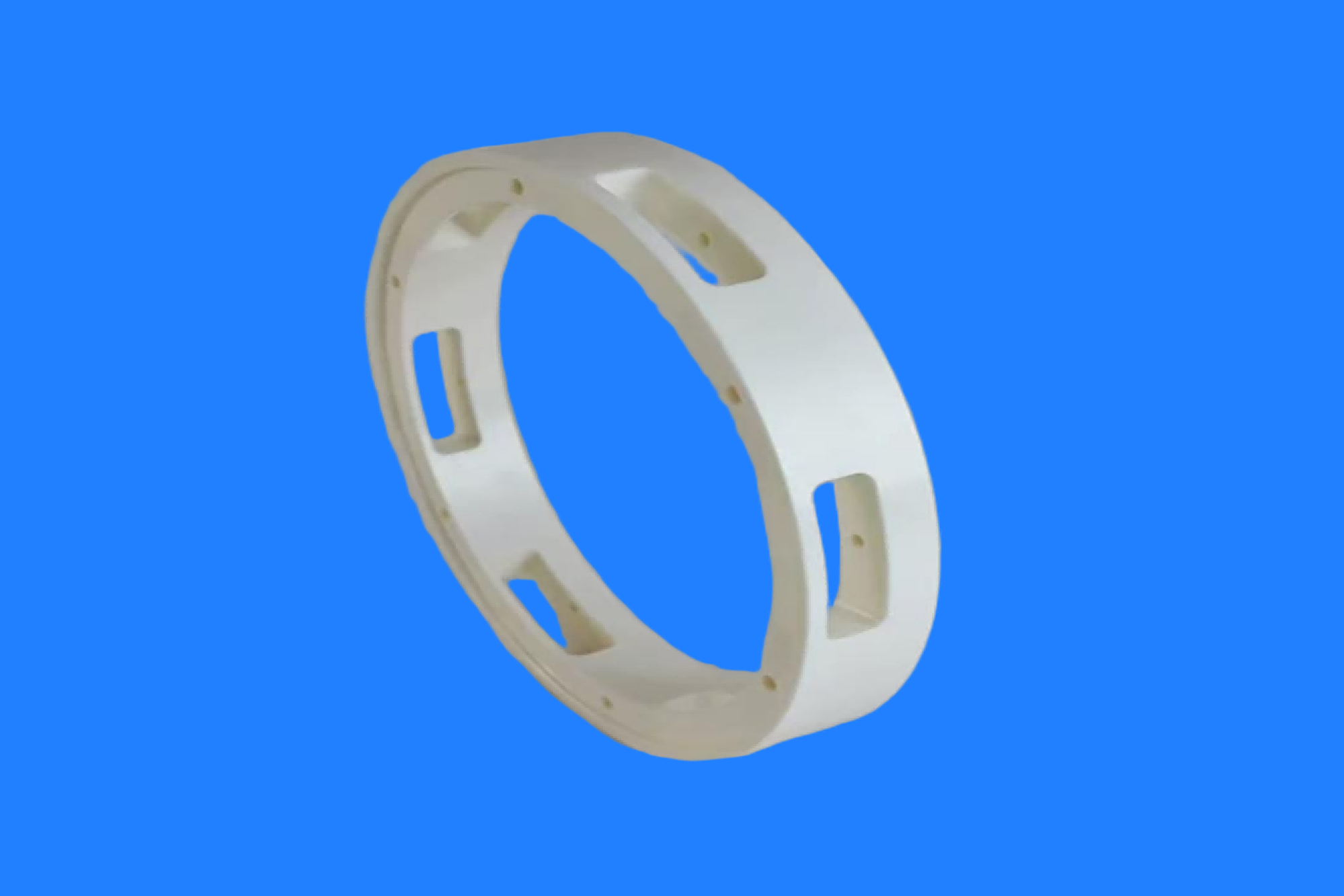
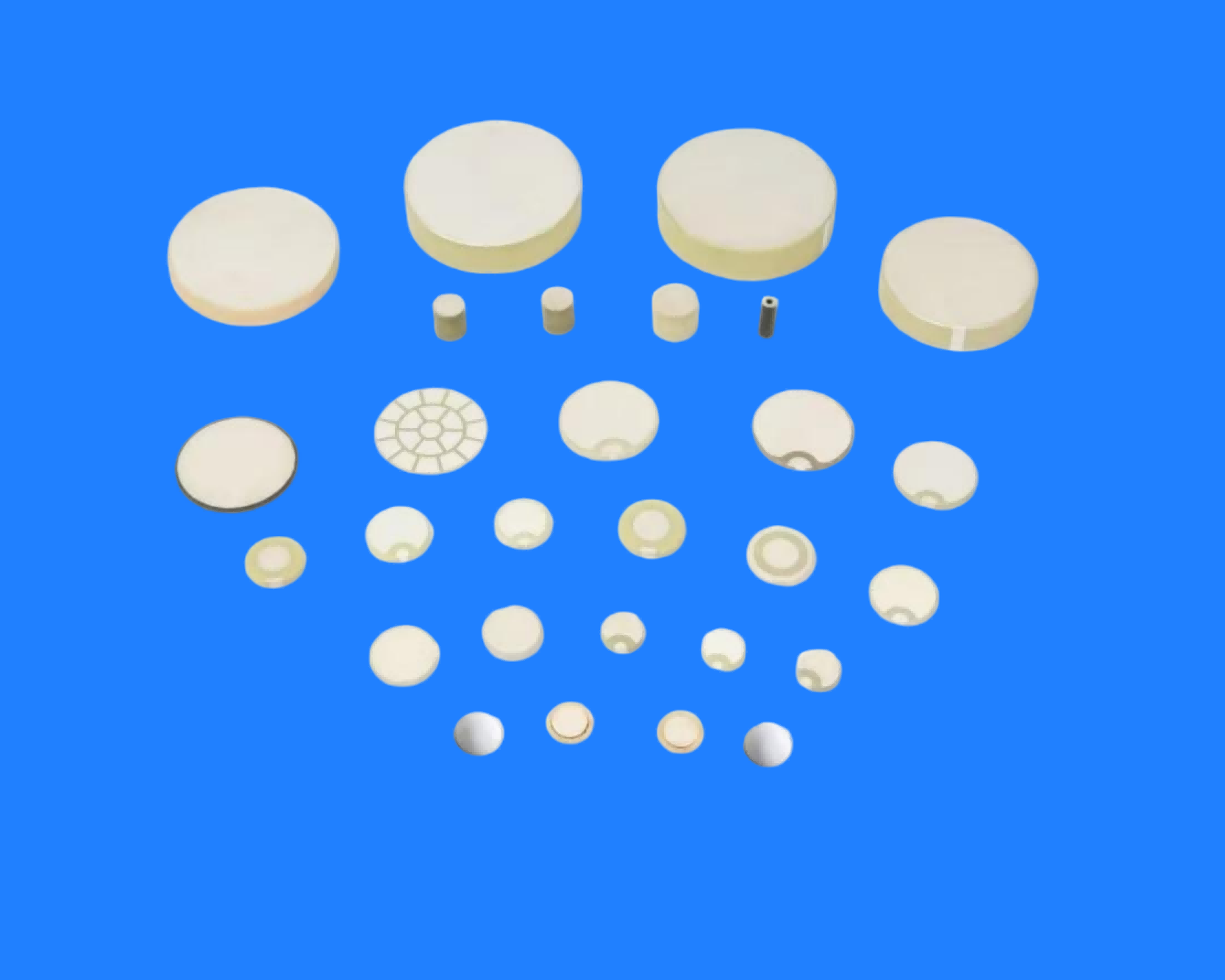
Ceramic Sensor use PZT ceramic as their core material, relying on the piezoelectric effect to achieve bidirectional conversion between mechanical and electrical energy. With advantages such as high sensitivity, fast response, and resistance to harsh working conditions, they are widely used in vibration, pressure, and shock detection scenarios in industrial automation, automotive electronics, medical equipment, and aerospace. Different formulations of piezoelectric ceramics (such as PZT-4/5H/8) exhibit significant performance differences. Hard ceramics are suitable for high-power, high-stability applications, while soft ceramics focus on high-sensitivity detection. High-power ceramics are suitable for strong impact/high-power ultrasonic applications. Their customized structural forms (discs, tubes, rings, etc.) and packaging solutions can meet the installation and operating condition requirements of different industries, making them one of the core components in the industrial sensing field.
Core working principle
Piezoelectric Ceramic Sensors operate based on the direct piezoelectric effect: when an external mechanical force (pressure, vibration, or acceleration) is applied to the piezoelectric ceramic element, polarization occurs within the material, and a charge proportional to the external force forms on the crystal surface. A high-impedance charge amplifier or voltage amplifier converts the weak charge signal into a standard voltage signal output, achieving high-fidelity conversion from a non-electrical physical quantity to an electrical signal.
Q = d⋅F where Q is the output charge, d is the piezoelectric constant, and F is the applied external force.
Product Specifications (General Type)
Product Advantages
| Characteristic | Illustrate |
| High Sensitivity | The piezoelectric constant d33 can reach 300–600 pC/N, enabling the detection of micro-Newton level force changes. |
| Wideband Response | The frequency range covers 0.1 Hz to 30 kHz, suitable for both static and dynamic measurements. |
| Rapid Response | Rise time can reach the microsecond level, meeting the requirements for capturing high-speed impacts and transient processes. |
| High Stability | Long-term drift < 1%/year, excellent temperature stability (-40°C ~ +150°C) |
| Compact Structure | Miniaturized design, with a minimum size of Ø3×1 mm, facilitates integration. |
| High Reliability | No mechanical wear, maintenance-free design, MTBF exceeding 100,000 hours. |
Main Technical Parameters
| Parameters | Typical Value Range |
| Piezoelectric Materials | PZT-5A / PZT-5H / Modified Piezoelectric Ceramics |
| Capacitance Value | 100 pF – 10 nF |
| Insulation Resistance | ≥ 10¹² Ω |
| Operating Temperature | -40°C to +150°C (high-temperature version can reach +250°C) |
| Resonant Frequency | 50 kHz – 500 kHz (depending on the model) |
| Linearity | ≤ ±1% FS |
| Output Format | Charge output / IEPE (constant current source) voltage output |
Product Series
1. General-Purpose Pressure Sensors
Suitable for dynamic pressure measurement, such as cylinder pressure monitoring and fluid pulse detection.
2. Accelerometers
High-sensitivity, low-noise design for vibration analysis, modal testing, and fault diagnosis.
3. Force and Torque Sensors
Multi-component force measurement platform supporting accurate measurement of tensile, compressive, and shear forces.
4. Ultrasonic Sensors
High-frequency piezoelectric ceramic transducers for non-destructive testing, ranging, and medical imaging.
5. Customized Sensor Modules
Deeply customized packaging, frequency response range, and interface type according to customer application scenarios.
Typical Application Scenarios
Selection Guide
1.Define the physical quantity to be measured: pressure, acceleration, force, or vibration.
2.Determine the range and sensitivity:select the appropriate specification based on the amplitude of the signal being measured.
3.Frequency response requirements:for dynamic signals, pay attention to the sensor's resonant frequency and available bandwidth.
4.Environmental adaptability:in high-temperature, high-humidity, or strong electromagnetic interference environments, select products with corresponding protection levels.
5.Output interface:charge output is suitable for high-precision laboratory scenarios; IEPE voltage output facilitates industrial field integration.
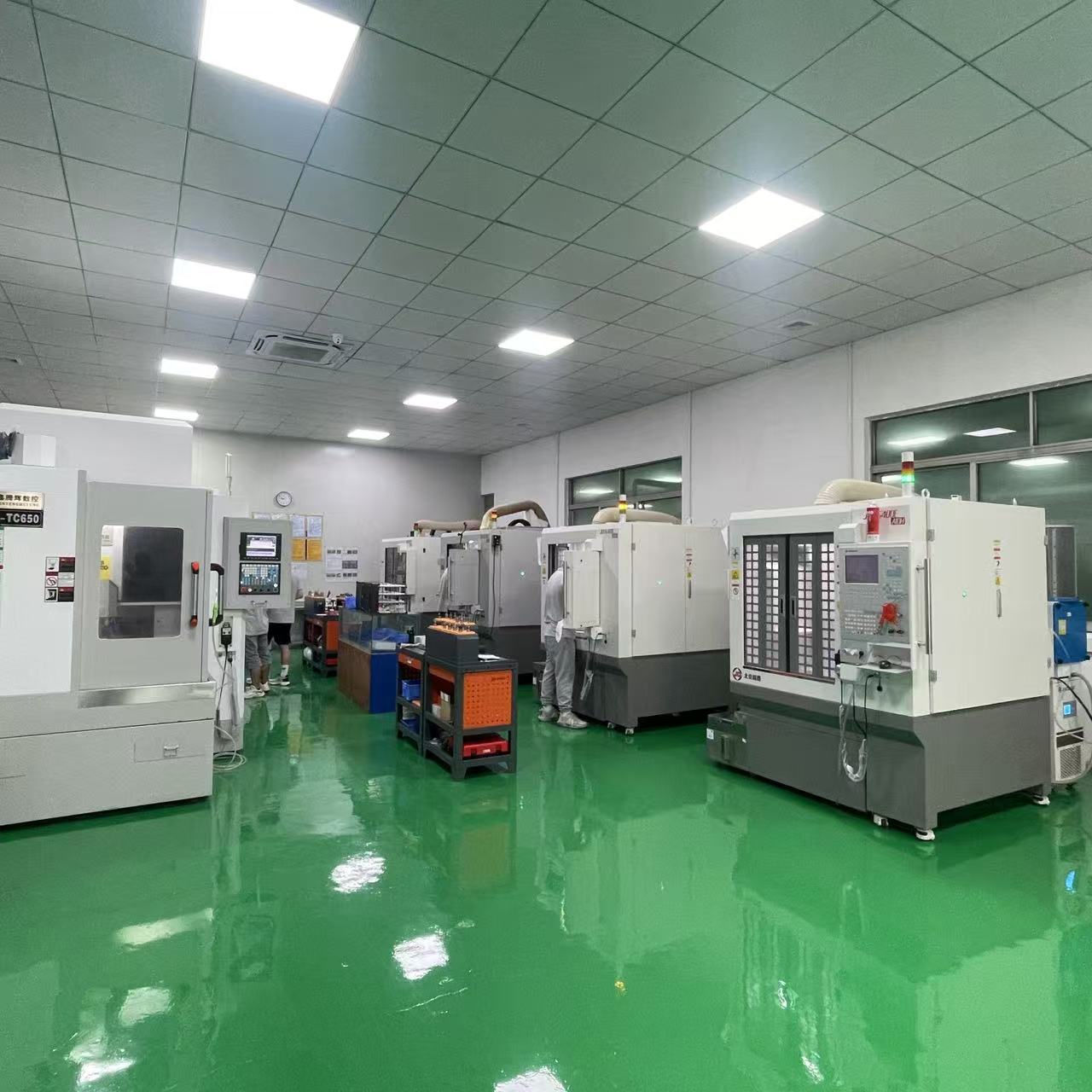
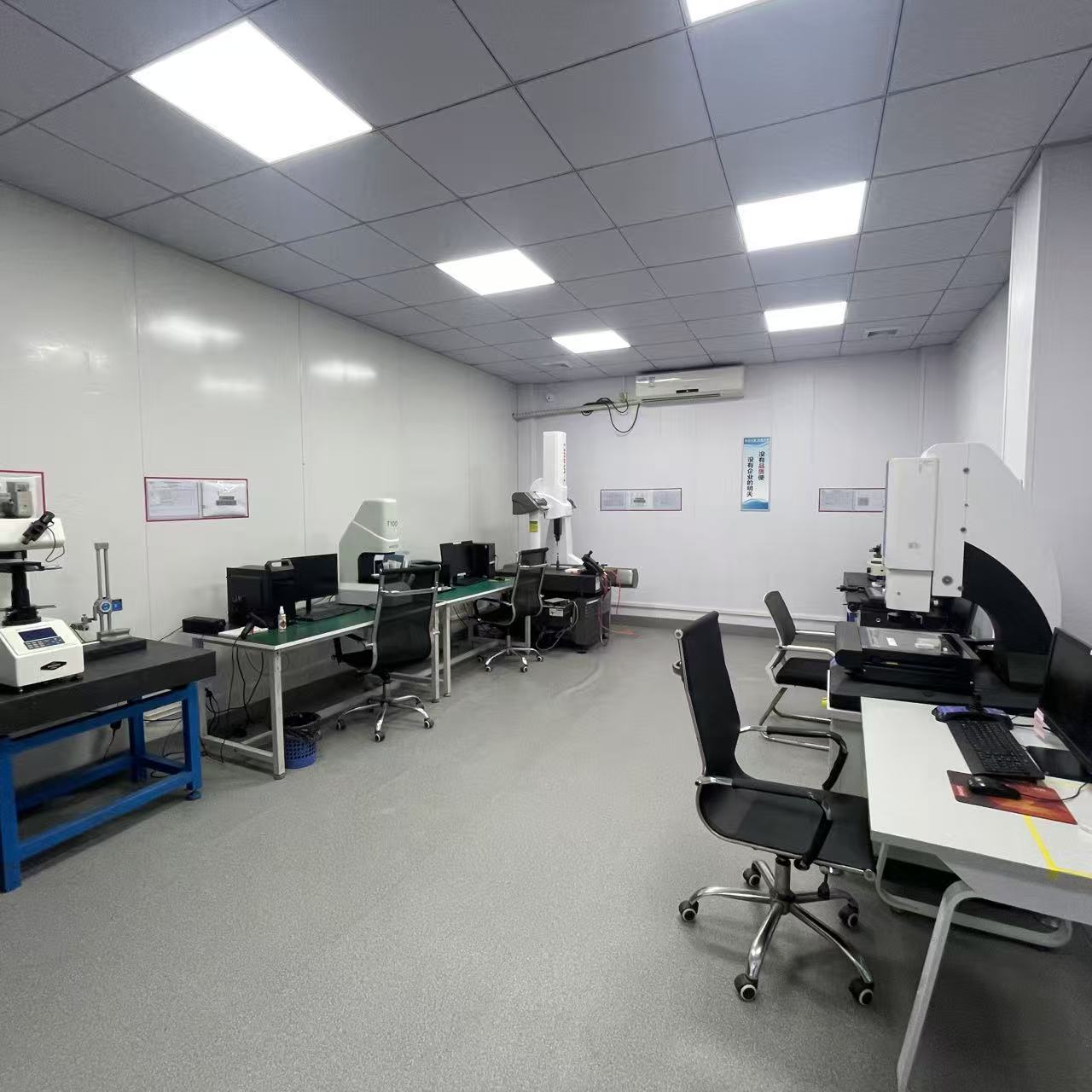
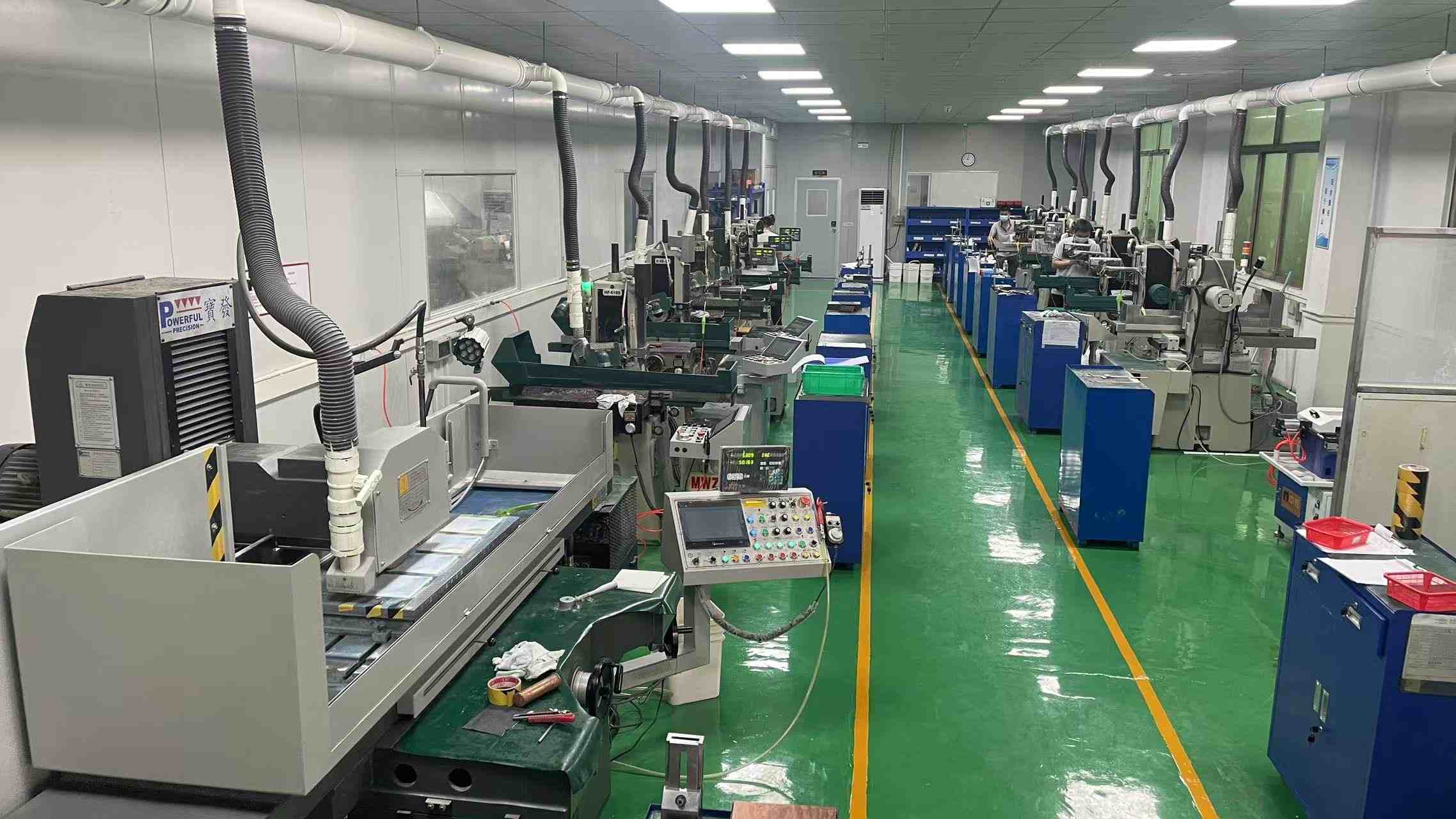
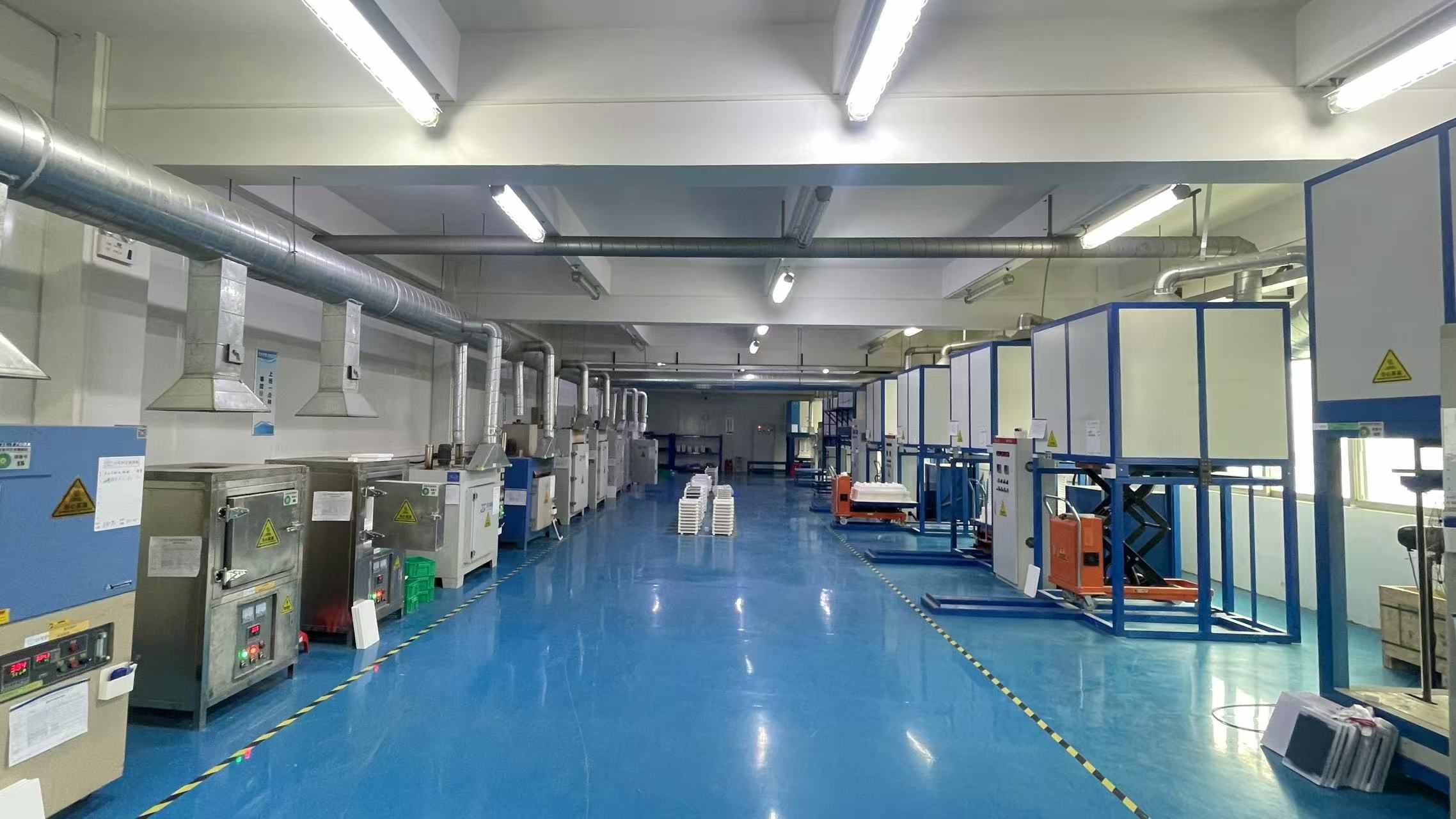
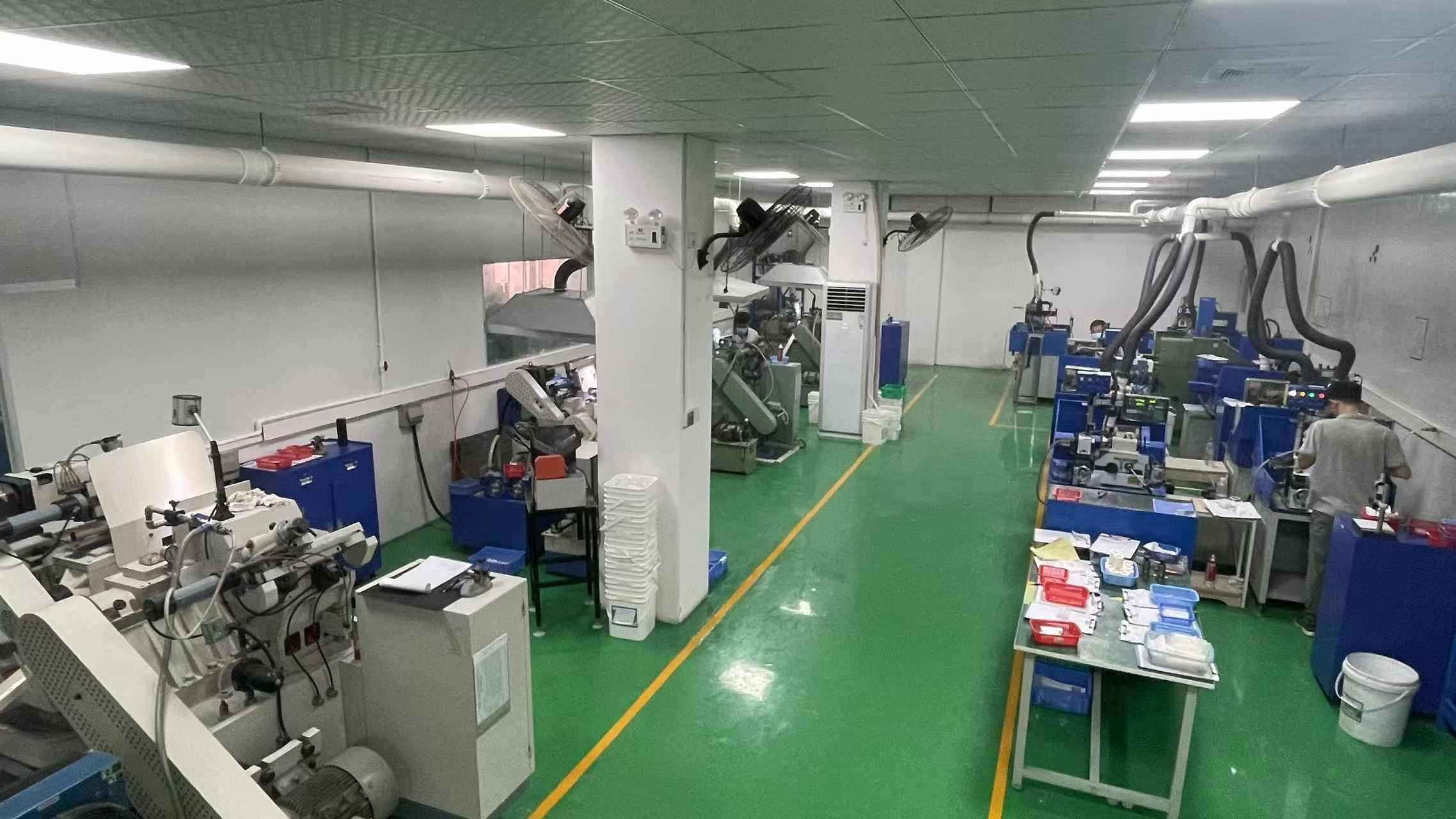
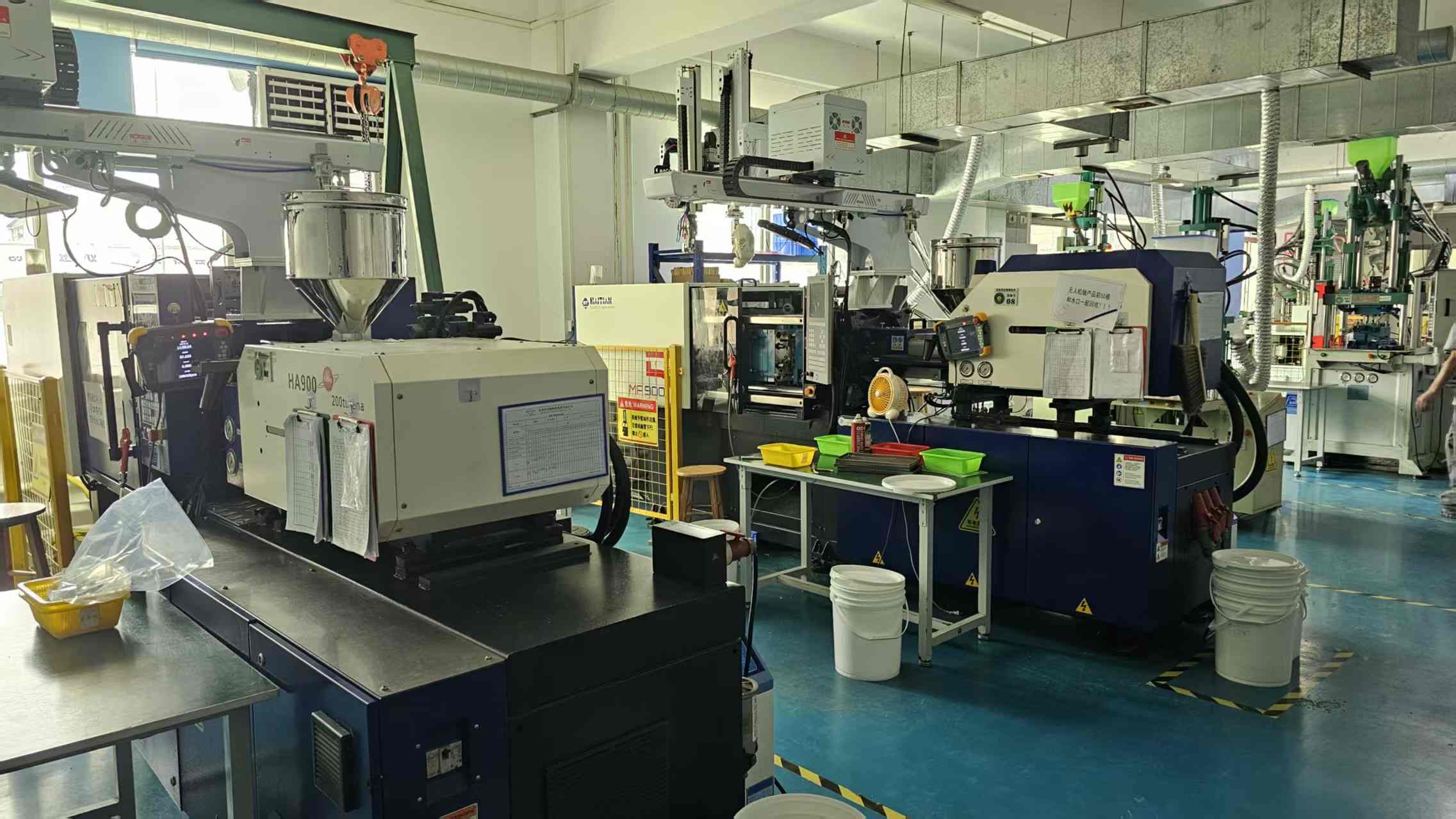
Our workshop
|
CNC Workshop |
Testing Room |
|
Surface grinding Workshop |
Sintering Workshop |
|
Circular Grinding Workshop |
Injection molding Machine Workshop |
Why choose us?
1.Customized R&D, rather than standard product adaptation
2.Deep control of materials science:Material Selection Based on Needs,Microstructure Optimization,Batch Consistency
3.Precision machining capability:Flatness can reach 0.001mm, parallelism 0.002mm, and roughness Ra 0.1μm.
FAQ
Q1: What products does your company offer?
We specialize in high-performance ceramics such as alumina and silicon nitride, providing insulators, structural components, wear-resistant parts, and customized solutions.
Q2: Can you customize non-standard parts?
Yes. We support processing based on provided drawings and collaborative technical development, offering a full-process service from design to mass production.
Q3: What about accuracy and delivery time?
Standard tolerance ±0.05mm, precision grade ±0.01mm; samples 7-15 days, bulk orders 20-30 days.
Q4: Main application areas?
Power, electronics, machinery, chemical, and aerospace industries.
Q5: Quality assurance measures?
Full-process quality inspection, providing material reports and performance test data, supporting third-party certification and testing.
Q6: Do you provide technical support?
We provide professional support such as material selection consultation, design optimization, and failure analysis.



 IPv6 network supported
Leave A Message
Scan to Wechat :

Scan to WhatsApp :