Leave A Message
If you are interested in our products and want to know more details,please leave a message here,we will reply you as soon as we can.


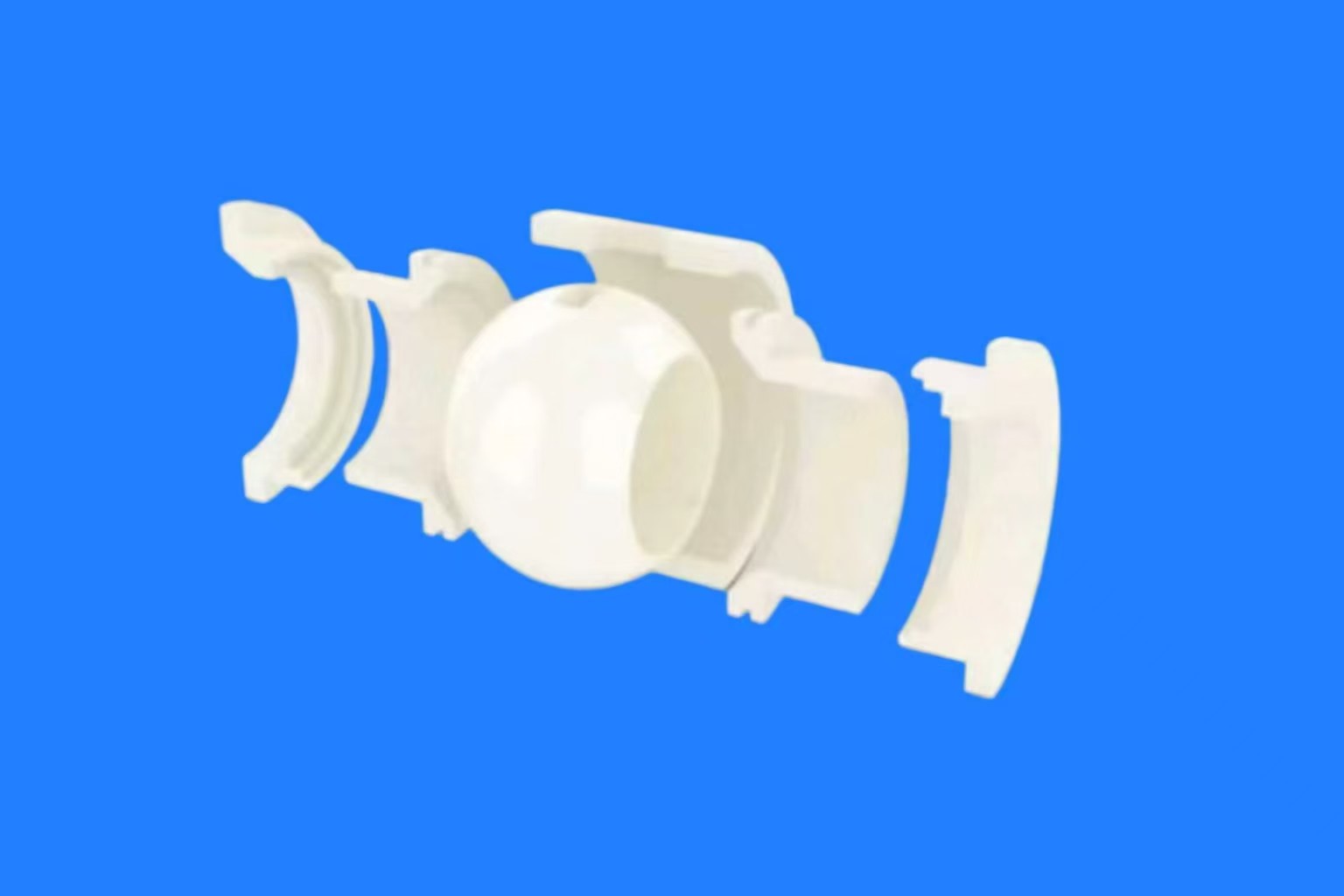
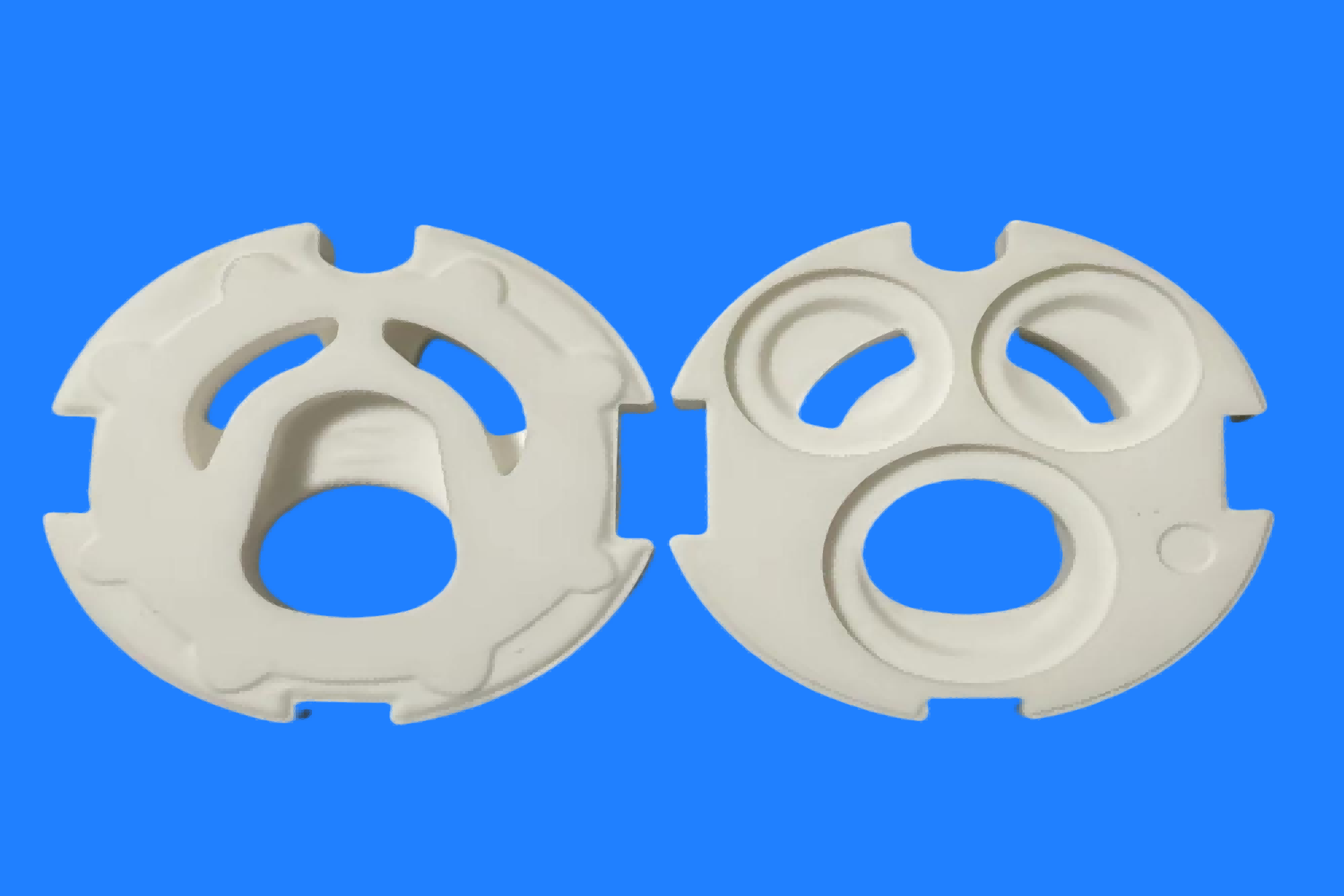
Zirconia Ceramic Ball Valve is high-performance industrial valves that use high-purity zirconia (ZrO₂) ceramic as the core sealing element. This product employs advanced isostatic pressing and high-temperature sintering processes, combined with precision grinding technology, to create a ceramic ball and seat assembly with ultra-high hardness, excellent corrosion resistance, and outstanding wear resistance.
High Hardness Zirconia Ceramic Ball Valve for Different Industrial Processes
Product Description
Ceramic Ball Valve, with their superior wear resistance, corrosion resistance, high cleanliness, and excellent impact resistance, have become the preferred solution for high-wear, highly corrosive, and high-cleanliness fluid control scenarios such as coal chemical, petrochemical, power plant desulfurization, and new energy lithium battery industries. Compared to traditional metal ball valves, their wear life is increased by more than 10 times, they produce no metal ion contamination, and they are suitable for harsh operating conditions containing particulate matter, acids, and alkalis. Although the initial cost is higher, the total life-cycle maintenance cost is significantly reduced, making them a core upgrade product for solving wear and corrosion problems in the field of industrial fluid control.
Product Specifications (General Type)
1. Material: Yttrium-stabilized zirconia (Y-PSZ, 3Y/5Y/8Y), Magnesium oxide-stabilized zirconia (Mg-PSZ);
2. Structure: Hollow/solid ceramic ball, ceramic ball with through hole, custom flow channel ceramic valve core;
3. Dimensions: Nominal diameter DN6-DN200, ball diameter φ10-φ200mm, orifice diameter customized according to customer requirements;
4. Fitting Accuracy: Ball-seat fit clearance ≤0.01mm, surface roughness Ra≤0.2μm;
5. Installation Method: Adaptable to floating/fixed ball valve structures, can be matched with metal valve body or all-ceramic valve body.
Core Material Properties
| Material Properties | Typical Values | Comparative Advantages |
| Density | 5.8–6.0 g/cm³ | It is about 3/4 the weight of steel, reducing the system load. |
| Vickers Hardness | 1200–1400 HV | Far exceeding stainless steel (200–300 HV), approaching diamond. |
| Flexural Strength | 900–1200 MPa | The best toughness among ceramic materials |
| Fracture Toughness | 8–12 MPa·m¹/² | Phase change toughening mechanism, excellent impact resistance |
| Elastic Modulus | 200–220 GPa | High rigidity ensures precise fit |
| Coefficient of Thermal Expansion | 10×10⁻⁶ /°C | Good thermal compatibility with metal valve body |
| Maximum Operating Temperature | 800°C (up to 1000°C for short periods) | Adaptable to high temperature working conditions |
| Chemical Stability | Resistant to strong acids, strong alkalis and organic solvents | Except for hydrofluoric acid, it is almost uncorroded. |
Core Product Advantages
1. Exceptional Wear Resistance: zirconia ceramics have a hardness approaching that of sapphire and a low coefficient of friction (0.1–0.3). In media containing solid particles, the wear rate is only 1/100–1/1000 that of metal valves, significantly extending service life.
2. Excellent Corrosion Resistance: it exhibits excellent chemical inertness to hydrochloric acid, sulfuric acid, nitric acid, sodium hydroxide, and most organic solvents, completely solving the problems of electrochemical corrosion and stress corrosion cracking in metal valves.
3. Zero-Leakage Seal: the ceramic sphere is ultra-precision ground (surface roughness Ra≤0.05 μm), achieving line or surface contact sealing with the ceramic valve seat. The leakage level can reach ANSI/FCI 70-2 Class VI (bubble-level seal).
4. Self-Lubrication and Low Torque: the high surface finish of the ceramic results in low frictional resistance and low opening and closing torque, allowing for the integration of small actuators, reducing energy consumption and automation costs. 5. Biocompatibility and Cleanliness: Zirconia materials are non-toxic, non-magnetic, and do not release metal ions, meeting FDA, USP Class VI, and SEMI semiconductor standards, making them suitable for high-purity media and biopharmaceutical processes.
6. Resistance to Cavitation and Flash Damage: high hardness and excellent impact toughness enable ceramic ball valves to maintain stable performance under high pressure differential, cavitation, and flash conditions, preventing erosion and perforation of metal valves.
Main Technical Parameters
| Parameters | Specifications Range |
| Nominal Diameter (DN) | DN15 – DN300(1/2" – 12") |
| Nominal Pressure (PN) | PN16 – PN420(Class150 – Class2500) |
| Applicable Temperature | -196°C ~ +400°C (Standard Type); -196°C ~ +800°C (High Temperature Type) |
| Connection Method | Flange type, wafer type, threaded type, welded type, clamp type |
| Driving Method | Manual, pneumatic, electric, hydraulic |
| Flow Characteristics | Equal percentage, linear, fast opening |
| Sealing Grade | ANSI Class VI (soft seal) / Class V (hard seal) |
| Implementation Standards | GB/T、API 6D、API 608、ASME B16.34、ISO 17292 |
Typical Application Scenarios
| Industry Sectors | Typical applications |
| Chemical Industry | Chlor-alkali industry (wet chlorine, hydrochloric acid, caustic soda), fine chemicals (strong acid-strong base reaction system), organic solvent transportation |
| Oil and Gas | Sulfur-containing oil and gas extraction, sour natural gas processing, high-pressure water injection pumping stations |
| Electricity | Flue gas desulfurization (FGD) system, ash and slag removal system, supercritical boiler feedwater control |
| Semiconductor/Electronics | Ultra-high purity chemical transport (HF, H₂O₂, NH₄OH), CMP slurry distribution |
| New Energy | Lithium-ion battery positive and negative electrode slurry, electrolyte, and high-pressure valves for hydrogen energy systems |
| Pharmaceuticals and Food | Aseptic preparations, bio-fermentation, CIP/SIP cleaning system |
| Environmental Water Treatment | High-concentration acid and alkaline wastewater, seawater desalination, reverse osmosis system |
| Paper Industry | Pulp black liquor and bleaching agent (ClO₂, NaClO) conveying |
Selection Guide
Installation and Maintenance Recommendations
1.Installation Direction: it is recommended that the medium flow direction be consistent with the valve markings to avoid reverse high-pressure impact on the ceramic sealing surface.
2.Pre-flushing: new pipelines should be thoroughly flushed before commissioning to prevent hard particles such as welding slag and iron filings from damaging the ceramic surface.
3.Opening and Closing Operation: avoid using a lever to force operation to prevent overload and breakage of ceramic components.
4.Regular Inspection: it is recommended to check the wear of the sealing surface every 6–12 months. The normal service life of the ceramic ball is 5–10 years.
5.Spare Parts Strategy: it is recommended to stock ceramic valve seats and sealing rings as vulnerable parts to ensure rapid restoration of operation.
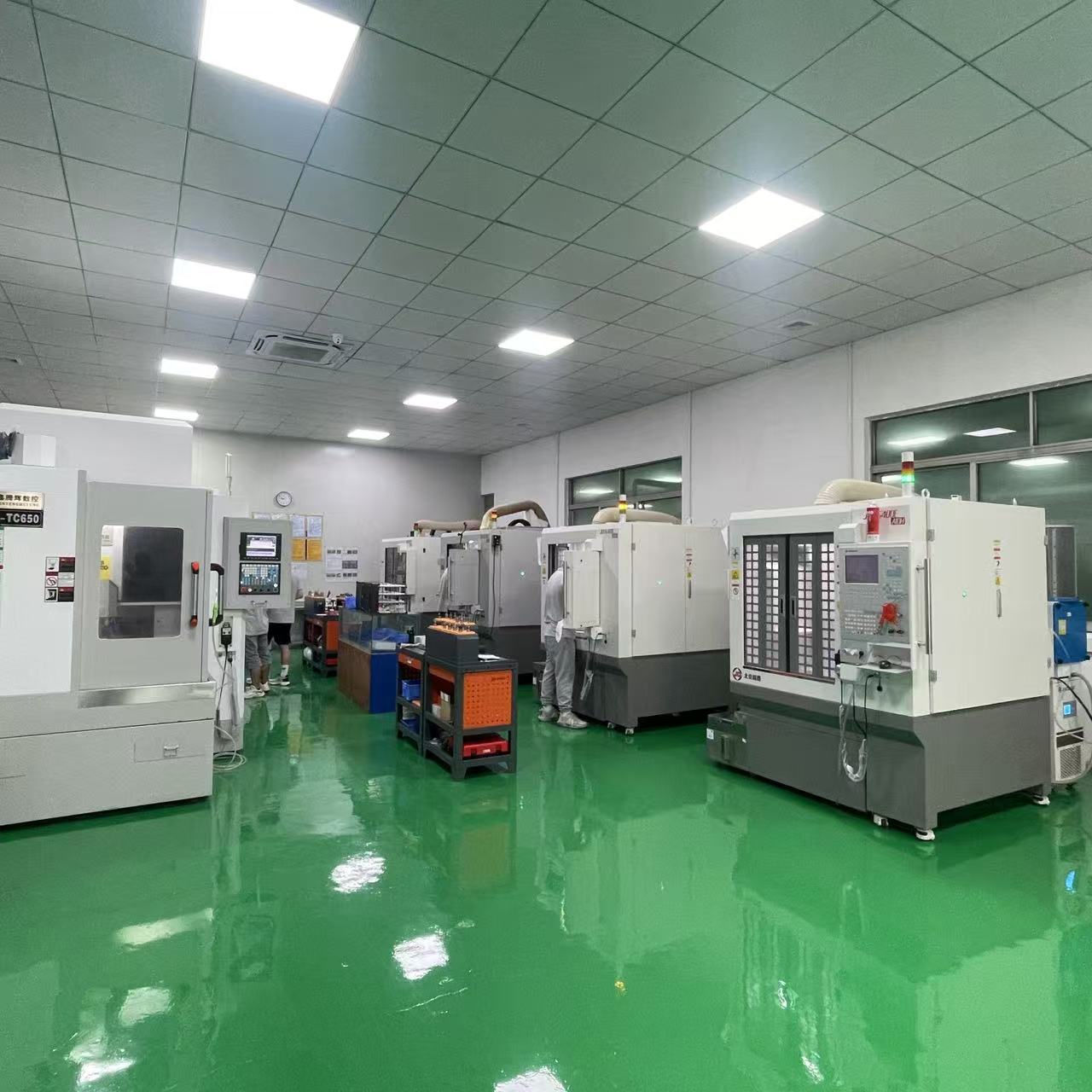
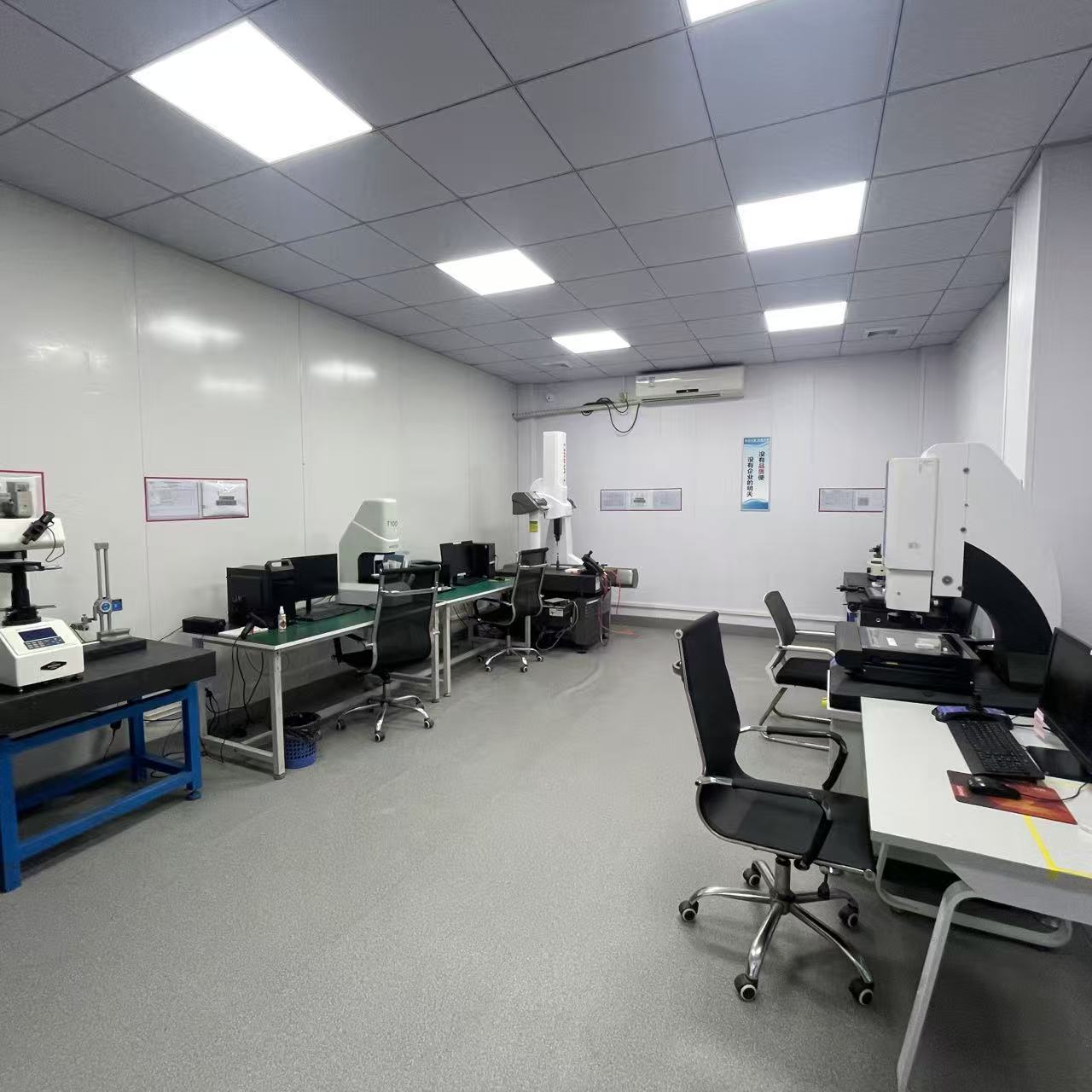
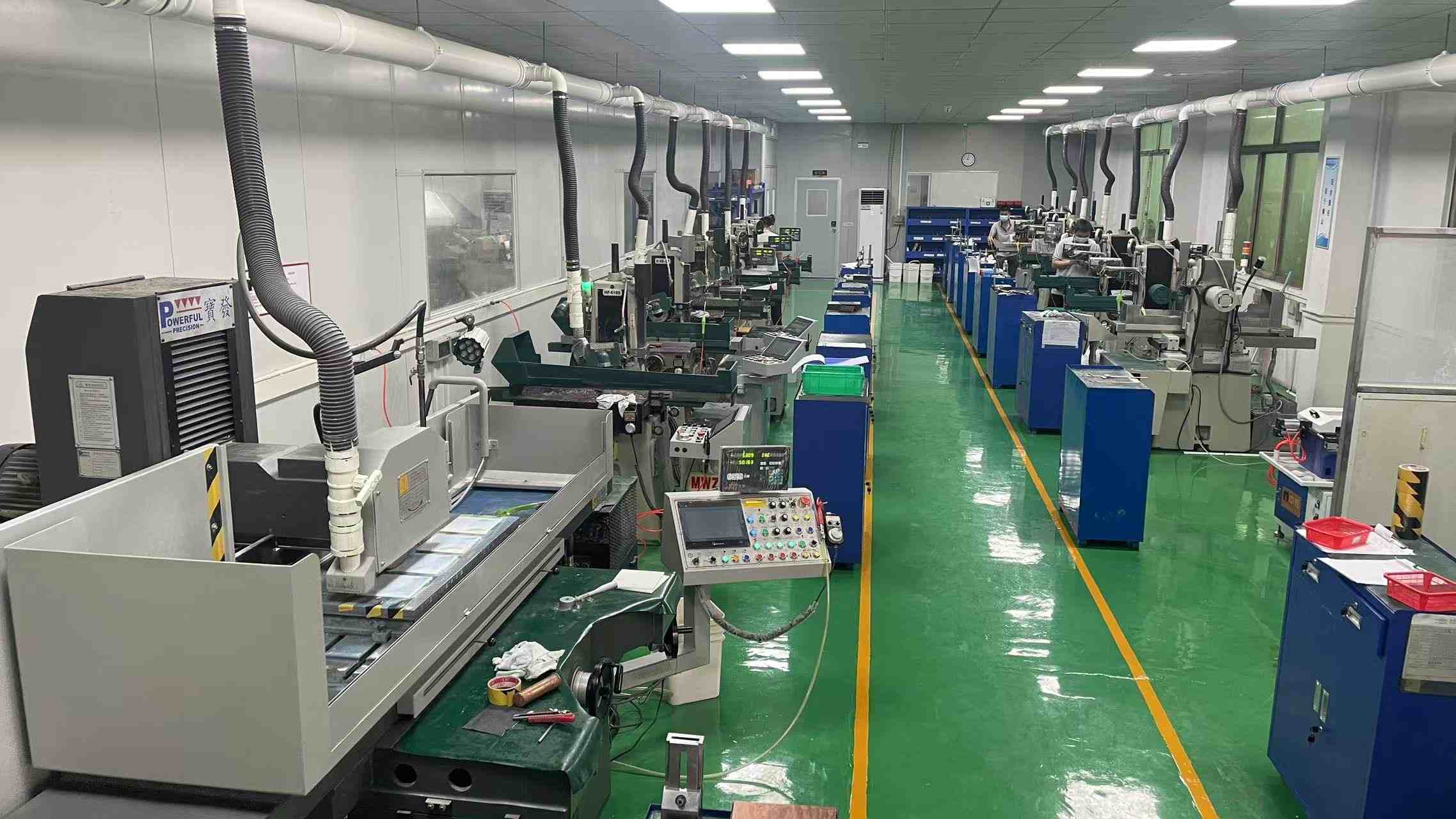
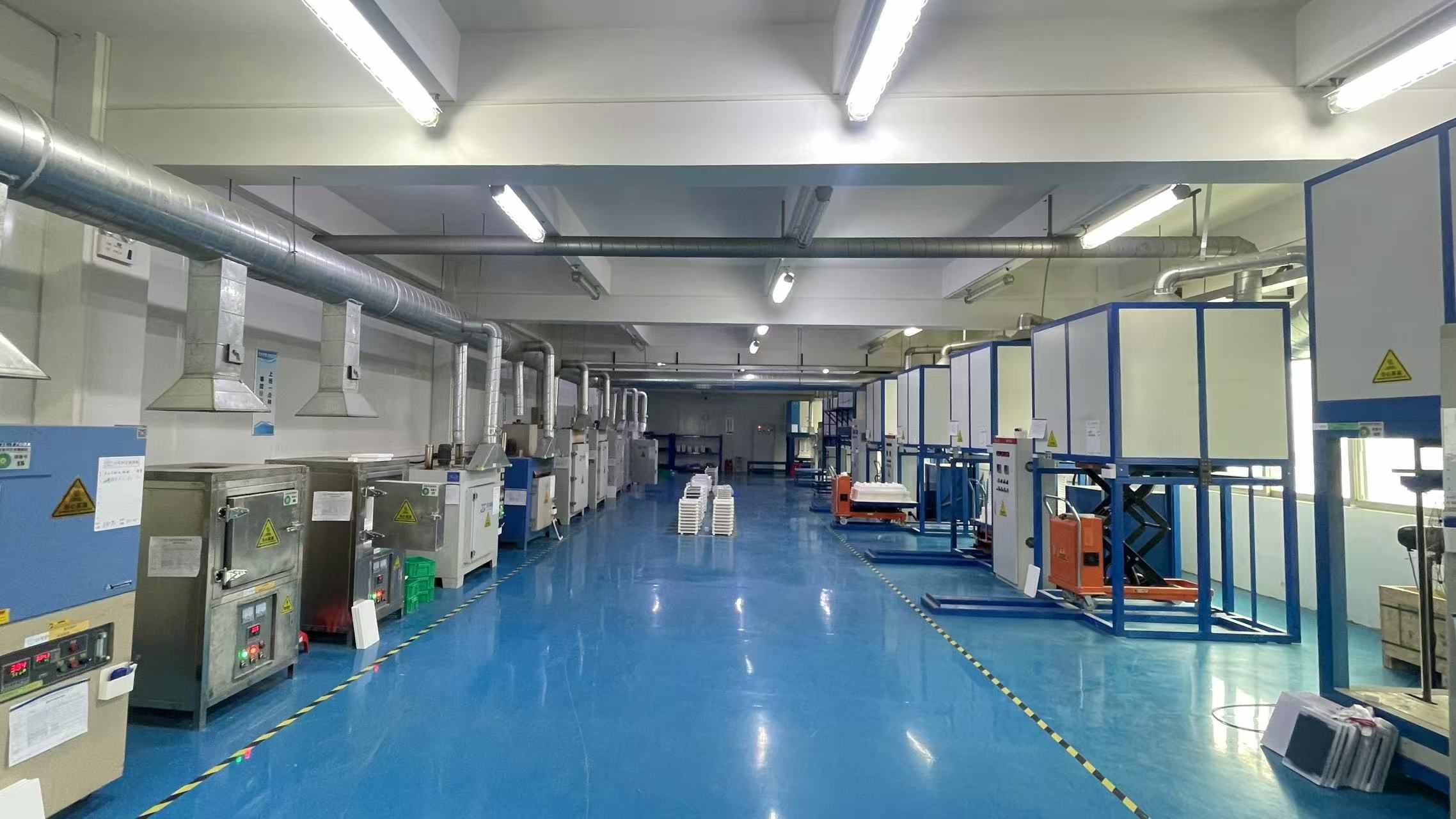
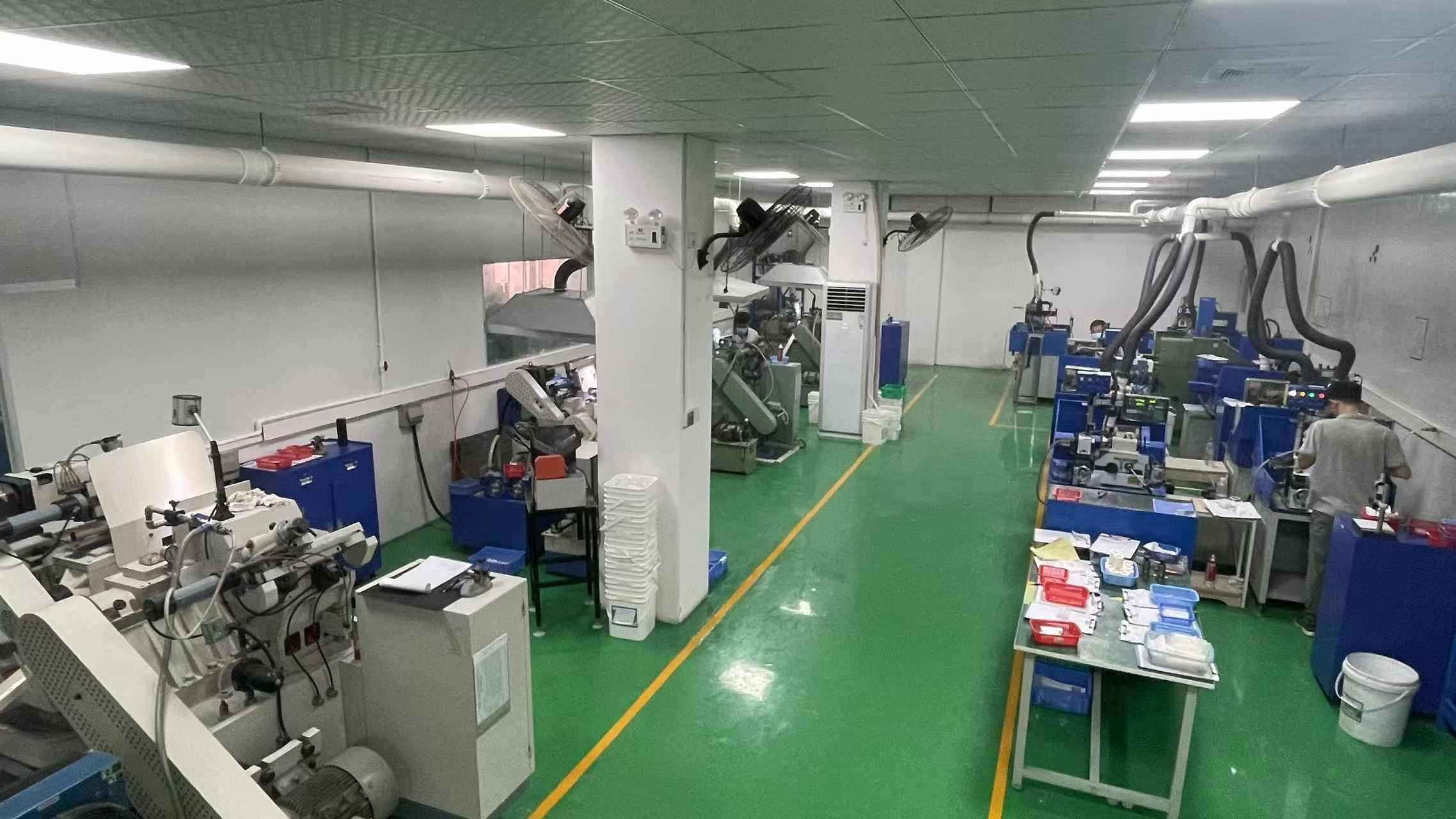
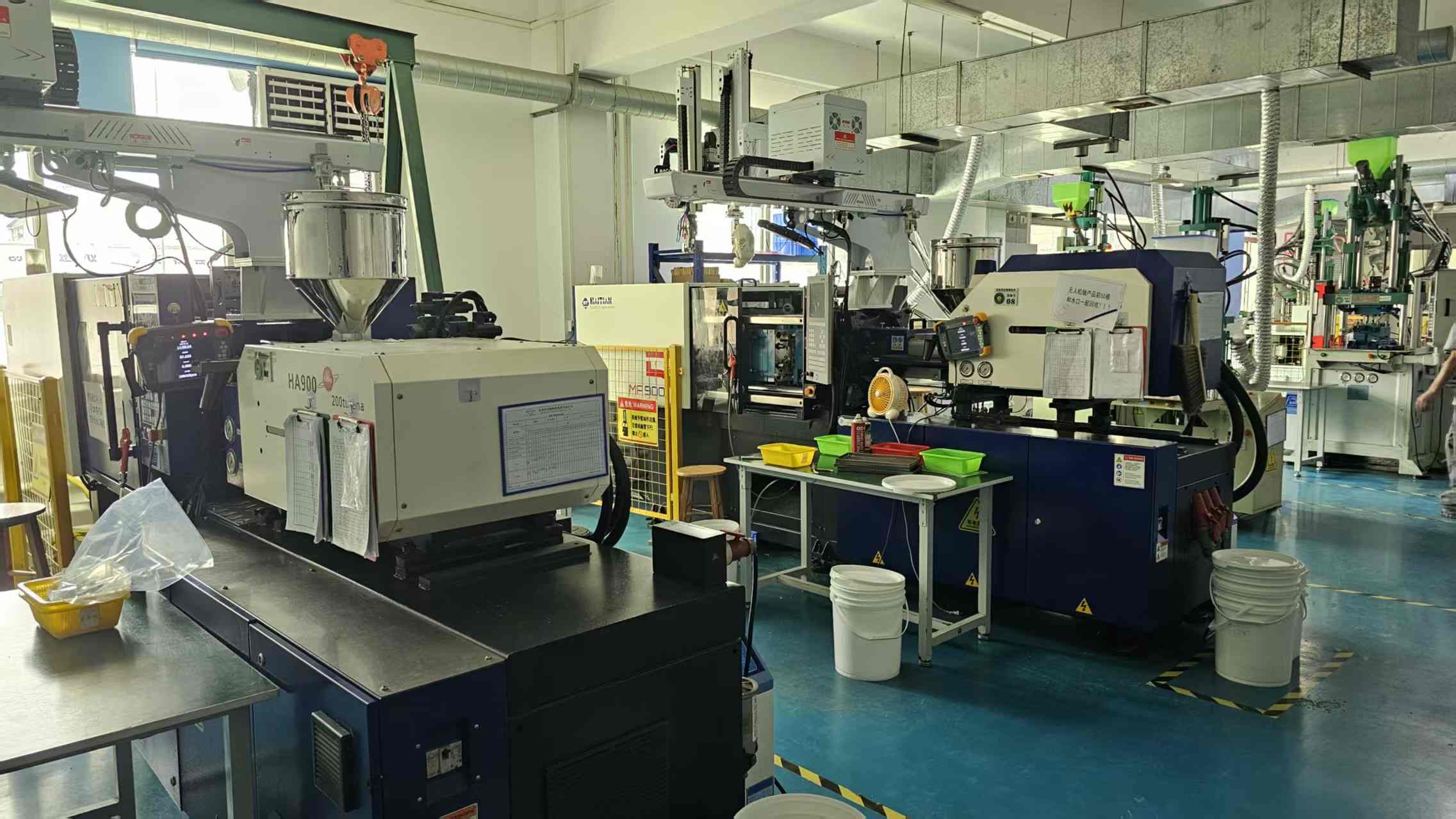
Our workshop
|
CNC Workshop |
Testing Room |
|
Surface grinding Workshop |
Sintering Workshop |
|
Circular Grinding Workshop |
Injection molding Machine Workshop |
Why choose us?
1.Customized R&D, rather than standard product adaptation
2.Deep control of materials science:Material Selection Based on Needs,Microstructure Optimization,Batch Consistency
3.Precision machining capability:Flatness can reach 0.001mm, parallelism 0.002mm, and roughness Ra 0.1μm.
FAQ
Q1: What products does your company offer?
We specialize in high-performance ceramics such as alumina and silicon nitride, providing insulators, structural components, wear-resistant parts, and customized solutions.
Q2: Can you customize non-standard parts?
Yes. We support processing based on provided drawings and collaborative technical development, offering a full-process service from design to mass production.
Q3: What about accuracy and delivery time?
Standard tolerance ±0.05mm, precision grade ±0.01mm; samples 7-15 days, bulk orders 20-30 days.
Q4: Main application areas?
Power, electronics, machinery, chemical, and aerospace industries.
Q5: Quality assurance measures?
Full-process quality inspection, providing material reports and performance test data, supporting third-party certification and testing.
Q6: Do you provide technical support?
We provide professional support such as material selection consultation, design optimization, and failure analysis.



 IPv6 network supported
Leave A Message
Scan to Wechat :

Scan to WhatsApp :