Leave A Message
If you are interested in our products and want to know more details,please leave a message here,we will reply you as soon as we can.

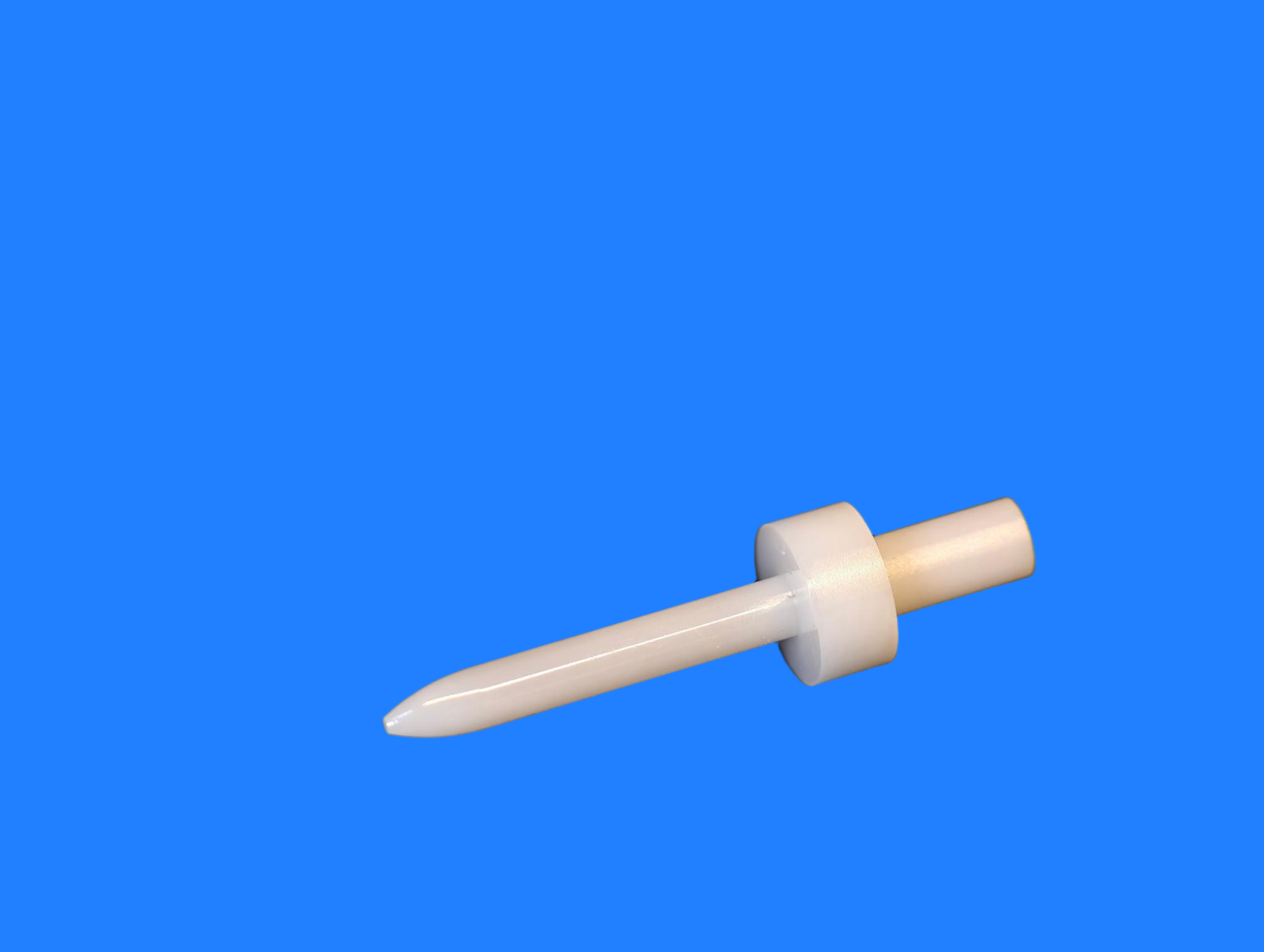
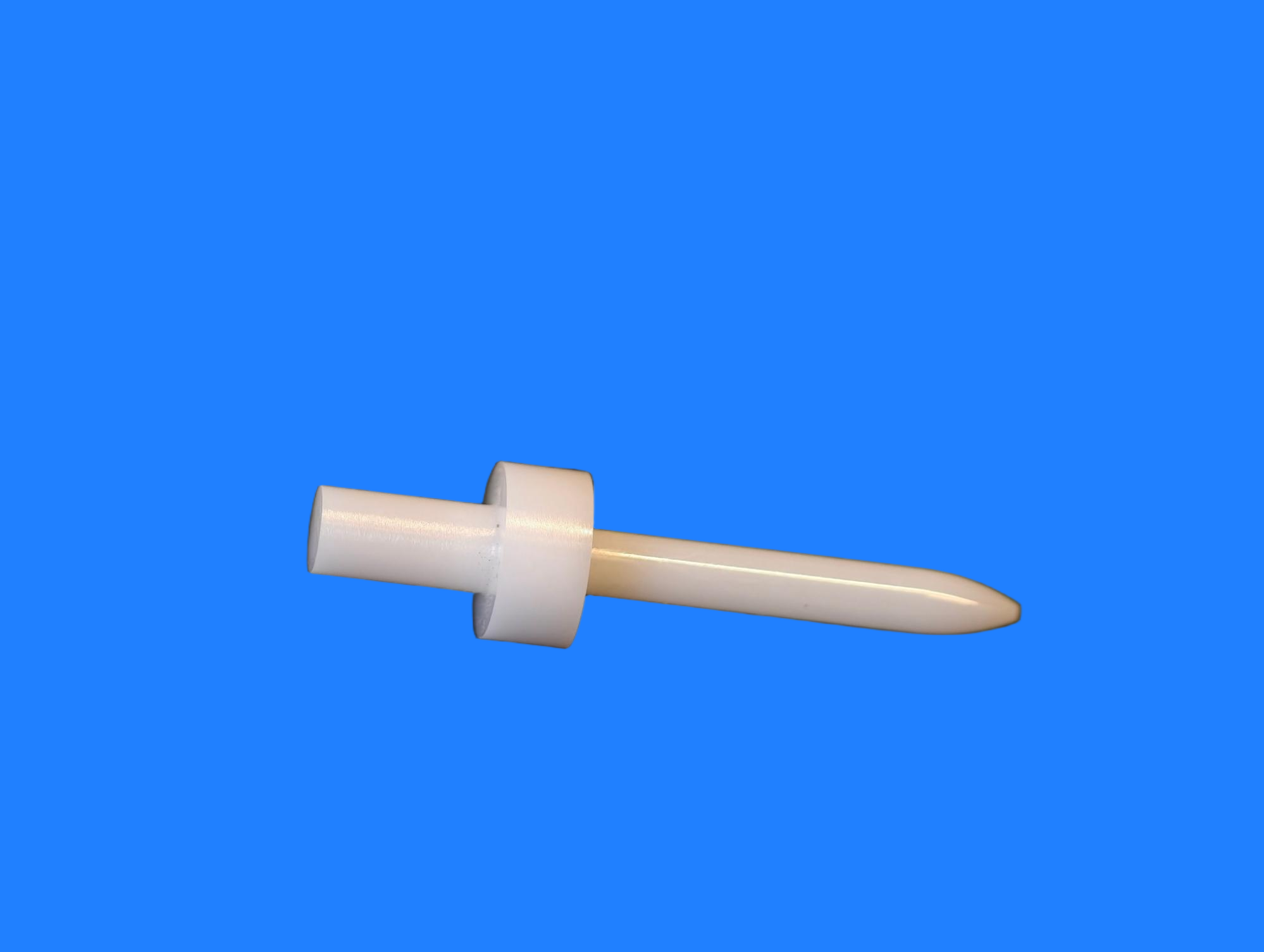
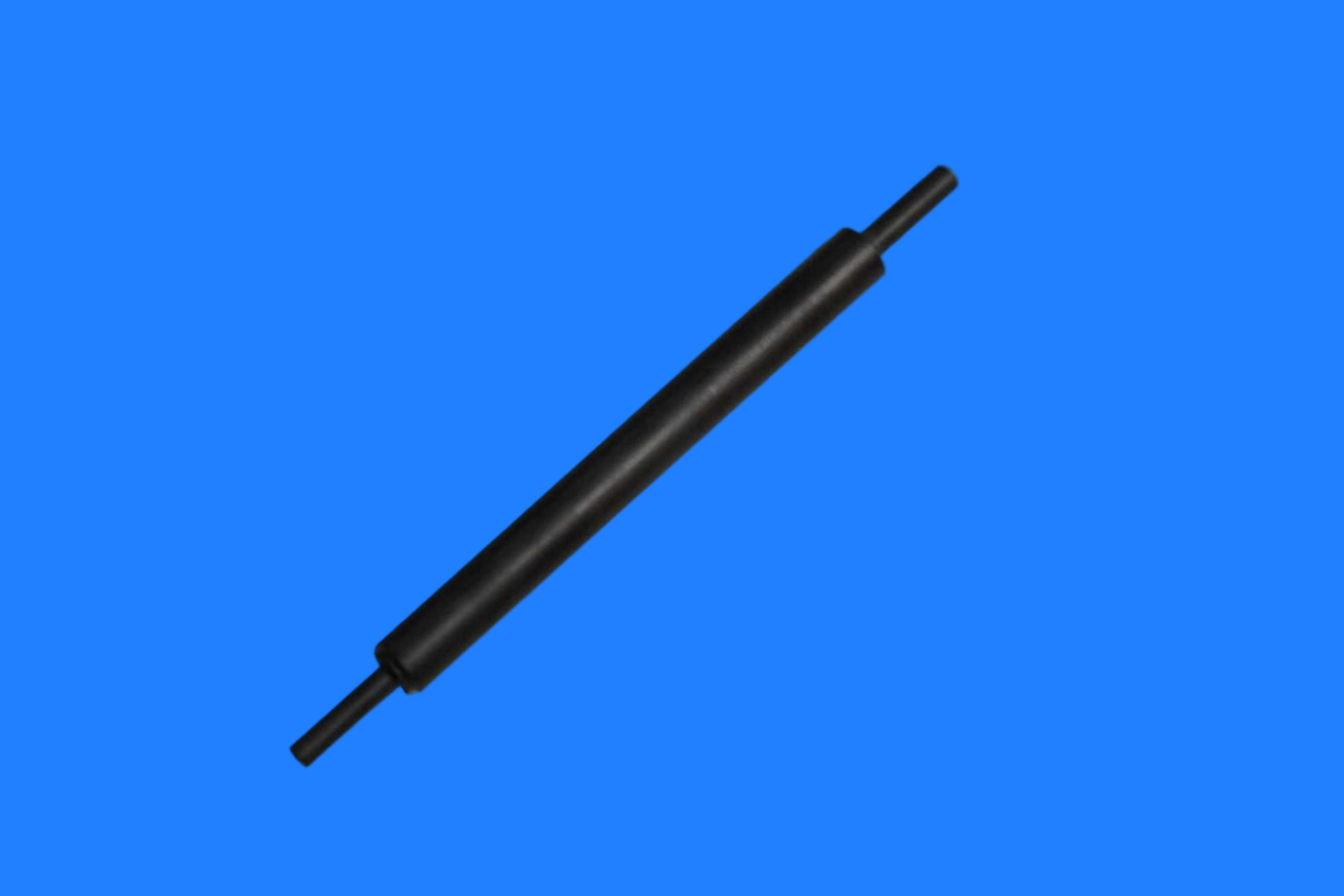
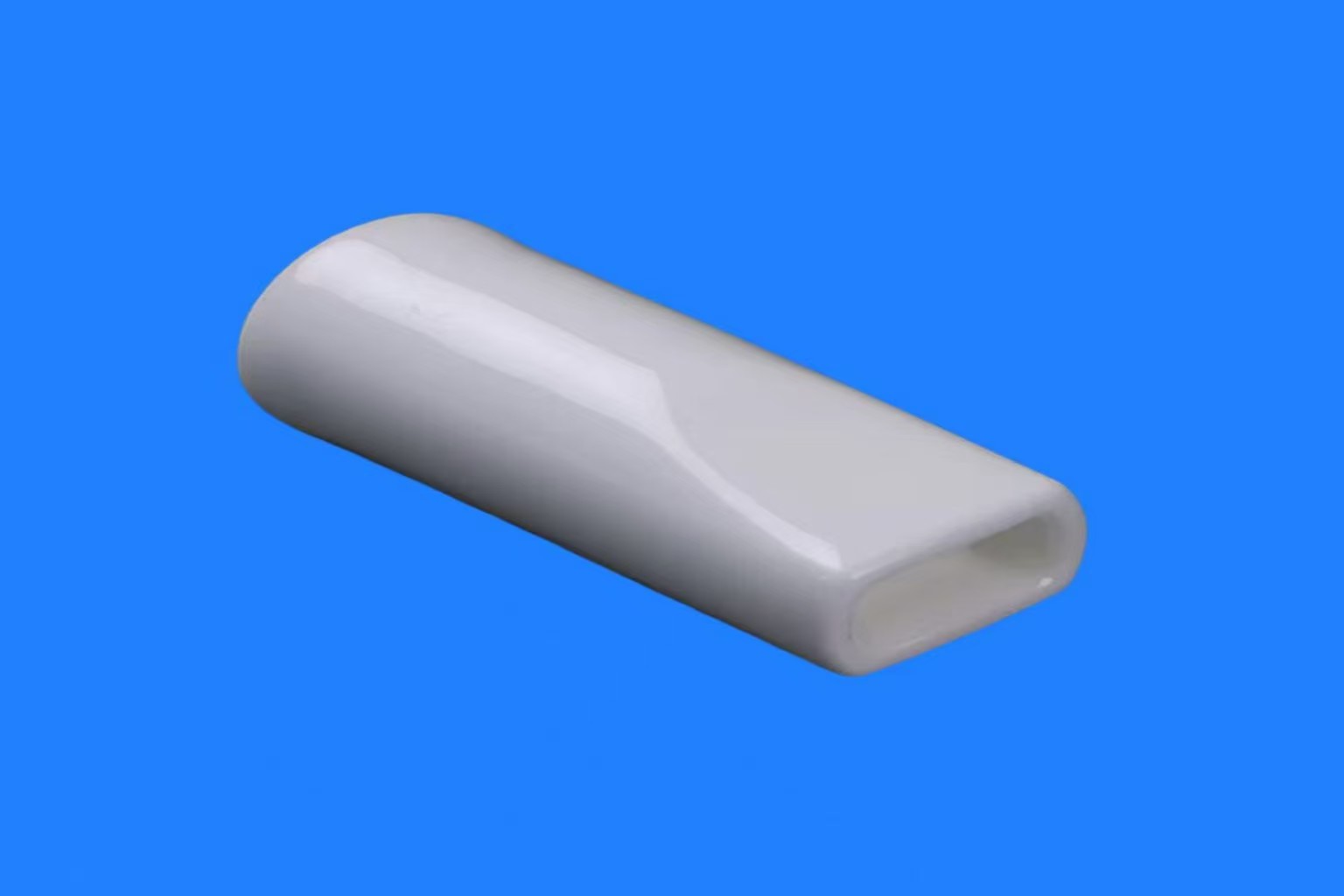
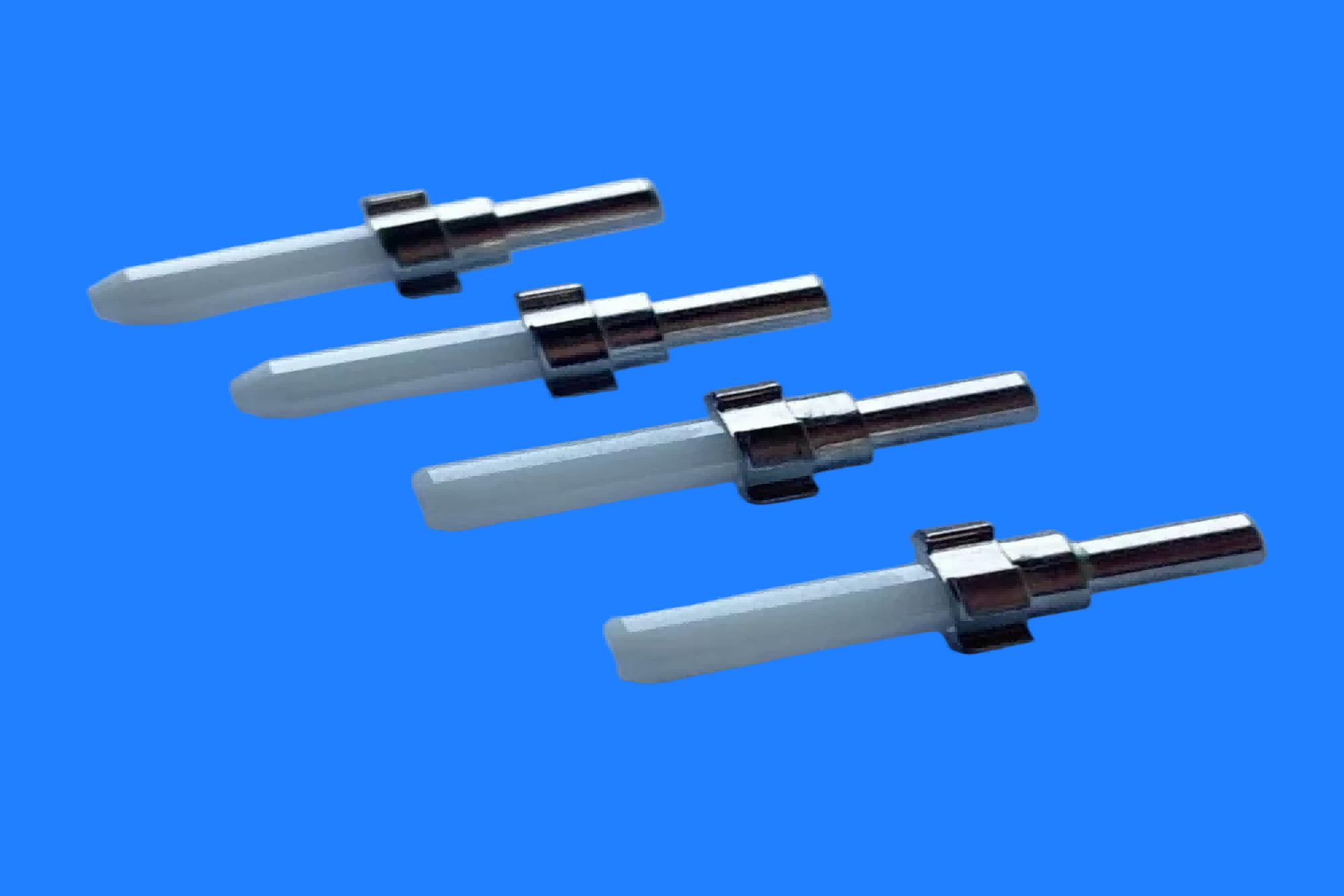
Zirconia Ceramic Pin is precision positioning elements made of yttrium-stabilized zirconia (Y-TZP/YSZ) high-performance ceramic material. As an upgraded alternative to traditional metal locating pins, they are manufactured through advanced powder metallurgy processes (molding → high-temperature sintering → precision grinding), combining the hardness advantages of ceramic materials with the toughness characteristics of metal materials. They are core functional components in modern precision manufacturing, automated assembly, and extreme working conditions.
Nonmagnetic White Ceramic Pin
Zirconia pin represent the highest level of application of precision engineering ceramics in industrial positioning. Their unique combination of material properties—metallic toughness, diamond-like hardness, and plastic-like insulation—makes them an irreplaceable key component in modern intelligent manufacturing, providing revolutionary solutions for improving assembly accuracy, extending equipment lifespan, and reducing manufacturing costs.
Core material properties
Zirconia (ZrO₂) is an advanced structural ceramic with a phase transformation toughening mechanism. Partial stabilization is achieved by adding 3 mol% yttrium oxide (Y₂O₃), forming tetragonal zirconia polycrystalline (Y-TZP), which endows the material with a unique combination of properties.
| Performance parameters | Technical indicators | Advantage description |
| Density | 5.95–6.05 g/cm³ | Approximately 3/4 the weight of steel, reducing centrifugal force during high-speed rotation. |
| Hardness (HV 0.5) | ≥1300 | Far exceeding bearing steel, its wear resistance and lifespan are increased by 5–25 times. |
| Bending strength | 900–1300 MPa | Approaching metallic levels, one of the highest among ceramic materials. |
| Fracture toughness | 7–9 MPa·m¹/² | Unique phase change toughening mechanism, excellent impact resistance |
| Thermal expansion coefficient | 10.0–10.3 ×10⁻⁶/K | Similar to steel, it is easy to assemble with metal parts. |
| Maximum operating temperature | 850–1000°C | It maintains structural stability at high temperatures and does not soften or deform. |
| Thermal conductivity | 2.2–3.0 W/(m·K) | Excellent thermal insulation performance, reducing heat loss. |
| Volume resistivity | >10¹² Ω·cm | Complete electrical insulation to prevent welding current shunting. |
Core advantages of Ceramic Pin
1. Ultra-long service life
Under high-frequency impact conditions such as projection welding and resistance welding, the service life of zirconia locating pins is more than 5 times that of traditional KCF (chromium zirconium copper) materials and 2-3 times that of alumina ceramics, significantly reducing the frequency of equipment downtime for maintenance.
2. Zero adhesion and electrical insulation
The density non-porous surface prevents the adhesion of weld slag and metal spatter; the complete electrical insulation property avoids welding current shunting, ensuring concentrated weld energy and improving the consistency of weld quality.
3. Precision positioning accuracy
Through diamond grinding, the following can be achieved:
Diameter tolerance: h7/g6/m6/p6 grade accuracy
Cylindricity: ≤0.003mm
Surface roughness: Ra ≤0.02μm (mirror finish)
Dimensional stability: Thermal expansion coefficient matches steel, maintaining constant clearance despite temperature changes.
4.Extreme environmental adaptability
High temperature resistance: strength and hardness show almost no decrease at 1000°C
Thermal shock resistance: withstands rapid temperature changes (ΔT) of 250–350°C
Corrosion resistance: inert to strong acids, strong alkalis, and molten metals
Non-magnetic: suitable for precision electronic assemblies sensitive to electromagnetic interference.
Application
| Applications | Core role |
| 1. Automobile manufacturing industry |
(1)AchiBody projection welding: used for precise positioning during nut and bolt welding to prevent weld spatter from adhering. (2)Powertrain assembly: high-precision alignment of engine block and transmission gears. |
| 2. New energy and lithium battery manufacturing |
(1)Battery electrode welding: used as an insulation positioning reference in laser welding and ultrasonic welding. (2)Cell assembly line: high temperature resistant, non-magnetic, avoiding short circuit risk. |
| 3.Electronics and Semiconductors |
(1)PCB soldering: high-temperature support and positioning in wave soldering and reflow soldering (2)Chip packaging: precision guiding in wire bonding machines |
| 4.Aerospace and Precision Machinery | (1)Welding of titanium alloy components: avoiding reactions with reactive metals. (2)Precision molds: core positioning in injection molds and stamping dies. |
Product specifications and selection
1.Common structural forms
Cylindrical straight pin: DIN 6325 standard, used for precision hole positioning
Tapered locating pin: 1:50 taper, self-centering, compensates for hole diameter errors
Spherical/arc pin: reduces contact stress, suitable for thin sheet metal parts
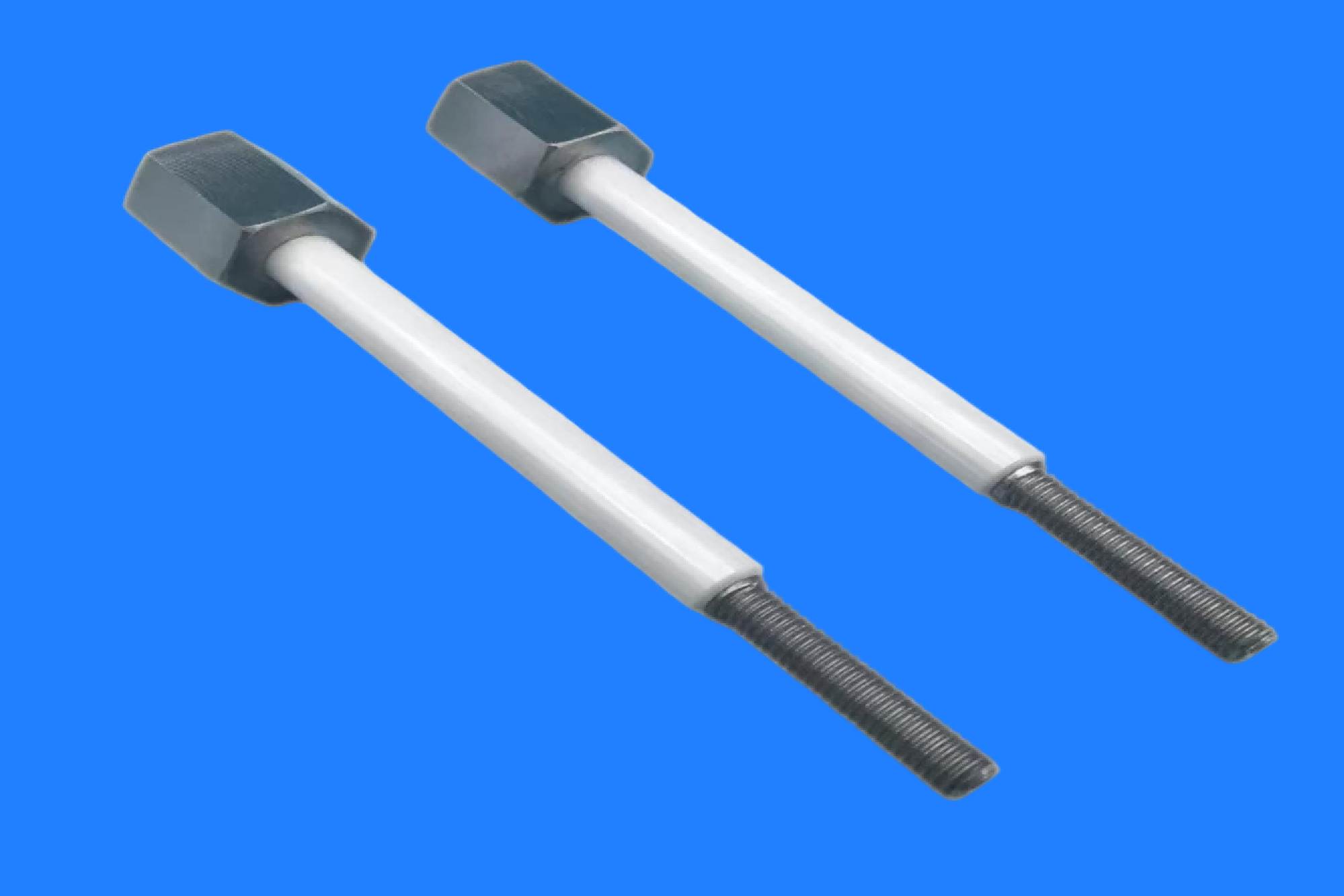
Threaded pin: internal or external thread design for easy and quick replacement
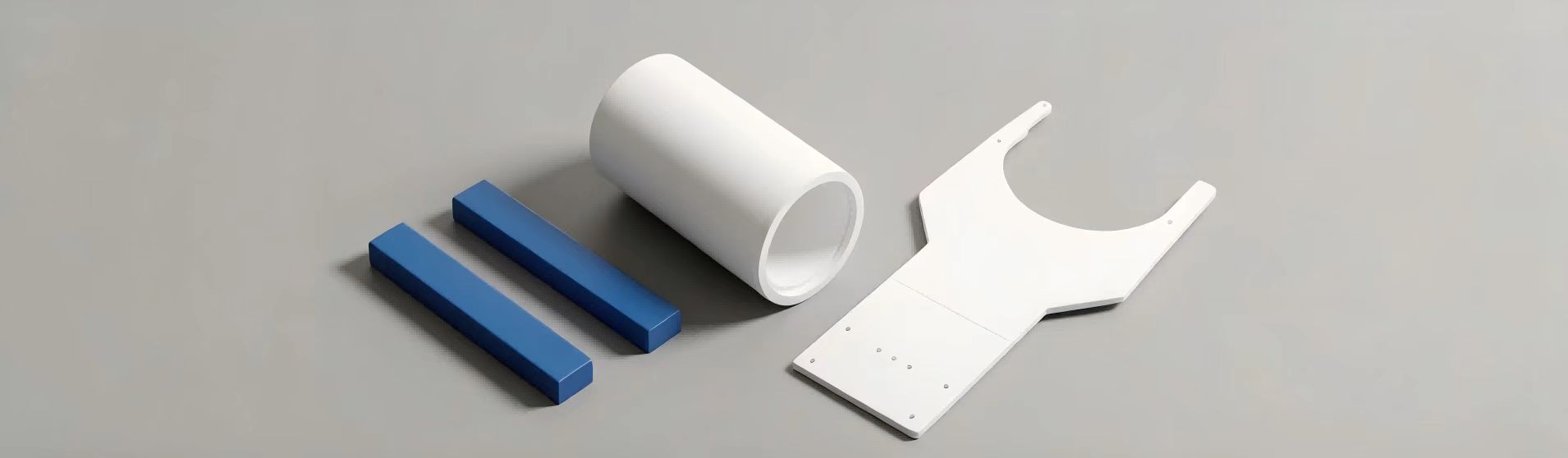
2.Material Color Options
White Zirconia pin: Standard type, high purity, well-balanced overall performance
Blue Zirconia pin: Colored with additives for easy visual identification and wear detection
Black Zirconia pin: Enhanced anti-reflective properties, suitable for optical inspection equipment
Usage and maintenance recommendations
1.Installation fit: a clearance fit (H7/g6) is recommended to avoid stress cracking of the ceramic due to interference fit.
2.Cleaning and maintenance: regularly wipe the surface with a non-woven cloth to remove welding slag. Avoid using a metal brush to prevent scratches.
3.Replacement criteria: replace when obvious wear grooves (depth > 0.05mm) appear on the surface or the fit clearance is out of tolerance.
4.Storage conditions: store in a dry environment and avoid collision with hard metals.
Technological development trends
With the rapid development of new energy vehicles and precision electronics manufacturing, zirconia locating pins are evolving towards composite and intelligent technologies:
1.ZTA Composite Ceramic: Zirconia-Toughened Alumina balances hardness and toughness, suitable for higher wear conditions.
2.Surface Coating Technology: Diamond-like Carbon (DLC) coatings further reduce the coefficient of friction.
3.Embedded Sensing: Integrated temperature or stress sensors enable predictive maintenance.
Our customized Process

Why choose us?
1.Customized R&D, rather than standard product adaptation
2.Deep control of materials science:Material Selection Based on Needs,Microstructure Optimization,Batch Consistency
3.Precision machining capability:Flatness can reach 0.001mm, parallelism 0.002mm, and roughness Ra 0.1μm.
FAQ
Q1: What products does your company offer?
We specialize in high-performance ceramics such as alumina and silicon nitride, providing insulators, structural components, wear-resistant parts, and customized solutions.
Q2: Can you customize non-standard parts?
Yes. We support processing based on provided drawings and collaborative technical development, offering a full-process service from design to mass production.
Q3: What about accuracy and delivery time?
Standard tolerance ±0.05mm, precision grade ±0.01mm; samples 7-15 days, bulk orders 20-30 days.
Q4: Main application areas?
Power, electronics, machinery, chemical, and aerospace industries.
Q5: Quality assurance measures?
Full-process quality inspection, providing material reports and performance test data, supporting third-party certification and testing.
Q6: Do you provide technical support?
We provide professional support such as material selection consultation, design optimization, and failure analysis.



 IPv6 network supported
Leave A Message
Scan to Wechat :

Scan to WhatsApp :