Leave A Message
If you are interested in our products and want to know more details,please leave a message here,we will reply you as soon as we can.


White Glazed Finished Al2O3 Porcelain Reaction Spot Plate for High-precision micro-scale Chemical Experiments


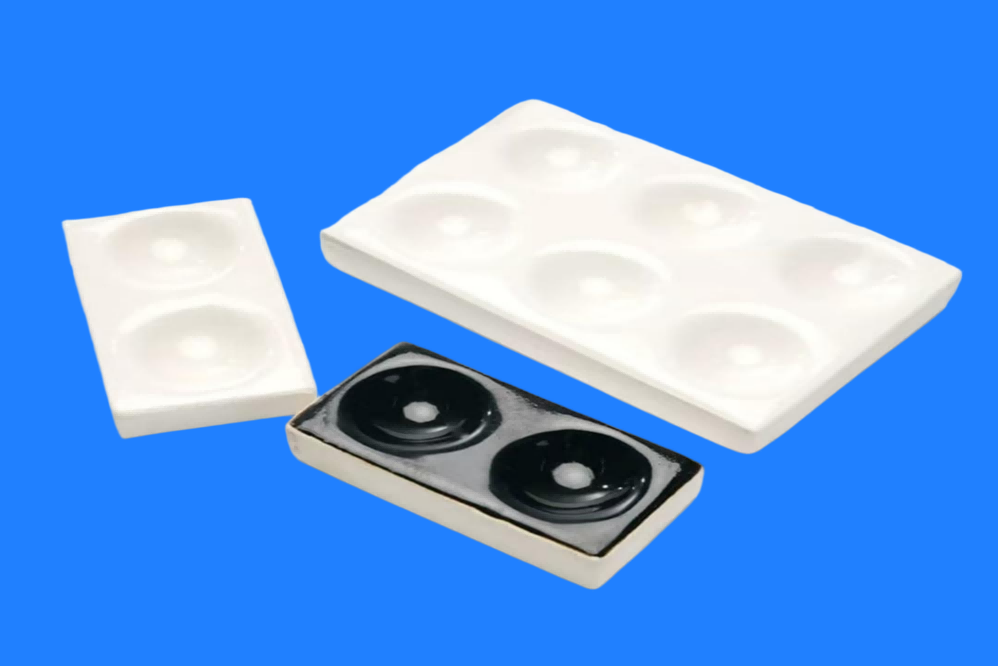
The Al2O3 Ceramic Spot Plate—also known as a ceramic colorimetric plate, porcelain reaction plate, or well plate—is an indispensable vessel for micro-scale reactions in qualitative chemical analysis. Crafted from high-quality ceramic material and fired at high temperatures, the plate features multiple wells or cavities where reactions take place. It offers significant advantages, including minimal reagent consumption, rapid reaction times, ease of use, and the ability to conduct multiple simultaneous comparative tests. Widely used for detecting color-forming and precipitation reactions in qualitative analysis, it is an essential piece of equipment for university teaching, research institutes, and quality control laboratories.
White Glazed Finished Al2O3 Porcelain Reaction Spot Plate
Product Description
Renowned for its precise micro-reaction capabilities, clear visual contrast, and excellent chemical stability, the Porcelain Spot Plate is a classic choice for qualitative chemical analysis. These plates are available in two material types—standard laboratory porcelain and 95% high-purity alumina—and come in various configurations, such as 2-well, 6-well, and 12-well versions. The dense, non-absorbent glaze prevents reagents from seeping into the ceramic body, thereby eliminating the risk of sample cross-contamination. The 95% alumina version offers superior hardness and minimal impurity leaching, making it suitable for high-precision micro-scale chemical experiments; durable and easy to clean, it serves as an ideal laboratory consumable for parallel comparative testing.
Product Structure
The ceramic reaction spot plate is manufactured using an integrated molding process, resulting in a simple yet practical design:
Product Features
1. Dual-color design for clearer experimental observation
available in two color options:
white spotting plate: suitable for observing color-forming reactions; colored products stand out against the white background, facilitating easy interpretation.
black spotting plate: Suitable for detecting white precipitates; white precipitates are clearly visible against the black background, preventing missed detections.
2.High-quality ceramic material with exceptional chemical stability.
manufactured from high-purity porcelain clay and fired at high temperatures, the vessel features a glazed surface that offers excellent resistance to acid and alkali corrosion. It is safe for contact with various inorganic acids, alkalis, and organic solvents, ensuring that experimental results remain unaffected by the vessel itself.
3.Smooth, easy-to-clean, and reusable glazed surface.
the smooth glaze resists chemical residue; after use, it can be cleaned with water or a mild detergent. It is suitable for repeated use, making it both economical and eco-friendly.
4.Multi-well layout for efficient parallel experimentation
a single plate integrates multiple reaction wells, enabling simultaneous parallel or control experiments; this significantly boosts experimental efficiency while saving on reagents and time.
5.Micro-scale reactions to conserve reagents
each well requires only a few drops of reagent to complete the reaction, making it ideal for the analysis of precious samples or expensive reagents.
6.Rugged, durable, and long-lasting.
the ceramic material offers high mechanical strength and resists breakage under normal use, ensuring a long service life in various laboratory environments.
Technical Specifications
| Parameter | Specifications |
| Material | high-purity ceramics (chemical/laboratory porcelain) |
| Color | white / black |
| Wells | 2-hole / 6-hole / 12-hole |
| Surface Treatment | glazed inside and out; smooth and dense. |
| Typical Dimensions | 92mm × 31mm (2 holes) / 118mm × 91mm (6–12 holes) |
| Applicable Temperature Range | use at room temperature (do not heat directly). |
| Packaging Method | individually wrapped or bulk-packed in cartons |
Size reference: The 2-well plate is compact and portable, suitable for rapid testing of small sample quantities; the 6-well plate is a standard specification for educational experiments, balancing efficiency with working space; the 12-well plate is suitable for high-throughput screening or experiments involving multiple control groups.
Typical Application Scenarios
Instructions for Usage
1.Select Color: choose a white or black spot plate based on the color of the sample being tested.
2.Add Reagents: use a dropper to add the test solution and the detection reagent into the same well.
3.Observe Reaction: gently shake or stir to mix the reagents; observe any color changes or precipitate formation.
4.Record Results: compare with a standard color chart or record the observed reaction phenomena.
5.Clean and Store: clean promptly after the experiment; allow to air dry, then store in a dry, well-ventilated area.
Precautions
Packaging and Ordering
| Specifications and Model | Color | Wells | Package Quantity | Applicable Scenarios |
| Standard Model | white | 2 | 20 pieces/carton | trace-level detection, portable use |
| Standard Model | white | 6 | 60 pieces/carton | standard teaching experiments |
| Standard Model | white | 12 | 24 pieces/carton | high-throughput screening experiment |
| Standard Model | black | 2 | 20 pieces/carton | detection of white precipitate |
| Standard Model | black | 6 | 60 pieces/carton | standard teaching experiments |
| Standard Model | black | 12 | 24 pieces/carton | multi-group controlled experiments |
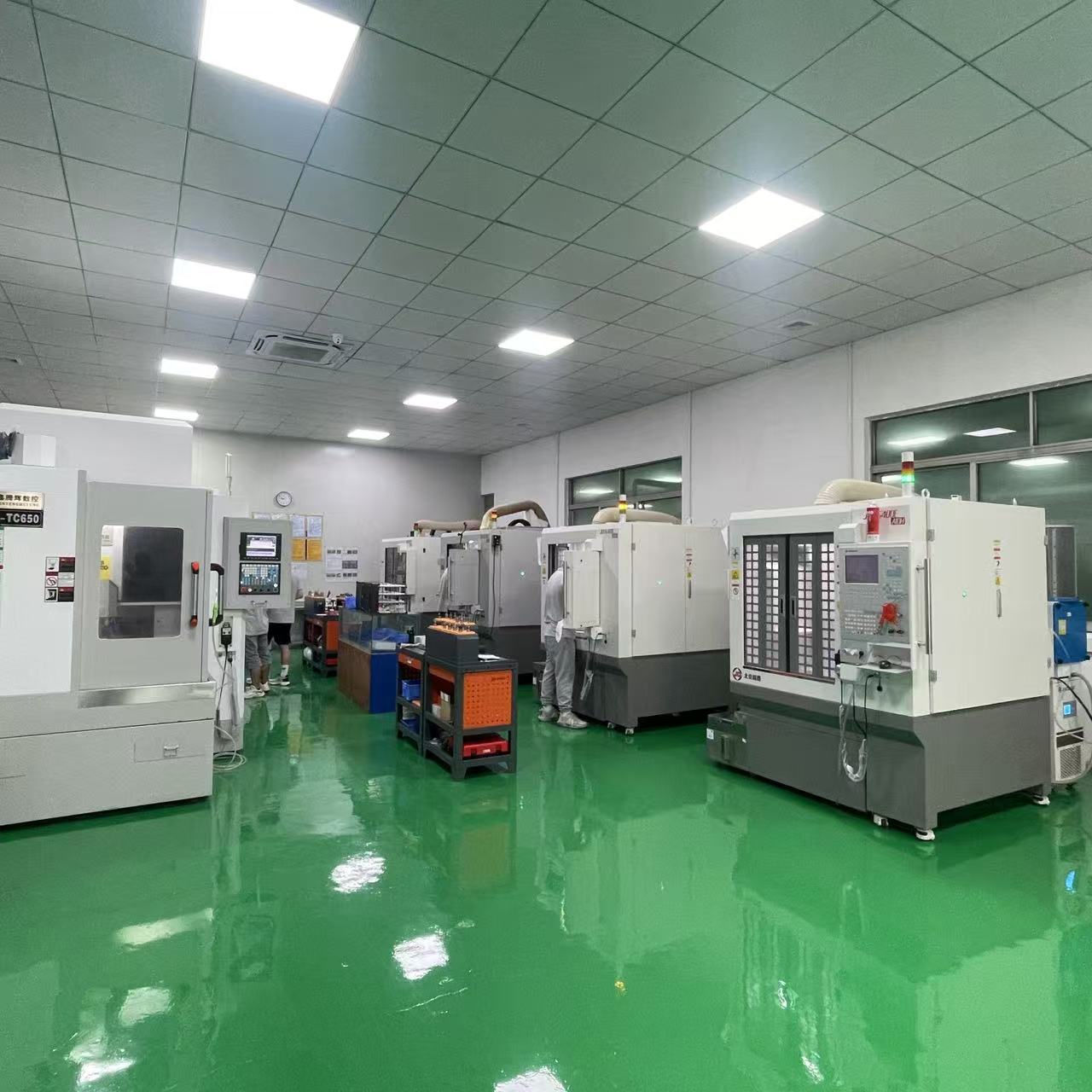
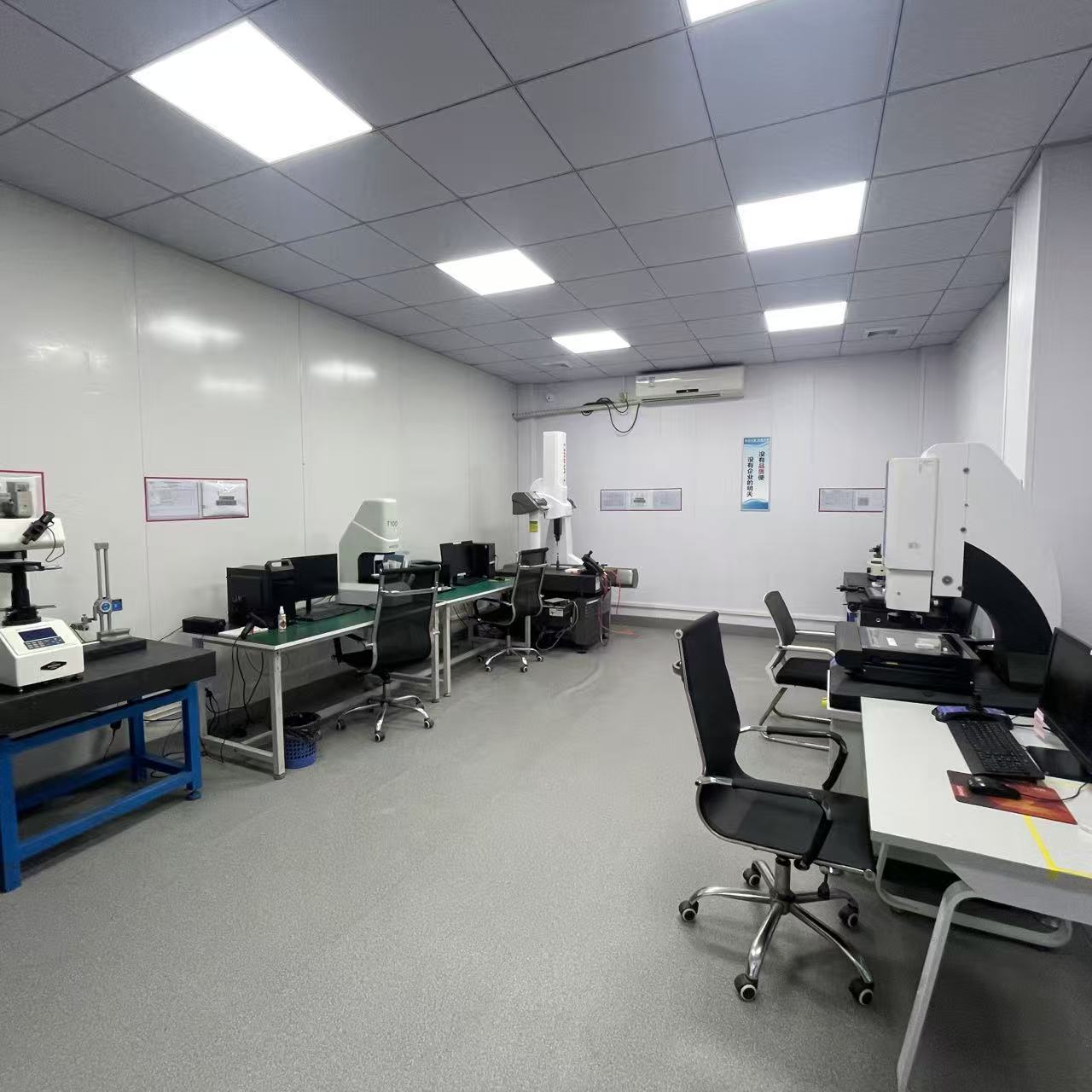
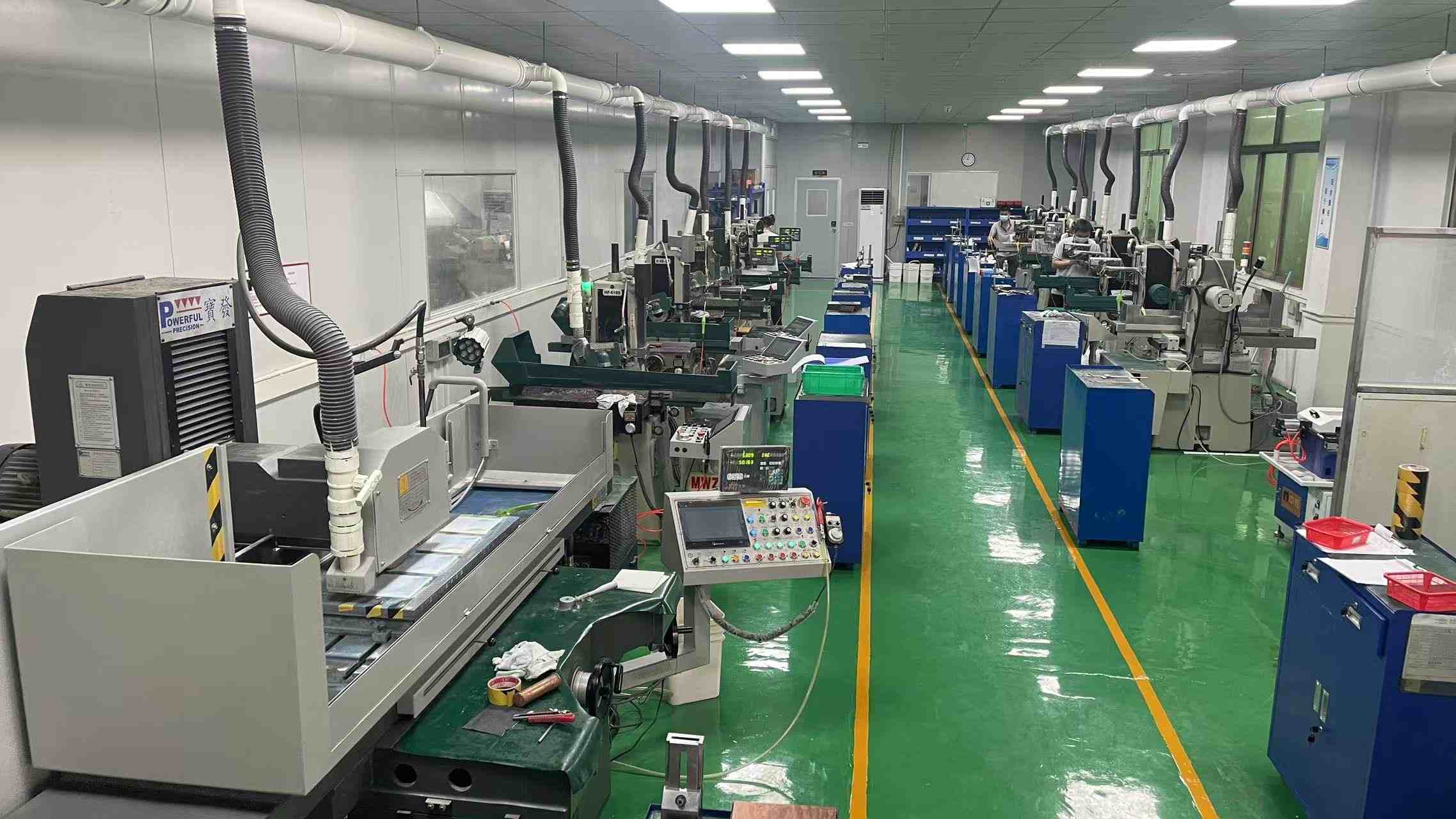
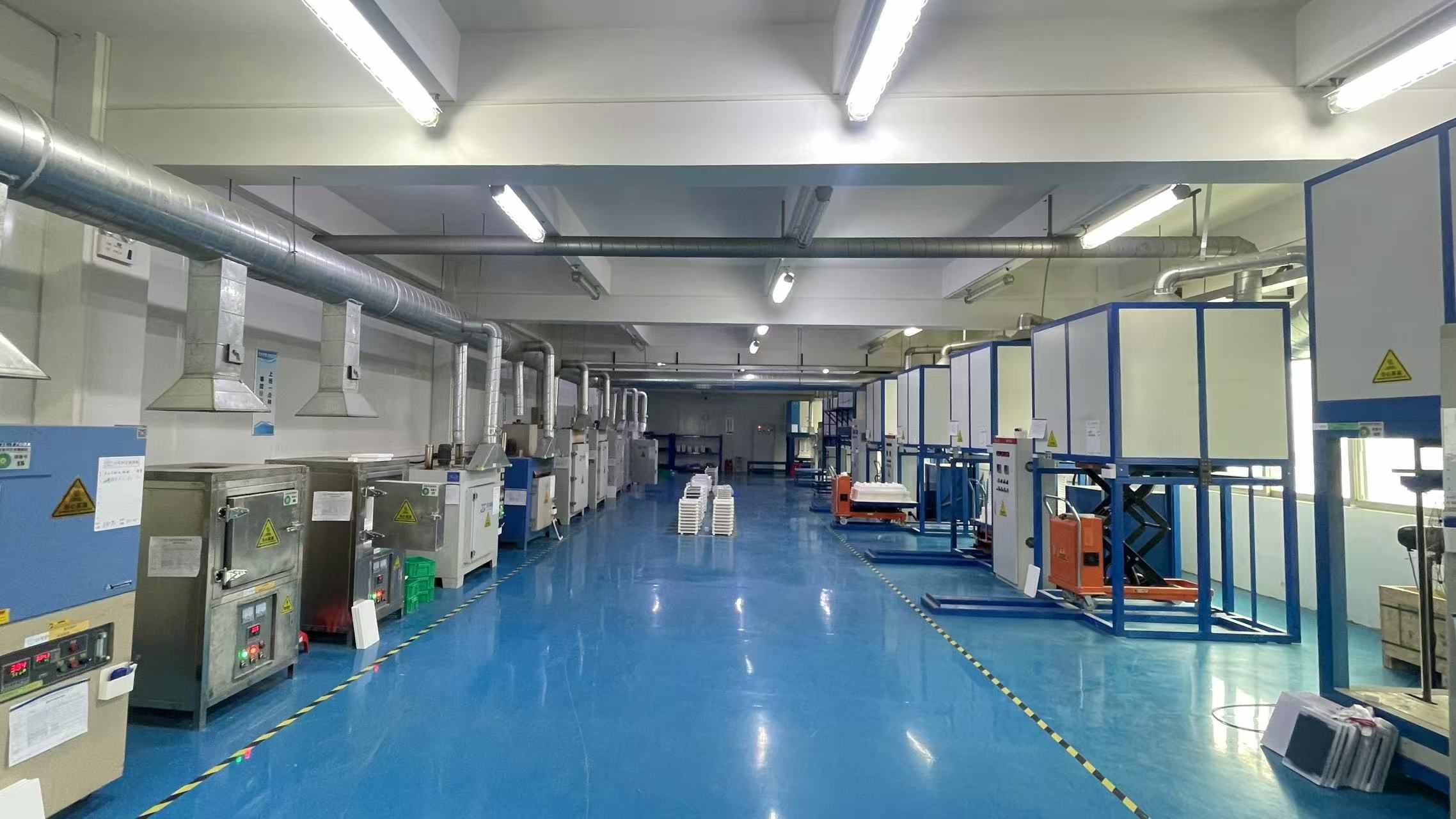
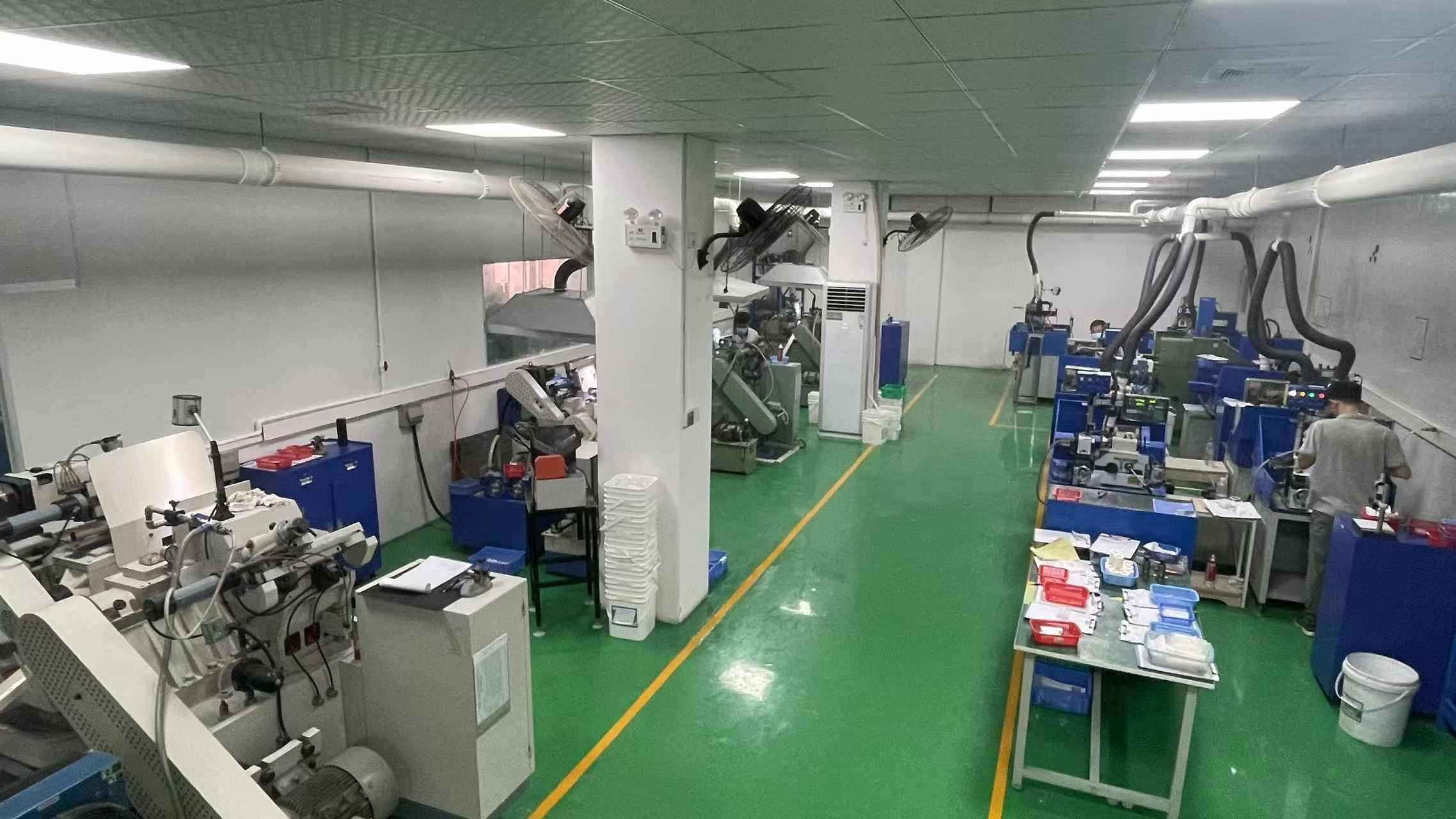
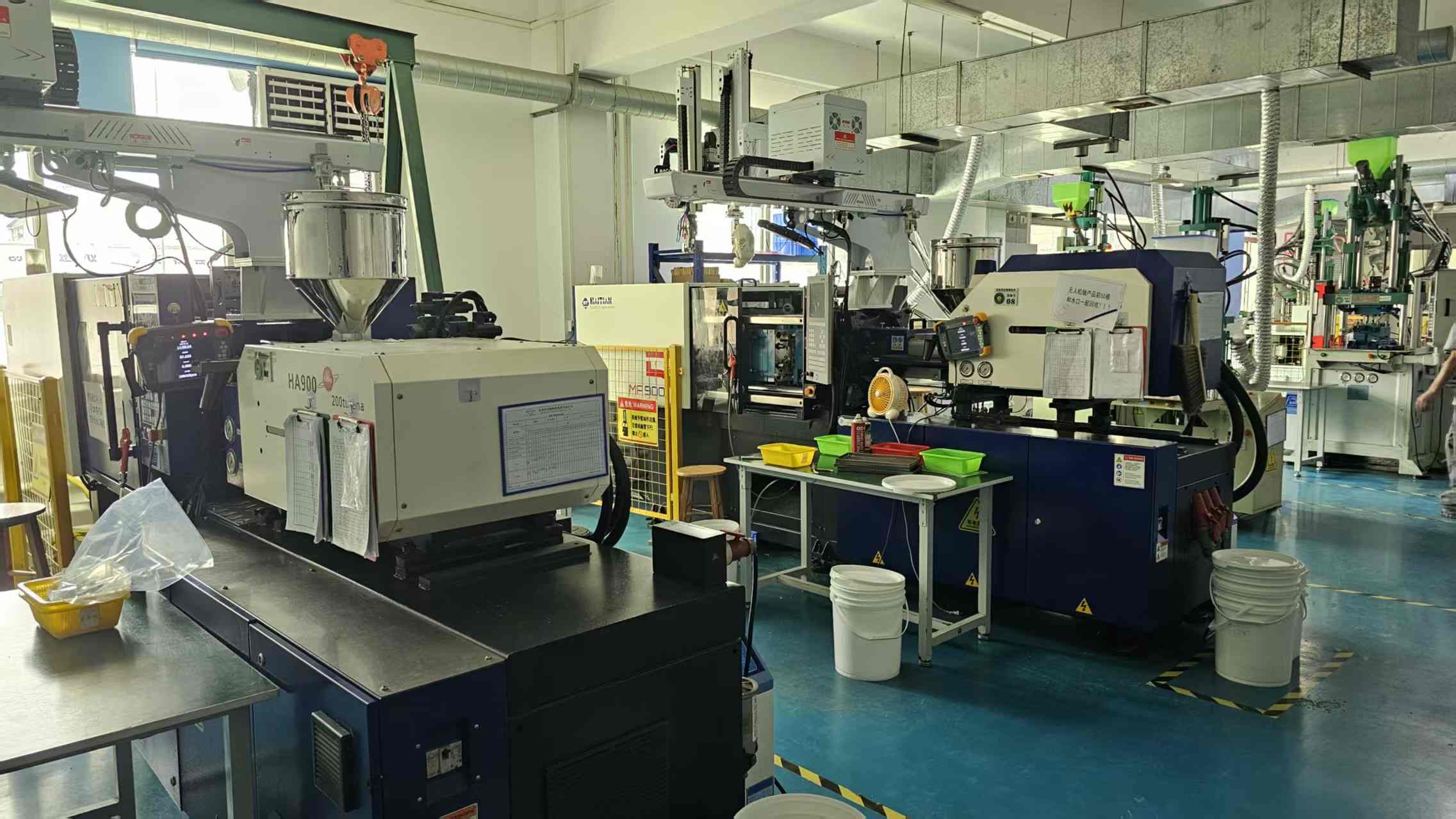
Our workshop
|
CNC Workshop |
Testing Room |
|
Surface grinding Workshop |
Sintering Workshop |
|
Circular Grinding Workshop |
Injection molding Machine Workshop |
Why choose us?
1.Customized R&D, rather than standard product adaptation
2.Deep control of materials science:Material Selection Based on Needs,Microstructure Optimization,Batch Consistency
3.Precision machining capability:Flatness can reach 0.001mm, parallelism 0.002mm, and roughness Ra 0.1μm.
FAQ
Q1: What products does your company offer?
We specialize in high-performance ceramics such as alumina and silicon nitride, providing insulators, structural components, wear-resistant parts, and customized solutions.
Q2: Can you customize non-standard parts?
Yes. We support processing based on provided drawings and collaborative technical development, offering a full-process service from design to mass production.
Q3: What about accuracy and delivery time?
Standard tolerance ±0.05mm, precision grade ±0.01mm; samples 7-15 days, bulk orders 20-30 days.
Q4: Main application areas?
Power, electronics, machinery, chemical, and aerospace industries.
Q5: Quality assurance measures?
Full-process quality inspection, providing material reports and performance test data, supporting third-party certification and testing.
Q6: Do you provide technical support?
We provide professional support such as material selection consultation, design optimization, and failure analysis.



 IPv6 network supported
Leave A Message
Scan to Wechat :

Scan to WhatsApp :