Leave A Message
If you are interested in our products and want to know more details,please leave a message here,we will reply you as soon as we can.


High Corrosion-resistant Al₂O₃ Ceramic Atomizing Nozzle for Environmental Industry
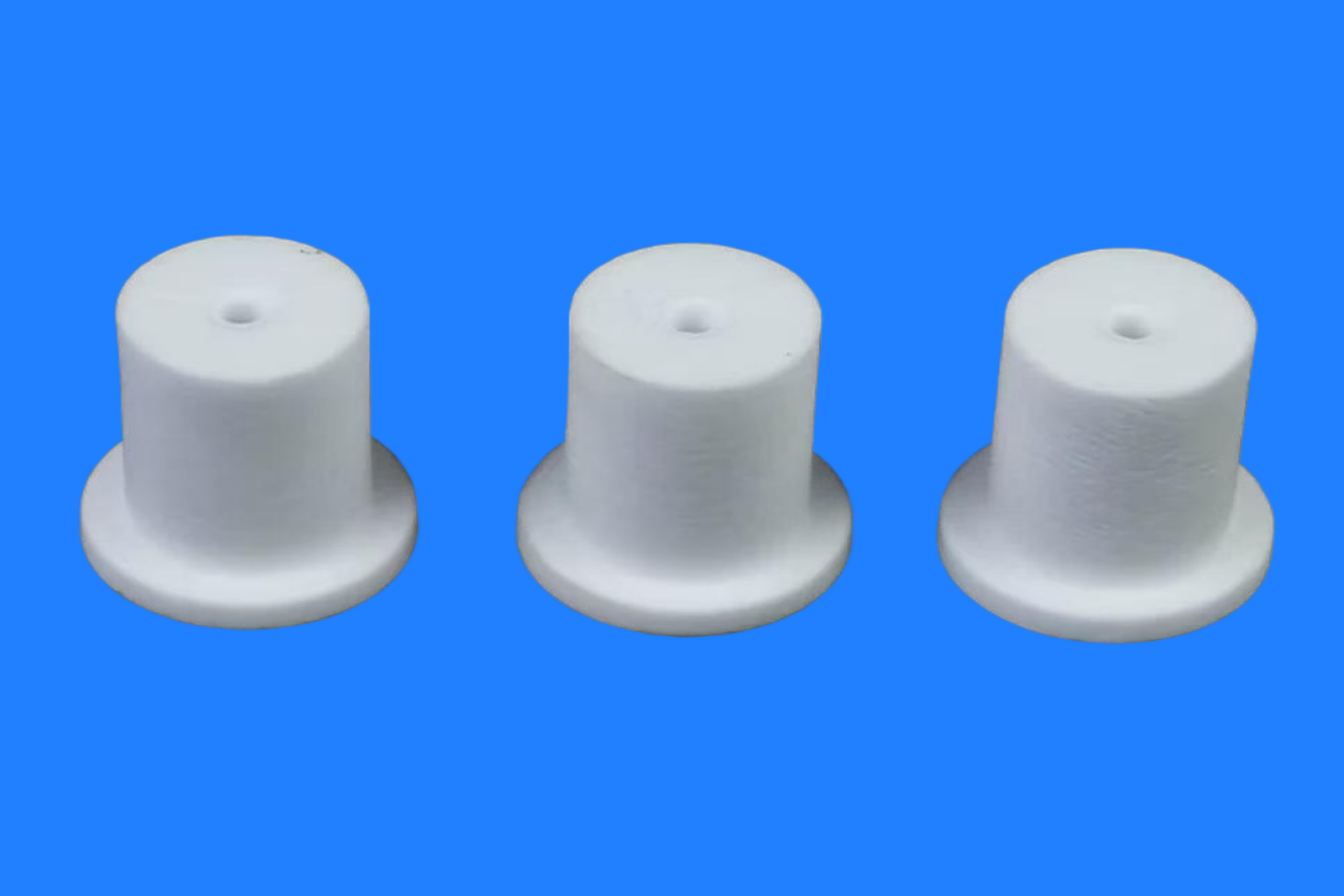
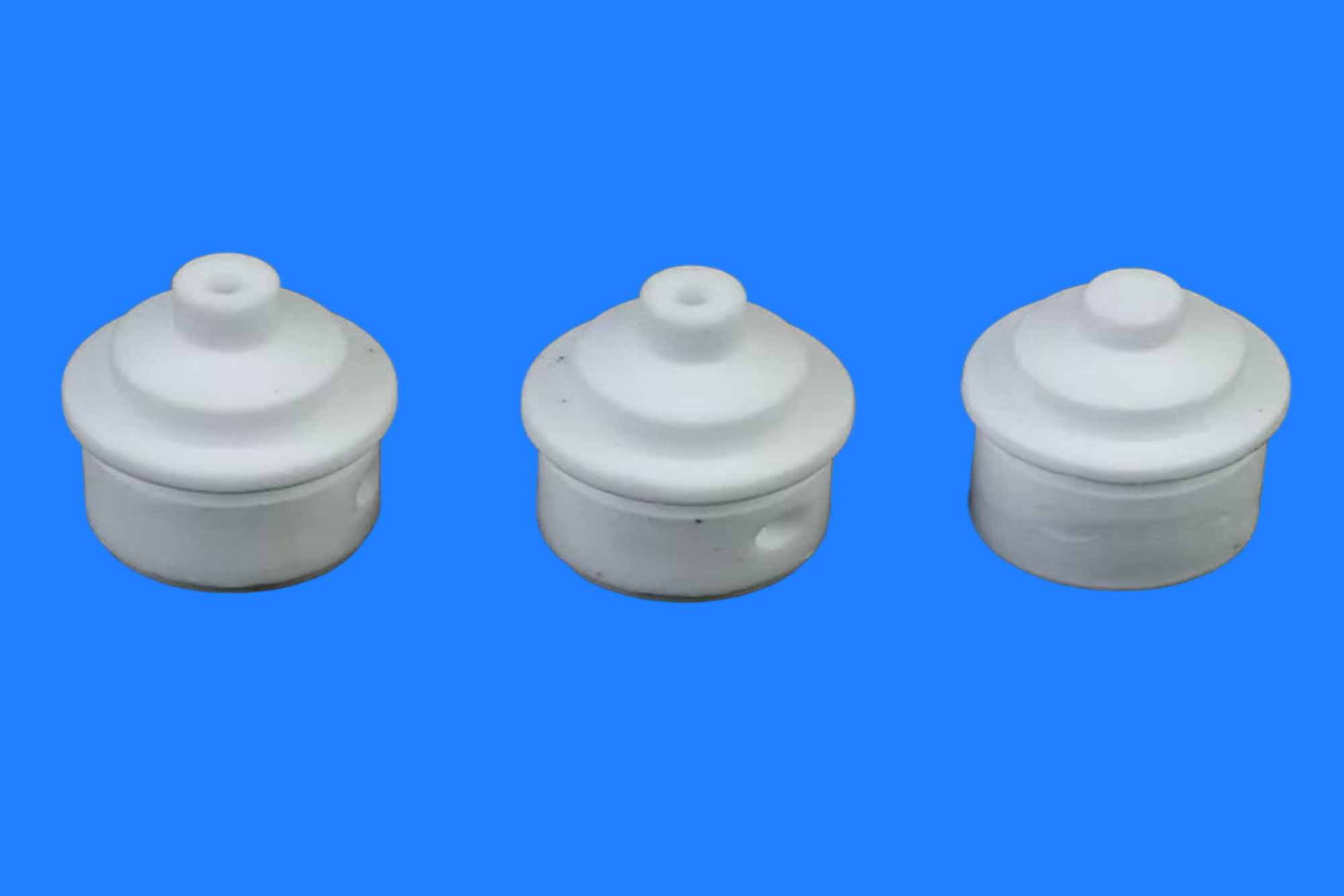
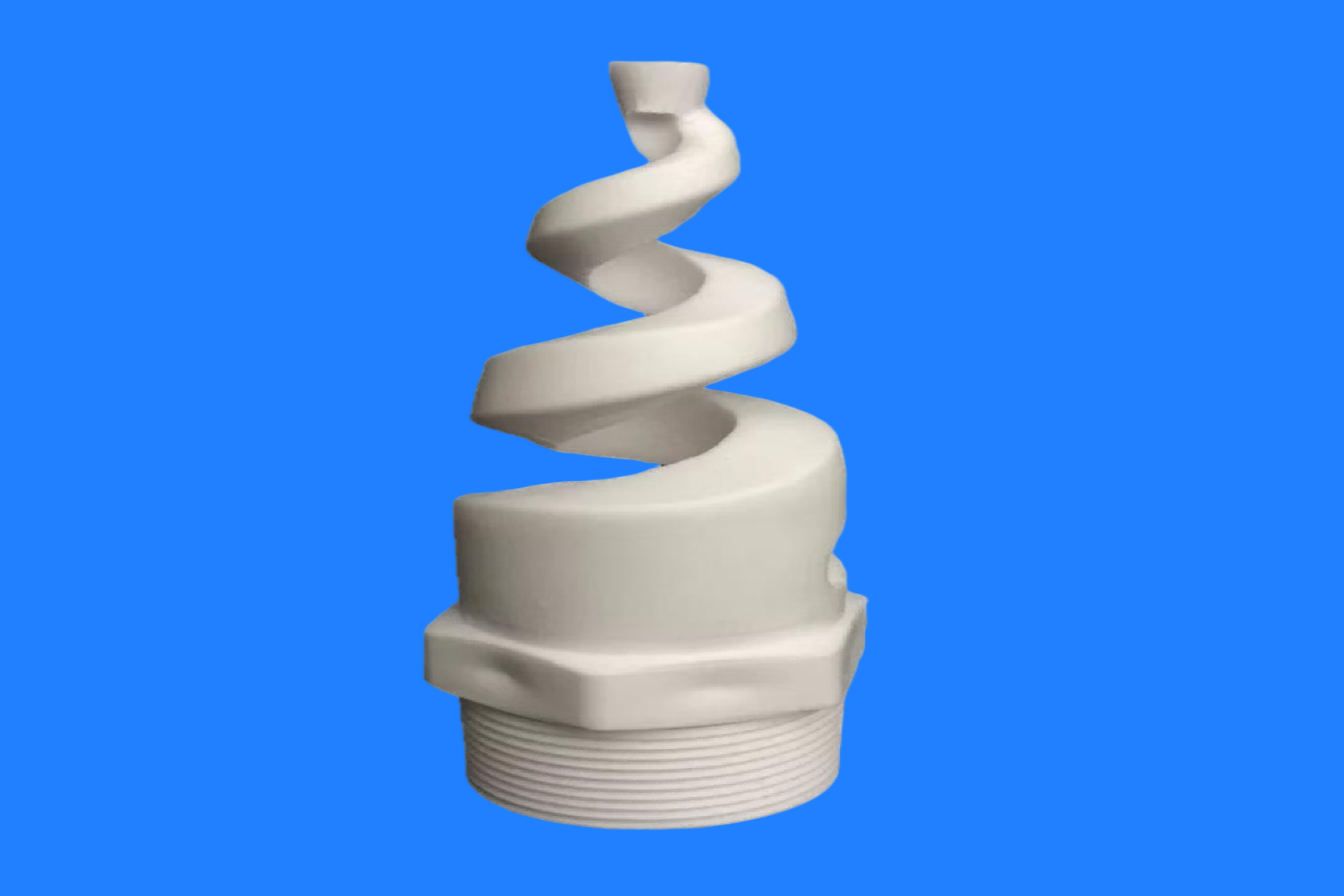
Al₂O₃ Atomizing Nozzle is industrial-grade atomization components precision-manufactured from high-purity alumina (Al₂O₃) ceramic material. By combining the superior properties of advanced ceramics with precision fluid-dynamic designs for atomization, these nozzles deliver efficient, uniform, and stable atomization performance even under extreme operating conditions. Widely used in applications such as flue gas treatment, chemical reactions, industrial cooling, and precision spraying, they serve as an ideal upgrade to traditional metal and alloy nozzles, significantly extending equipment service life, reducing maintenance costs, and enhancing process efficiency.
High Corrosion-resistant Al₂O₃ Ceramic Atomizing Nozzle for Environmental Industry
Product Description
The ceramic nozzle body of this Ceramic Atomising Nozzle boasts a Mohs hardness of 9; the precision central micro-orifice maintains a constant diameter despite prolonged fluid erosion, ensuring long-term stability in atomization flow rates and droplet sizes. The alumina material is chemically inert, resistant to various corrosive acidic and alkaline atomizing agents, and capable of continuous operation at temperatures up to 900°C without cracking, even amidst the rapid thermal fluctuations typical of flue gas environments. The dense, smooth ceramic surface resists mineral scaling and minimizes the risk of orifice clogging. Furthermore, the material offers excellent electrical insulation and releases no metal ions, making it suitable not only for high-temperature flue gas quenching in incinerators and the atomization of corrosive chemicals but also for high-purity atomization and humidification in lithium-battery manufacturing and electronics cleanrooms. With a comprehensive performance profile characterized by high hardness, corrosion resistance, high-temperature tolerance, and precision atomization, alumina ceramic nozzles are rapidly replacing traditional metal nozzles across the power generation, environmental protection, chemical, and metallurgical industries. They represent not merely an upgrade to a single component, but a holistic improvement in the reliability, cost-effectiveness, and environmental sustainability of the entire process system.
Key Material Properties
High-purity alumina ceramics (Al₂O₃ ≥ 95%)
| Performance Indicators | Typical Parameters | Industrial Significance |
| Mohs Hardness | level 9 (close to diamond) | wear-resistance far exceeds that of metal, with a service life 5 to 20 times longer. |
| Density | 3.6–3.9 g/cm³ | dense structure, high resistance to penetration. |
| Compressive Strength | ≥ 2500 MPa | capable of withstanding high-pressure spraying conditions. |
| Operating Temperature | -50℃ ~ 1600℃ | suitable for high-temperature flue gas and rapid cooling environments. |
| Chemical Stability | resistant to strong acids and strong alkalis (except hydrofluoric acid) | suitable for corrosive environments such as desulfurization and denitrification. |
| Surface Roughness | Ra ≤ 0.4 μm (after precision machining) | smooth flow channels reduce scaling and clogging. |
Atomization Mechanism and Structural Configuration
Alumina ceramic atomizing nozzles offer various atomization configurations tailored to specific operating conditions:
1. Spiral Tangential Atomization
liquid enters a spiral flow channel tangentially, forming a hollow or solid cone-shaped spray pattern under centrifugal force. The channel features a coreless, dead-zone-free design with excellent anti-clogging performance, making it suitable for atomizing slurries with high solids content.
2. Pressure Atomization
mechanical atomization is achieved using the liquid's own pressure as it passes through a precision-machined, constricted flow channel. This compact design produces uniform droplet sizes and is suitable for clean liquids and low-to-medium pressure applications.
3. Impingement Atomization
multiple liquid streams collide—either inside the nozzle or at the outlet—breaking apart into fine droplets. This method yields small droplet sizes with a narrow distribution, making it ideal for precision processes requiring ultra-fine atomization.
4. Modular Atomization Systems
ceramic nozzles of different structural types can be combined modularly to meet specific process requirements, enabling complex spray schemes such as zoned coverage and gradient atomization.
Product Advantages
1.Exceptionally Long Service Life
alumina ceramics possess extreme hardness; in environments involving slurry jets containing solid particles, their wear rate is merely one-tenth to one-fiftieth that of metal nozzles. Taking limestone-gypsum desulfurization as an example, ceramic nozzles can last 2 to 5 years, whereas alloy nozzles typically last only 3 to 6 months.
2.Stable Atomization Performance
ceramic materials are resistant to corrosion, oxidation, and thermal deformation. The dimensions of the flow channel remain precise and consistent over the long term, ensuring that the spray angle, flow rate, and droplet size remain stable and controllable throughout the product's entire lifecycle.
3.Superior Corrosion Resistance
they withstand attack by highly corrosive ions—such as Cl⁻, SO₄²⁻, and F⁻—found in desulfurization slurries, as well as chemical corrosion from denitrification media like aqueous ammonia and urea solutions, fundamentally eliminating the perforation issues associated with metal nozzles.
4.High Efficiency and Energy Savings
the smooth inner walls of the ceramic flow channel (Ra ≤ 0.4 μm) significantly reduce fluid resistance. This allows for higher flow rates or finer atomization at the same pressure, thereby lowering energy consumption for pumping.
5.Broad Media Compatibility
they are suitable for handling water, acidic and alkaline solutions, slurries, oils, and high-viscosity liquids, and are resistant to clogging caused by crystallization or coking of the medium.
Product Applications
2.Industrial cooling and dust removal
direct cooling of high-temperature flue gas
workshop dust suppression and settling
cooling for casting and heat treatment processes
3.Chemical industry and environmental protection
uniform liquid distribution in absorption and scrubbing towers
feed injection for waste gas treatment chemical reactors
aeration and chemical dosing in wastewater treatment
4.Metallurgy and Power Generation
Blast furnace gas cleaning and cooling
electrostatic precipitator plate humidification
boiler ash and slag removal/cleaning
5.Precision Manufacturing
precision cleaning of electronic components
spray Drying for food and pharmaceuticals
specialty coating application
Technical Specifications
Selection and Usage Guide
1.Selection Criteria
medium analysis: determine the liquid composition, temperature, solids content (percentage), and corrosivity; select the appropriate purity grade of alumina material.
process requirements: define the target droplet size, coverage area, flow rate, and system pressure.
structural matching: choose spiral-type nozzles for high solids content, pressure-type for clean liquids, and impingement-type for ultra-fine atomization.
installation conditions: verify piping connection standards, spatial layout, and vibration-proofing requirements.
2.Installation and Maintenance Recommendations
handle with care: ceramics are brittle materials; avoid dropping or impacts from hard objects.
uniform tightening:uUse a torque wrench for threaded connections to prevent cracking caused by uneven stress.
regular cleaning: establish a cleaning schedule based on the medium's properties to prevent scale buildup in flow channels, which could impair atomization performance.
spare parts management: maintain an adequate stock of spare parts for critical stations to ensure continuous production.
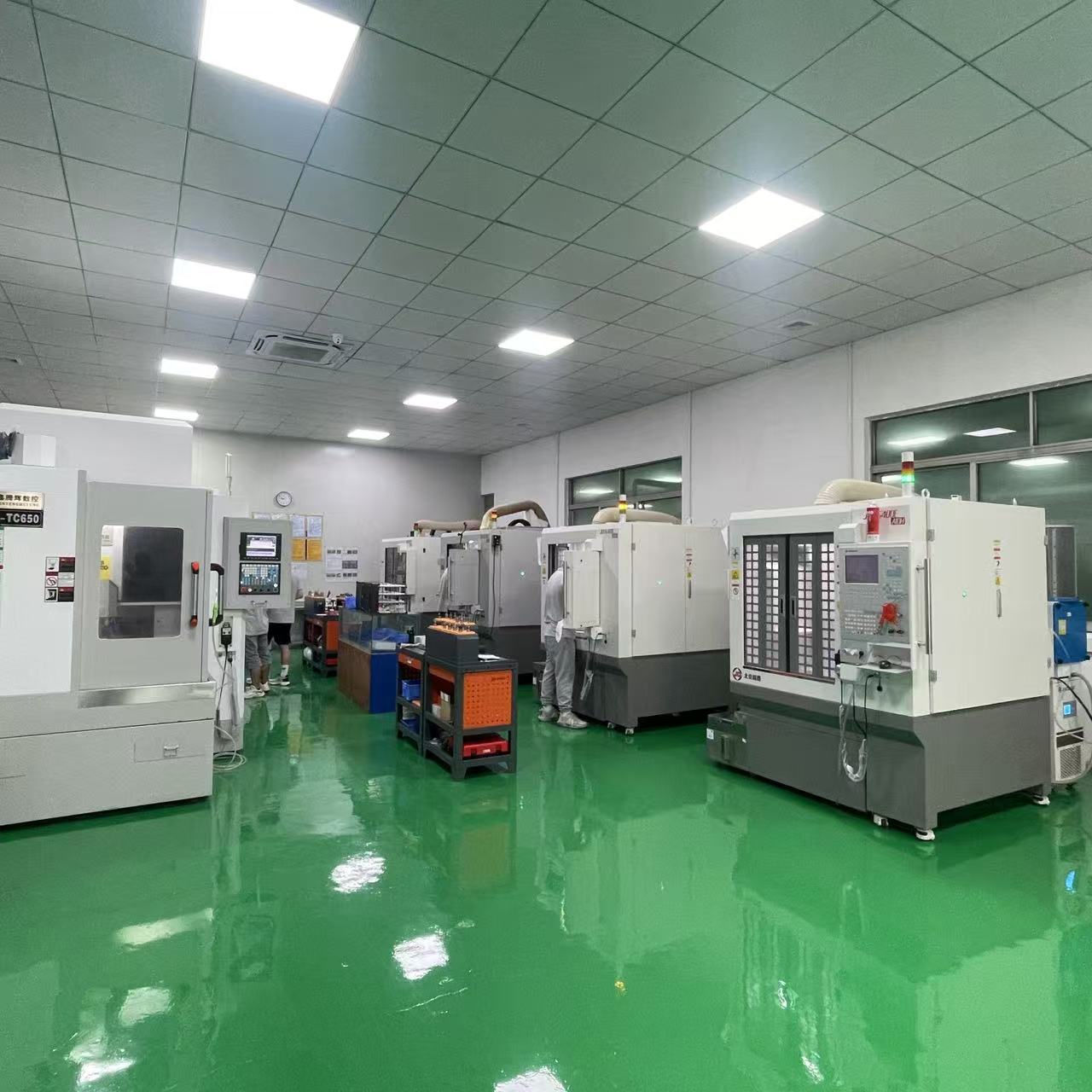
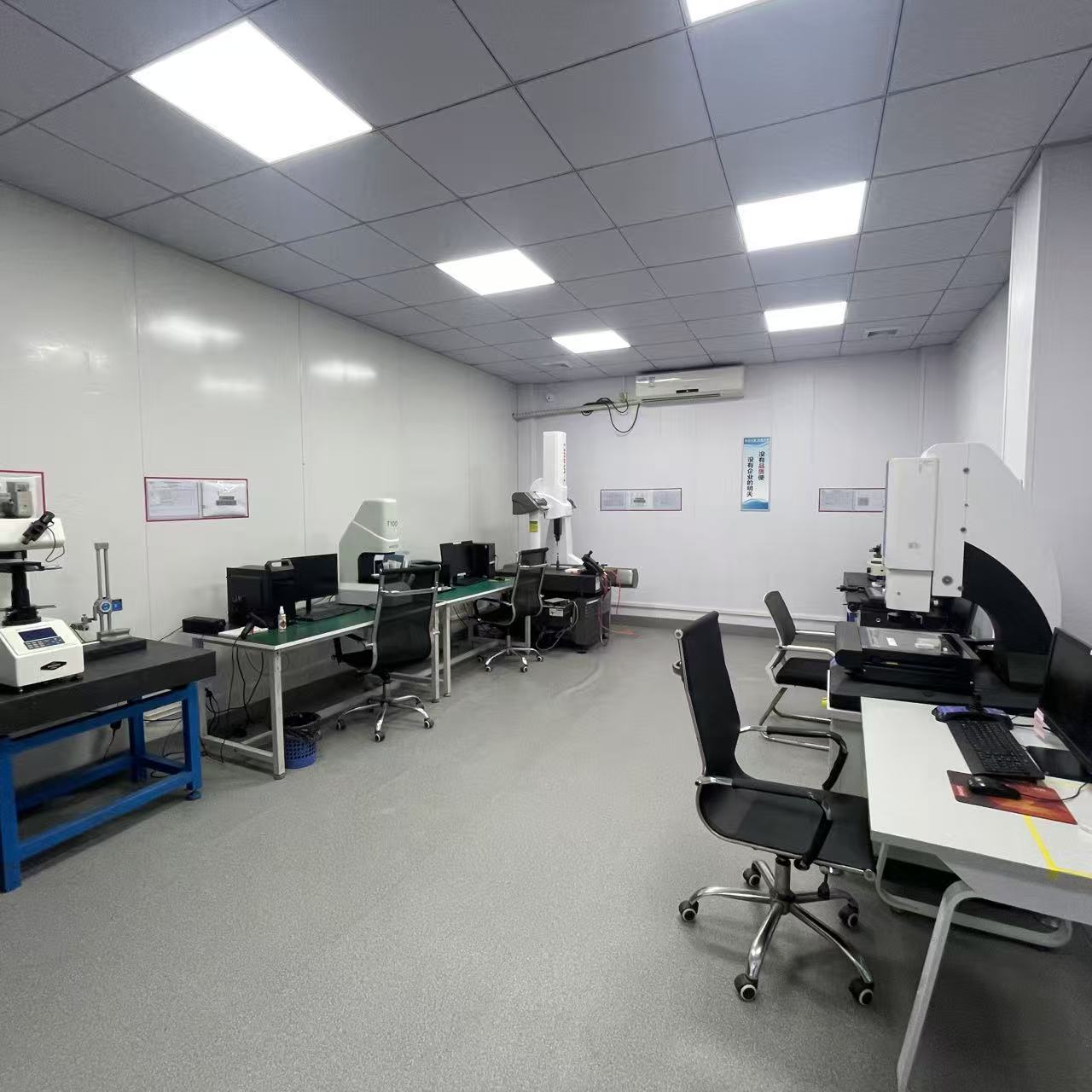
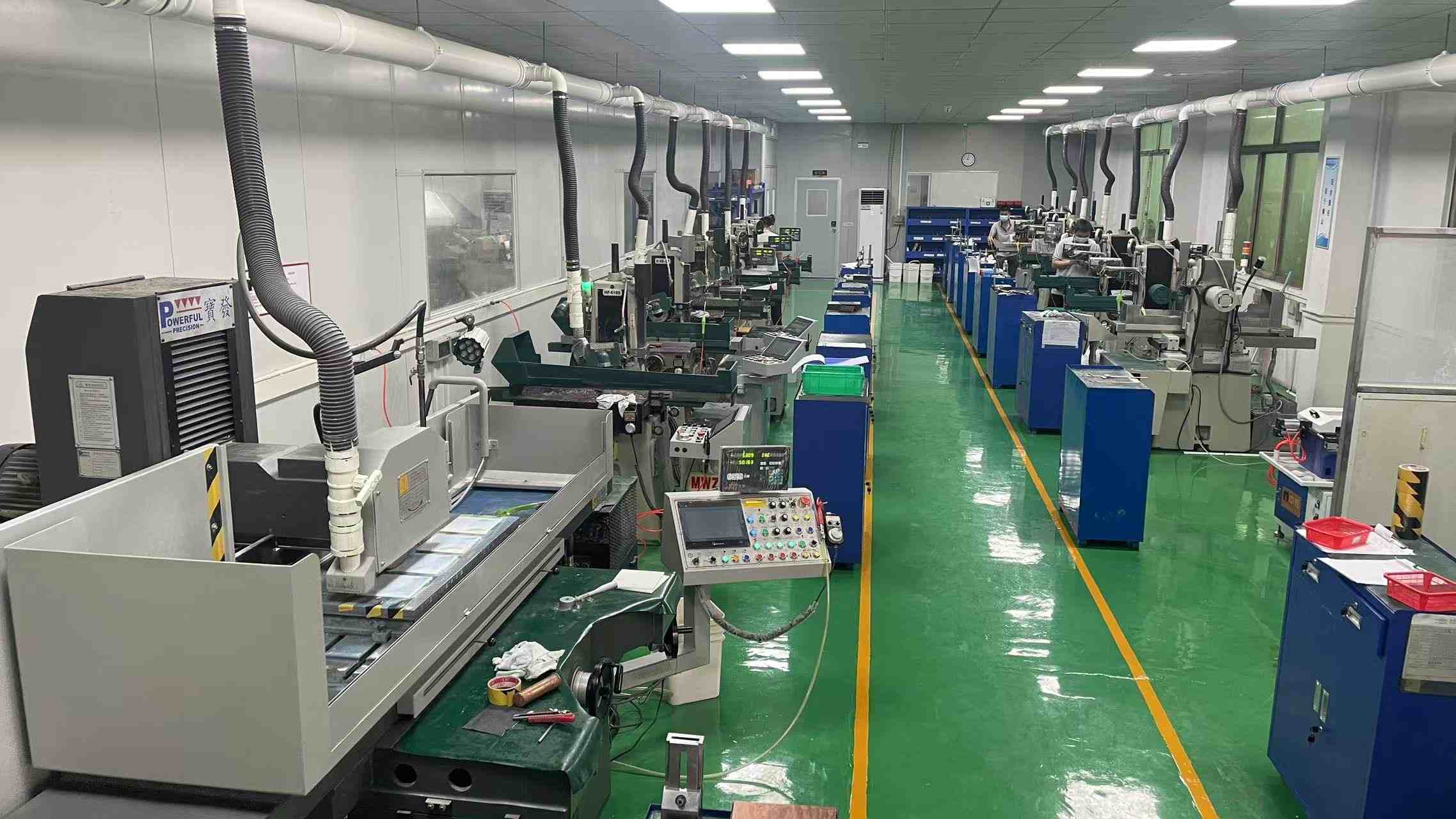
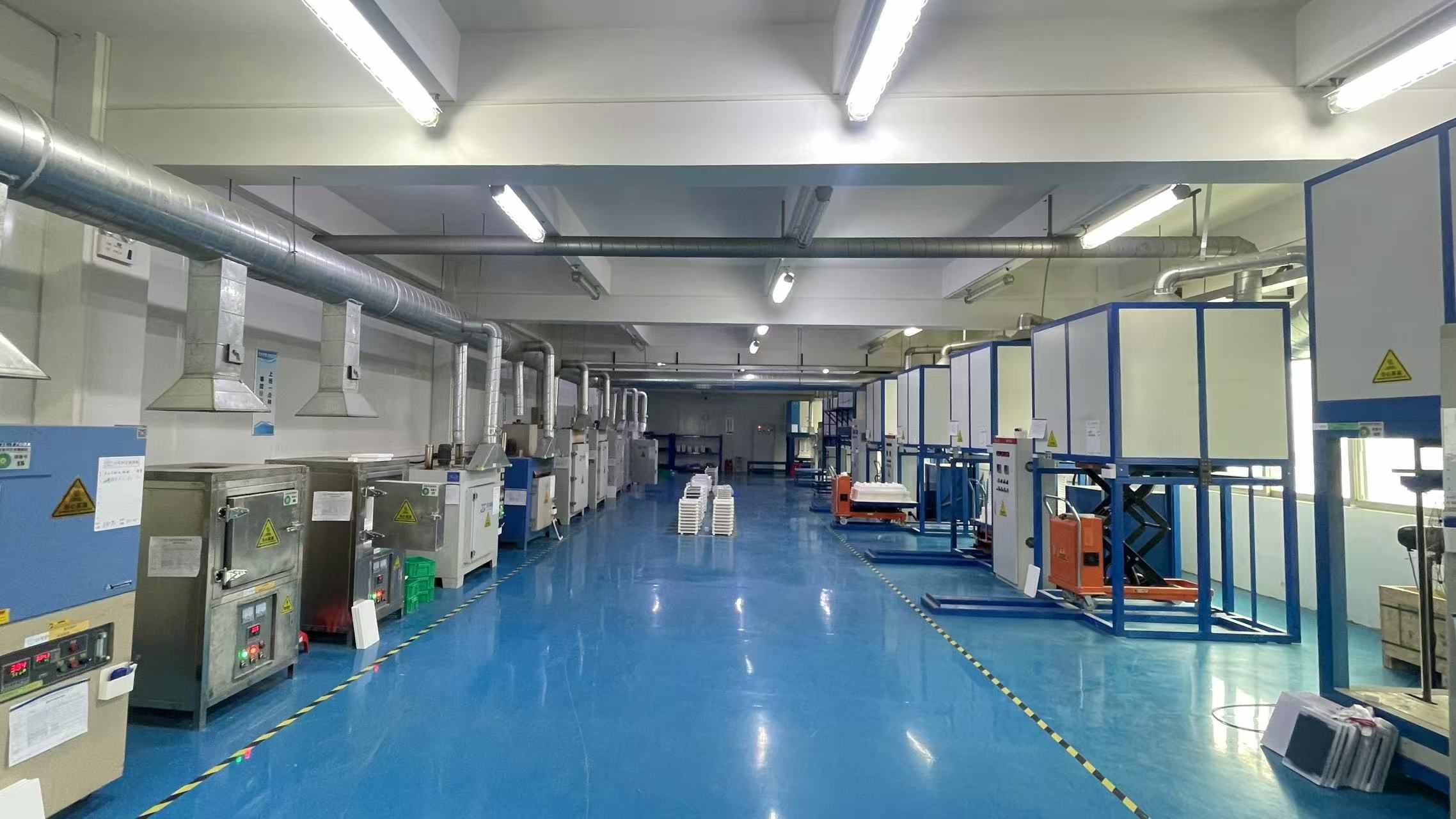
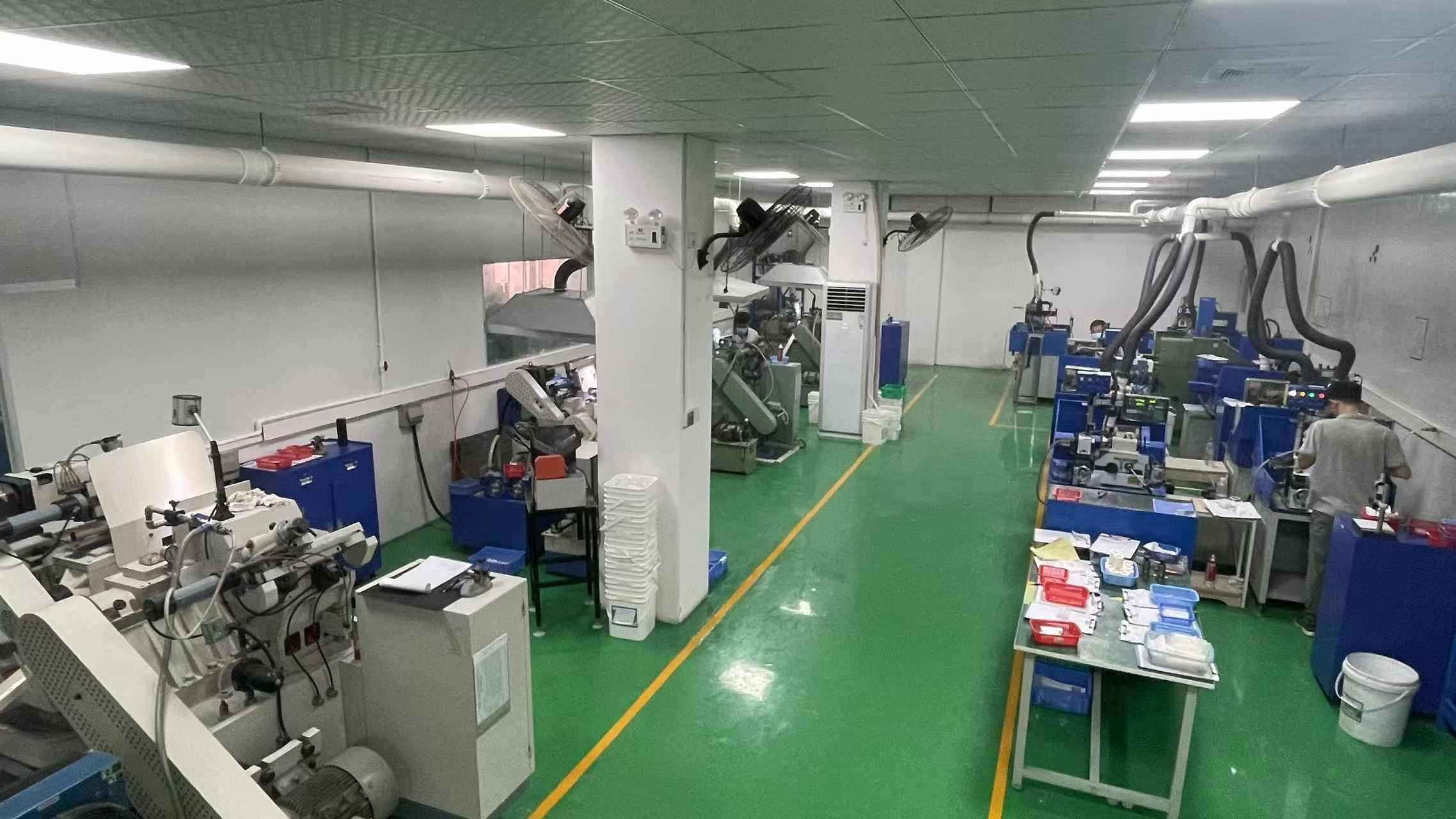
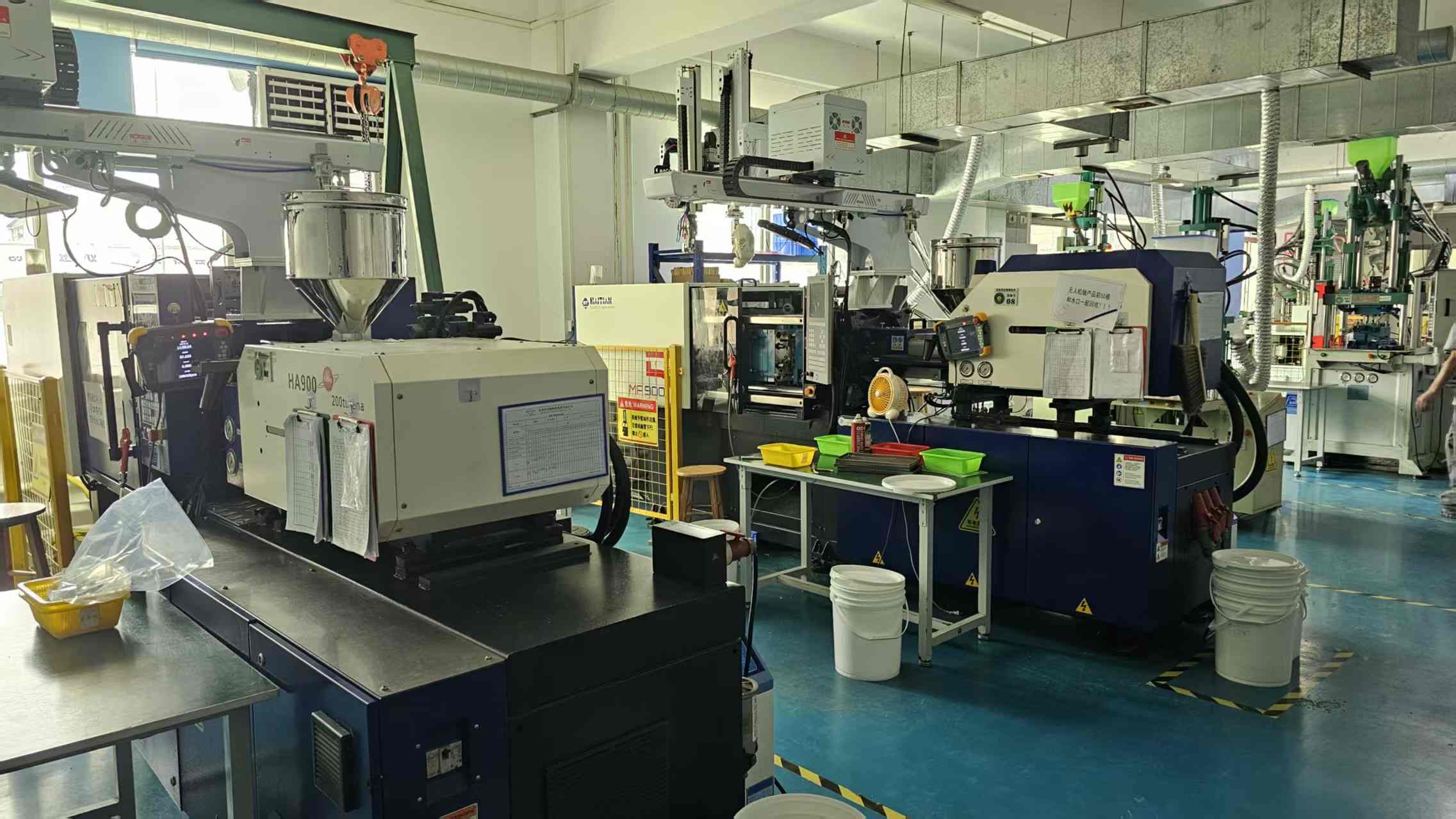
Our workshop
|
CNC Workshop |
Testing Room |
|
Surface grinding Workshop |
Sintering Workshop |
|
Circular Grinding Workshop |
Injection molding Machine Workshop |
Why choose us?
1.Customized R&D, rather than standard product adaptation
2.Deep control of materials science:Material Selection Based on Needs,Microstructure Optimization,Batch Consistency
3.Precision machining capability:Flatness can reach 0.001mm, parallelism 0.002mm, and roughness Ra 0.1μm.
FAQ
Q1: What products does your company offer?
We specialize in high-performance ceramics such as alumina and silicon nitride, providing insulators, structural components, wear-resistant parts, and customized solutions.
Q2: Can you customize non-standard parts?
Yes. We support processing based on provided drawings and collaborative technical development, offering a full-process service from design to mass production.
Q3: What about accuracy and delivery time?
Standard tolerance ±0.05mm, precision grade ±0.01mm; samples 7-15 days, bulk orders 20-30 days.
Q4: Main application areas?
Power, electronics, machinery, chemical, and aerospace industries.
Q5: Quality assurance measures?
Full-process quality inspection, providing material reports and performance test data, supporting third-party certification and testing.
Q6: Do you provide technical support?
We provide professional support such as material selection consultation, design optimization, and failure analysis.



 IPv6 network supported
Leave A Message
Scan to Wechat :

Scan to WhatsApp :