Leave A Message
If you are interested in our products and want to know more details,please leave a message here,we will reply you as soon as we can.


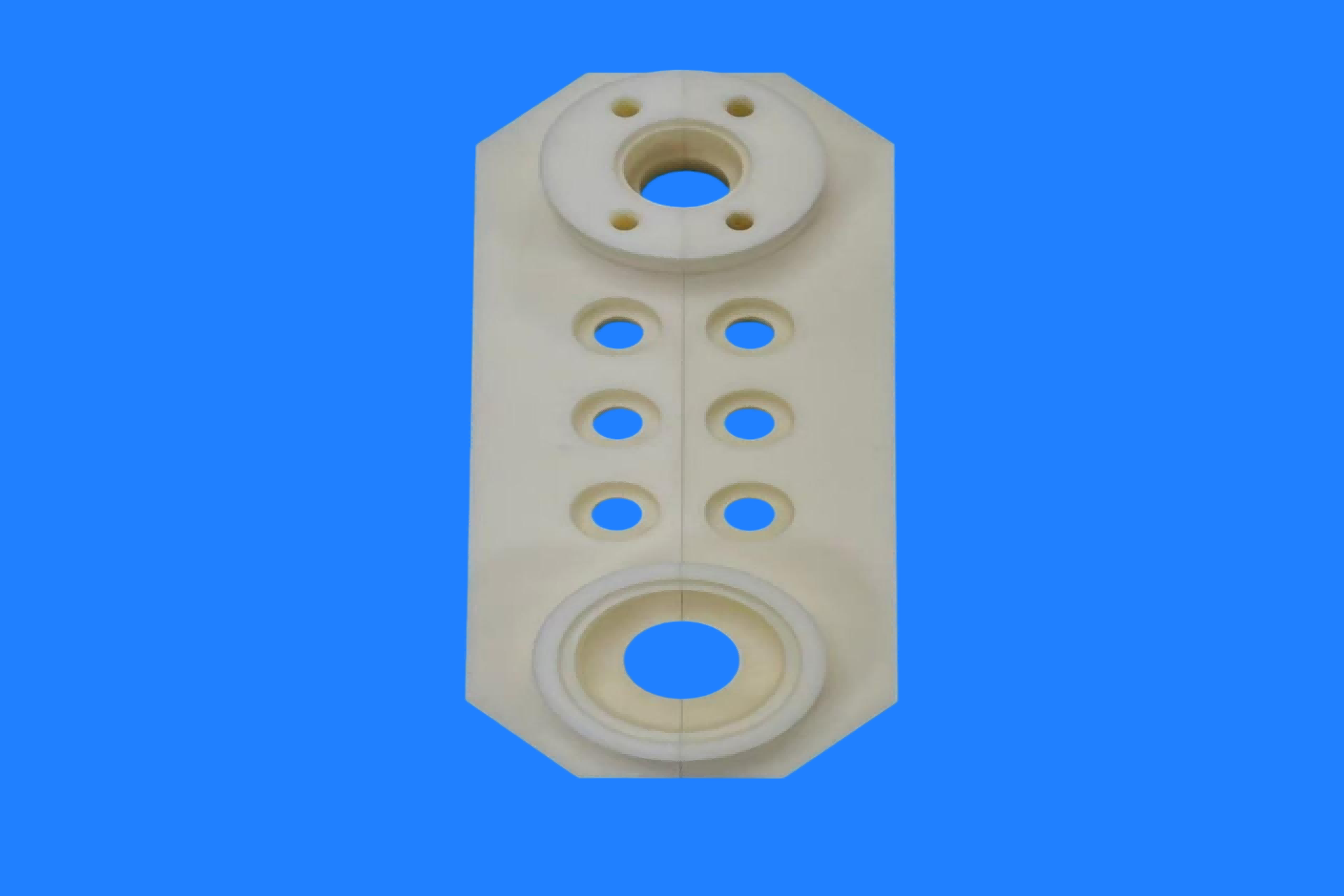
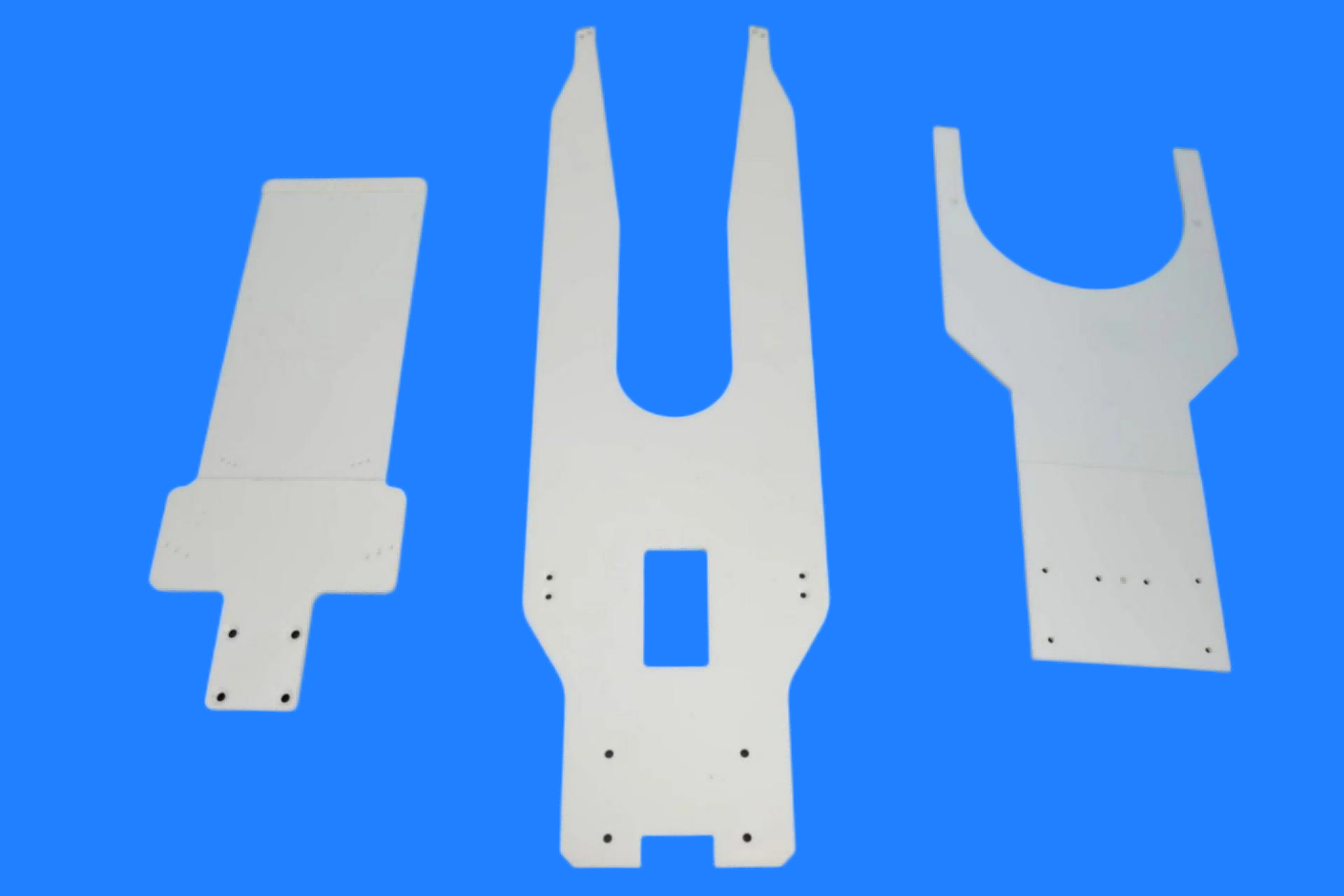
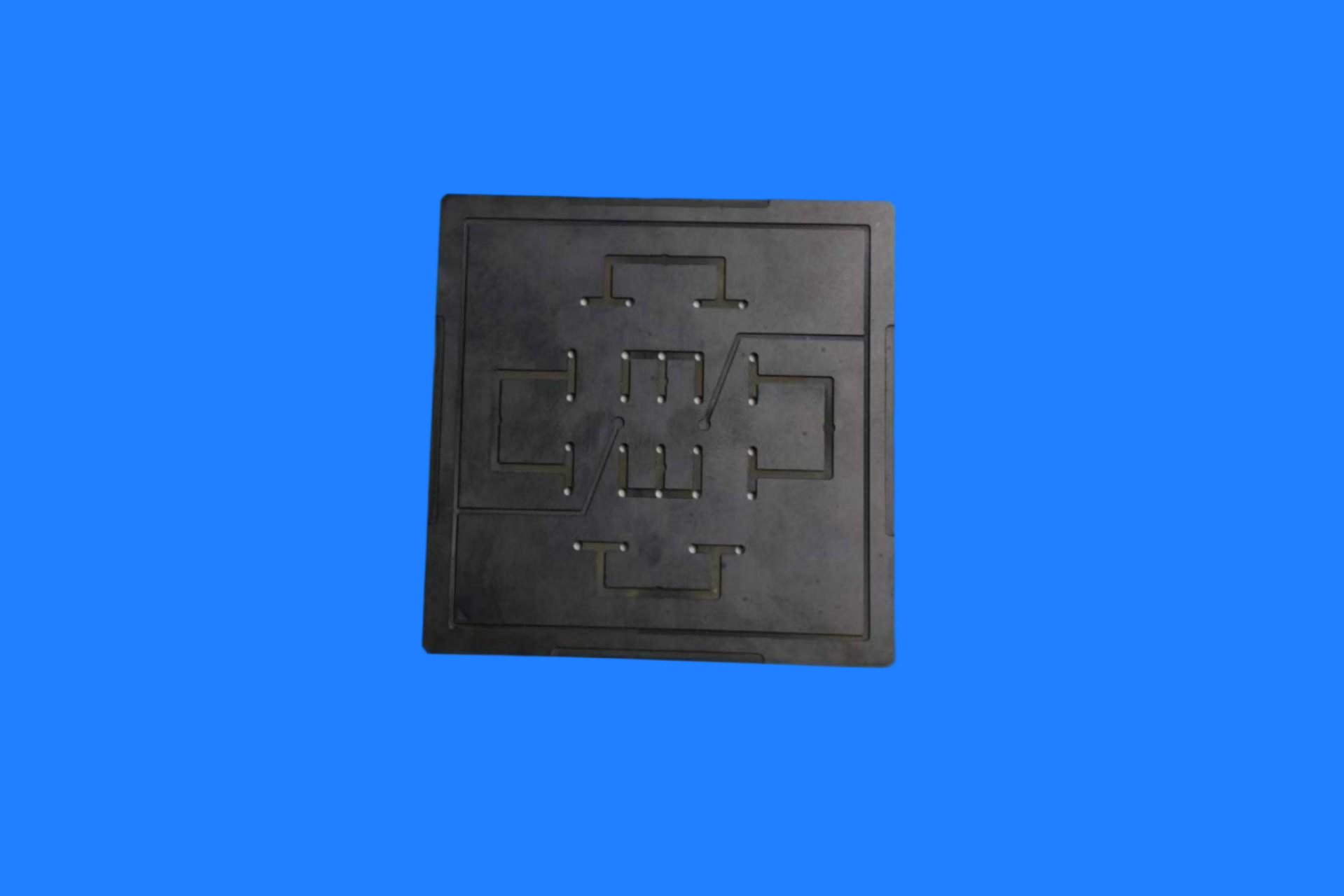
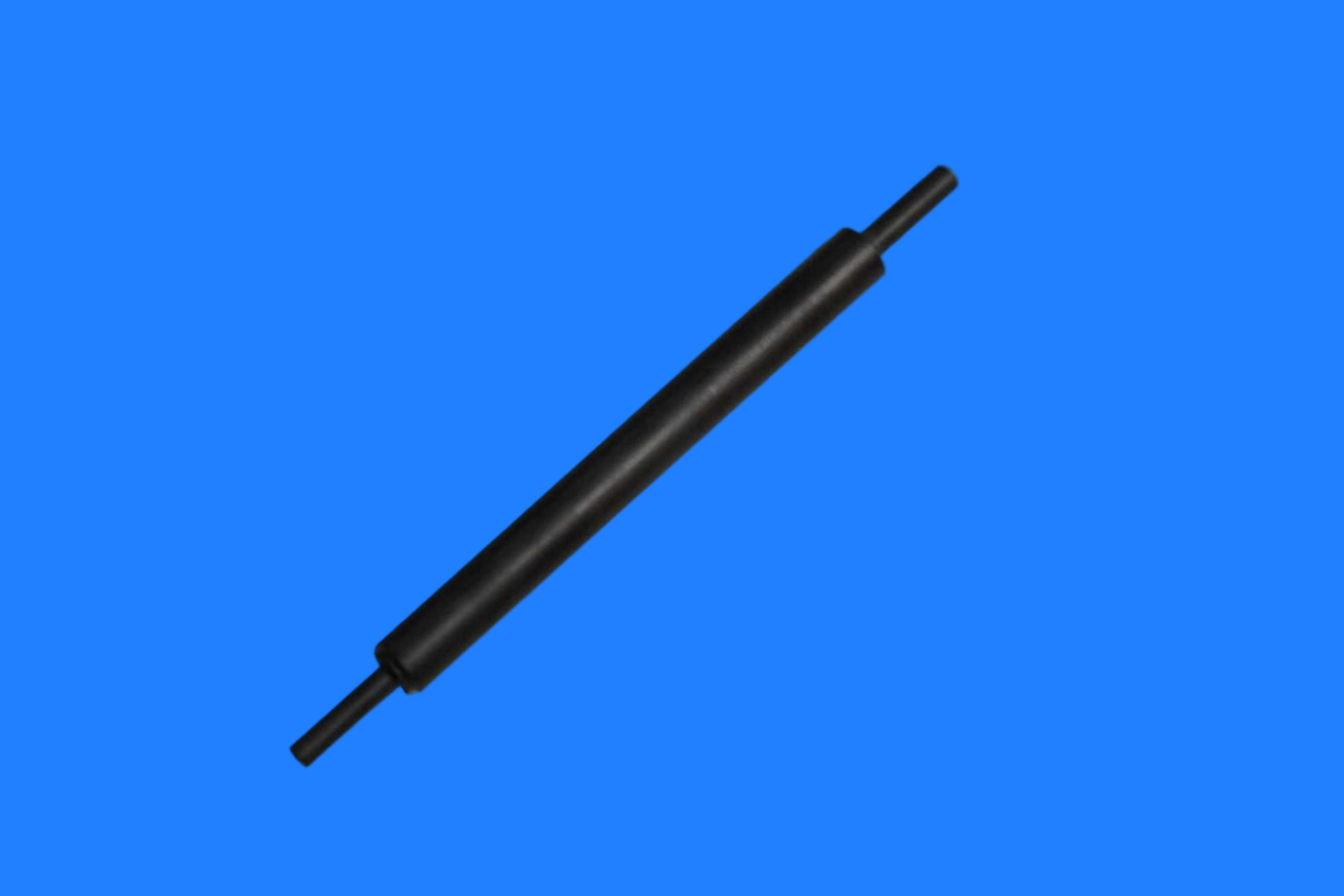
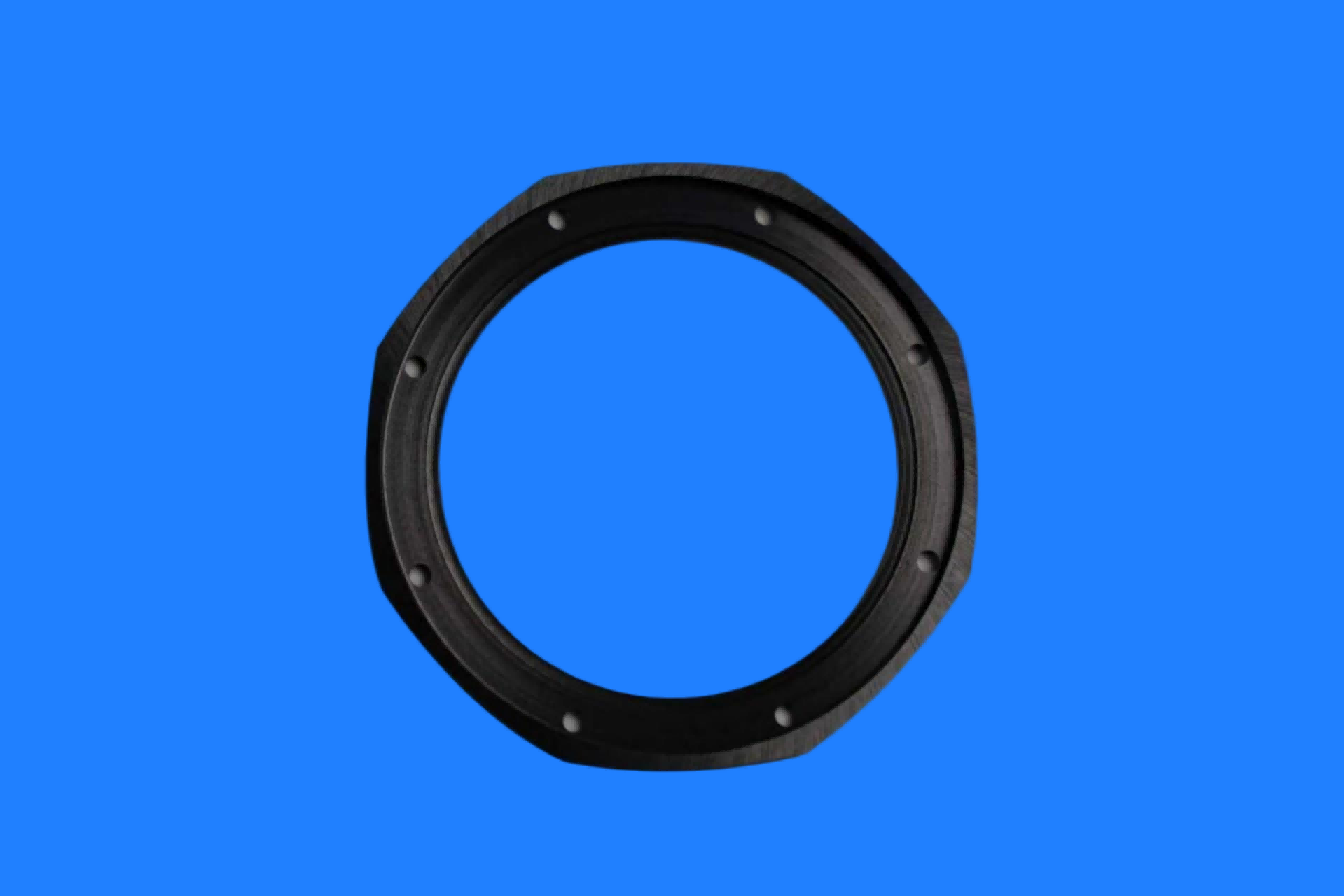
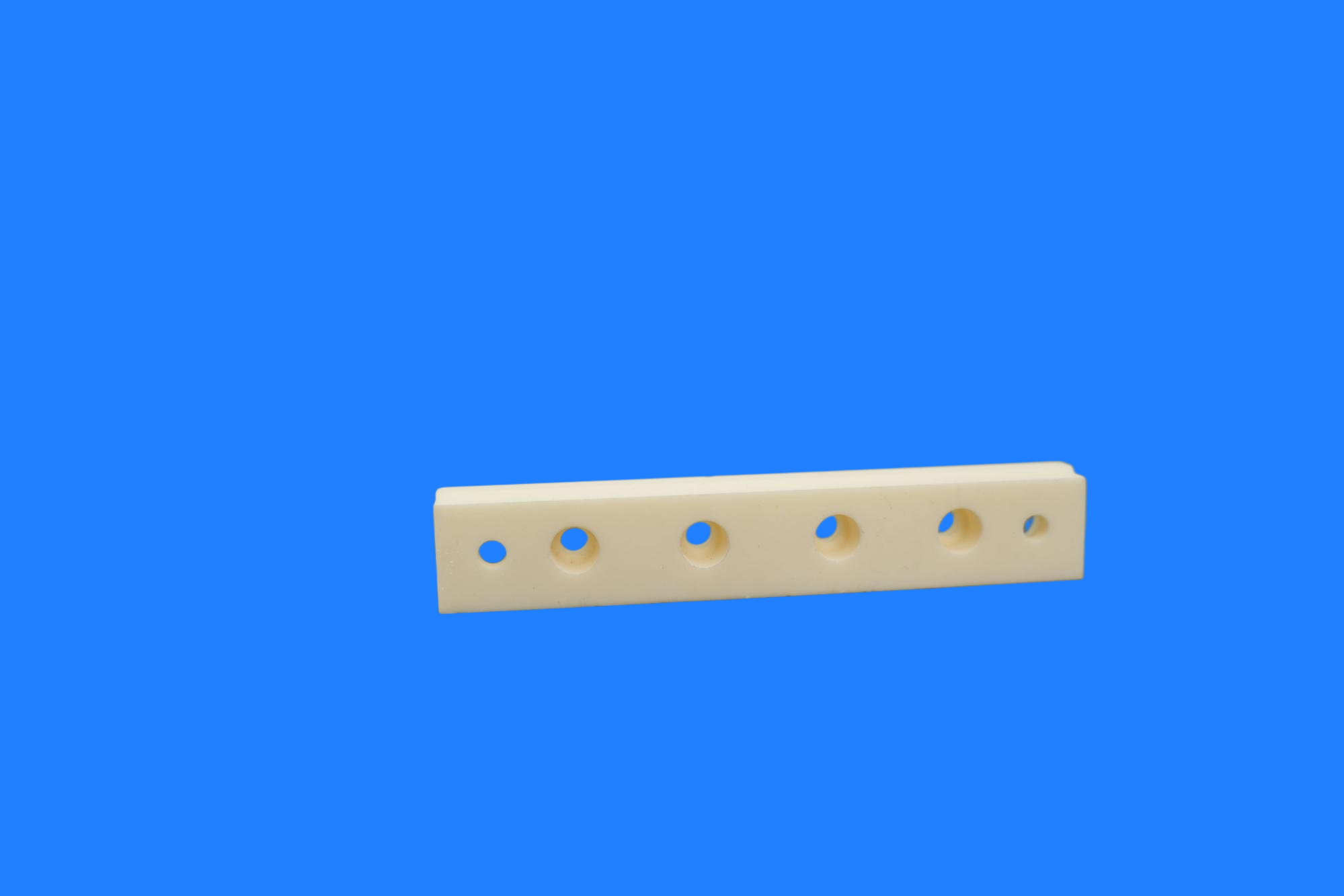
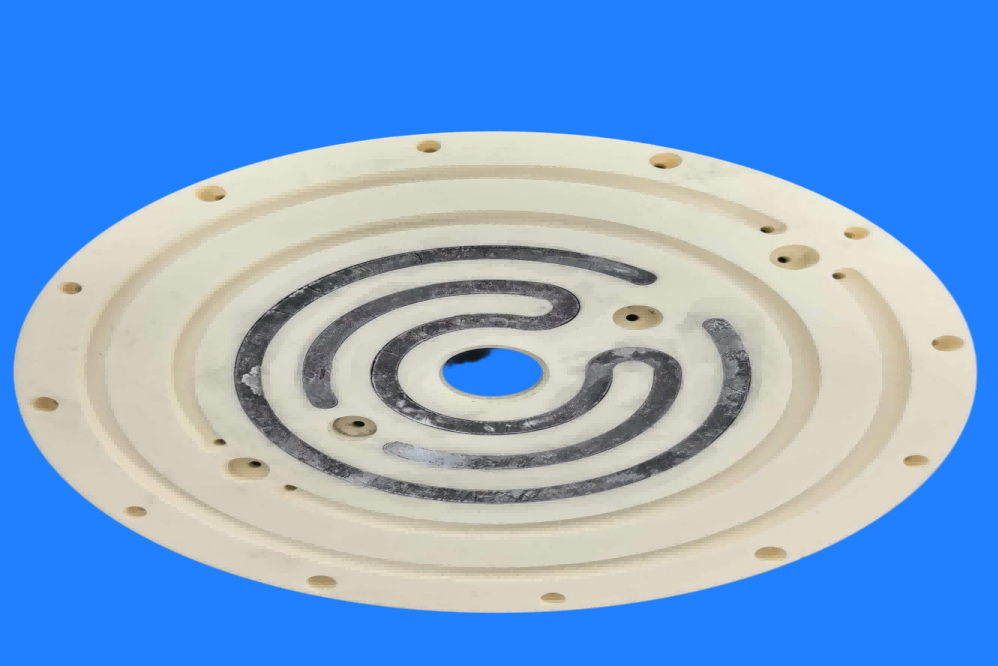
The Al₂O₃ Ceramic Chuck Sheet for Welding Machine is specially designed for resistance welding and ultrasonic welding applications. Through advanced structural design such as localized metallization, it achieves a precise balance between electrical conductivity for current or energy transmission and thermal insulation to minimize heat loss. This Alumina Ceramic Chuck Fixture ensures stable welding performance while protecting the chuck and machine from excessive heat.
Al2O3 Ceramic Chuck Sheet for Welding Machine
During welding, the Aumina Aluminium oxide chuck needs to be electrically conductive to transmit welding current (resistance welding) or ultrasonic energy, while simultaneously being thermally insulated to prevent heat loss to the chuck itself and the machine. Our Aumina Aluminium oxide chuck fixture can perfectly balance this contradiction through clever design (such as localized metallization).
Product Advantage
|
Comparison items
|
Metal chuck |
Ceramic chuck |
|
Thermal conductivity
|
High temperature results in rapid heat loss, leading to low workpiece heating efficiency and the risk of scalding the equipment. | Extremely low heat concentration at the weld seam results in high efficiency and equipment protection. |
|
Conductivity control
|
Current may be shunted, requiring complex insulation design. | Naturally insulating, with precise energy conduction. |
|
High temperature performance
|
It is easily oxidized, softened, and adheres to workpieces. | Stable, non-sticky, and durable. |
|
Maintenance requirements
|
It requires frequent repair, cleaning, and replacement. | It has a long maintenance cycle and a significantly extended service life. |
Typical Application Scenarios
Scenario 1: Microelectronics Gold Ball Soldering
Ceramic chucks precisely fix chips, insulation prevents electrostatic breakdown, and high-temperature resistance withstands welding temperatures, ensuring consistent solder joints.
Scenario 2: Medical Device Laser Welding
High-purity ceramic materials prevent contamination, dimensional stability ensures mass production precision, and corrosion resistance meets medical-grade sterilization requirements.
Scenario 3: Automotive Sensor Packaging
Thermal shock resistance adapts to rapid temperature changes on the production line, and mechanical strength ensures long-term clamping without deformation, improving production yield.
Selection Guide
| Application requirements | Recommended materials | Key parameters |
| Ultra-high temperature environment | Si₃N₄ | Temperature resistance >1600°C |
| High insulation requirements | Al₂O₃ | Dielectric strength >18kV/mm |
| Highly corrosive environment | ZrO₂ | Chemical inertness is optimal |
| High mechanical strength | Toughened ZrO₂ |
Flexural strength > 800 MPa |
Why choose us
1.Customized R&D, rather than standard product adaptation
2.Deep control of materials science:Material Selection Based on Needs,Microstructure Optimization,Batch Consistency
3.Precision machining capability:Flatness can reach 0.001mm, parallelism 0.002mm, and roughness Ra 0.1μm.
Customer Success Stories
1.A Leading IGBT Module Manufacturer
Challenge: Traditional metal chucks deform during high-temperature vacuum welding, resulting in a product yield of only 85%.
Solution: Customized silicon nitride ceramic chucks with optimized thermal expansion coefficients.
Results: Yield increased to 98.5%, saving over 3 million RMB in rework costs annually.
2.A Medical Device Company
Challenge: Implantable sensor welding requires zero magnetic interference and biocompatibility.
Solution: High-purity alumina ceramic + special surface treatment.
Results: Passed FDA certification review, becoming its exclusive supplier.
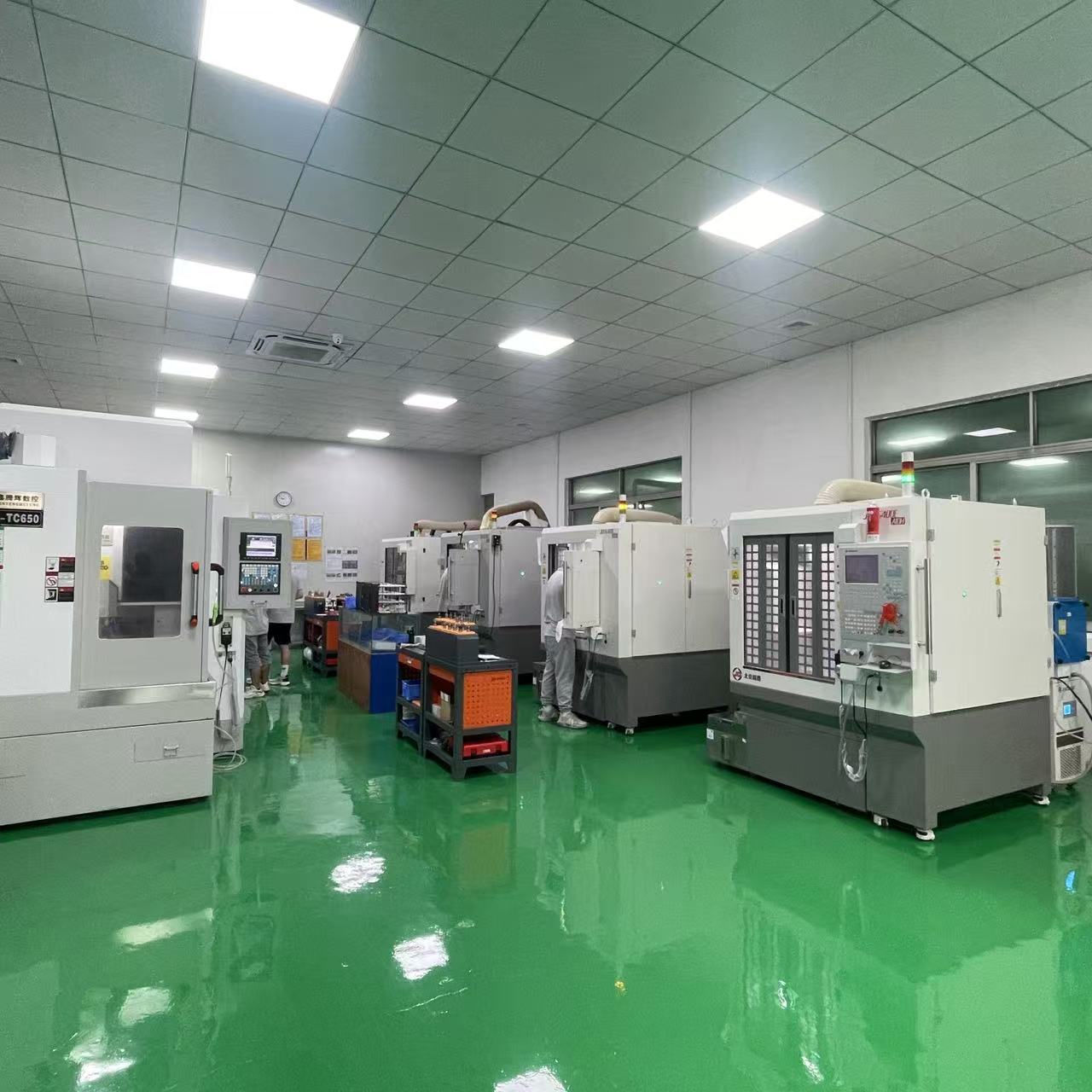
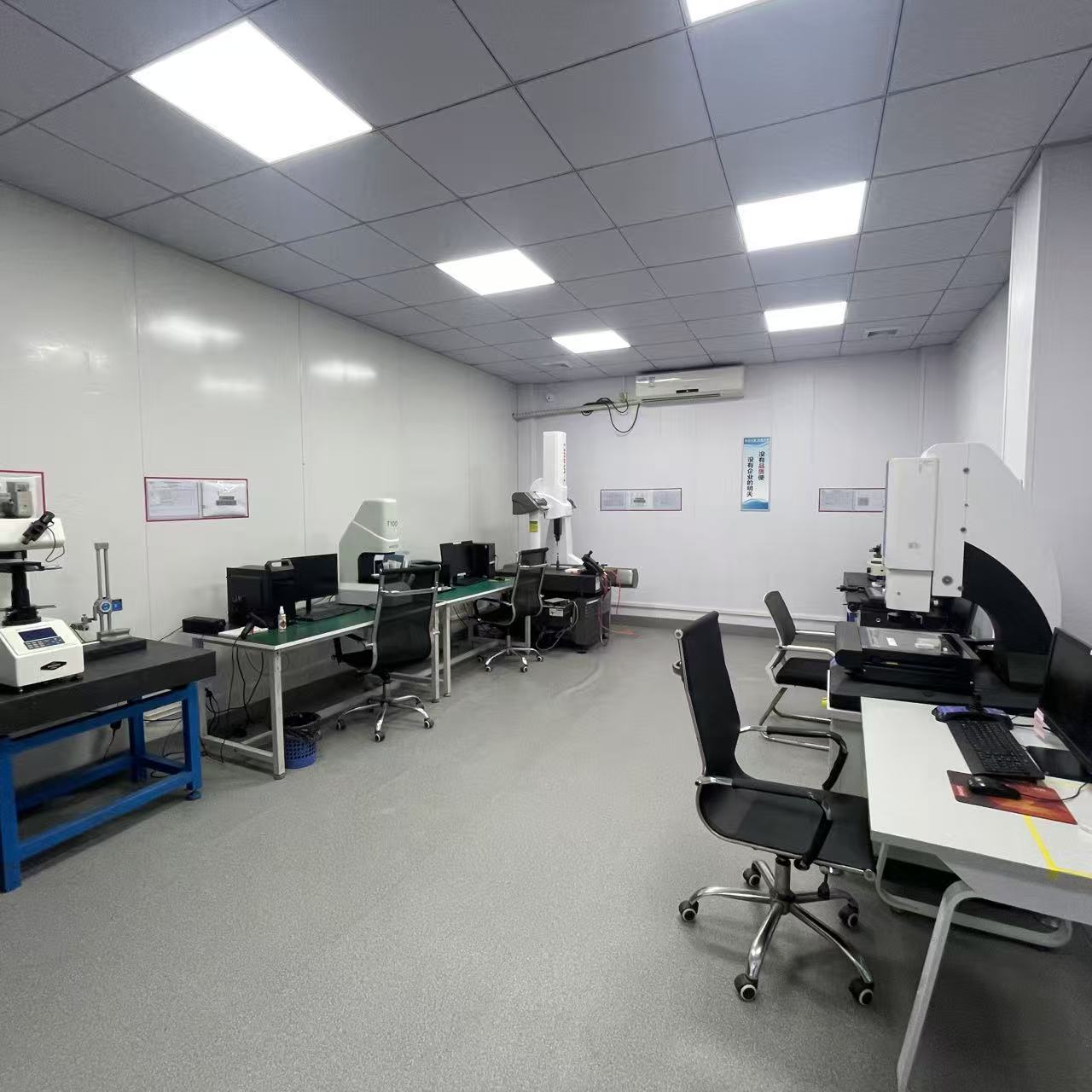
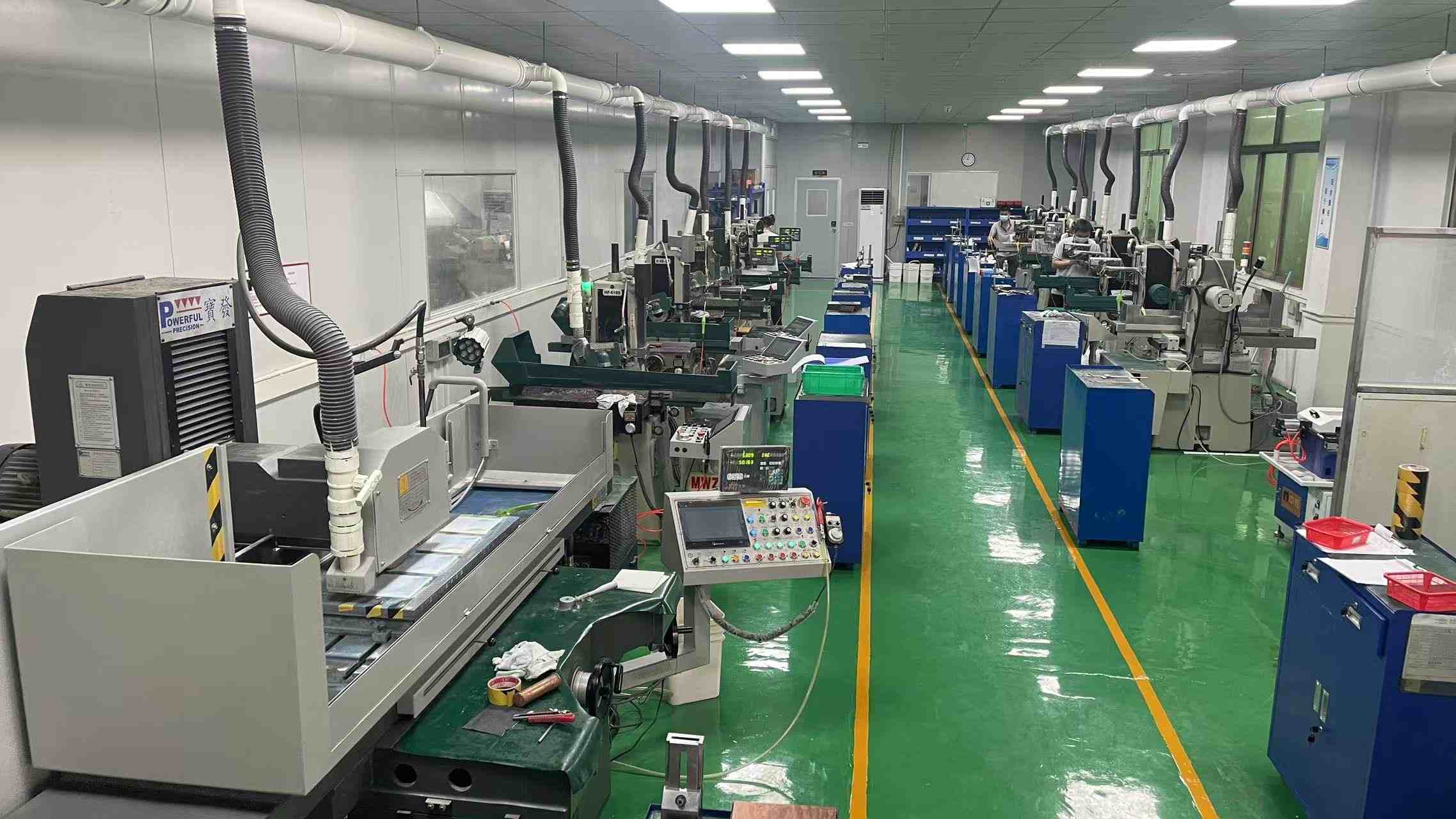
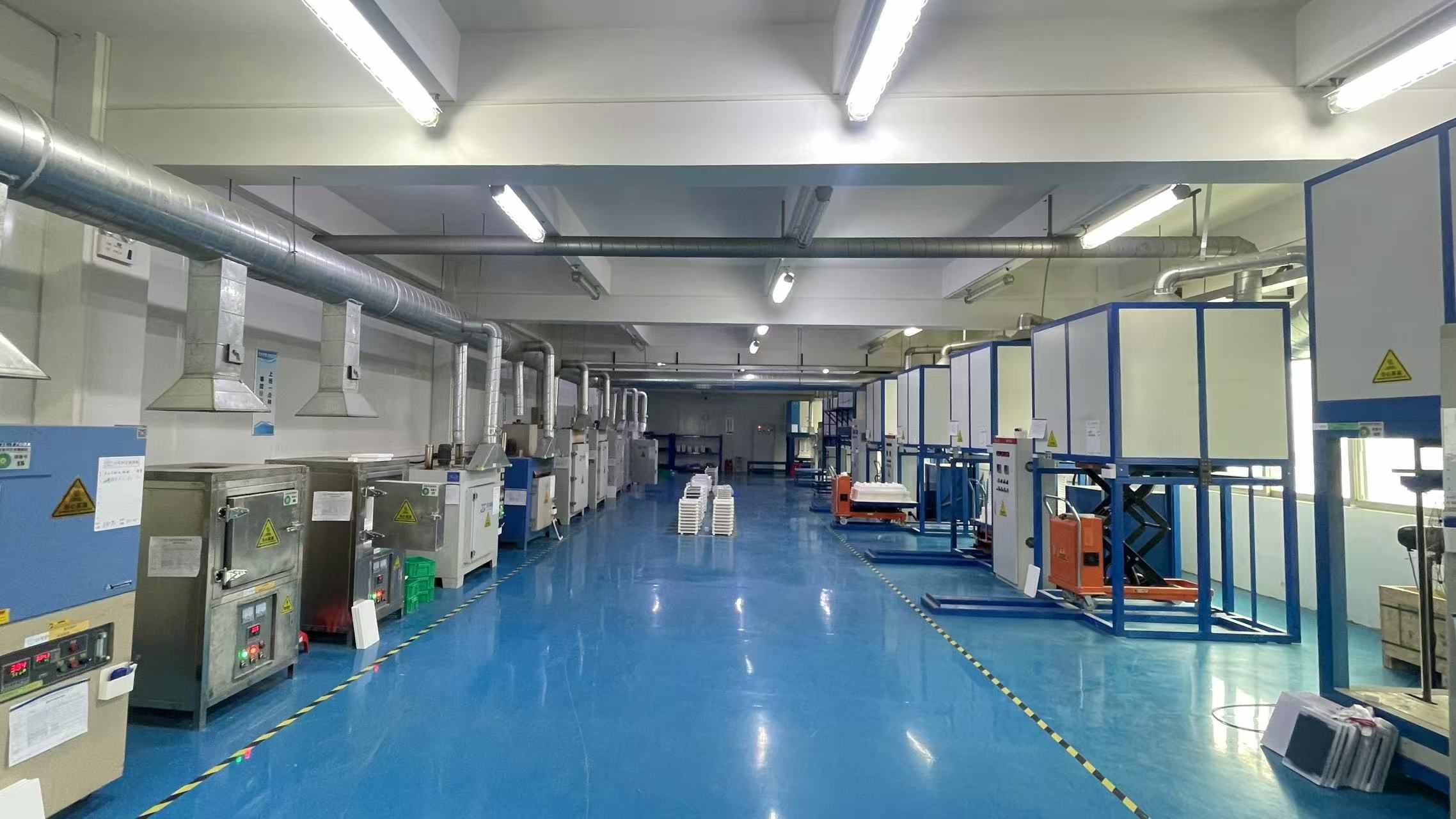
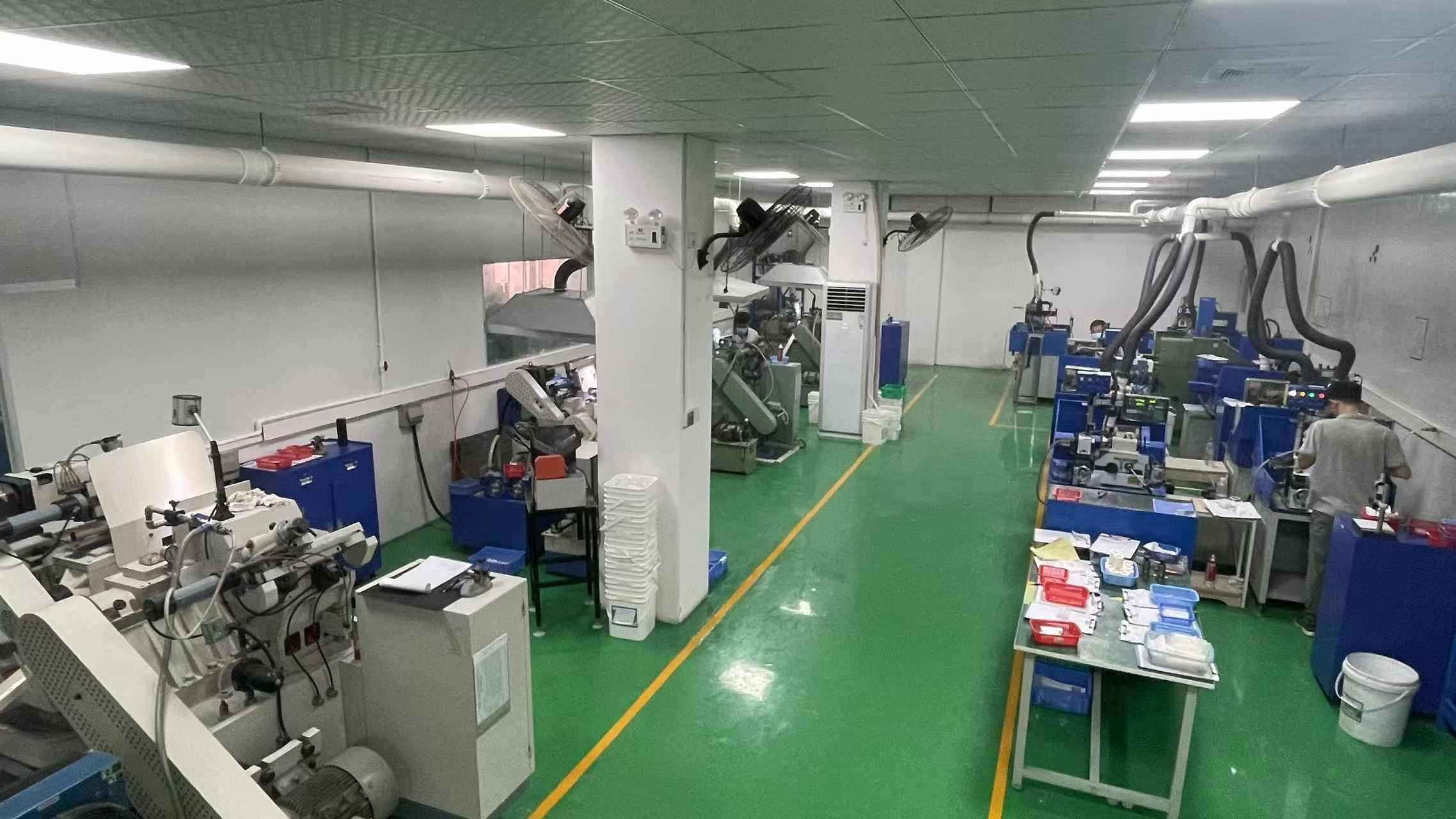
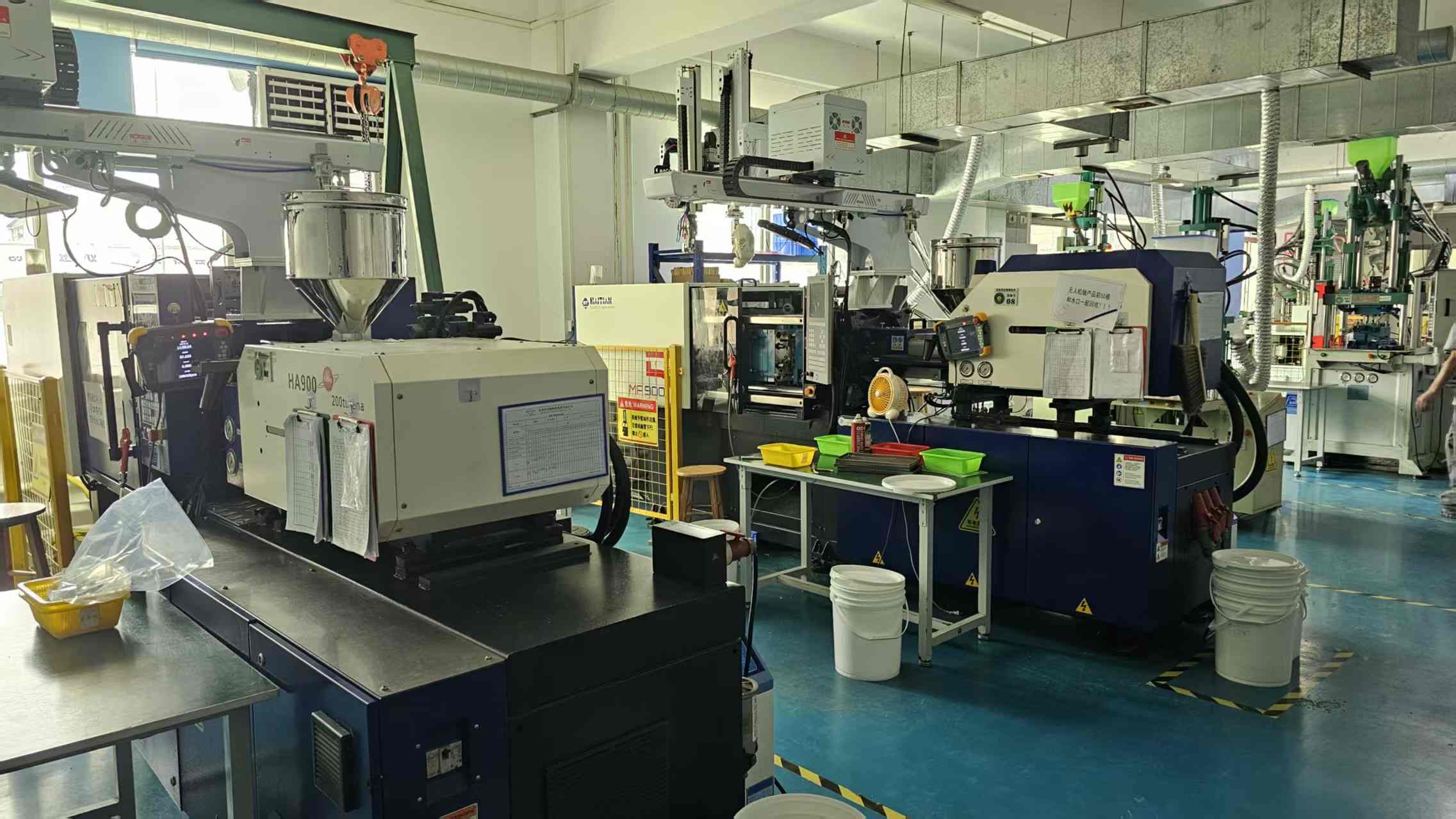
Our workshop
|
CNC Workshop |
Testing Room |
|
Surface grinding Workshop |
Sintering Workshop |
|
Circular Grinding Workshop |
Injection molding Machine Workshop |



 IPv6 network supported
Leave A Message
Scan to Wechat :

Scan to WhatsApp :