Leave A Message
If you are interested in our products and want to know more details,please leave a message here,we will reply you as soon as we can.


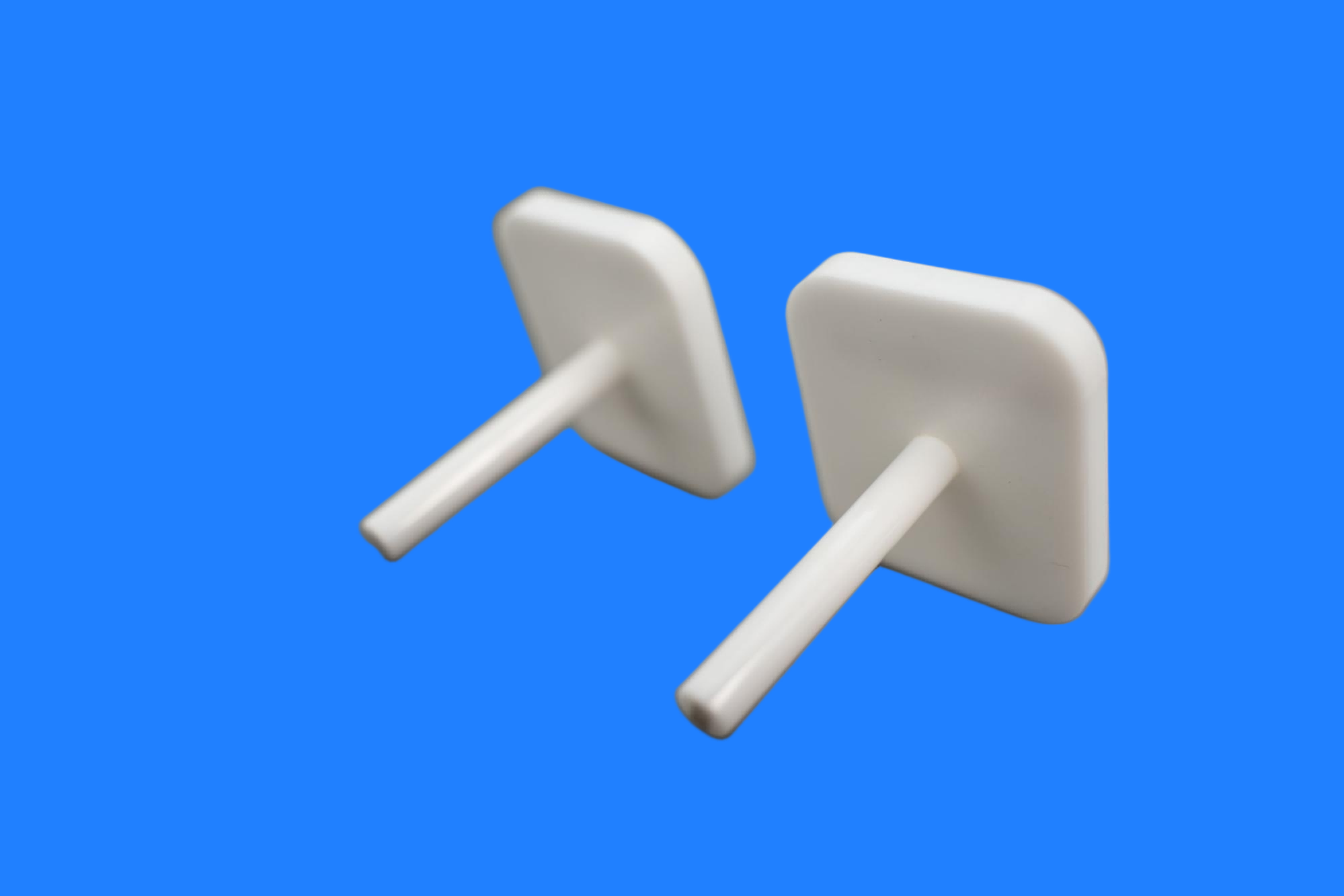
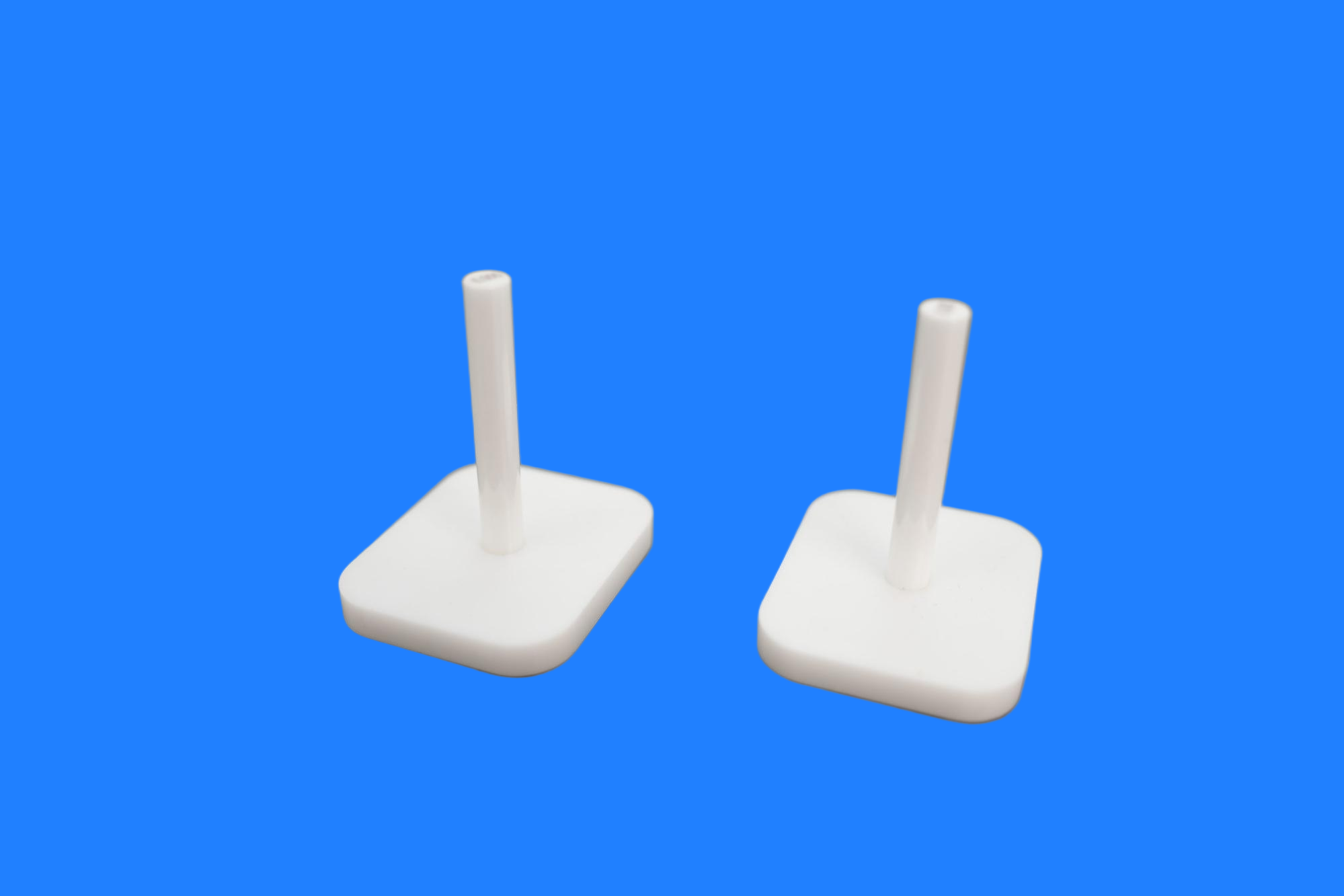
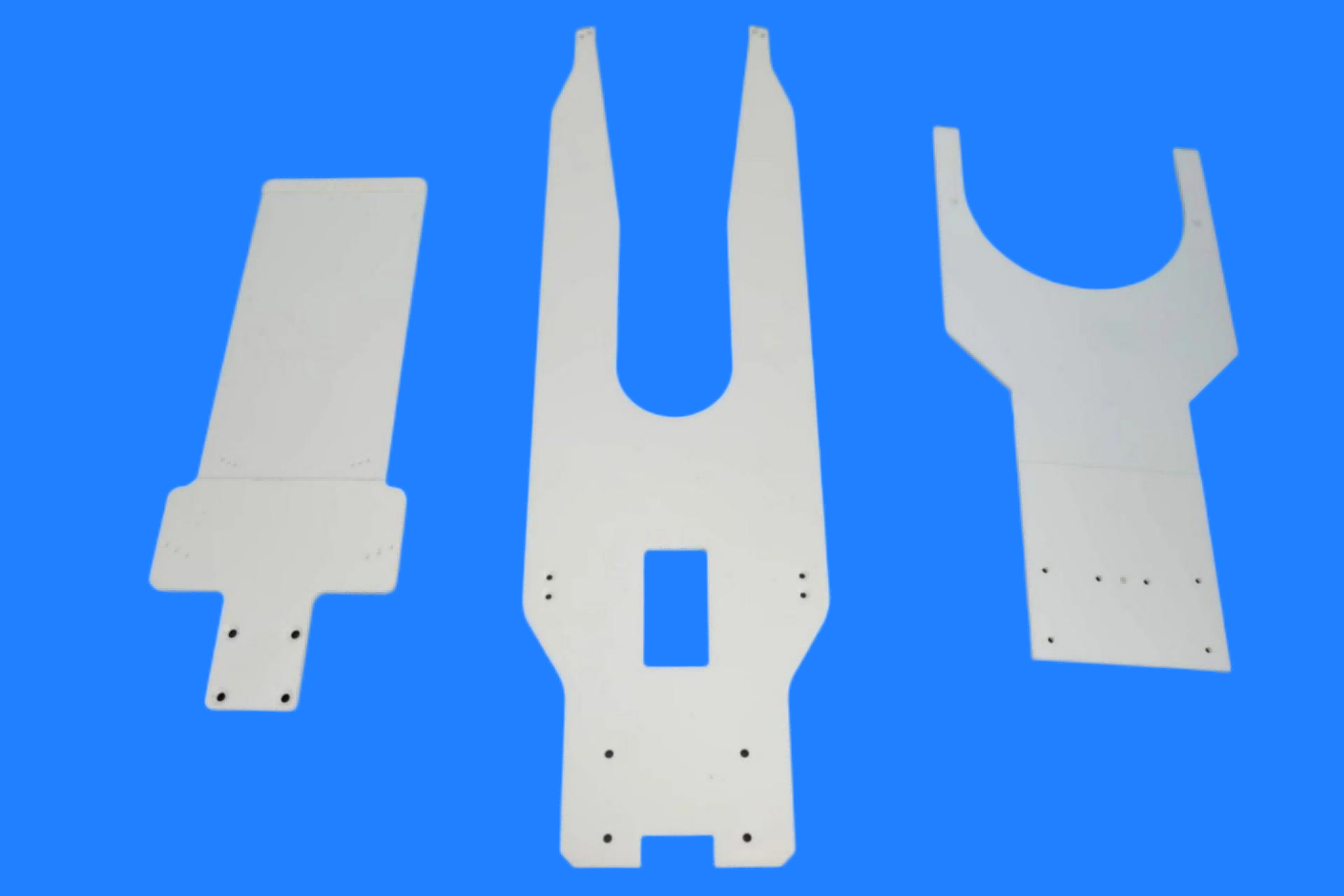
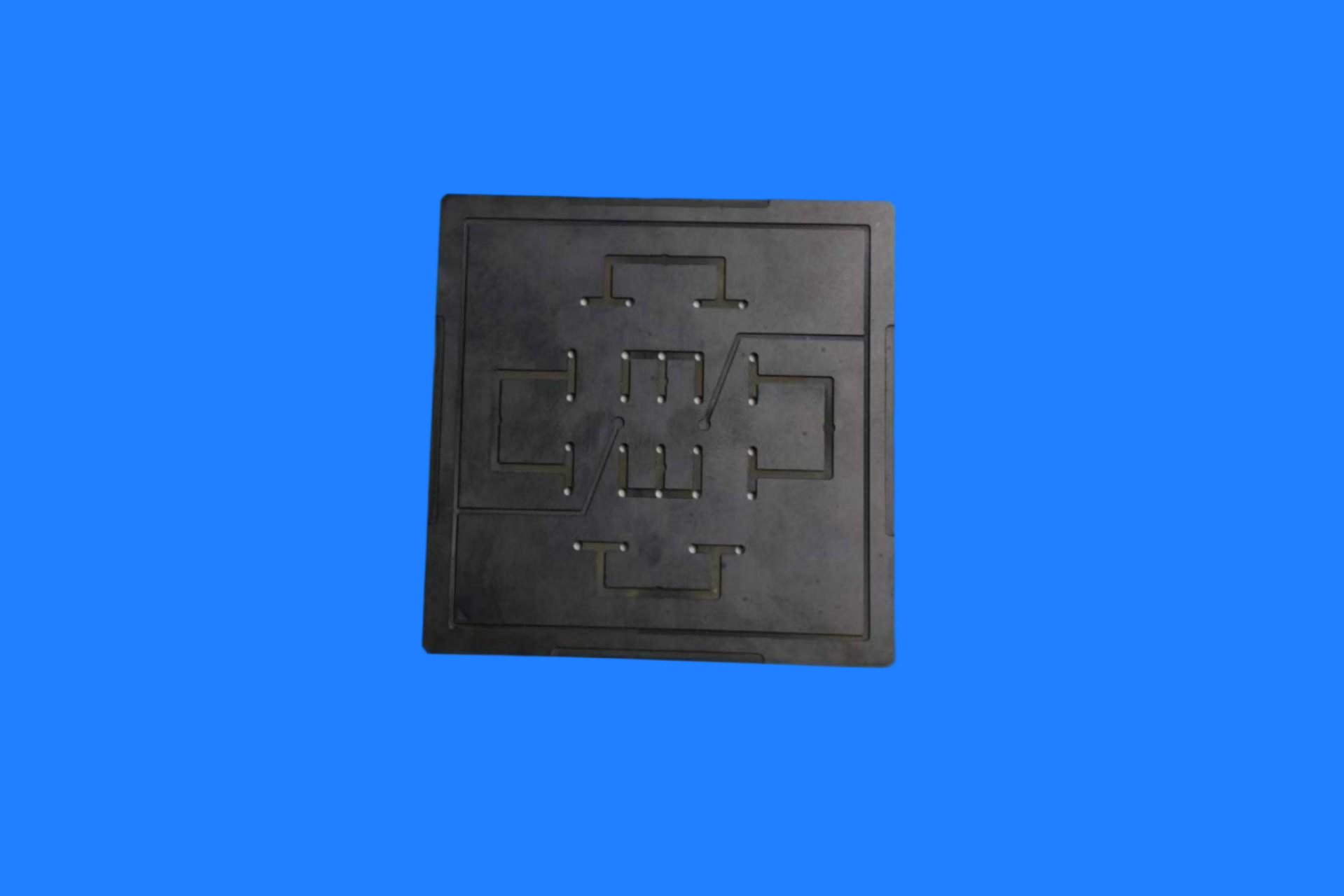
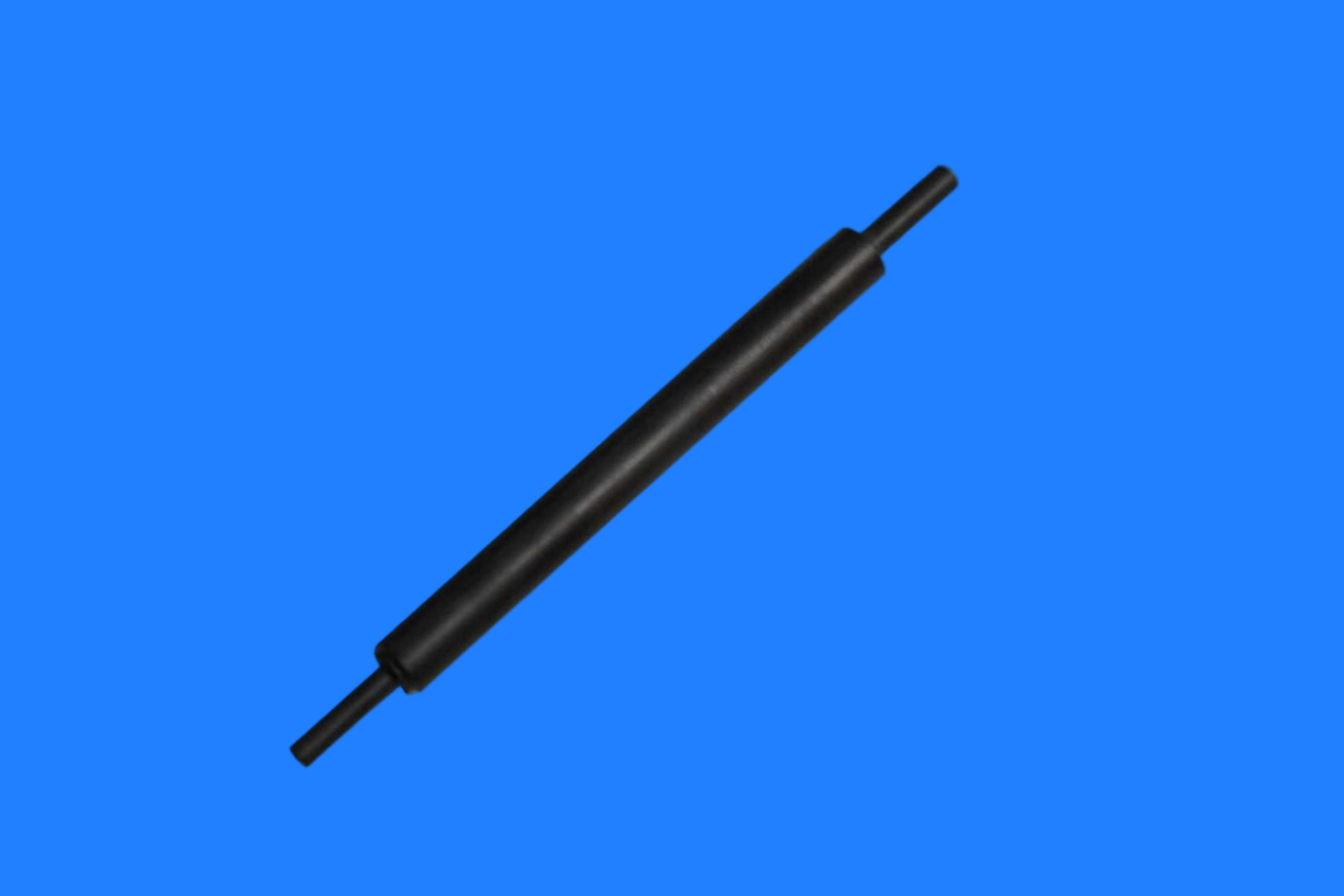
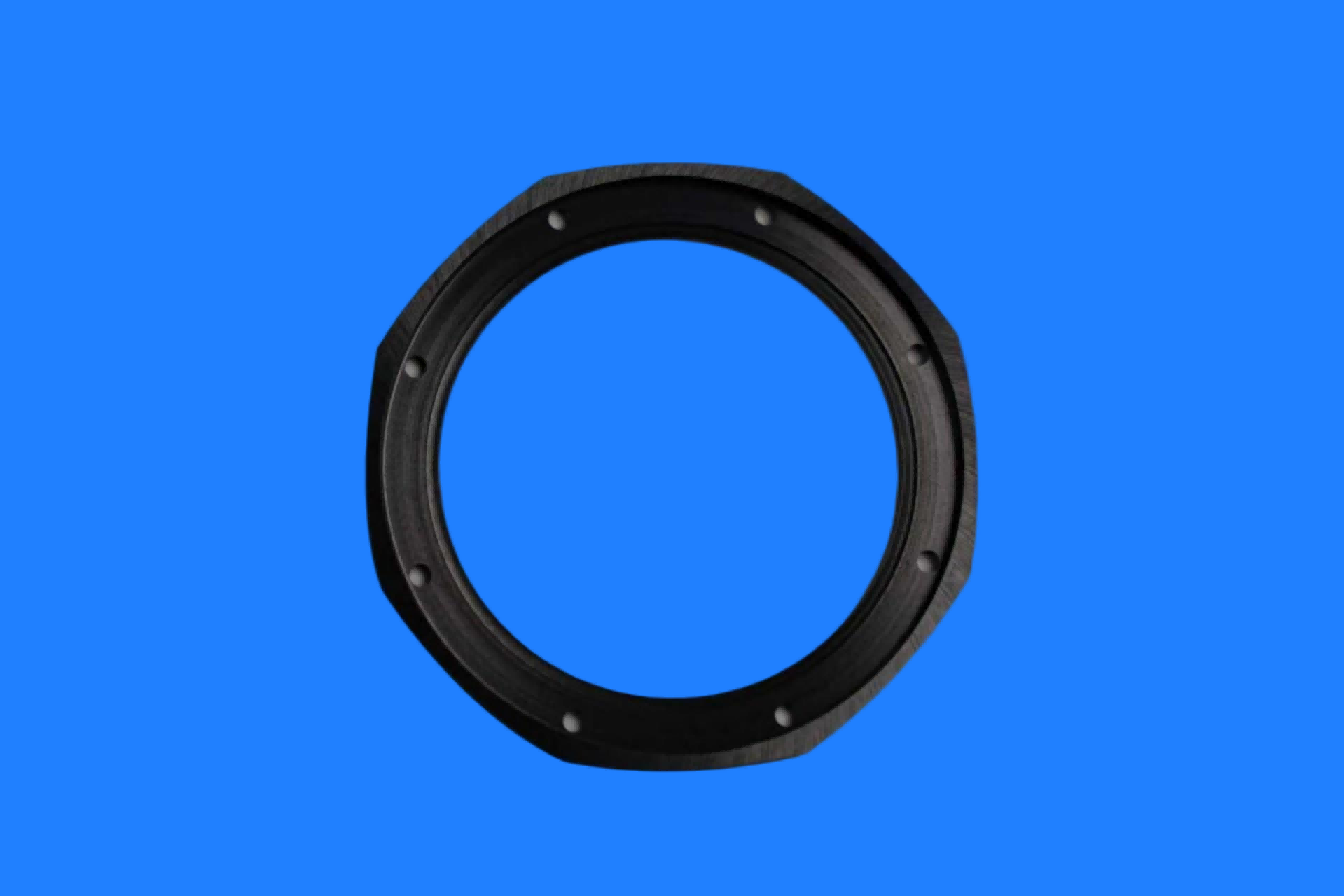
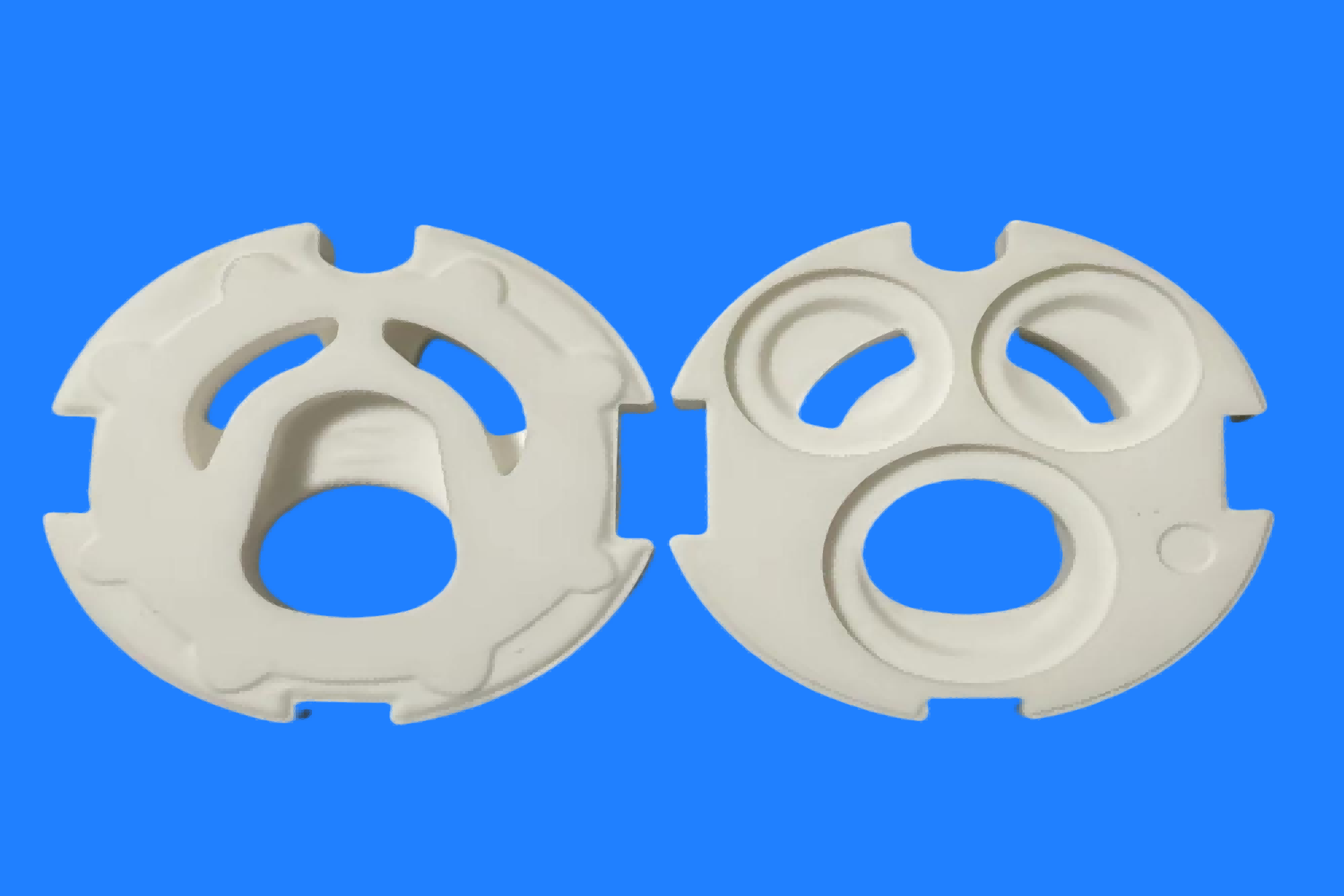
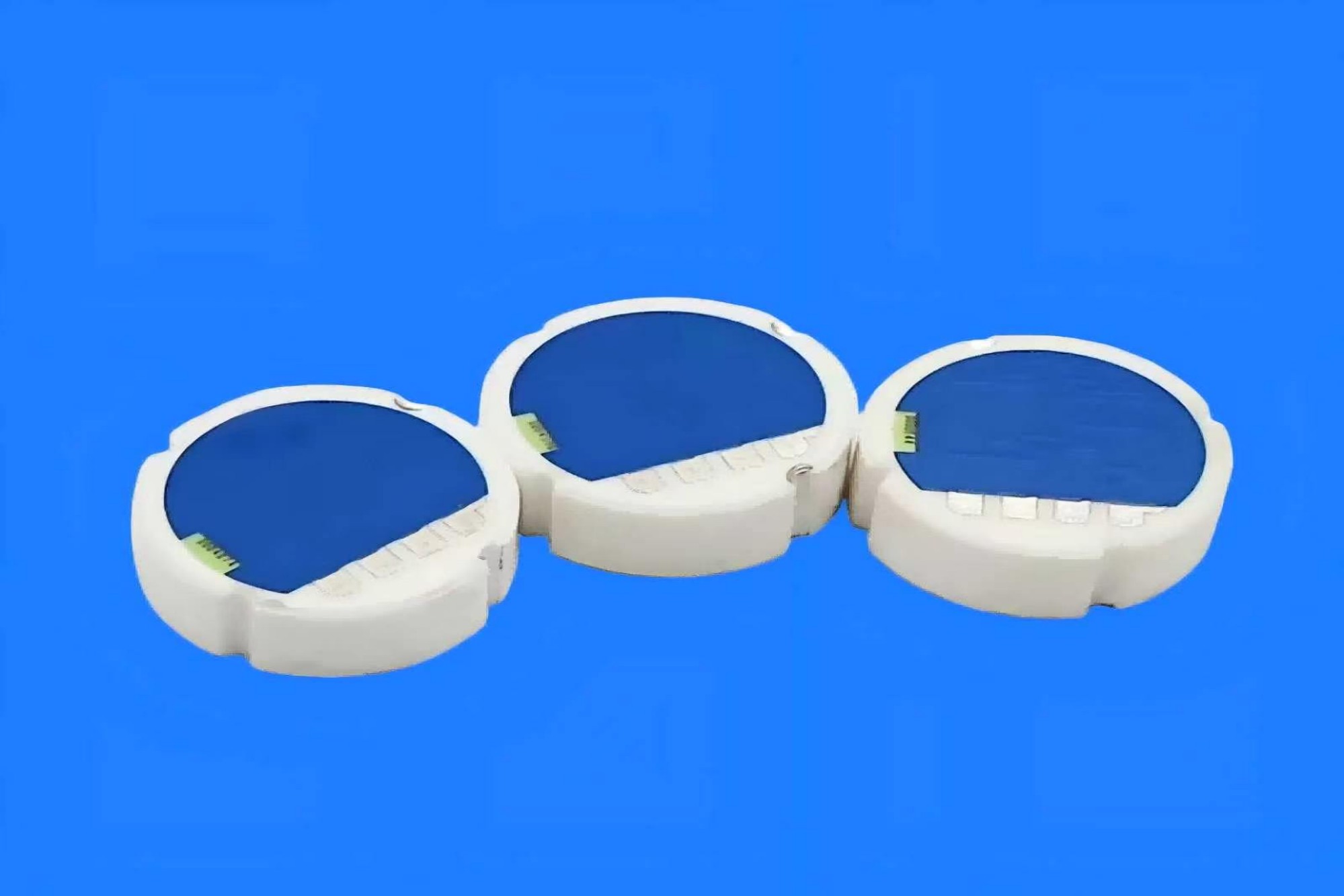
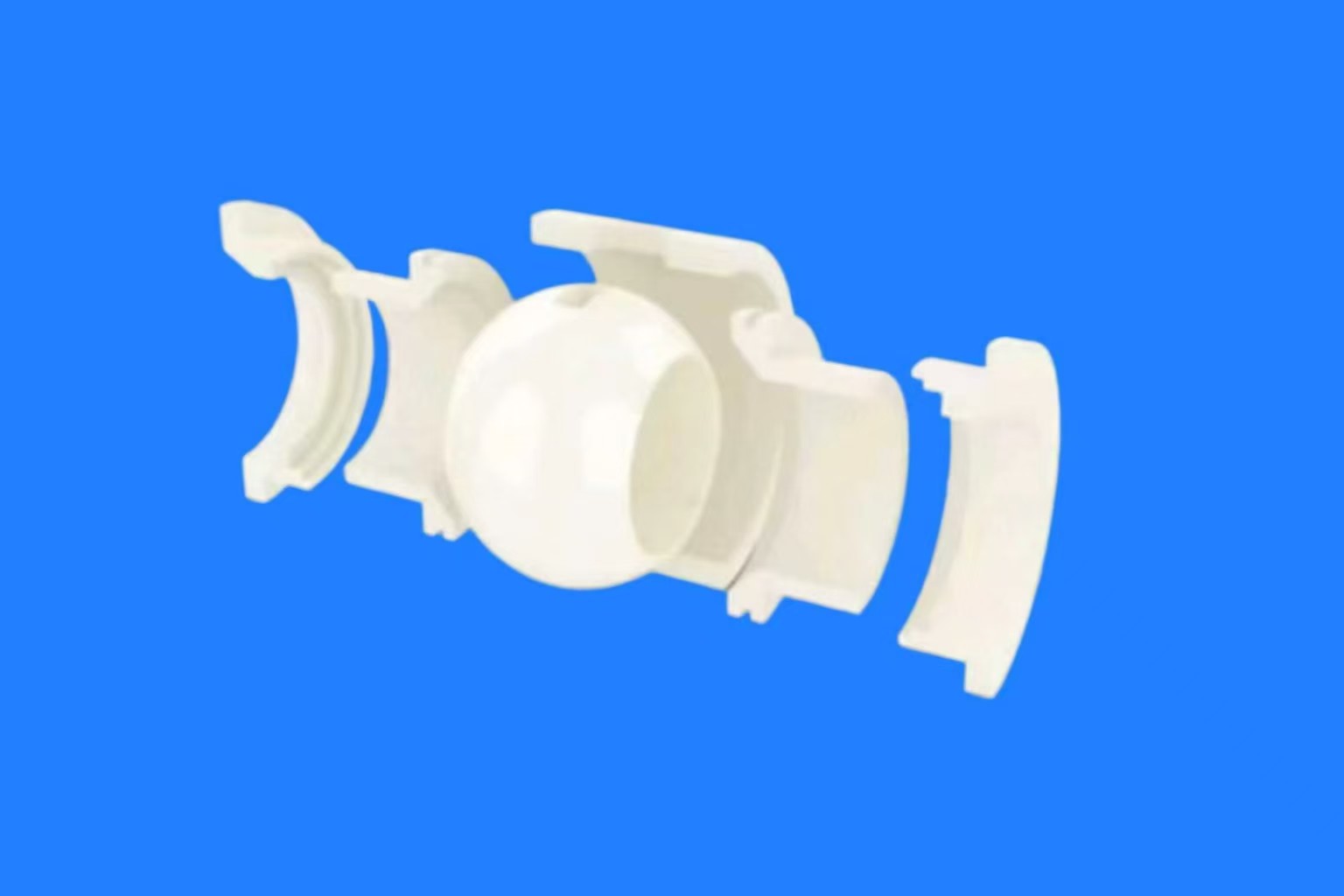
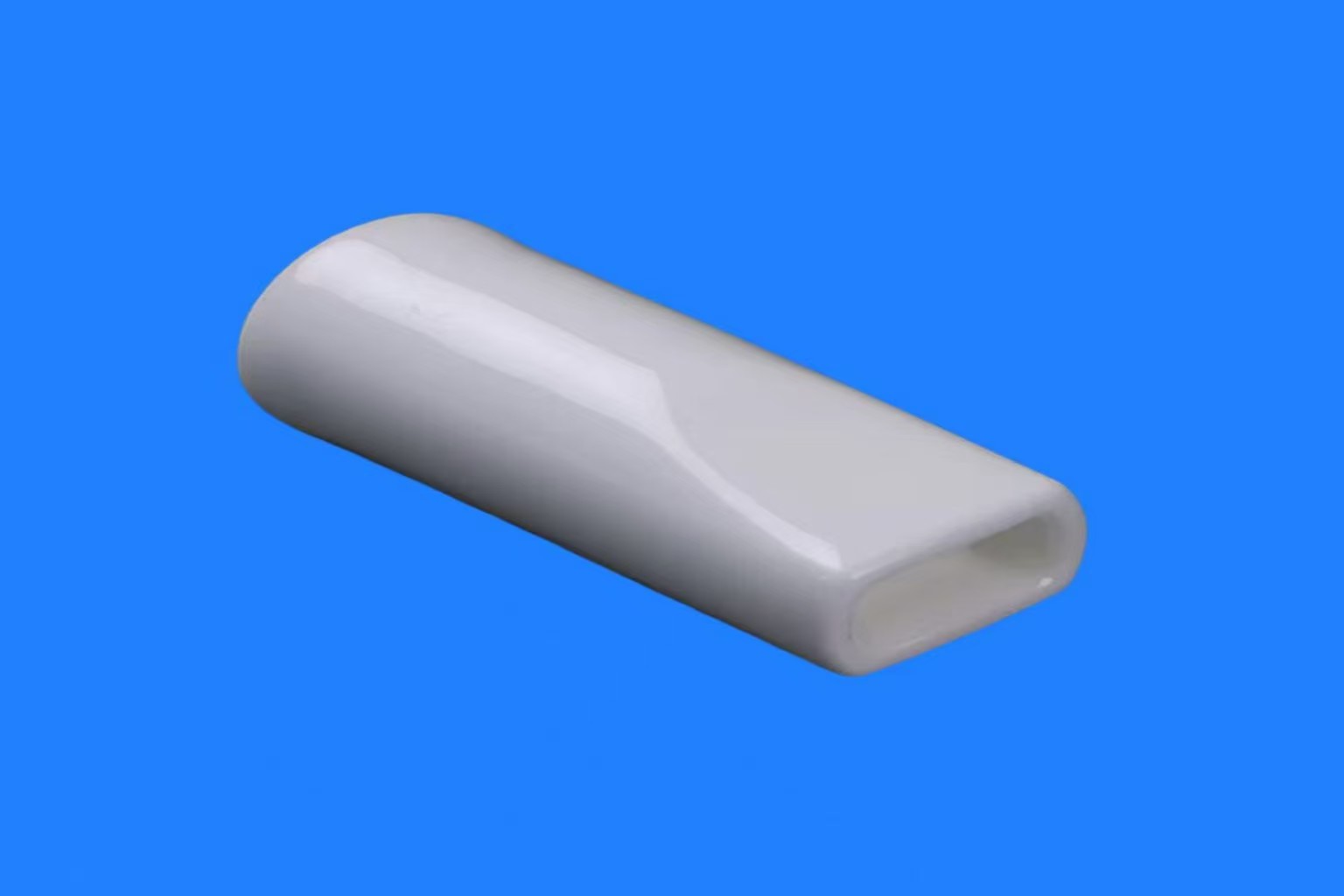
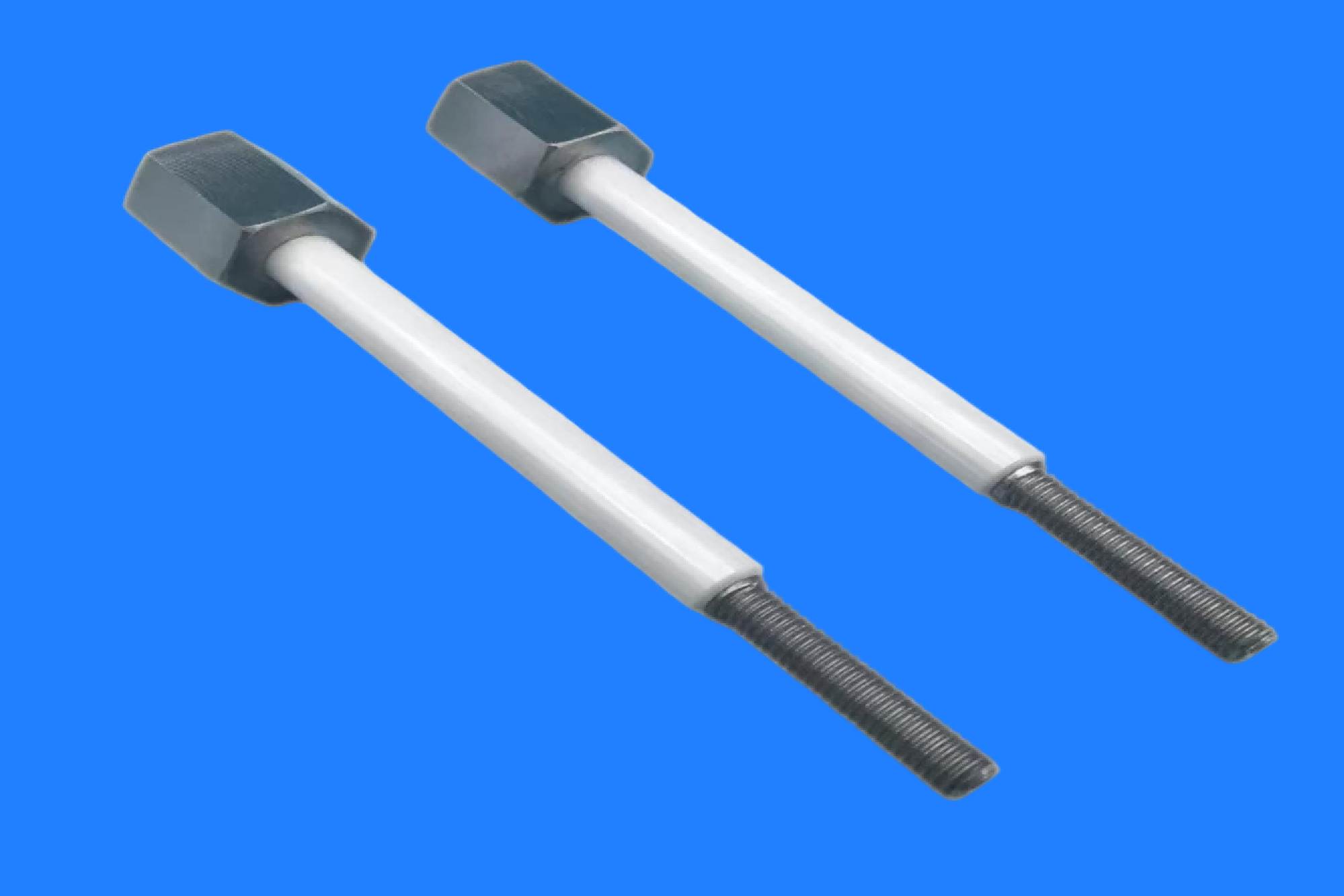
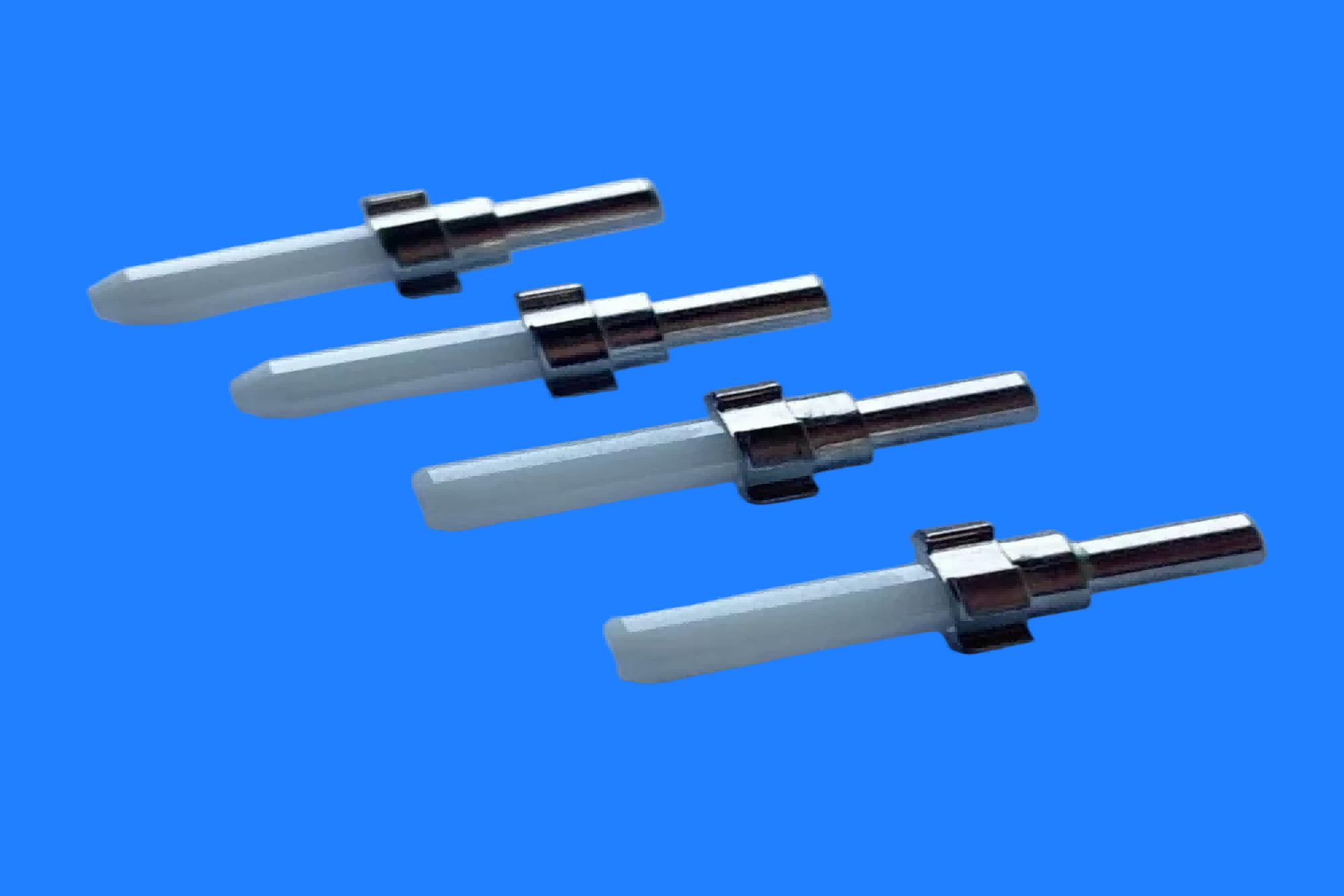
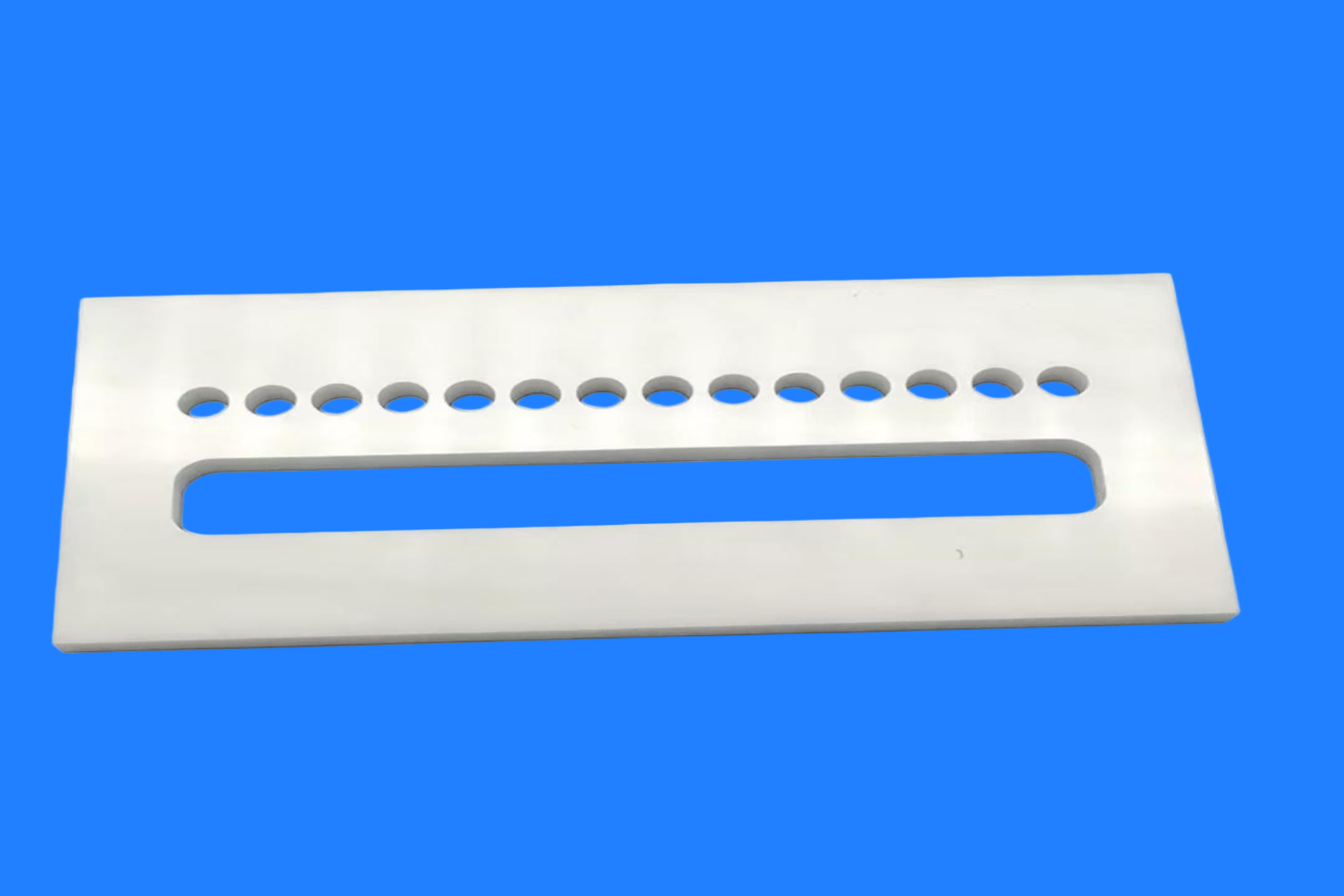
Zirconia Gauges are a new generation of precision inspection tools made from high-purity zirconia (ZrO₂) using yttrium stabilization (Y-TZP) technology. As a revolutionary alternative to traditional metal gauges (steel, aluminum alloys), this product perfectly solves three major industry pain points: thermal expansion deformation, magnetic interference, and surface wear. It is particularly suitable for coordinate measuring machines (CMMs), optical measurement systems, and high-precision online inspection scenarios, providing nanometer-level precision assurance for high-end manufacturing fields such as aerospace, semiconductors, and new energy vehicles.
High Precision ZrO2 Ceramic Gauges
Product Description
Ceramic Gauge represents a high-end application of industrial ceramics in precision testing. With their ultra-high precision, high wear resistance, non-magnetic properties, and corrosion resistance, they have become core tools for precision testing in industries such as automotive, electronics, and semiconductors. They perfectly replace traditional metal gauges, solving pain points such as testing errors caused by metal wear, magnetic interference, and corrosion, making them particularly suitable for scenarios with extremely high requirements for precision and stability. Compared to traditional metal gauges, zirconia ceramic gauges offer a 5-10 times longer service life with no dimensional changes over long-term use, consistently ensuring testing accuracy and significantly reducing testing costs and maintenance frequency for businesses.
Product Specifications
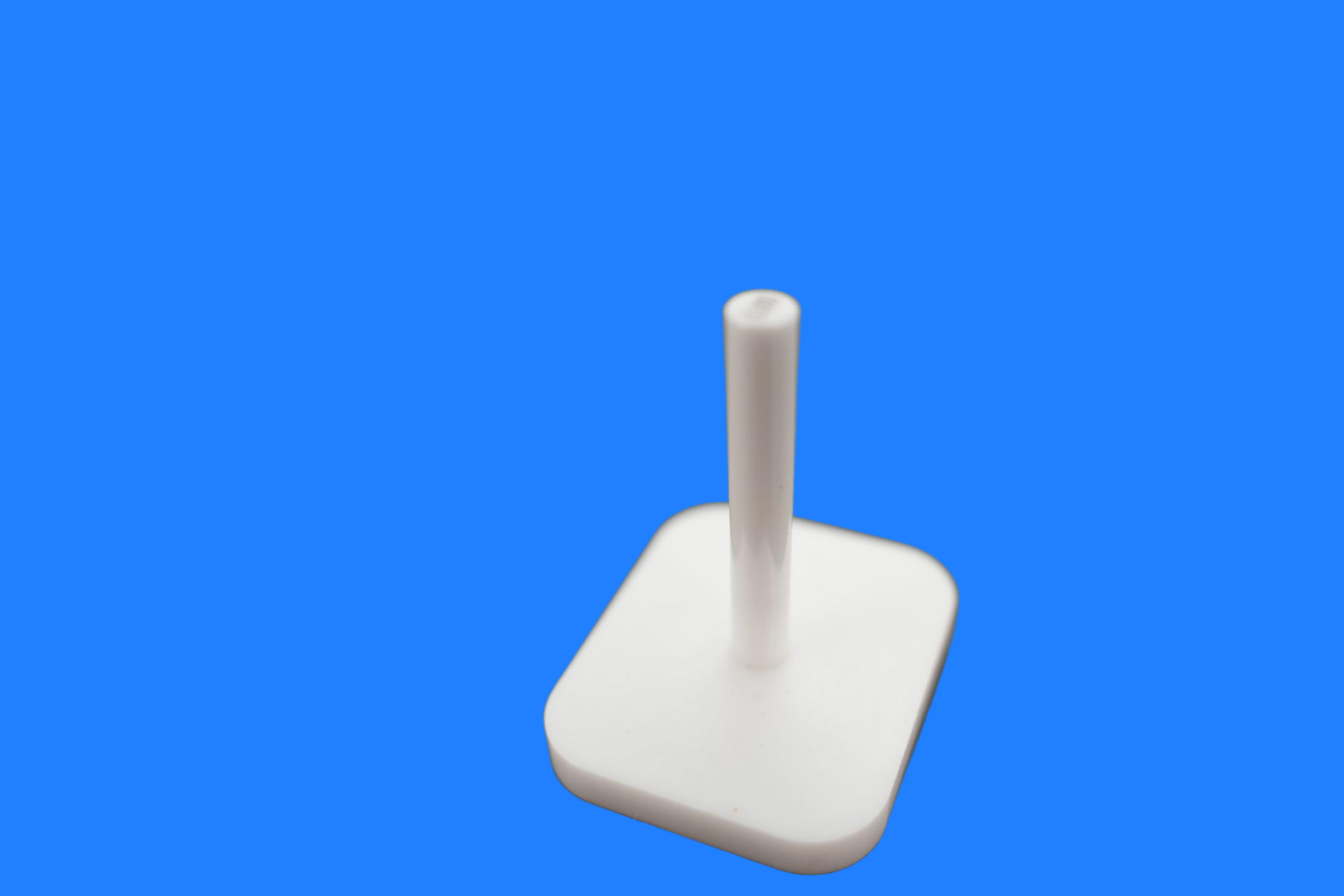
1.Basement: square/rounded square, side length 10-50mm, thickness 2-10mm
2.Detection column: diameter 2-15mm, length 10-100mm, center with through hole/blind hole available
3.Tolerance: ±0.001-0.005mm (ultra-high precision)
4.Surface roughness: Ra≤0.05μm (mirror finish)
5.Customizable: base size, column length, hole diameter, chamfer, mounting hole positions, etc.
Key performance parameters
1. Mechanical Properties
Vickers hardness: 1200-1400 HV (close to diamond; HRC60 for steel tools is for reference only)
Bending strength: ≥1200 MPa (3Y-TZP), far exceeding alumina ceramics
Fracture toughness: 8-10 MPa·m¹/² (3 times that of alumina, 1/3 that of steel)
Compressive strength: ≥2100 MPa
Elastic modulus: 200-210 GPa (moderate, avoiding brittle fracture)
2.Thermal Properties (Core Advantages of the Fixture)
Coefficient of thermal expansion: 10.0 × 10⁻⁶/°C (Similar to steel, but with superior thermal stability)
Thermal conductivity: 2.0 W/(m·K) (Low thermal conductivity, reducing thermal drift)
Thermal shock resistance: ΔT > 500℃ (No cracking under rapid heating and cooling)
Long-term service temperature: 800-1000℃ (5Y-TZP can reach 1400℃)
3.Physicochemical Properties
Density: 6.05 g/cm³ (Higher than alumina, providing stable inertia)
Surface roughness: Ra ≤0.01μm (Mirror finish, after precision grinding)
Magnetic permeability: Non-magnetic, completely free of magnetic interference
Corrosion resistance: Resistant to acids and alkalis pH 0-14, suitable for chemical testing environments
Biocompatibility: ISO 10993 certified, suitable for medical testing
Product Advantages
Why this Corrosion-resistance Ceramic Gauge can replace metal gauge?
1.Zero thermal deformation, ensuring measurement accuracy
Metal gauge are prone to micron-level thermal expansion and contraction under fluctuating temperatures (e.g., ±5℃ in a workshop), leading to measurement drift. zirconia ceramics have a stable coefficient of thermal expansion and low thermal conductivity, resulting in a longer thermal equilibrium time and minimal impact from temperature gradients, ensuring long-term stable operation of the CMM with a repeatability accuracy of ±0.001mm.
2.Non-magnetic, eliminating electromagnetic interference
For the inspection of magnetically sensitive workpieces such as precision motors, magnetically levitated components, and semiconductor wafers, zirconia ceramics are completely non-magnetic, avoiding magnetic field adsorption or eddy current interference from metal fixtures, ensuring the data purity of the optical/electromagnetic composite measurement system.
3.Never wears out, reducing calibration frequency
Its wear resistance is 266 times that of manganese steel, and its surface hardness is second only to diamond. In frequent contact and sliding inspection scenarios, metal fixtures require monthly calibration, while zirconia ceramic fixtures only require annual calibration, extending their lifespan by more than 10 times and significantly reducing maintenance costs in metrology laboratories.
4.Lightweight and inertial balance
While its density of 6.05 g/cm³ is higher than aluminum, it is far lower than steel (7.8 g/cm³), and its specific stiffness (stiffness/density ratio) is superior to metals, making it suitable for high-speed scanning probes and robotic automated inspection end effectors, reducing motion inertia errors.
5.Insulation and anti-static protection for precision electronic components
Volume resistivity > 10¹⁴ Ω·cm effectively isolates static electricity, preventing damage to electrostatic sensitive devices such as semiconductors and PCBs during inspection.
Application
| Applications | Core role |
| 1.Specialized gauges for coordinate measuring machines (CMMs) |
(1)Contouring probe: non-contact/contact scanning reference for complex curved workpieces (2)Standard ball/standard ring: a calibration reference component for the machine tool, with dimensional stability superior to tungsten steel. (3Fixture positioning block: Precision positioning pins and V-blocks ensure repeatability of positioning accuracy ±0.001mm. |
| 2. Semiconductor and microelectronics testing |
(1)Wafer carrier: Ceramic side comb for wafer transport, positioning, and inspection, zero metal contamination. (2)Chip packaging fixtures: BGA and QFN package coplanarity testing benchmarks (3)Photolithography mask holder: non-magnetic, dust-free, and thermally stable, ensuring nanometer-level photolithography precision. |
| 3.Precision measurement of new energy vehicles |
(1)Motor rotor/stator fixture: non-magnetic interference, for measuring the dynamic balance of permanent magnet rotors. (2)Positioning pins for electrical control modules: Insulated and anti-static, protecting power devices such as IGBTs. (3)Battery electrode flatness inspection tool: corrosion resistant and adaptable to electrolyte environment. |
| 4.Inspection of critical aerospace components |
(1)Turbine blade profile gauge: high temperature resistant (1000℃+), no dimensional deformation after heat treatment. (2)Composite component reference: non-magnetic, does not interfere with electromagnetic testing of carbon fiber composites. (3)Precision bearing raceway inspection tool: ultra-hard and wear-resistant, used to measure the precision of ceramic bearings. |
| 5.Medical implants and device testing |
(1)Orthopedic implant (hip/knee) specimens: biocompatible, can directly contact the implant. (2)Dental implant precision testing: CAD/CAM machining benchmarks, matching bioceramic properties (3)Implantable device: biocompatible support structure (99.5% high-purity ceramic)
|
Precision machining technology and quality control
1.Manufacturing Process
High-purity zirconia powder (nanoscale) → Isostatic pressing (200-250MPa) → High-temperature sintering (1450-1550℃) → CNC precision machining (diamond tools, ±0.001mm) → Precision grinding/polishing (Ra≤0.01μm) → Coordinate measuring machine inspection → Laser marking → Clean packaging
2.Key Process Control Points
(1)Sintering process: gradient heating (5-10℃/min), holding for 2-3 hours, density ≥99.5%
(2)Precision machining: using a ceramic-specific engraving and milling machine, diamond wheel grit W0.5, circulating cooling temperature control <50℃ to avoid thermal stress chipping
(3)Stress relief: low-temperature annealing treatment to eliminate residual machining stress and ensure long-term dimensional stability
3.Inspection Standards
(1)Dimensional accuracy: 100% inspection using a coordinate measuring machine (CMM), critical dimensional tolerance ±0.001mm
(2)Surface quality: roughness inspection using a white light interferometer, microcrack detection using an optical microscope
(3)Performance verification: vickers hardness tester, bending strength tester, thermal expansion tester
(4)Cleanliness: ultrasonic cleaning, conforming to ISO 14644 Class 7 cleanroom standard
Selection Guide
| Application scenarios | Recommended materials | Key considerations |
| General Precision Measurement | 3Y-TZP | High toughness, resistant to accidental impact |
| High-temperature testing environment | 5Y-TZP | Cubic phase is stable and resistant to thermal shock. |
| Ultra-hard and wear-resistant scenarios | ZTA Composite Ceramics | Hardness 1400+ HV, wear resistance is a priority |
| Medical/Food Testing | 3Y-TZP | Biocompatible, non-toxic and pollution-free |
| Highly corrosive chemical environment | 3Y-TZP | Acid and alkali resistant, pH 0-14 |
| Optical grade surface requirements | 3Y-TZP+ Mirror Polishing | Ra≤0.005μm, sub-nanometer precision |
Service Support
1.Custom Development: Design of irregular-shaped gauges and multi-station combination gauges based on customer drawings
2.Rapid Prototyping: First piece delivery in 7-10 days, supporting processing of raw materials
3.Metrological Traceability: Provision of third-party CNAS calibration certificates to ensure traceability of measurement values
4.Technical Consultation: CMM probe selection, measurement scheme optimization, and error analysis support
5.Lifetime Maintenance: Wear part repair and accuracy restoration services
Why choose us?
1.Customized R&D, rather than standard product adaptation
2.Deep control of materials science:Material Selection Based on Needs,Microstructure Optimization,Batch Consistency
3.Precision machining capability:Flatness can reach 0.001mm, parallelism 0.002mm, and roughness Ra 0.1μm.
FAQ
Q1: What products does your company offer?
We specialize in high-performance ceramics such as alumina and silicon nitride, providing insulators, structural components, wear-resistant parts, and customized solutions.
Q2: Can you customize non-standard parts?
Yes. We support processing based on provided drawings and collaborative technical development, offering a full-process service from design to mass production.
Q3: What about accuracy and delivery time?
Standard tolerance ±0.05mm, precision grade ±0.01mm; samples 7-15 days, bulk orders 20-30 days.
Q4: Main application areas?
Power, electronics, machinery, chemical, and aerospace industries.
Q5: Quality assurance measures?
Full-process quality inspection, providing material reports and performance test data, supporting third-party certification and testing.
Q6: Do you provide technical support?
We provide professional support such as material selection consultation, design optimization, and failure analysis.



 IPv6 network supported
Leave A Message
Scan to Wechat :

Scan to WhatsApp :