Leave A Message
If you are interested in our products and want to know more details,please leave a message here,we will reply you as soon as we can.


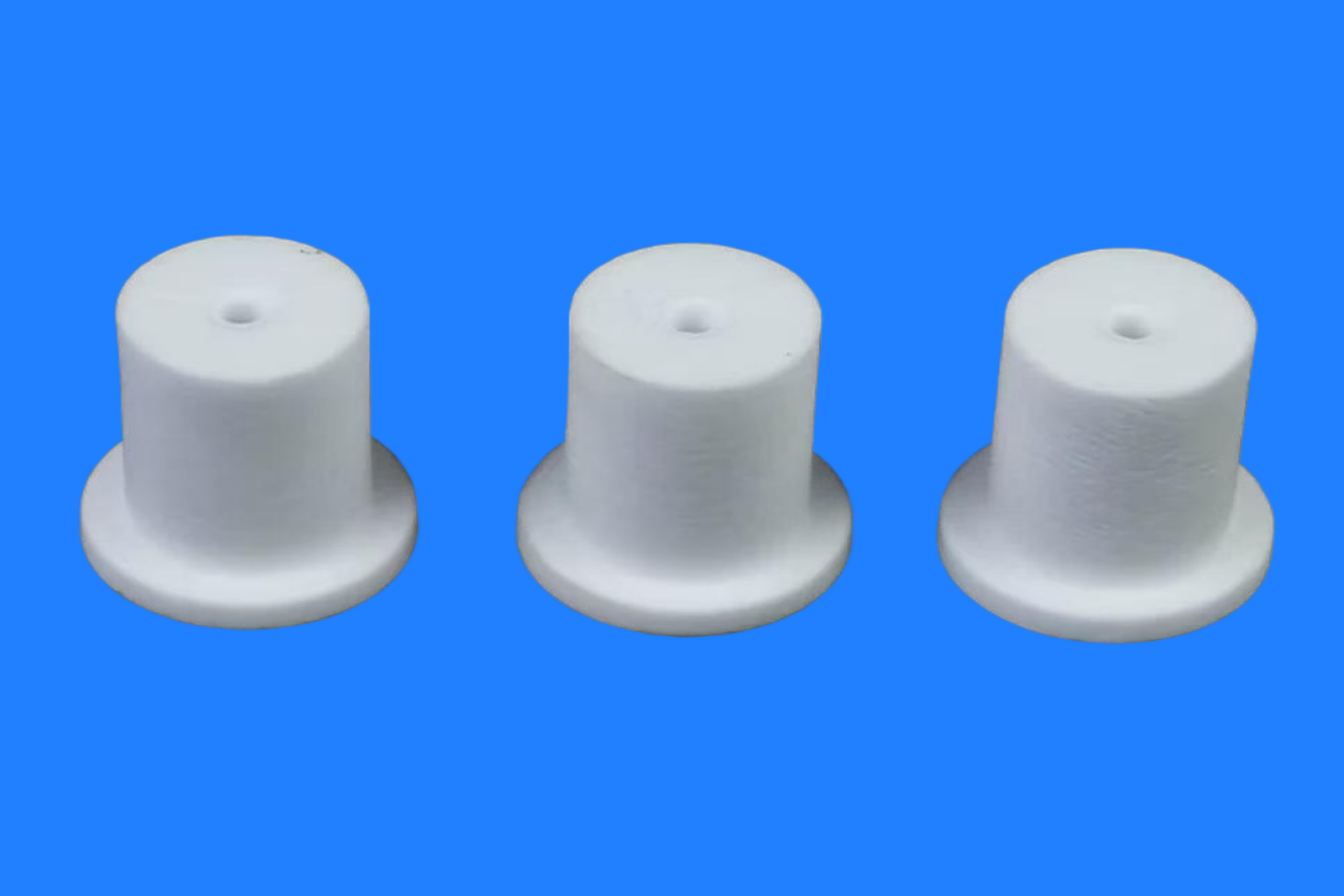
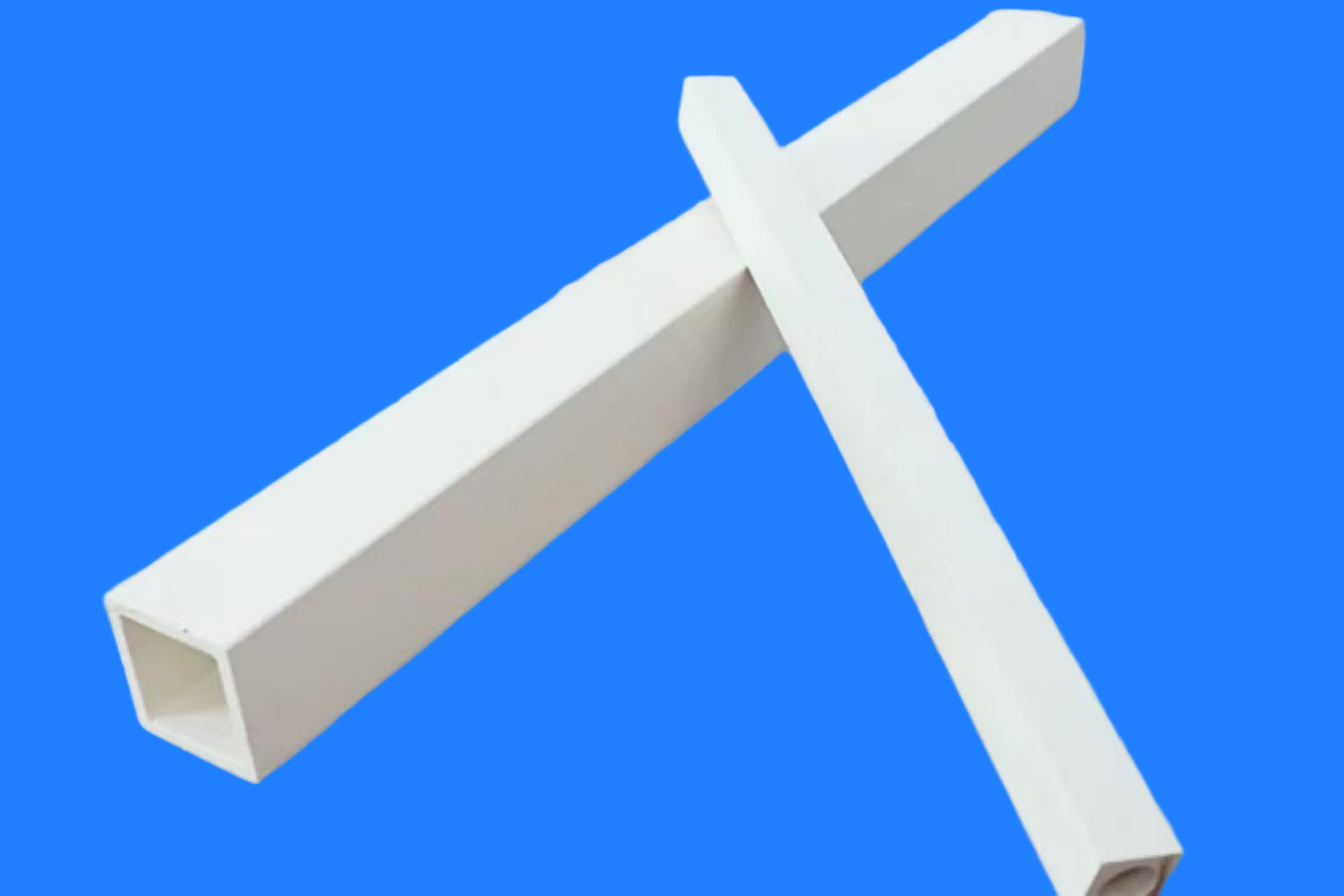
Food-grade and Environmentally Alumina Ceramic Grinding for Different Grinding Machine
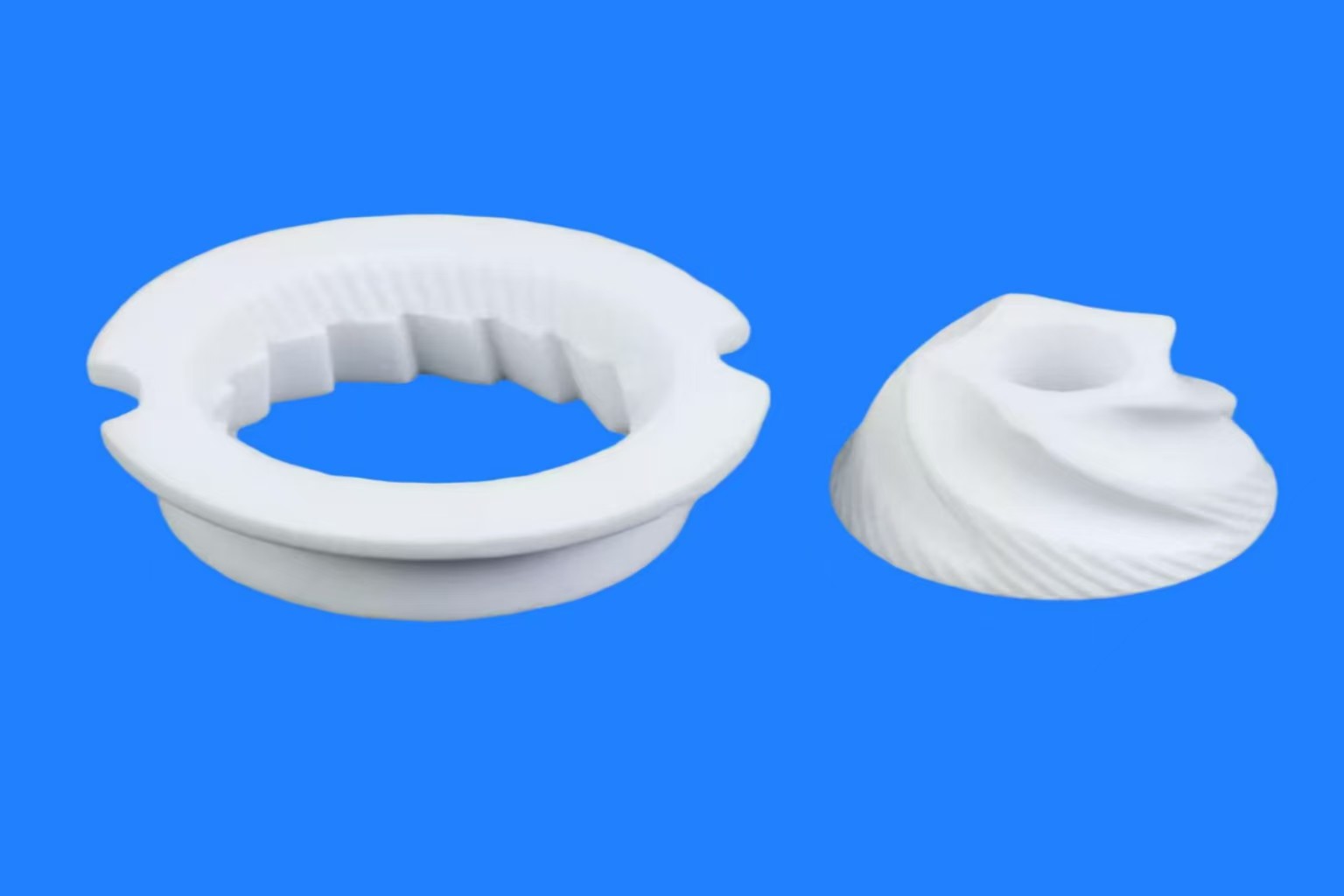
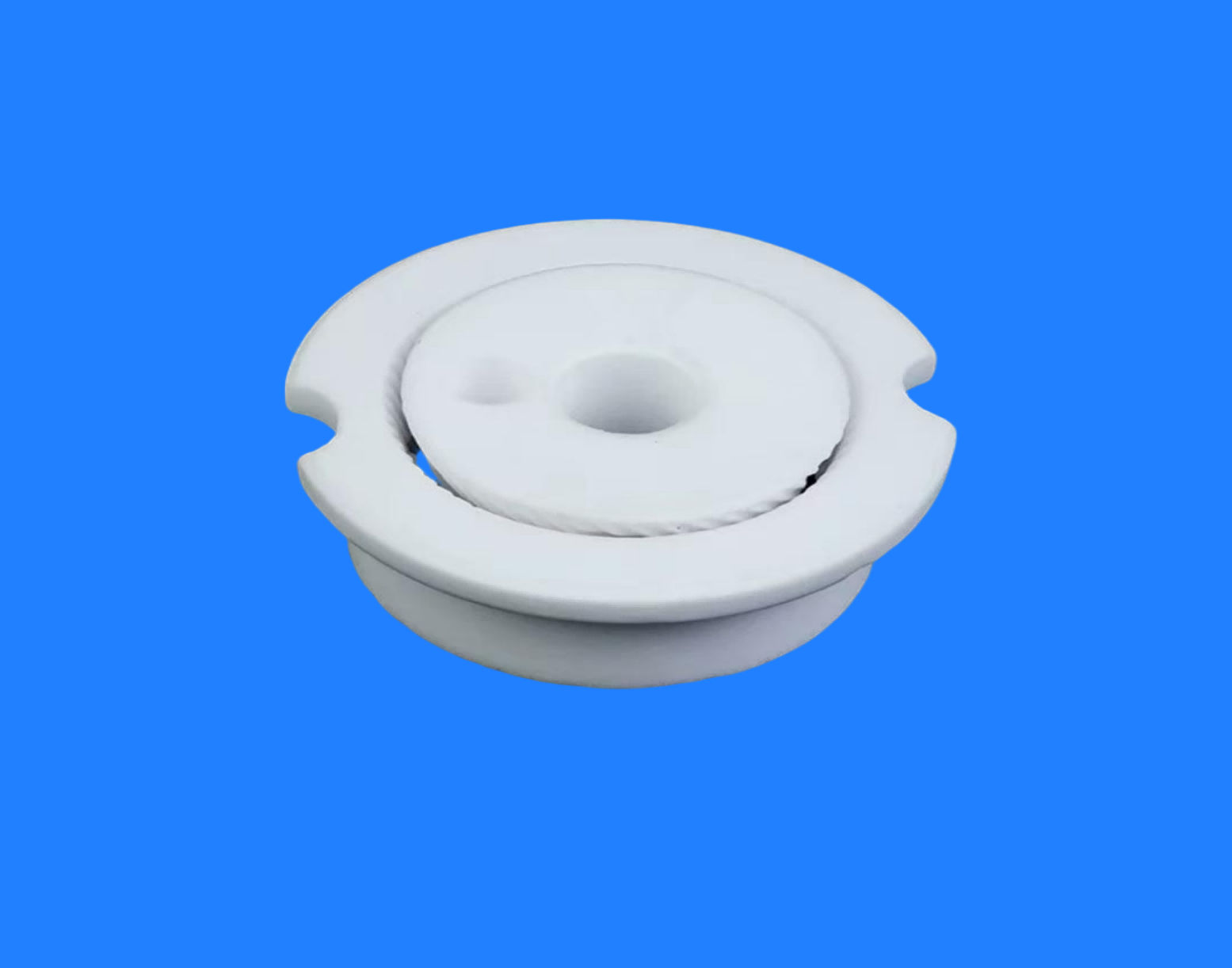
Alumina Ceramic Grinding, with their comprehensive advantages of ultra-high hardness, zero contamination, and resistance to extreme environments, have become an irreplaceable key consumable in modern precision manufacturing. With the rapid development of high-end manufacturing industries such as new energy, semiconductors, and biomedicine, the demand for grinding media with high purity, low wear, and narrow particle size distribution continues to grow. In the future, through continuous optimization of nanoparticle preparation and advanced sintering processes, alumina ceramic grinding cores will demonstrate their irreplaceable value in more cutting-edge fields.
Food-grade and Environmentally Alumina Ceramic Grinding for Different Grinding Machine
Product Description
An excellent choice for high-performance grinding media
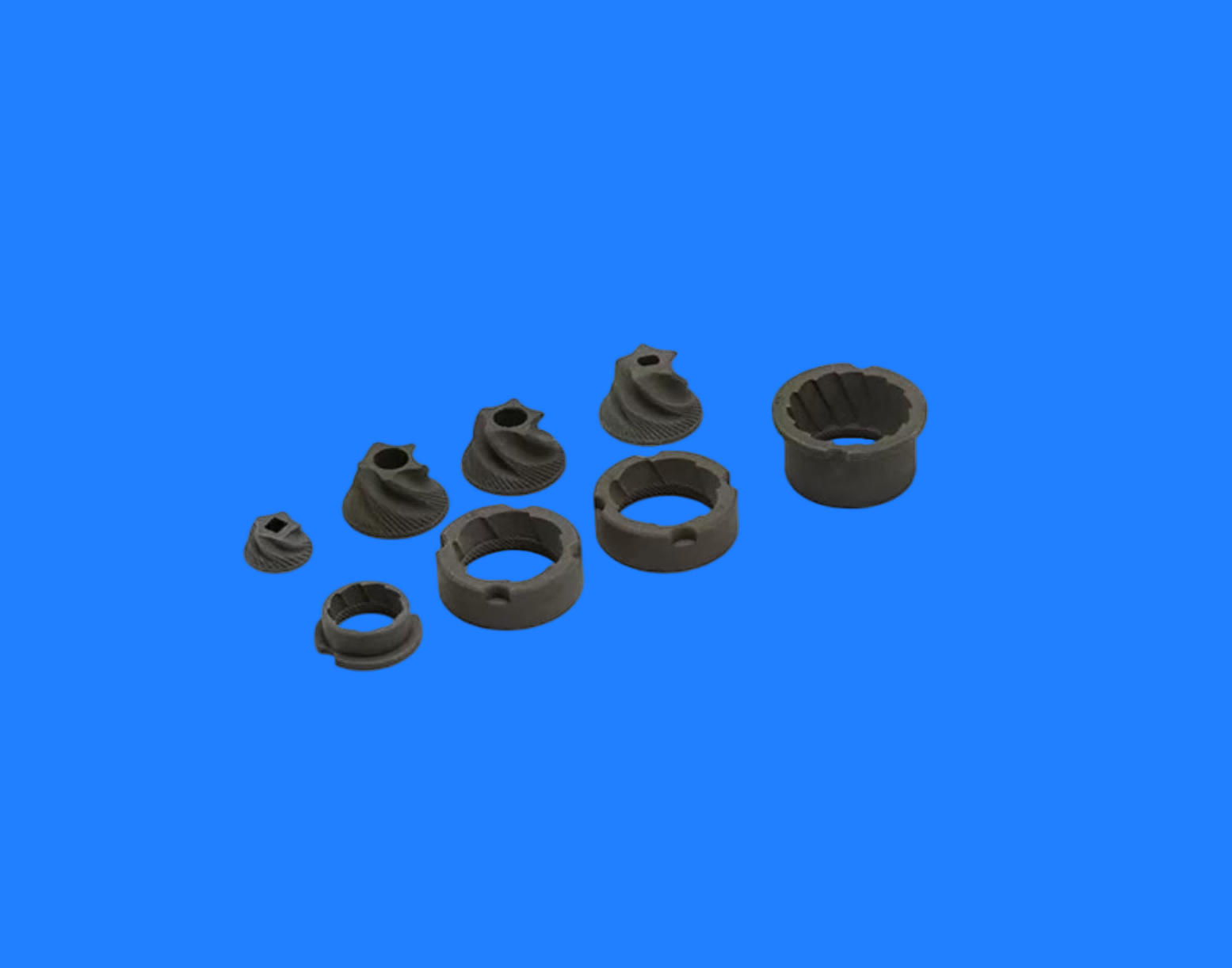
Alumina ceramic grinding cores are core high-performance components of food grinding equipment. They are high-purity alumina (Al₂O₃) as the main crystalline phase, precision-manufactured through a high-temperature sintering process. Depending on the alumina content, they are available in several grades, including 92%, 95%, 99%, and 99.7%. Due to their superior overall performance, they are widely used in grinding coffee, spices, and food powders. With their high hardness, low wear, food-grade safety, and chemical inertness, they not only provide uniform and stable grinding results, avoiding metal contamination and flavor degradation, but also boast an ultra-long service life and easy cleaning and maintenance. They are an ideal upgrade solution to replace traditional metal grinding cores, suitable for various grinding equipment needs in home, commercial, and industrial settings. Different sizes and tooth profiles can be customized according to customer models to meet diverse application scenarios.
Product Specifications (Customizable)
Product Parameters
| Performance Indicators | 92% Alumina | 95% Alumina | 99% Alumina | Test Standards |
| Density | 3.60-3.65 g/cm³ | 3.65-3.75 g/cm³ | 3.85-3.95 g/cm³ | GB/T 2997-2015 |
| Mohs Hardness | ≥8.5 | ≥9 | ≥9 | GB/T 4340.1-2009 |
| Vickers Hardness (Hv) | 1200-1400 | 1500-1600 | 1600-1800 | GB/T 4340.1-2009 |
| Flexural Strength | ≥250 MPa | ≥300 MPa | ≥350 MPa | GB/T 6569-2006 |
| Compressive Strength | ≥1800 MPa | ≥2000 MPa | ≥2200 MPa | GB/T 6569-2006 |
| Fracture Toughness | ≥3.0 MPa ·m¹/² | ≥3.5 MPa ·m¹/² | ≥4.0 MPa ·m¹/² | GB/T 23806-2009 |
| Wear Rate (dry grinding) | ≤0.10% | ≤0.08% | ≤0.05% | HG/T 2516-2016 |
| Coefficient of thermal expansion (20-1000℃) | 7.5×10⁻¹℃ | 7.2×10-/℃ | 7.0×10⁻¹℃ | GB/T 16535-1996 |
| Corrosion Resistance | Resistant to acid/alkali corrosion, with no obvious corrosion marks. | Excellent resistance to acid and alkali corrosion | Excellent resistance to acid and alkali corrosion | GB/T 16920-2015 |
| Operating Temperature Range | -20℃~800℃ | -20℃~1000℃ | -20℃~1200℃ | / |
| Food contact safety | Compliant with FDA/LFGB standards | Compliant with FDA/LFGB standards | Compliant with FDA/LFGB standards | GB 4806.4-2016 |
Typical Applications
| Application Areas | Specific Usage | Recommended Purity | Core advantages |
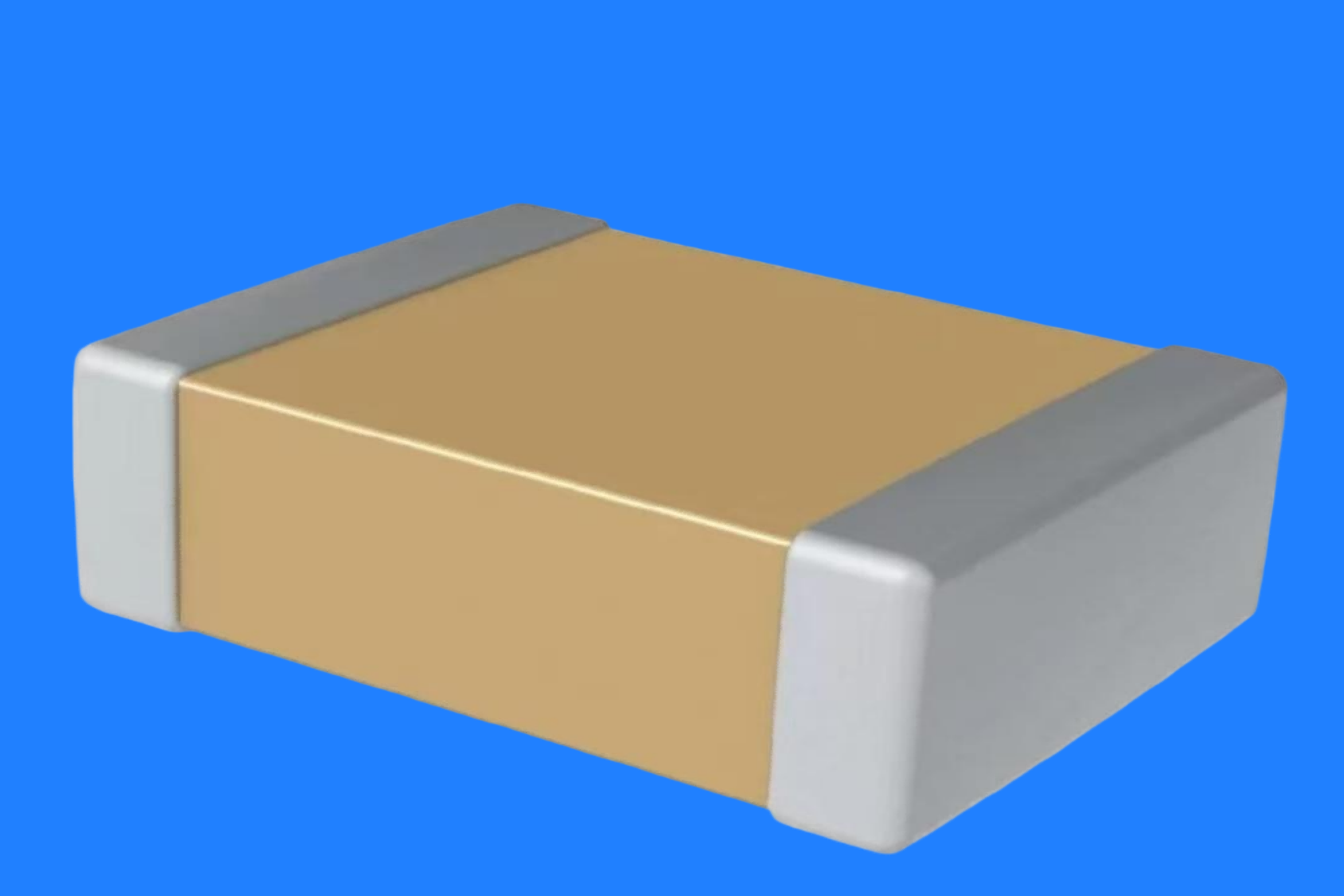
| Electronic Semiconductors | Grinding of silicon wafers and sapphire substrates; dispersion of MLCC ceramic powder | 99%-99.7% | Zero metal contamination, ensuring dielectric properties |
| New Energy Materials | Lithium-ion battery positive and negative electrode materials, solid electrolyte ultrafine grinding | More than 99% | Chemical inertness, preventing material degradation |
| Coatings and Inks | Nanoscale dispersion of titanium dioxide, carbon black, and organic pigments | 92%-99% | Improve color strength and gloss |
| Pharmaceuticals and Food | Micronization of active pharmaceutical ingredients, grinding of coffee/spice | More than 99% | Meets FDA/LFGB food-grade standards |
| Advanced Ceramics | Preparation of structural ceramic and functional ceramic blanks | 92%-95% | Extend equipment life by 5-10 times |
| Mining and Metallurgy | Non-metallic mineral deep processing and rare metal purification | 92%-95% | Resistant to acid and alkali corrosion, improving recovery rate |
Advantages Over Traditional Materials
| Comparison Items | Alumina Ceramic Grinding | Metal Grinding | Plastic Grinding |
| Hardness | Mohs 9 | Mohs 5-7 | Mohs 2-4 |
| Wear Life | extremely long (wear rate ≤ 0.008%) | not very long | short |
| Chemical Stability | resistant to strong acids and alkalis | easily corroded | easy to age |
| Thermal Stability | >1000°C | easily deformed by heat | <150°C |
| Product Contamination | zero pollution | metal ion precipitation | plasticizer risks |
| Food Safety | FDA/LFGB certification | it may rust | may release harmful substances |
Selection Recommendations
When selecting alumina ceramic grinding media, the following factors should be considered:
1.Purity Grade: for electronics and pharmaceutical applications, high-purity products of 99% or higher are recommended; for general industrial applications, 92%-95% economical products are suitable.
2.Particle Size Matching: the grinding media size should be approximately 1000 times the target particle size. For ball mills, 1-60mm sizes are recommended.
3.Operating Condition Compatibility: high-purity alumina is recommended for acidic environments; for high-impact applications, fracture toughness should be a key consideration.
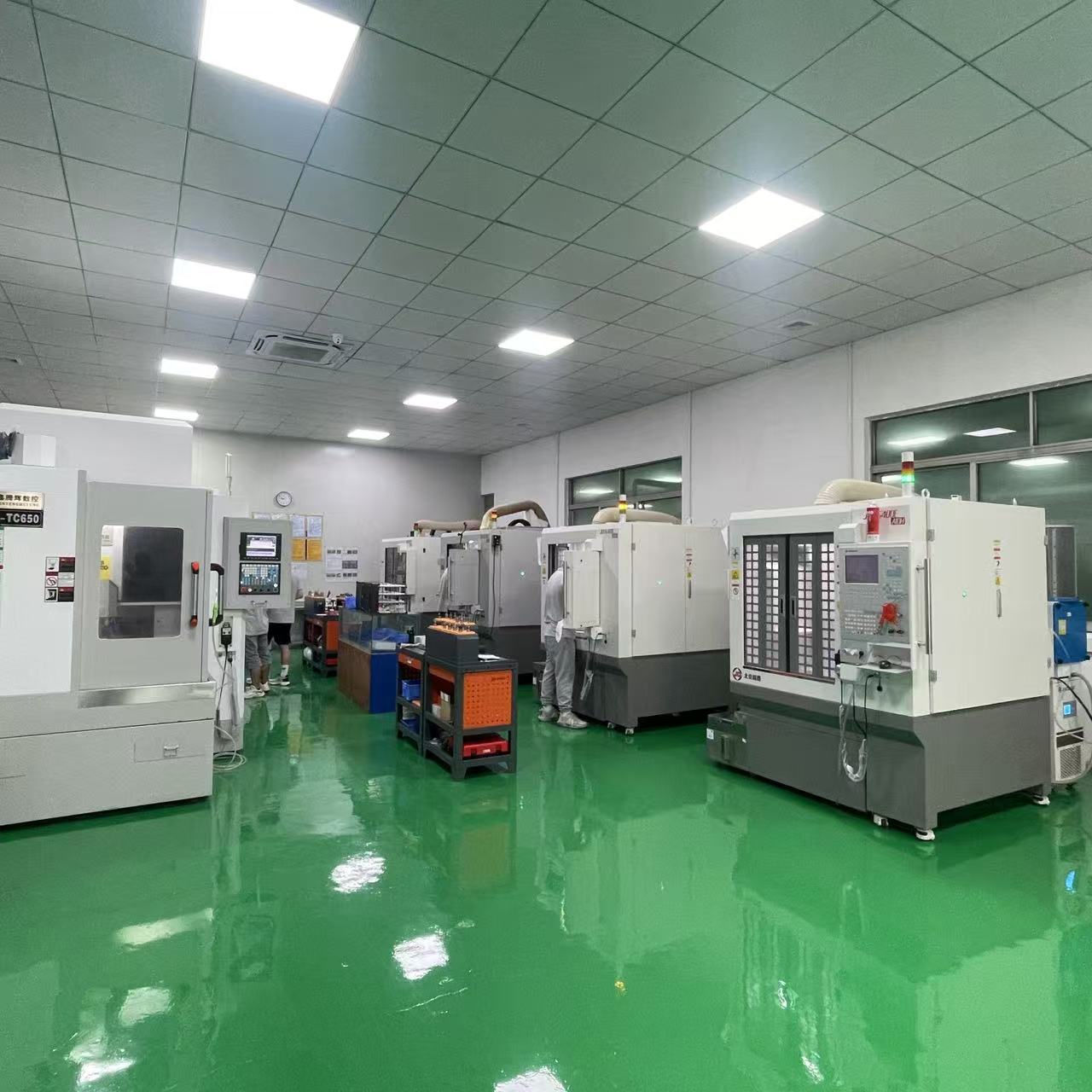
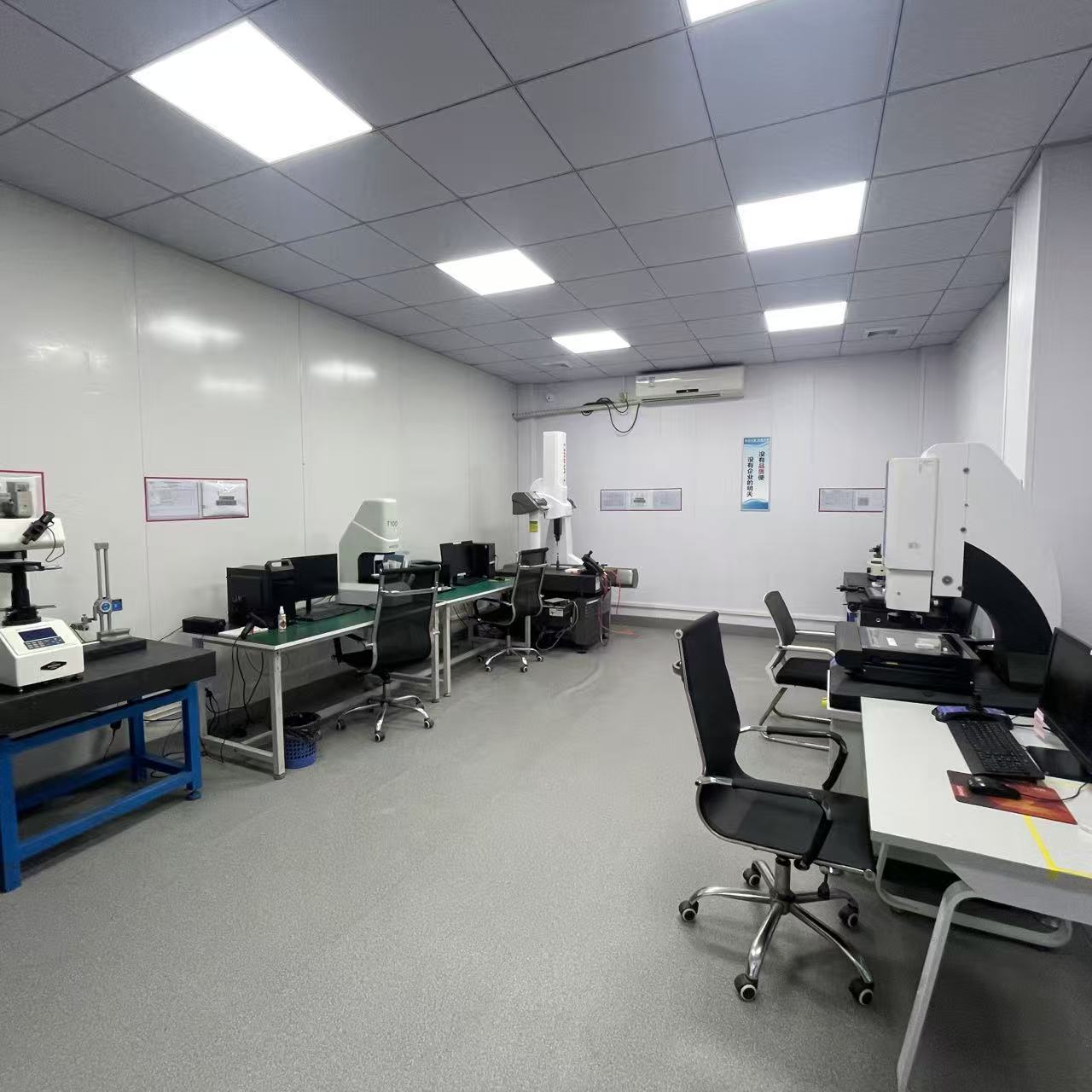
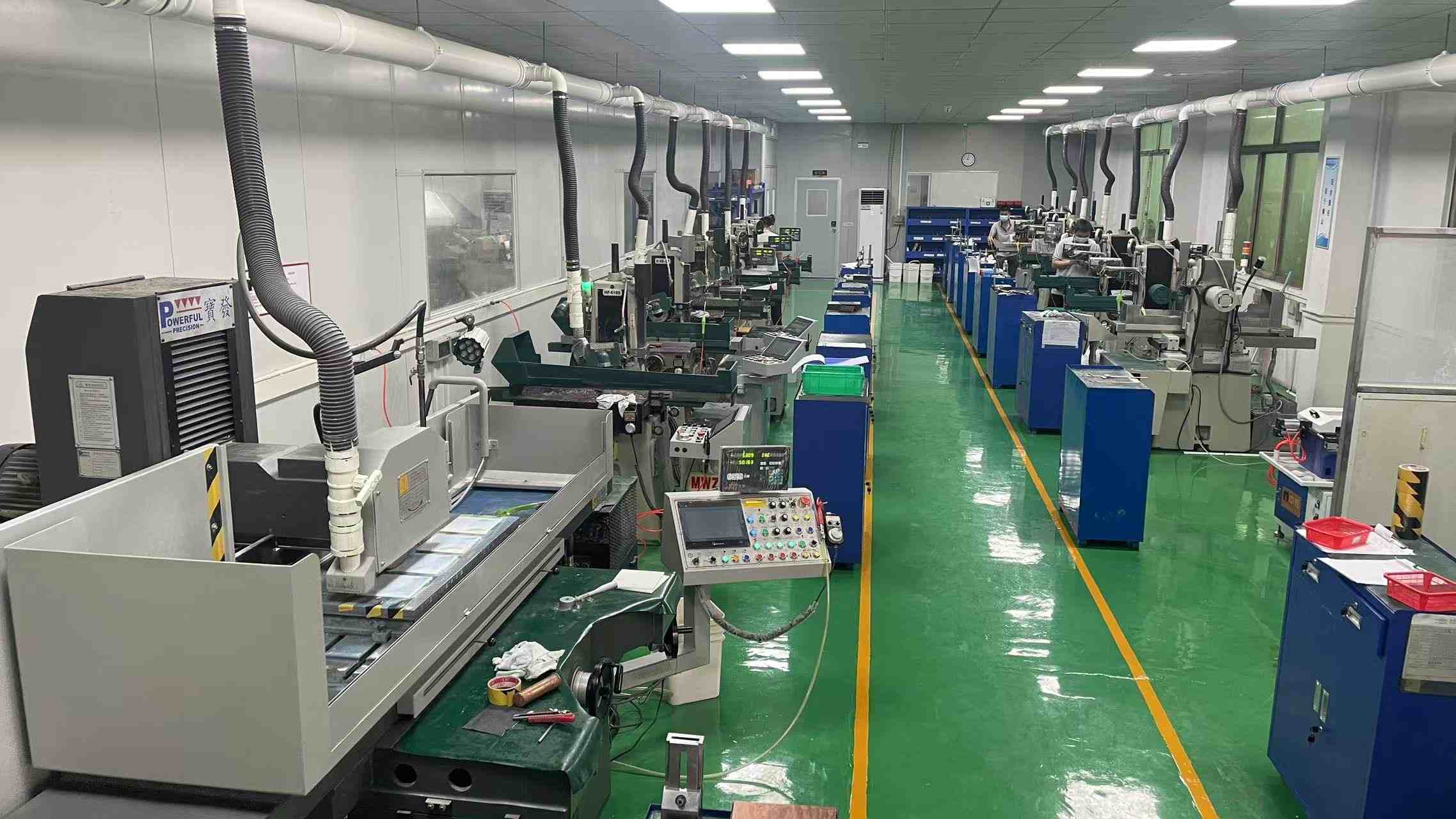
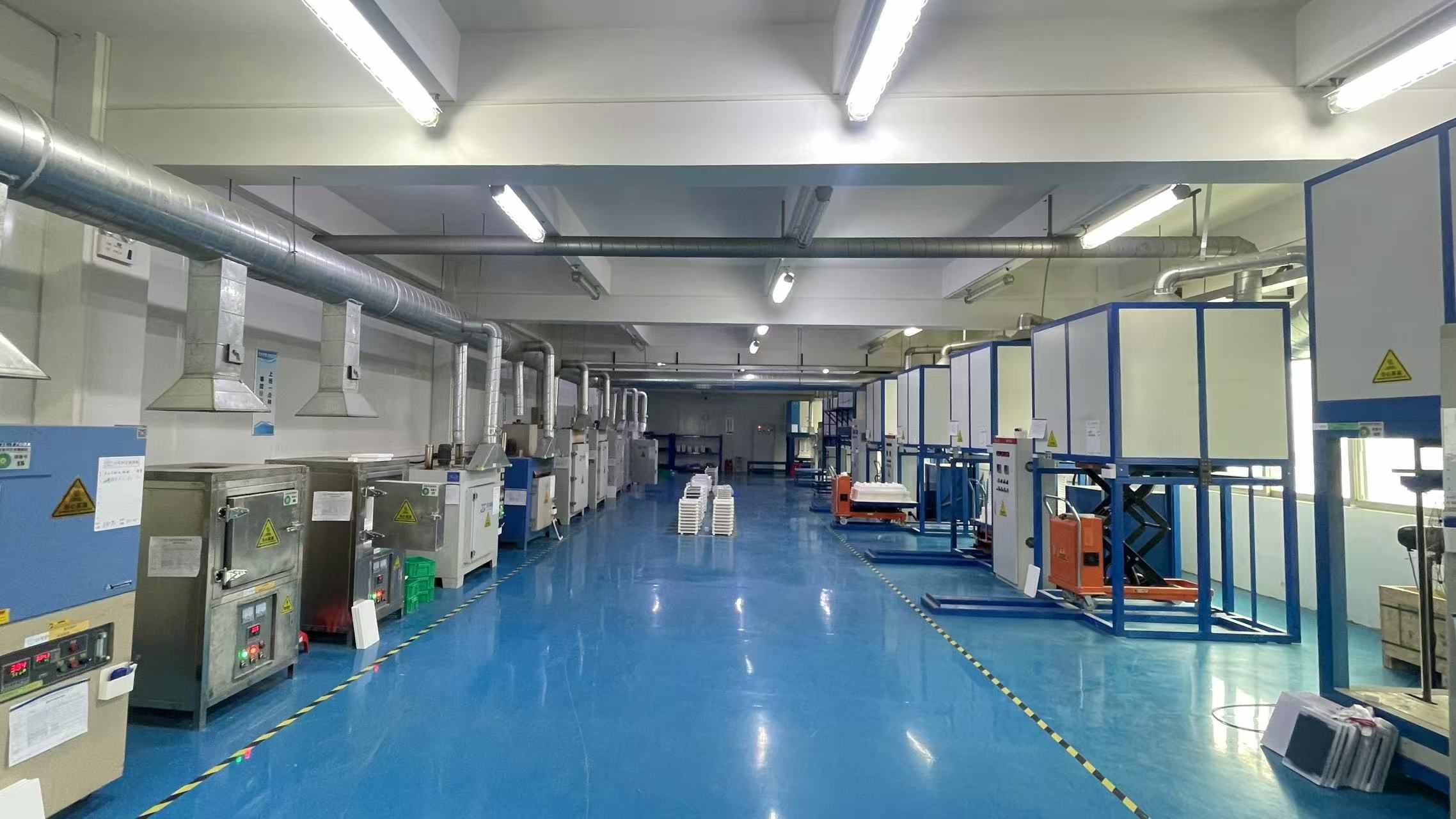
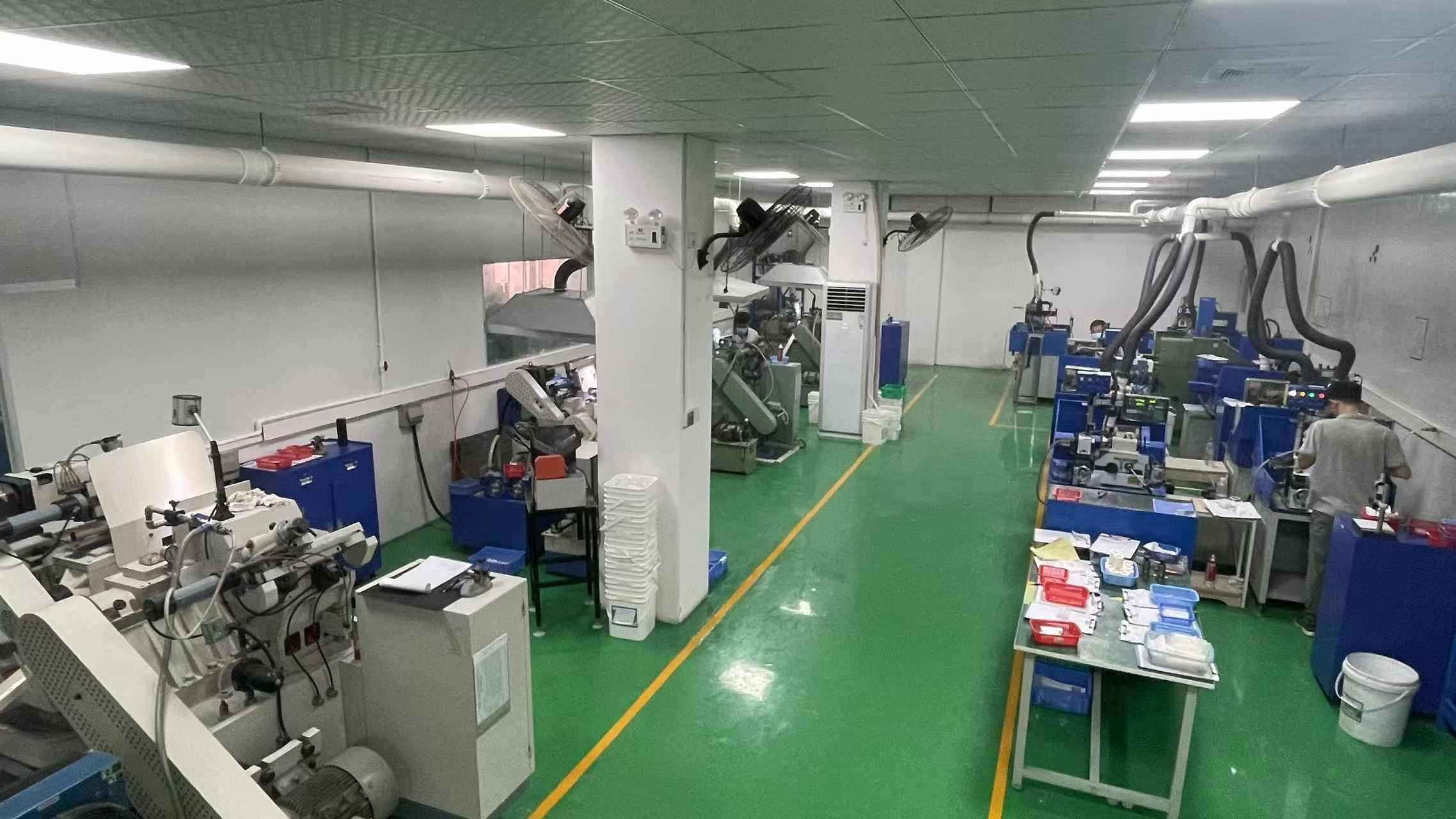
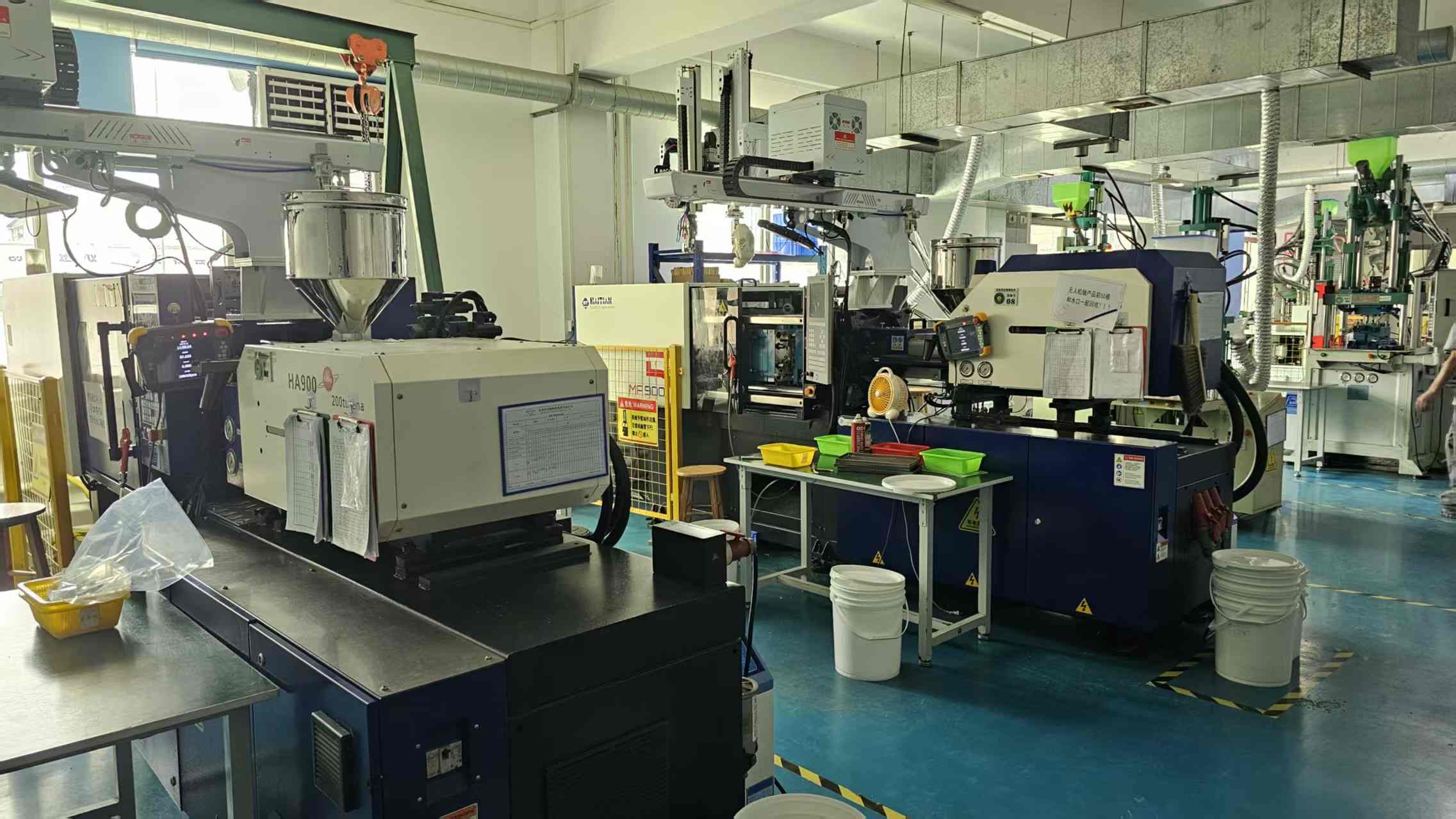
Our workshop
|
CNC Workshop |
Testing Room |
|
Surface grinding Workshop |
Sintering Workshop |
|
Circular Grinding Workshop |
Injection molding Machine Workshop |
Why choose us?
1.Customized R&D, rather than standard product adaptation
2.Deep control of materials science:Material Selection Based on Needs,Microstructure Optimization,Batch Consistency
3.Precision machining capability:Flatness can reach 0.001mm, parallelism 0.002mm, and roughness Ra 0.1μm.
FAQ
Q1: What products does your company offer?
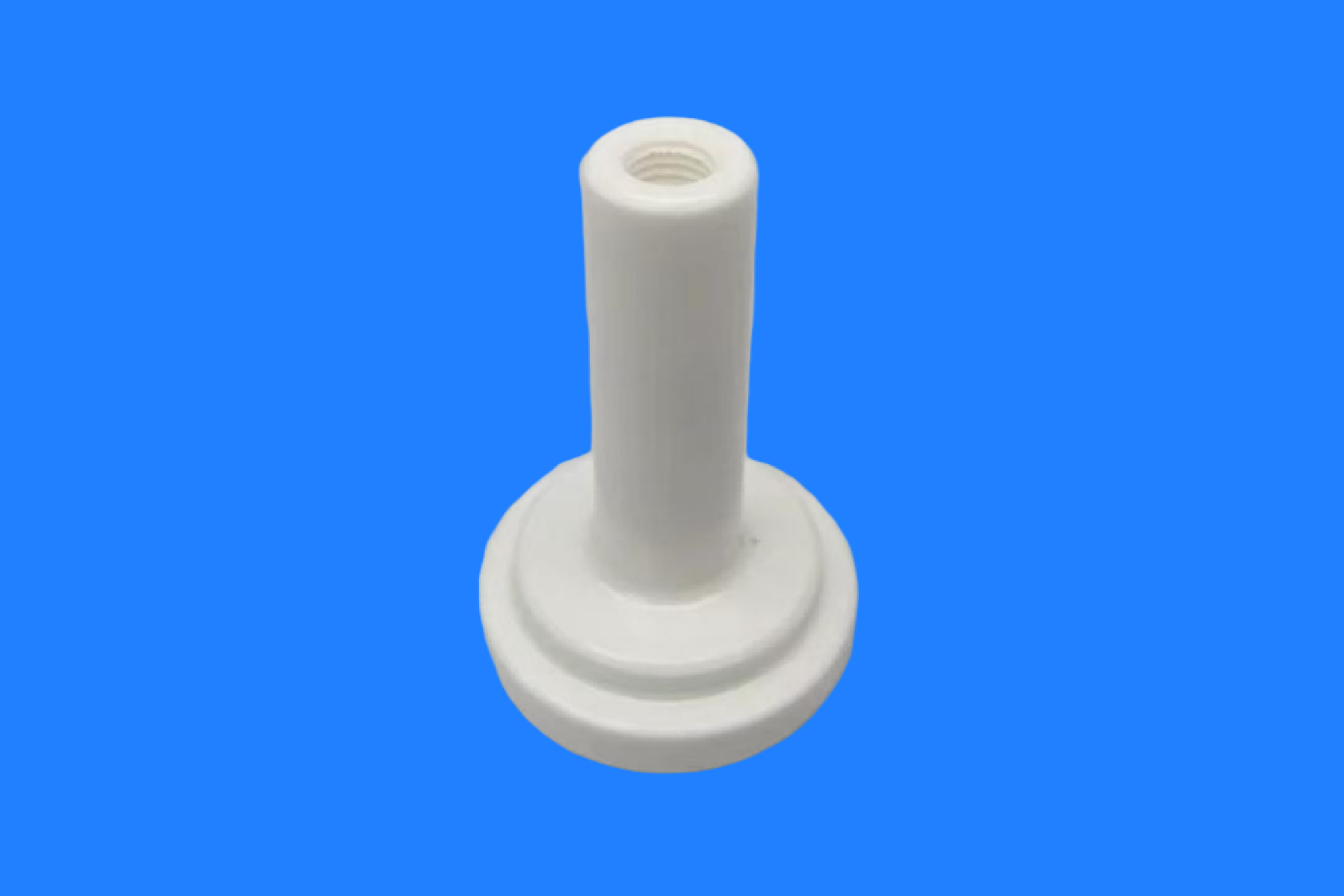
We specialize in high-performance ceramics such as alumina and silicon nitride, providing insulators, structural components, wear-resistant parts, and customized solutions.
Q2: Can you customize non-standard parts?
Yes. We support processing based on provided drawings and collaborative technical development, offering a full-process service from design to mass production.
Q3: What about accuracy and delivery time?
Standard tolerance ±0.05mm, precision grade ±0.01mm; samples 7-15 days, bulk orders 20-30 days.
Q4: Main application areas?
Power, electronics, machinery, chemical, and aerospace industries.
Q5: Quality assurance measures?
Full-process quality inspection, providing material reports and performance test data, supporting third-party certification and testing.
Q6: Do you provide technical support?
We provide professional support such as material selection consultation, design optimization, and failure analysis.



 IPv6 network supported
Leave A Message
Scan to Wechat :

Scan to WhatsApp :