Leave A Message
If you are interested in our products and want to know more details,please leave a message here,we will reply you as soon as we can.

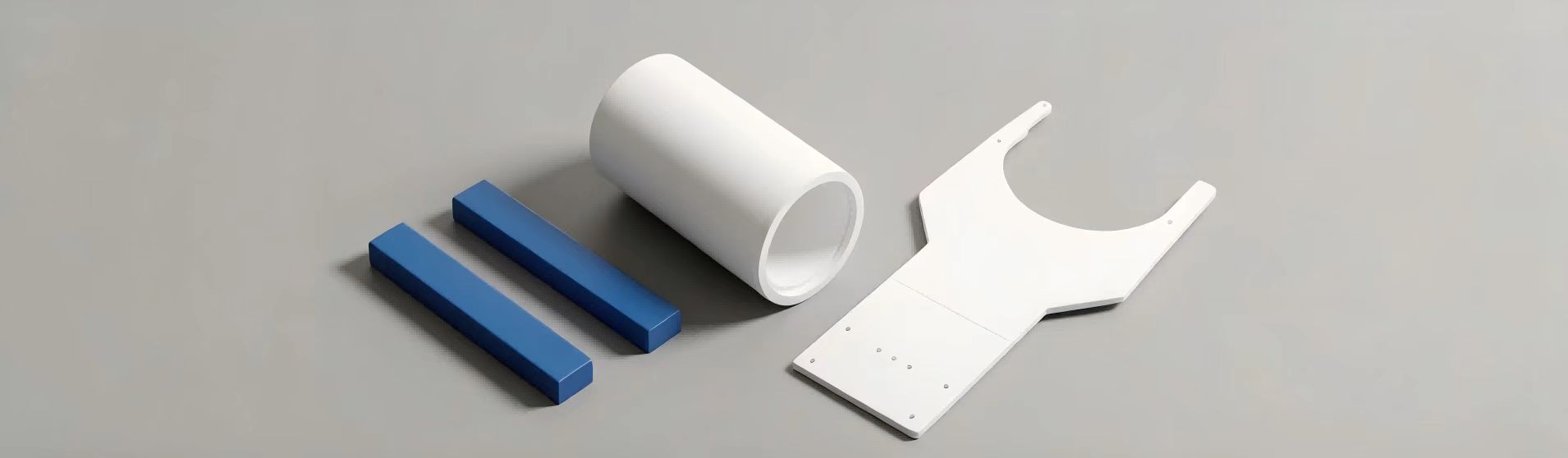
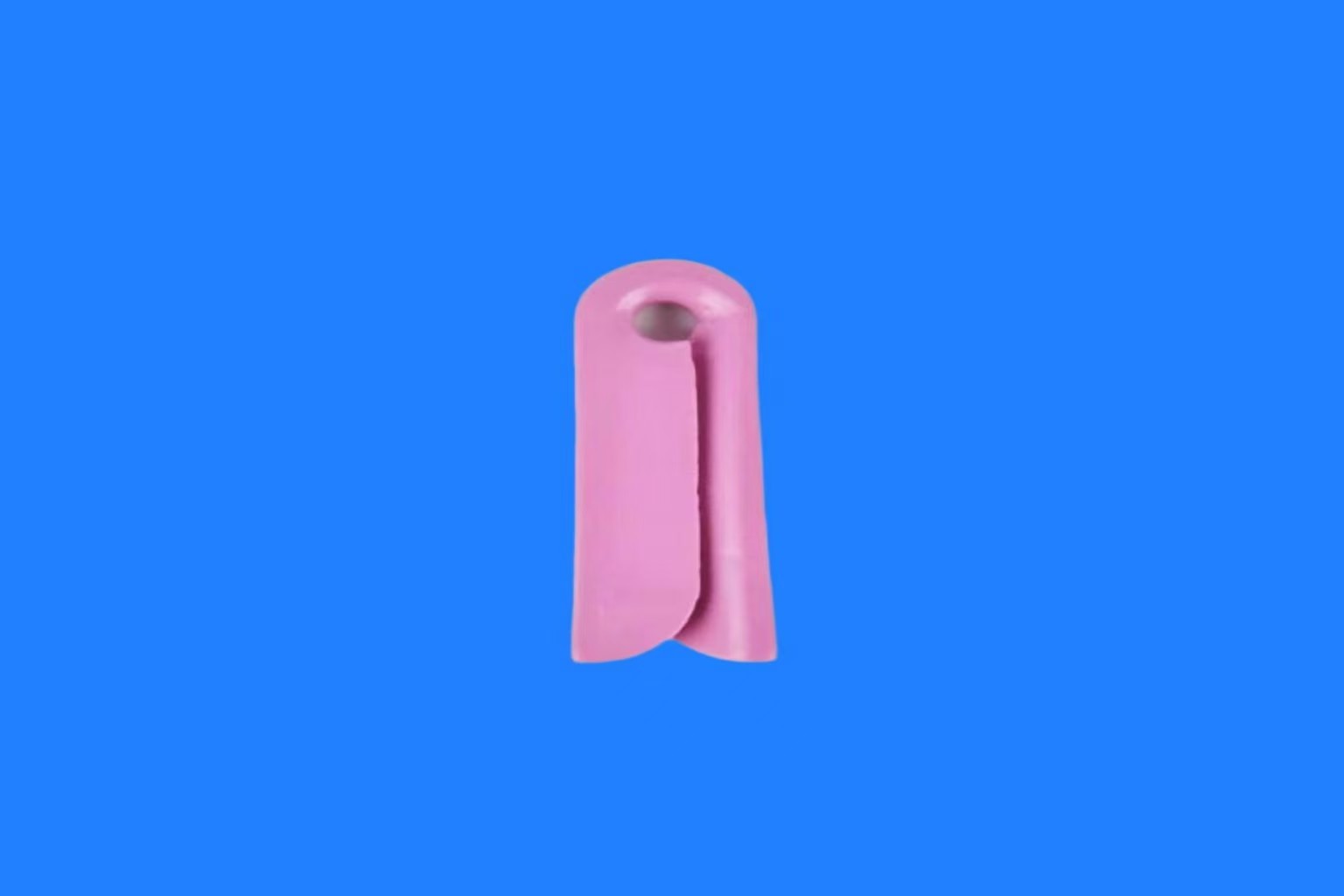
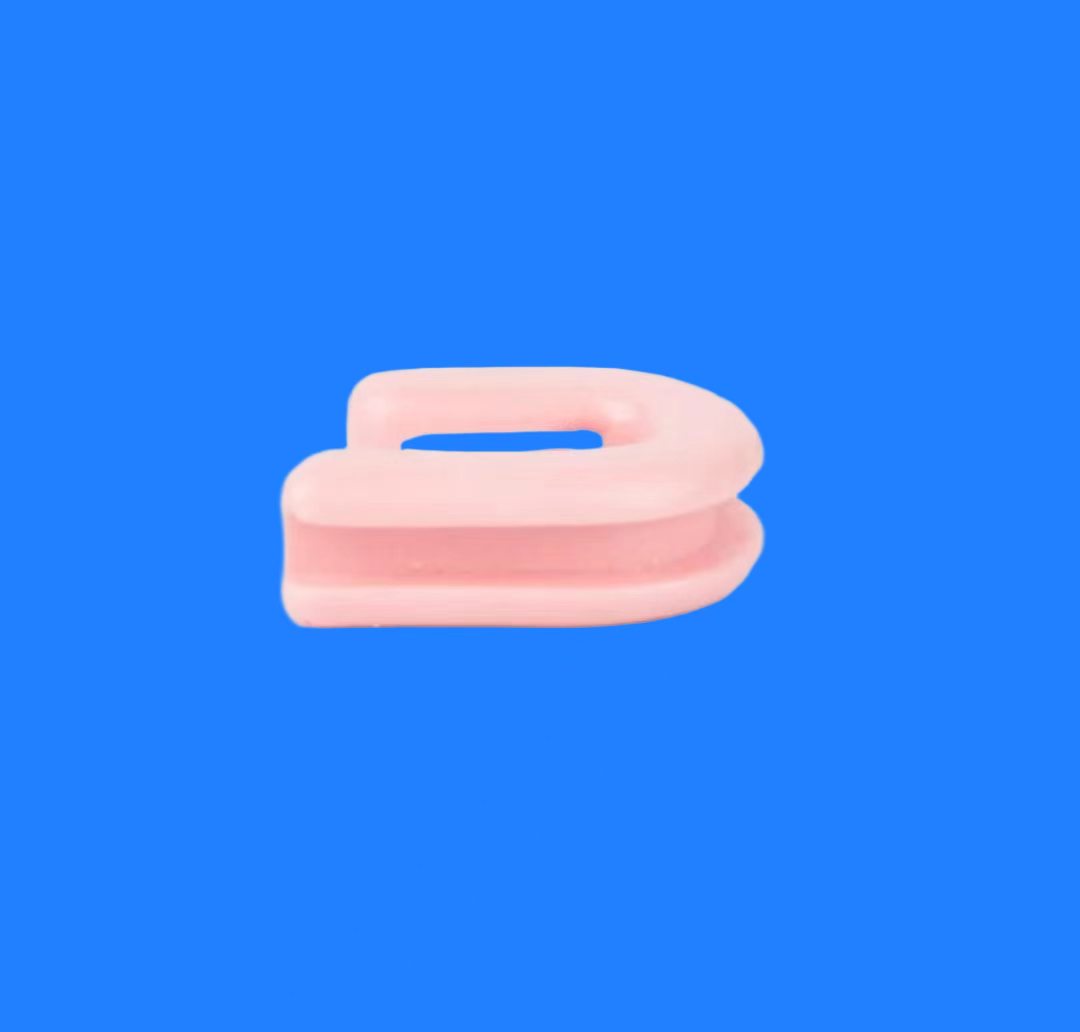
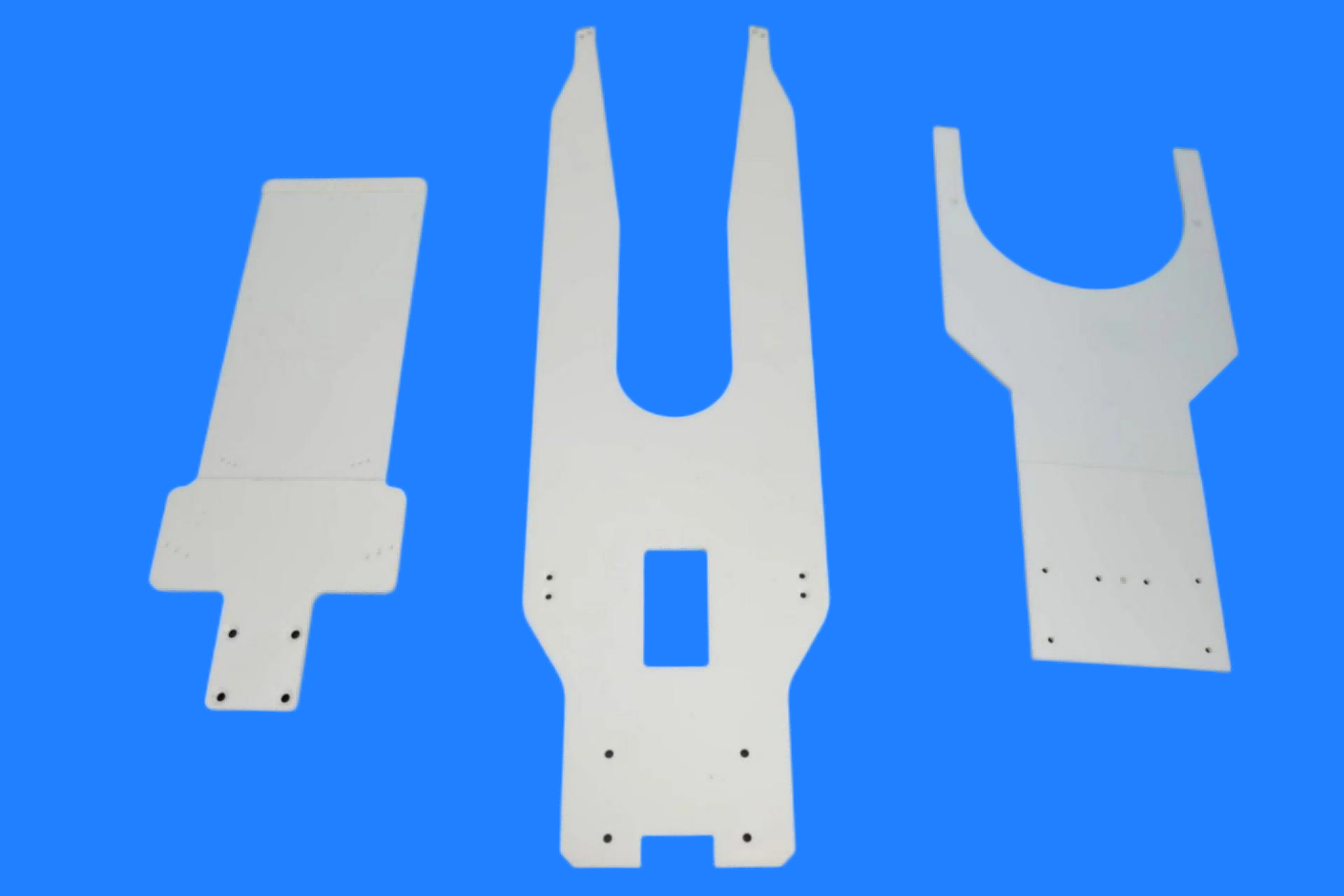
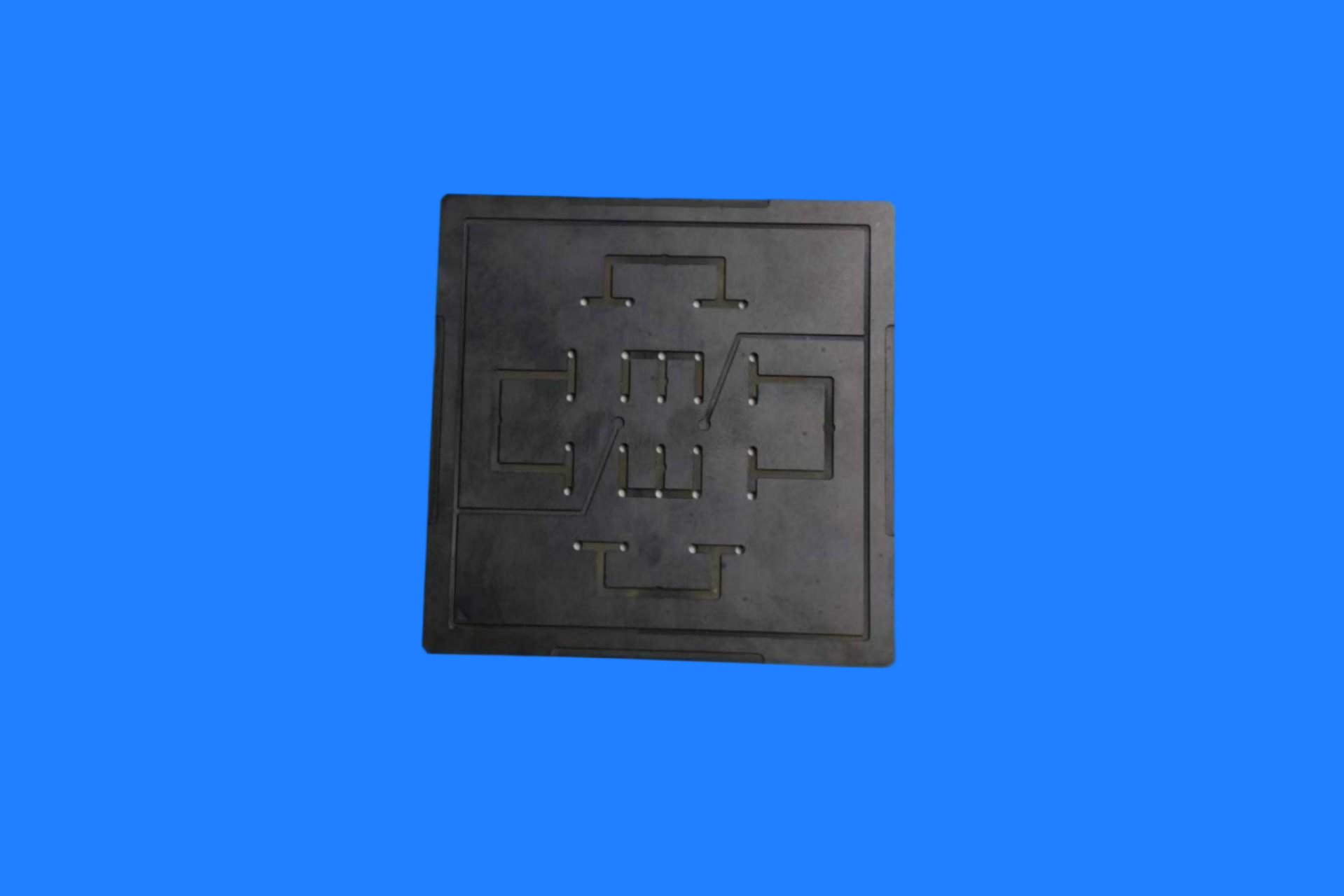
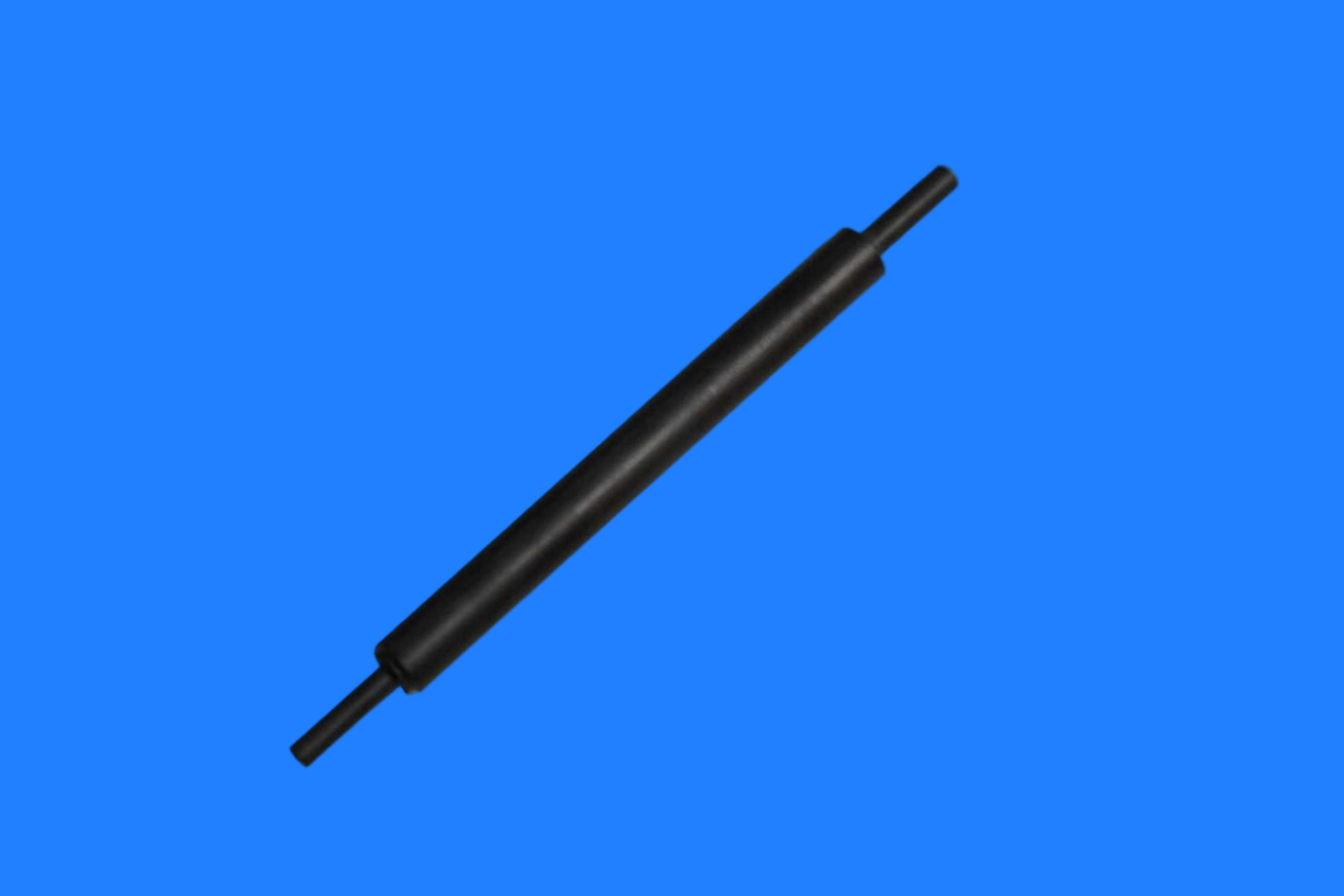
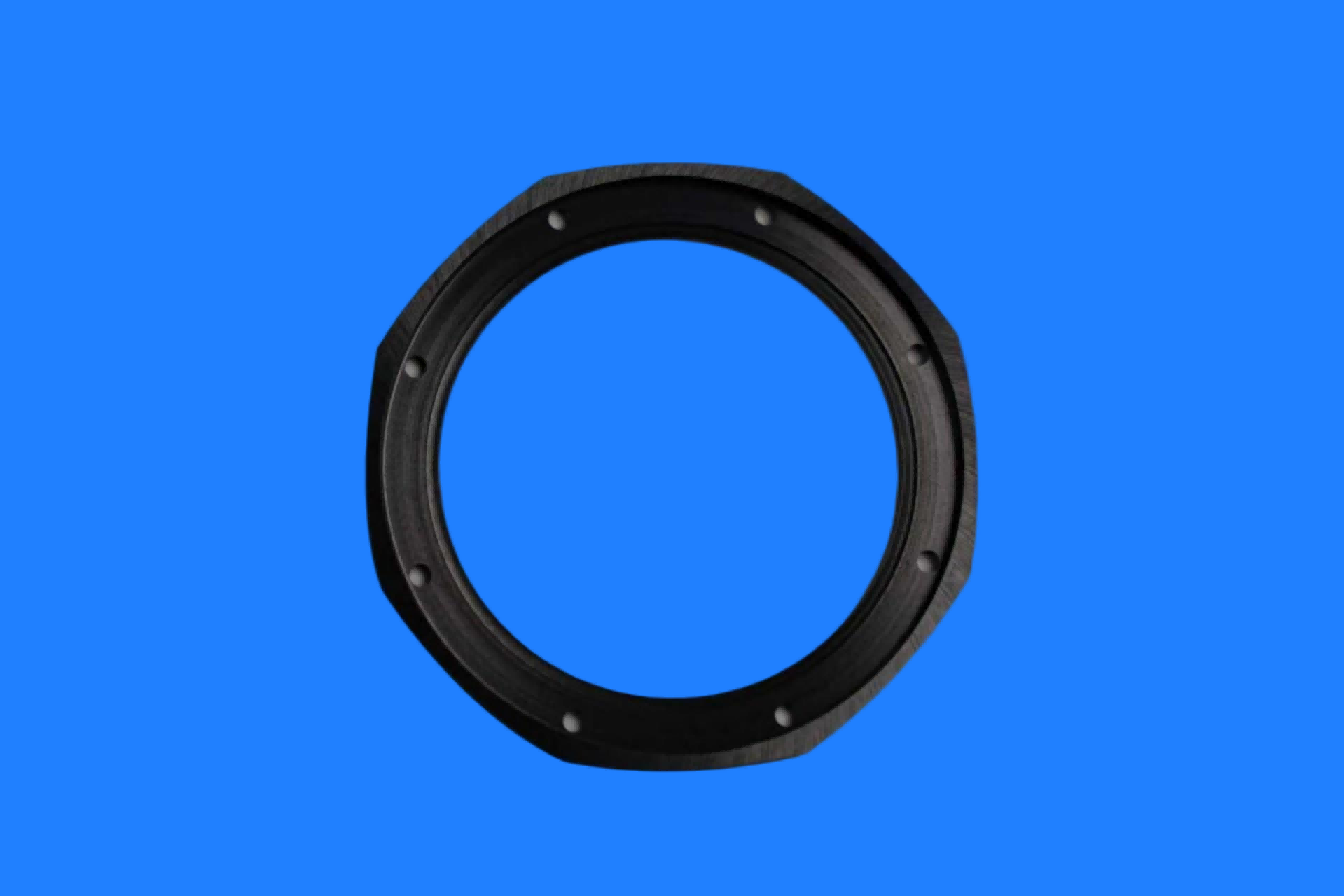
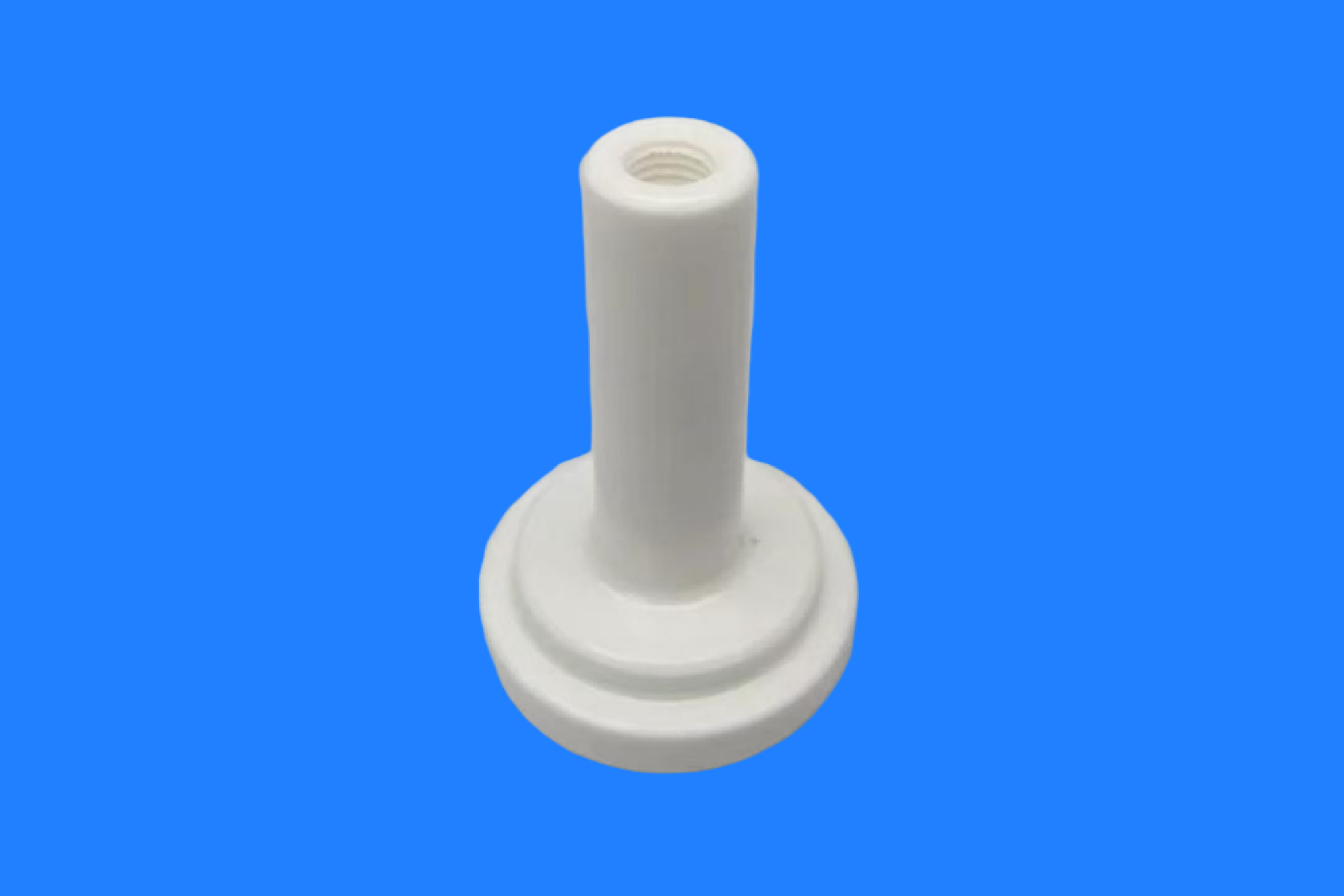
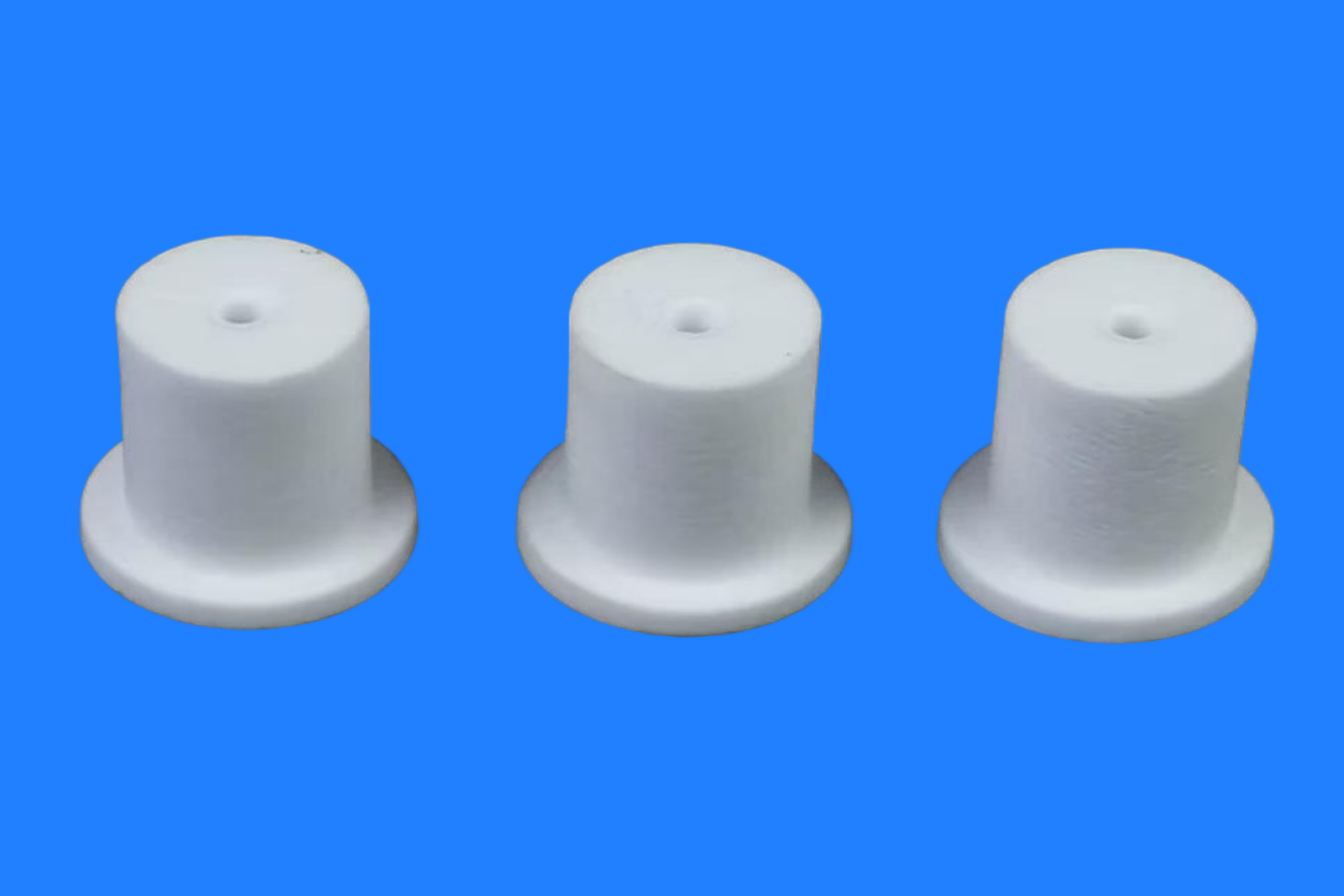
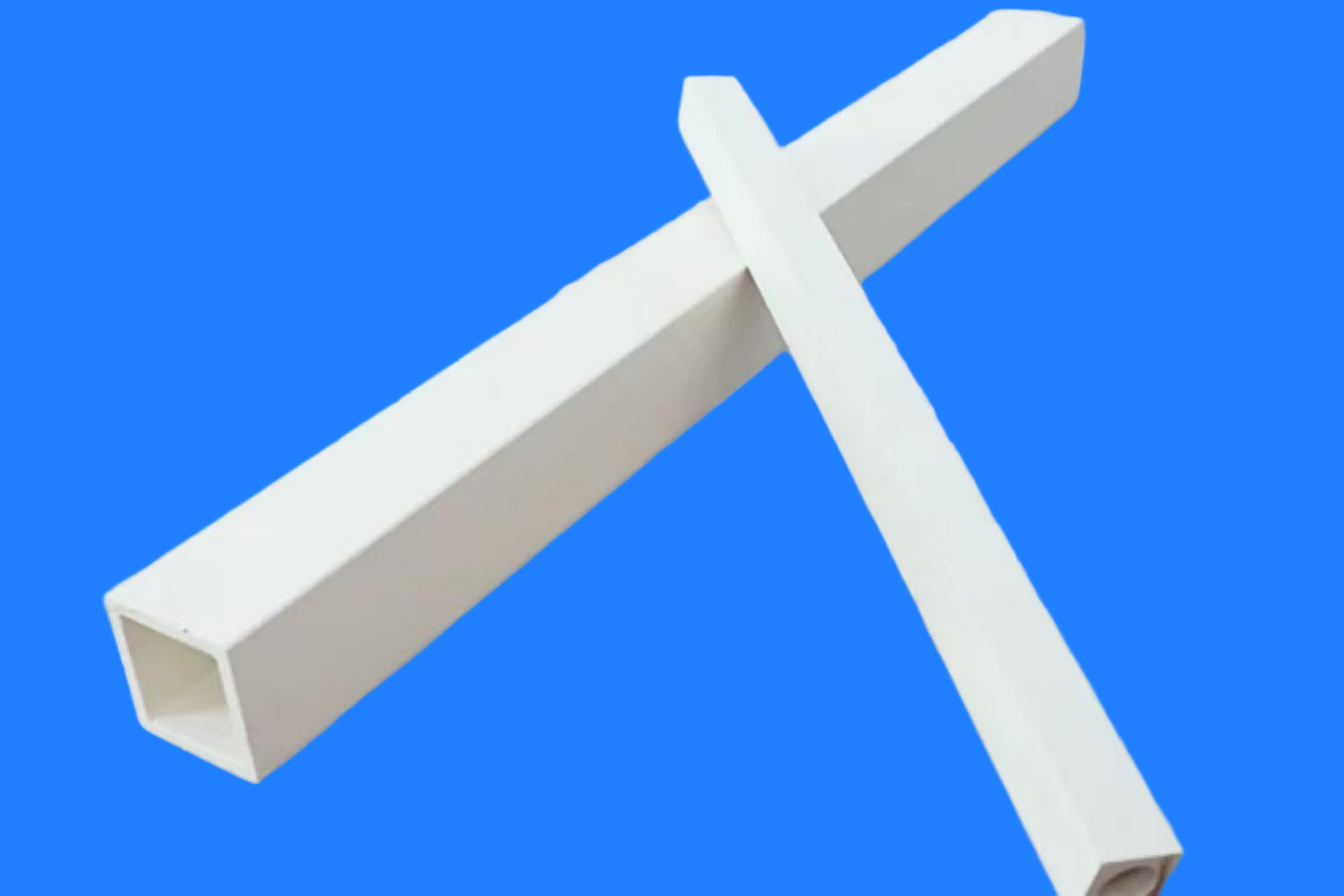
Alumina Ceramic Yarn Guides are key precision components in textile, chemical fiber, glass fiber, and specialty fiber production equipment. They are made from high-purity alumina (Al₂O₃) ceramic materials through precision molding and processing. Their main function is to provide precise guidance, tension control, and surface protection during the high-speed movement of fiber bundles, ensuring that the yarn passes through each process stage with a stable path and uniform tension, directly affecting the quality and production efficiency of the final product. As an upgraded alternative to metal wire guides, alumina ceramic wire guides have become a standard feature of modern high-end spinning equipment due to their ultra-hardness, wear resistance, smooth surface, and chemical inertness.
Wear-resistant Alumina Ceramic Yarn Guides for Precision Spinning
Product Description
Al2O3 Ceramic Yarn Guides, as a key precision component in the textile fiber industry chain, directly impact the quality grade and production efficiency of fiber products. With the development of fiber materials towards ultrafineness, functionalization, and high performance, and the evolution of spinning equipment towards high speed and intelligence, higher demands are placed on the precision, wear resistance, and reliability of yarn guides. Alumina ceramic yarn guides, with their unparalleled comprehensive performance advantages, are comprehensively replacing traditional metal yarn guides, becoming an inevitable choice for the upgrading of modern textile equipment. Continuous material innovation and process advancements will drive this core component towards higher performance, longer lifespan, and greater intelligence, providing solid support for the high-quality development of the global textile industry.
Key performance parameters
| Performance Indicators | 95% alumina | 99% alumina | 99.5% alumina |
| Density | 3.7 g/cm³ | 3.85 g/cm³ | 3.90 g/cm³ |
| Flexural Strength | 300 MPa | 350 MPa | 400 MPa |
| Hardness (HV) | 1400 | 1600 | 1800 |
| Elastic Modulus | 300 GPa | 350 GPa | 380 GPa |
| Surface Roughness (after polishing) | Ra ≤0.1 μm | Ra ≤0.05 μm | Ra ≤0.02 μm |
| Temperature Resistance | 1600℃ | 1700℃ | 1750℃ |
| Volume Resistivity | >10¹⁴ Ω·cm | >10¹⁵ Ω·cm | >10¹⁵ Ω·cm |
| Chemical Stability | Good | Excellent | Excellent |
Common Type Classification
| Classification Method | Type | Features and Applications |
| According to functional form | Guide wire wheel, guide wire hook, guide wire rod, guide wire plate, guide wire eye | Adapting to different guidance path requirements |
| According to the guide wire groove type | V-groove, U-groove, arc groove, double R groove | Matching yarn specifications and tension requirements |
| According to installation method | Center hole type, bushing type, flange type, embedded type | Adaptable to different equipment structures |
| By size specifications | Φ5mm-Φ120mm | Covering the entire range from microfiber to industrial filament |
| According to surface treatment | Mirror polishing, matte finish, coating modification | Optimization for different fiber properties |
Detailed Explanation of Core Advantages
1.Ultra-hard and wear-resistant, with an ultra-long service life.
Hardness reaches HV 1400-1800, second only to diamond and cubic boron nitride.
Wear resistance is 10-20 times that of quenched steel and 3-5 times that of cemented carbide.
Typical service life can reach 5-10 times or more than that of metal wire guides.
Significantly reduces equipment downtime for replacements and improves continuous production efficiency.
2.Ultra-smooth surface protects fiber quality.
Surface roughness can reach Ra ≤0.02 μm after precision polishing. Extremely low coefficient of friction significantly reduces fuzz generation during yarn passage. Avoids surface adhesion and grooving problems common with metal yarn guides. Particularly suitable for ultrafine fibers, filaments, and industrial yarns requiring extremely high surface quality.
3.Chemically inert and widely applicable.
Resistant to acids, alkalis, oils, dyes, and other textile chemicals. Does not chemically react with fibers, preventing pollution and discoloration. Suitable for various synthetic fibers (polyester, nylon, acrylic, etc.), glass fiber, carbon fiber, etc.
4.Lightweight and high-rigidity, ensuring high-speed stability.
Density is only half that of steel, effectively reducing centrifugal force during high-speed rotation.
High elastic modulus ensures no deformation during high-speed operation.
Reduced vibration and noise, improving equipment operational stability.
5.Excellent thermal stability
High temperature resistance and thermal shock resistance, adapting to temperature changes during spinning processes
Moderate thermal conductivity, preventing fiber damage due to localized overheating
Good dimensional stability, ensuring guiding accuracy for long-term use
Typical Application Scenarios
1.Chemical fiber spinning
| Process | Function | Key Requirements |
| Melt Spinning | Guide the melt stream to cool and solidify | High temperature resistance, resistance to polymer melt adhesion |
| Winding | Controlling the uniform distribution of fiber bundle tension | Ultra-smooth surface, high dynamic balancing accuracy |
| Stretching and Shaping | Ensure precise and consistent draw ratio | Wear resistance, dimensional accuracy |
| Twisted ply | Guiding the merging of multiple strands of fiber | Groove precision and impact resistance |
2.Glass fiber production
Guiding molten glass to form fibers
Resistant to high-temperature friction of glass fibers (drawing temperature approximately 1200℃)
Resisting the corrosion of metals by molten glass
3.Carbon fiber and high-performance fibers
Precision guidance during the pre-oxidation and carbonization process of precursor fibers
Preventing fiber surface damage that could lead to performance degradation
Resistant to chemical atmosphere corrosion
Carbon fiber and high-performance fibers
Precision guidance during the pre-oxidation and carbonization process of precursor fibers
Preventing fiber surface damage that could lead to performance degradation
Resistant to chemical atmosphere corrosion
4.Textile finishing
| Process | Application Characteristics |
| Orthogonal | Multiple filament bundles are guided in parallel, requiring high consistency. |
| Sizing | Slurry chemical corrosion resistance |
| Weaving | High-speed reciprocating motion, resistant to impact and wear |
| Dyeing | Resistance to dye and auxiliary corrosion |
Selection Technical Guide
1.Key parameters for selection
Fiber material and specifications → Determine the type of guide channel and surface roughness requirements
Operating speed → Determines the dynamic balance level and wear resistance requirements
Tension range → Determines structural strength and channel design
Process temperature → Determines the alumina purity level
Chemical environment → Determines whether a special protective coating is required
Installation interface → Determines the guide's shape and fixing structure
2.Common Selection Comparison
| Application Areas | Recommended Materials | Surface Requirements | Special Design |
| Microfiber (<1D) | 99.5% Al₂O₃ | Ra≤0.02μm mirror | Ultra-precision slot type |
| Polyester/Nylon Filament | 99% Al₂O₃ | Ra≤0.05μm | Standard Channel |
| Industrial yarn (high-strength yarn) | 99% Al₂O₃ | Ra≤0.1μm | Strengthen the structure |
| Fiberglass | 99.5% Al₂O₃ | Ra≤0.05μm | High temperature resistant design |
| Carbon fiber precursor | 99.5% Al₂O₃ | Ra≤0.02μm+coating | Inert atmosphere compatible |
| High-speed spinning (>6000m/min) | 99% Al₂O₃ | Ra≤0.05μm | High-precision dynamic balancing |
Usage and Maintenance
1.Installation Points
Cleaning and inspection: before installation, confirm that the wire guide surface is free of dents and cracks.
Alignment and calibration: ensure that the center of the wire guide groove is precisely aligned with the wire path.
Tightening properly: ensure that the torque of the fixing screws is moderate to prevent ceramic cracking.
Pre-run check: run at low speed to confirm that there is no abnormal vibration or noise.
2.Routine maintenance
| Maintenance Project | Cycle | Key points of operation |
| surface cleaning | each class | wipe with a soft cloth to remove fiber residue and dust. |
| trough type inspection | weekly | microscopic examination of groove wear |
| dynamic balancing test | per month |
high-speed guide rollers need to be calibrated regularly. |
| change judgment | as needed | replace if groove wear exceeds tolerance or surface damage. |
3.Storage Requirements
Individually packaged to avoid collisions. Protect from moisture and dust; store in a clean environment. Avoid storing with hard objects.
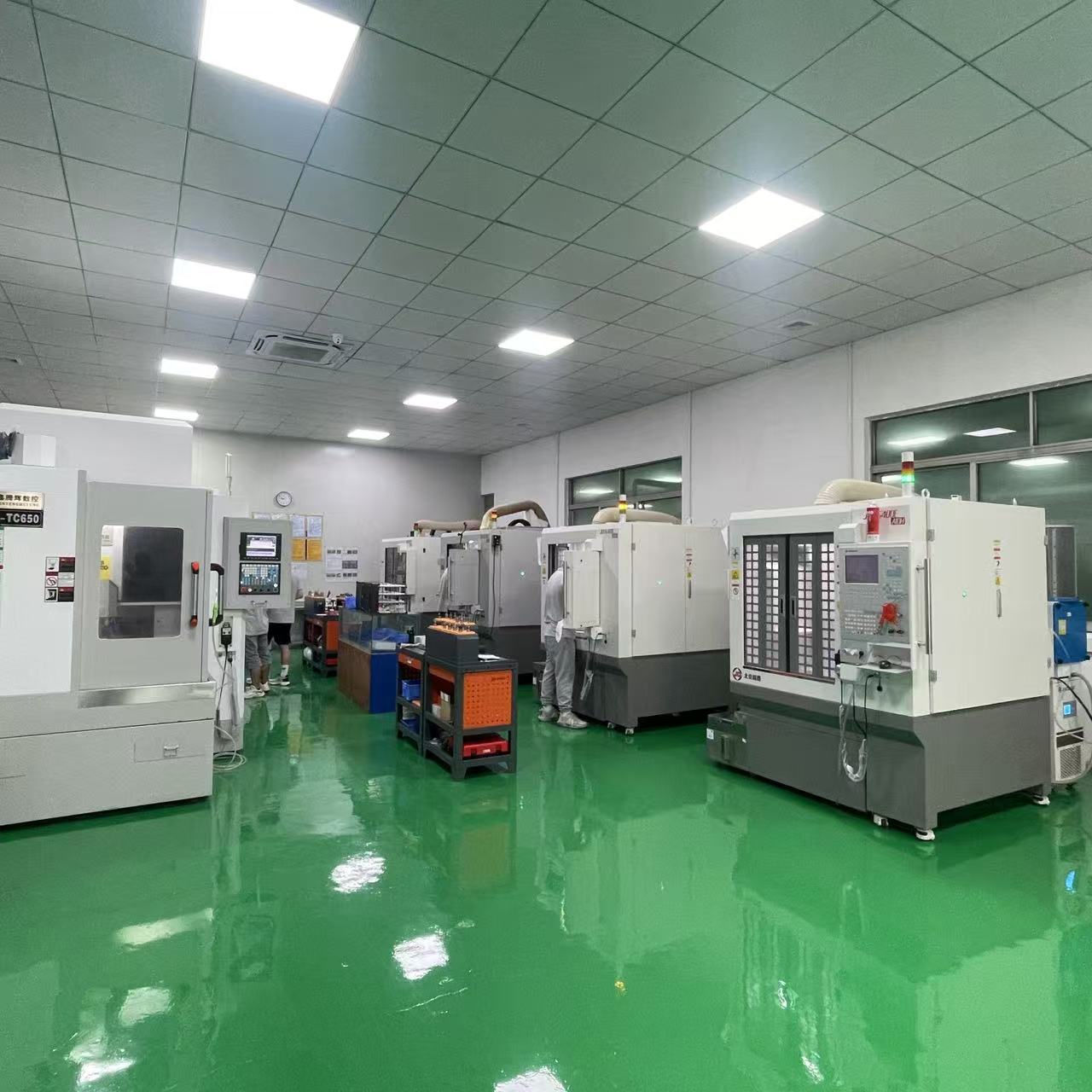
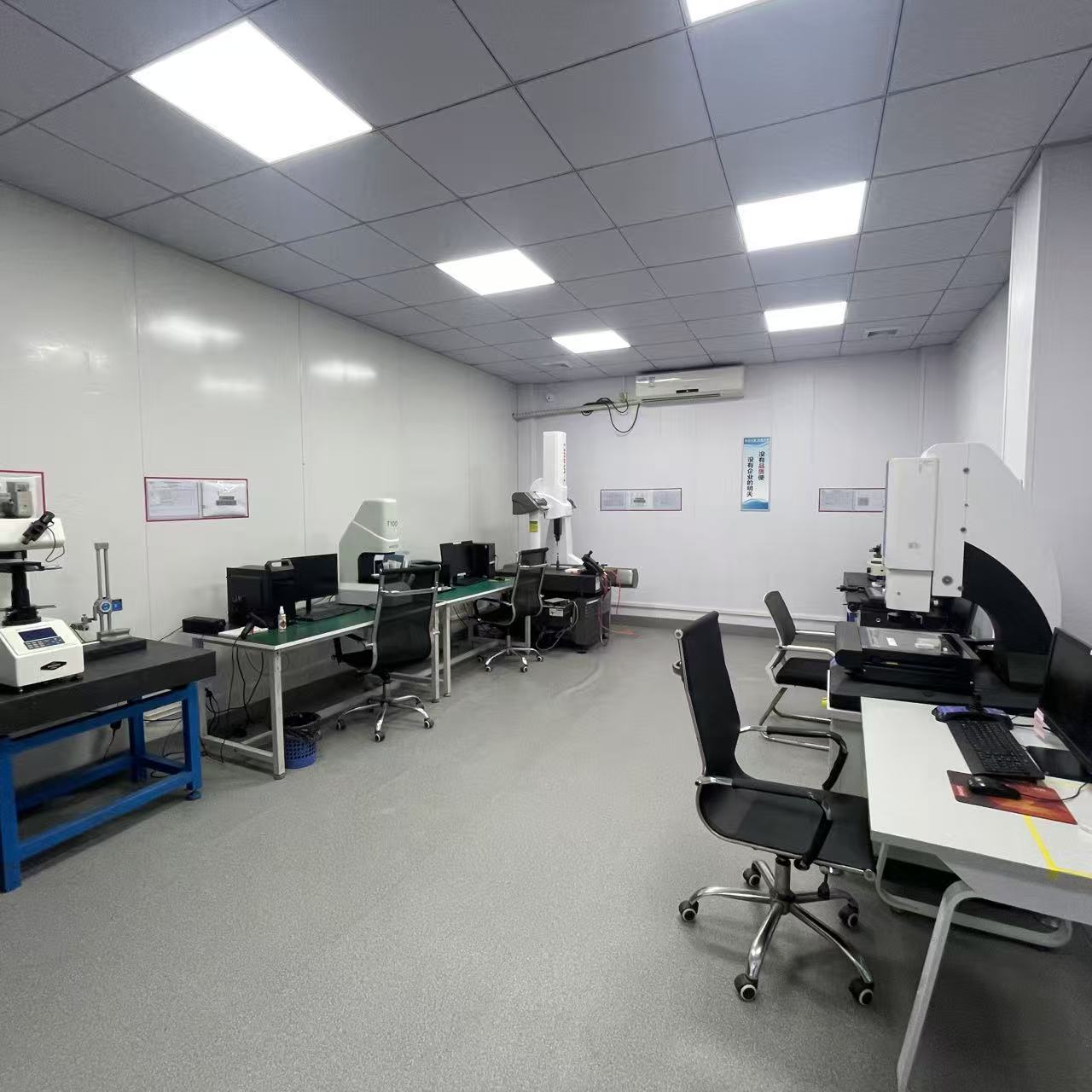
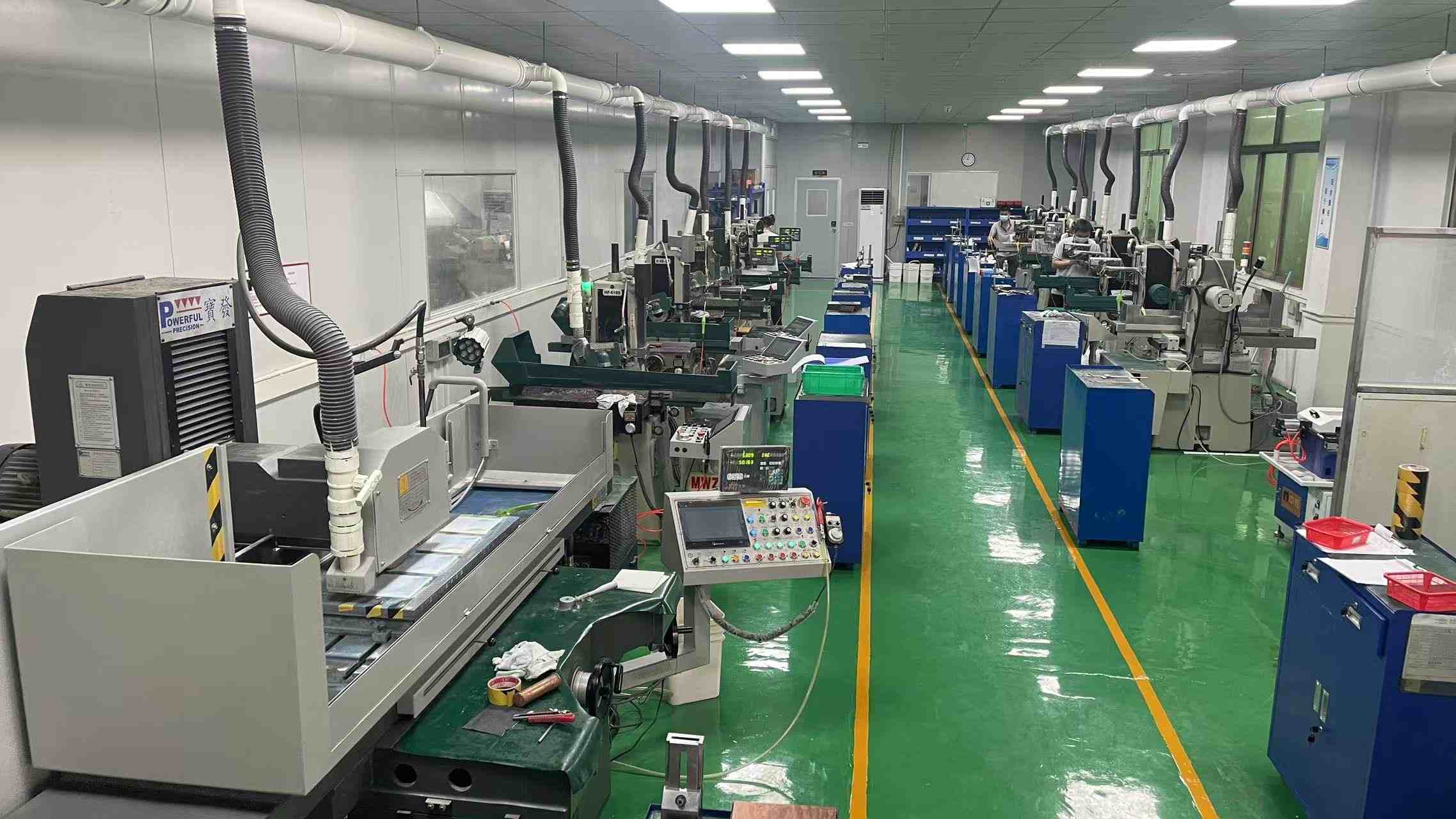
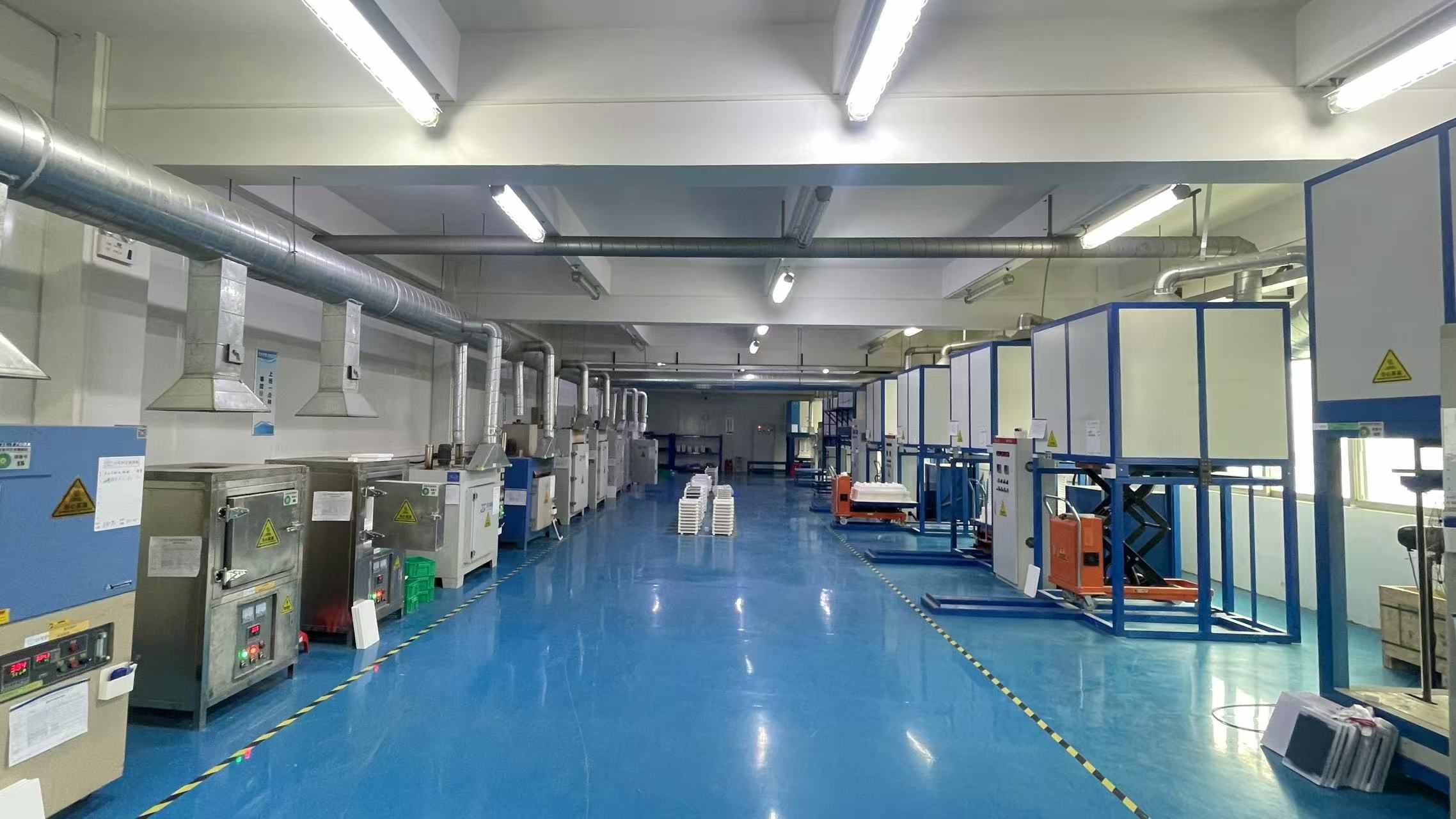
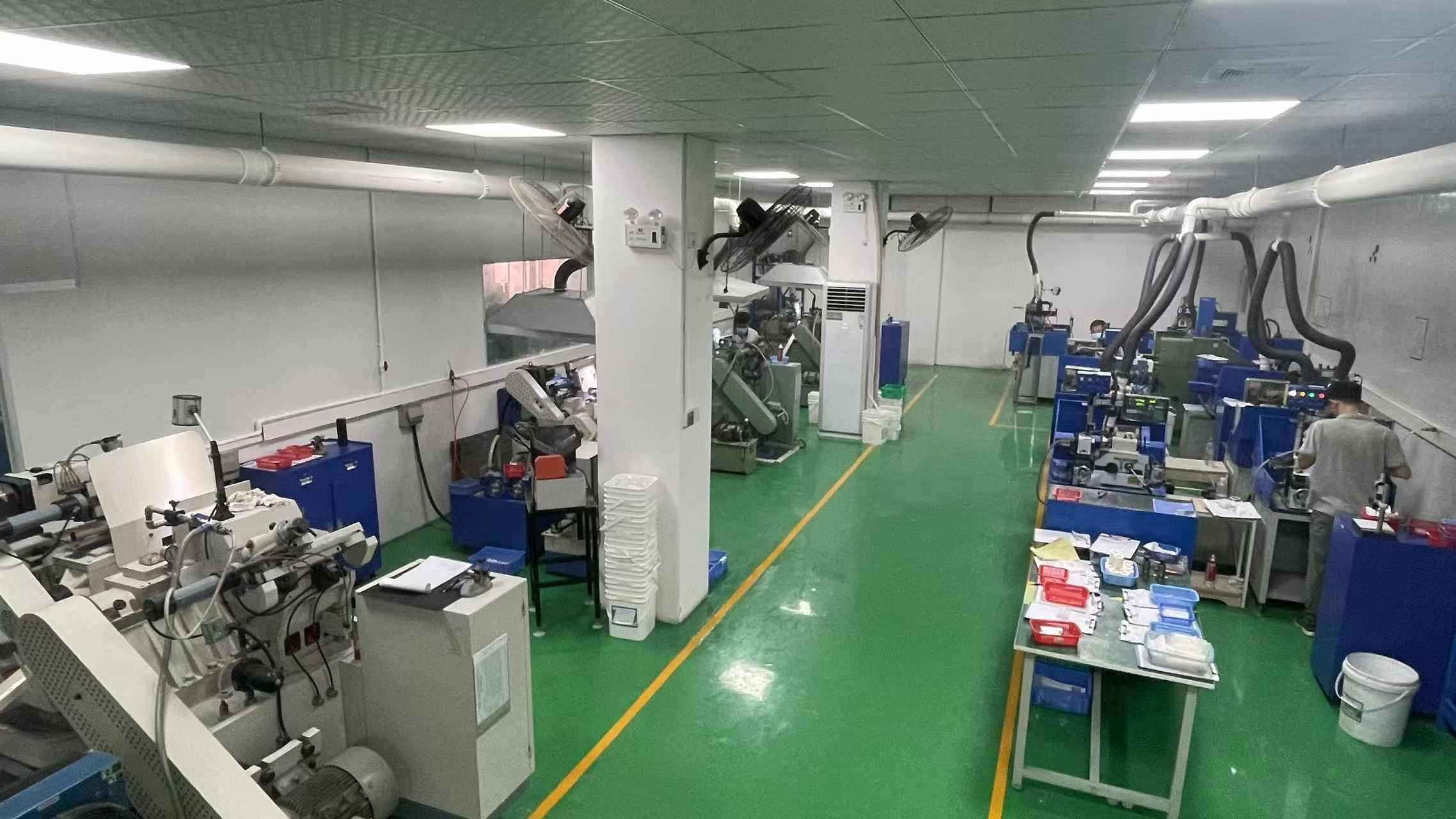
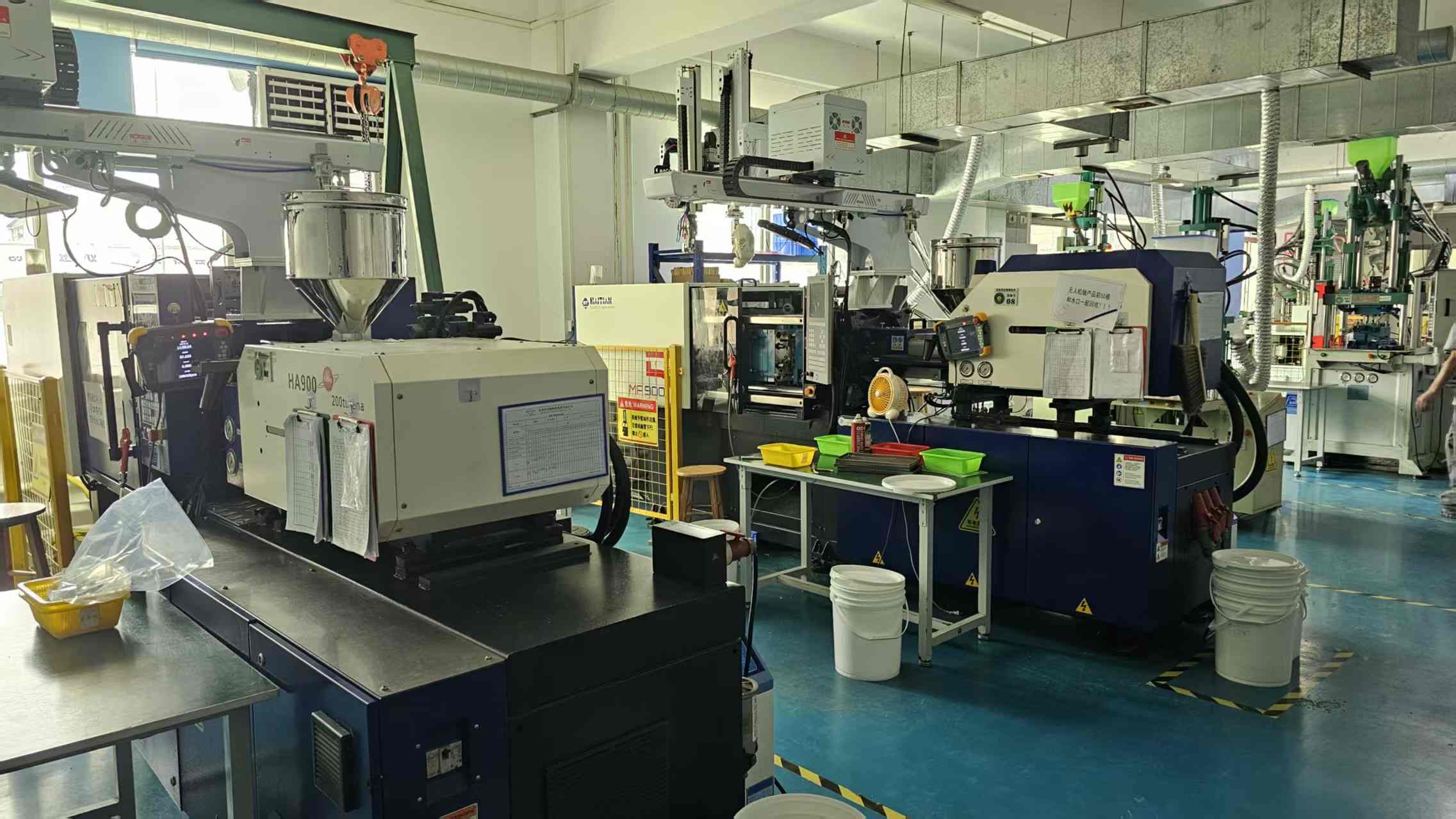
Our workshop
|
CNC Workshop |
Testing Room |
|
Surface grinding Workshop |
Sintering Workshop |
|
Circular Grinding Workshop |
Injection molding Machine Workshop |
Why choose us?
1.Customized R&D, rather than standard product adaptation
2.Deep control of materials science:Material Selection Based on Needs,Microstructure Optimization,Batch Consistency
3.Precision machining capability:Flatness can reach 0.001mm, parallelism 0.002mm, and roughness Ra 0.1μm.
FAQ
Q1: What products does your company offer?
We specialize in high-performance ceramics such as alumina and silicon nitride, providing insulators, structural components, wear-resistant parts, and customized solutions.
Q2: Can you customize non-standard parts?
Yes. We support processing based on provided drawings and collaborative technical development, offering a full-process service from design to mass production.
Q3: What about accuracy and delivery time?
Standard tolerance ±0.05mm, precision grade ±0.01mm; samples 7-15 days, bulk orders 20-30 days.
Q4: Main application areas?
Power, electronics, machinery, chemical, and aerospace industries.
Q5: Quality assurance measures?
Full-process quality inspection, providing material reports and performance test data, supporting third-party certification and testing.
Q6: Do you provide technical support?
We provide professional support such as material selection consultation, design optimization, and failure analysis.



 IPv6 network supported
Leave A Message
Scan to Wechat :

Scan to WhatsApp :