Leave A Message
If you are interested in our products and want to know more details,please leave a message here,we will reply you as soon as we can.

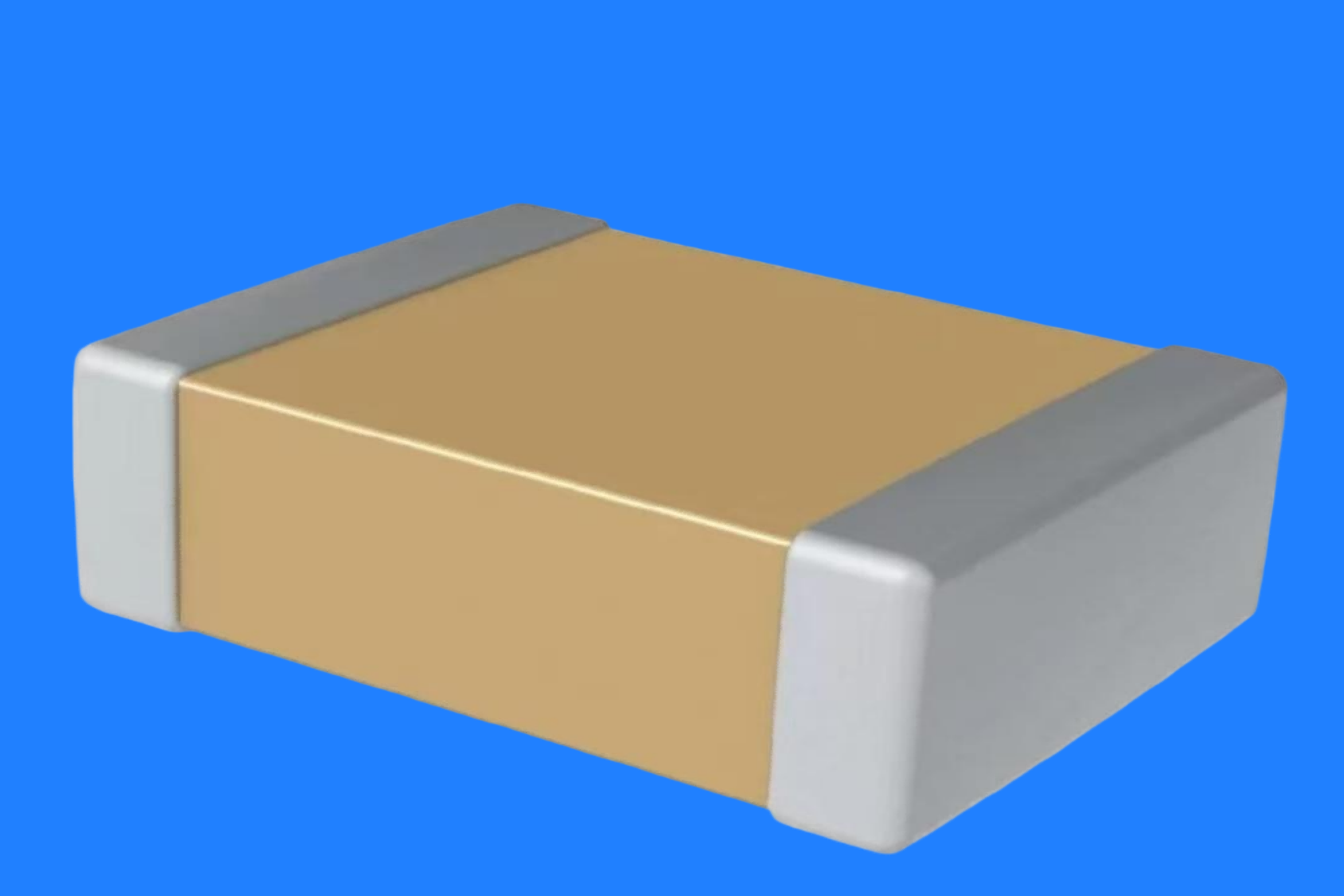
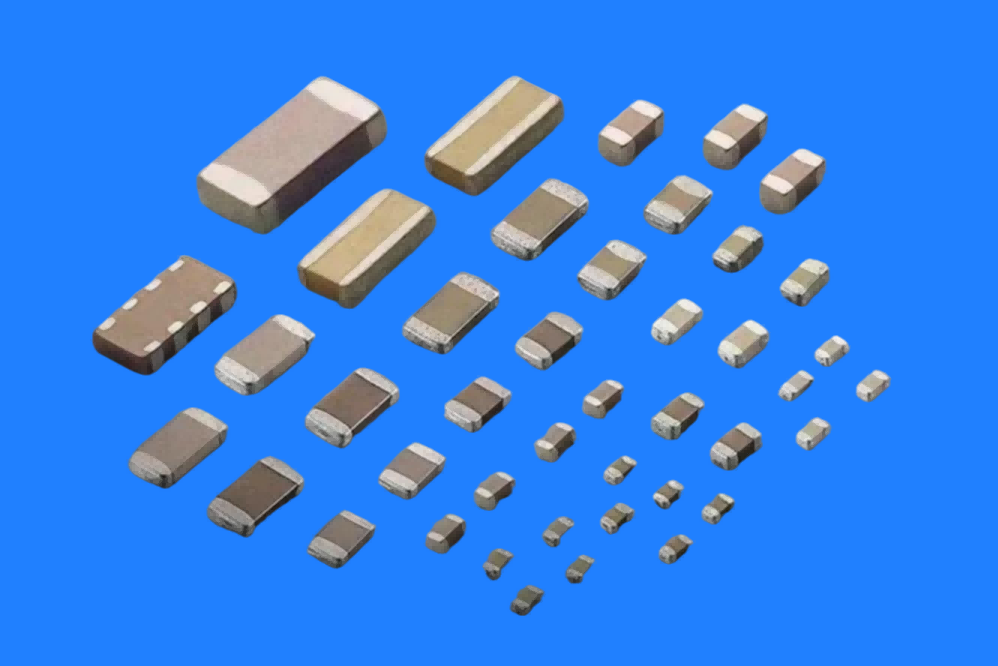
Ceramic MLCC is the most widely used passive components in the electronics industry. Leveraging the high insulation and high dielectric constant of the alumina ceramic dielectric and the multilayer lamination process, they achieve advantages such as small size, large capacitance, and low loss. They are widely used in power supply filtering, signal decoupling, and EMI suppression scenarios in consumer electronics, automotive, communications, and new energy fields, making them an indispensable "industrial staple" in electronic equipment.
Alumina-based Multilayer Ceramic Capacitor for Electronics Industry
Product Description
Alumina-based Ceramic Capacitors (MLCCs) are multilayer ceramic chip capacitors with high-purity alumina (Al₂O₃) ceramic as the substrate/dielectric skeleton. As one of the most critical passive components in electronic circuits, they are formed by alternating layers of ceramic dielectric films and metal internal electrodes through sintering. They possess ultra-high capacitance density, excellent high-frequency characteristics, and outstanding reliability, and are widely used in consumer electronics, communication equipment, automotive electronics, and industrial control.
Product Advantages
The Core Value of Alumina Substrates
Alumina (Al₂O₃) is the most widely used ceramic substrate material in the electronics industry, serving a triple function in MLCC manufacturing: structural support, insulation, and thermal management. Compared to other ceramic substrate materials, alumina-based MLCCs have the following significant advantages:
| Performance Indicators | 96% Al₂O₃ | AlN | ZrO₂ |
| Thermal Conductivity (W/m·K) | 18~35 | 170~230 | 2~3 |
| Dielectric Constant (1MHz) | 9.3~9.8 | 8.5~9.0 | 18~25 |
| Coefficient of Thermal Expansion (×10⁻⁶/°C) | 6.3~7.2 | 4.4~4.7 | 10.5 |
| Volume Resistivity (Ω·cm) | >10¹⁴ | >10¹⁵ | >10¹⁴ |
| Three-point Bending Strength (MPa) | 350~450 | 300~400 | 800~1200 |
| Cost Index | 1 (Benchmark) | ~10 times | ~3 times |
Unique Advantages of Alumina-based MLCCs:
Multilayer Stacked Structure
Alumina-based MLCCs employ an alternating stacked structure of "ceramic dielectric layer + metal internal electrode":
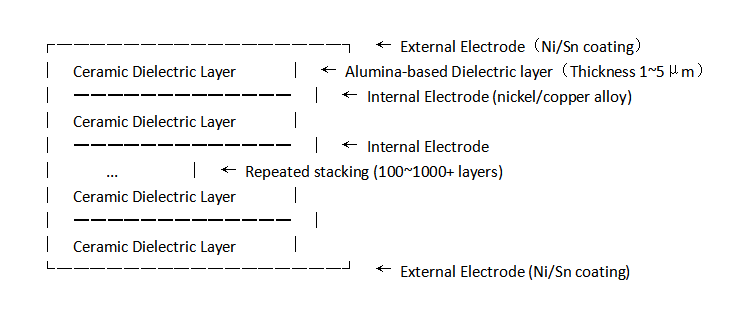
Structural Features
Precision Manufacturing Process
Employing a core process chain of casting + screen printing + high-temperature co-firing.
Step 1: Slurry Preparation and Casting
High-purity alumina nanoparticles (D50≈0.5μm) are mixed with organic binder and solvent. A casting blade uniformly coats the mixture onto a carrier film, forming a 20~50μm wet film. After drying, a dense and uniform ceramic green belt is obtained.
Step Two: Internal Electrode Printing
Using nickel (Ni) or copper (Cu) based electrode paste, screen printing is performed with a precision of ±2μm, and the electrode pattern is designed with staggered layering.
Step 3: Lamination and Isostatic Pressing
The automatic lamination machine precisely aligns the layers, performing isostatic pressing of 100~1000+ layers (pressure 20~50MPa) to eliminate interlayer air gaps.
Step 4: High-Temperature Co-firing
Sinter at a controlled temperature of 1140℃~1340℃ for 2~4 hours, simultaneously densifying the alumina substrate and metal electrodes to form an integrated structure.
Step 5: External Electrode Fabrication and Testing
After end-face grinding, an external electrode (Cu/Ni/Sn multilayer plating) is coated. 100% electrical performance testing is performed: capacitance, loss, insulation resistance, and withstand voltage.
Electrical Performance Indicators
| Parameter | Specifications Range | Typical Value |
| Nminal Capacity | 1pF ~ 1000μF | depending on size and media type |
| Rated Voltage | 6.3V ~ 3000V | common 16V/50V/100V/250V |
| Capacity Accuracy | ±0.1pF ~ ±20% | C0G: ±5%; X7R: ±10% |
| Equivalent Series Resistance (ESR) | 1mΩ ~ 100mΩ | high frequency products <10mΩ |
| Equivalent Series Inductance (ESL) | 0.1nH ~ 1nH | 01005 dimensions < 0.1nH |
| Insulation Resistance | >10⁴ MΩ·μF or >1000MΩ | >10⁴ MΩ·μF at room temperature |
| Loss Tangent (tanδ) | <0.001 ~ 0.15 | C0G: <0.001; X7R: <0.025 |
| Quality Factor (Q) | >100 ~ >1000 | high-frequency radio frequency Q>1000 |
Physical and Environmental Performance
| Parameter | Index |
| Operating Temperature Range | -55℃ to +150℃ (automotive grade can reach +175℃) |
| Heat Resistance to Welding | 260℃/10s (lead-free reflow soldering) |
| Damp Heat Load Life | capacity change <±10% at 85℃/85%RH/1000h. |
| High Temperature Load Life | capacity change < ±10% at 125℃/rated voltage/1000h. |
| Mechanical Shock | 100G/6ms, no structural damage |
| Vibration | 10~2000Hz/20G, no structural damage |
Typical Application Scenarios
1.Consumer Electronics Sector
Smartphones/Tablets: power decoupling, RF matching, audio filtering
TWS Earphones: ultra-small 01005/0201 packages for high-density integration
Wearable Devices: low ESR for extended battery life
2.Communication Infrastructure
5G Base Stations: high-Q MLCCs are used in the RF front-end matching network to ensure signal bandwidth.
Optical Modules: high-frequency, low-loss characteristics support 25G/100G/400G high-speed transmission.
Servers/Data Centers: large-capacity MLCC arrays are used for CPU/GPU power decoupling.
3.Automotive Electronics (Automotive-grade AEC-Q200 Certification)
ADAS System: high-Temperature Stability Ensures Reliable Operation of Radar/Camera Modules
BMS Battery Management: high-voltage MLCCs are used for voltage sampling and filtering
On-Board Charger (OBC): X7R dielectric withstands high-temperature and high-humidity environments
4.Industrial & New Energy
Photovoltaic Inverters: High-voltage, high-capacity MLCCs for DC-Link filtering
Industrial Frequency Inverters: Vibration-resistant design adapts to harsh operating conditions
LED Drivers: High-temperature, long-life characteristics reduce maintenance costs
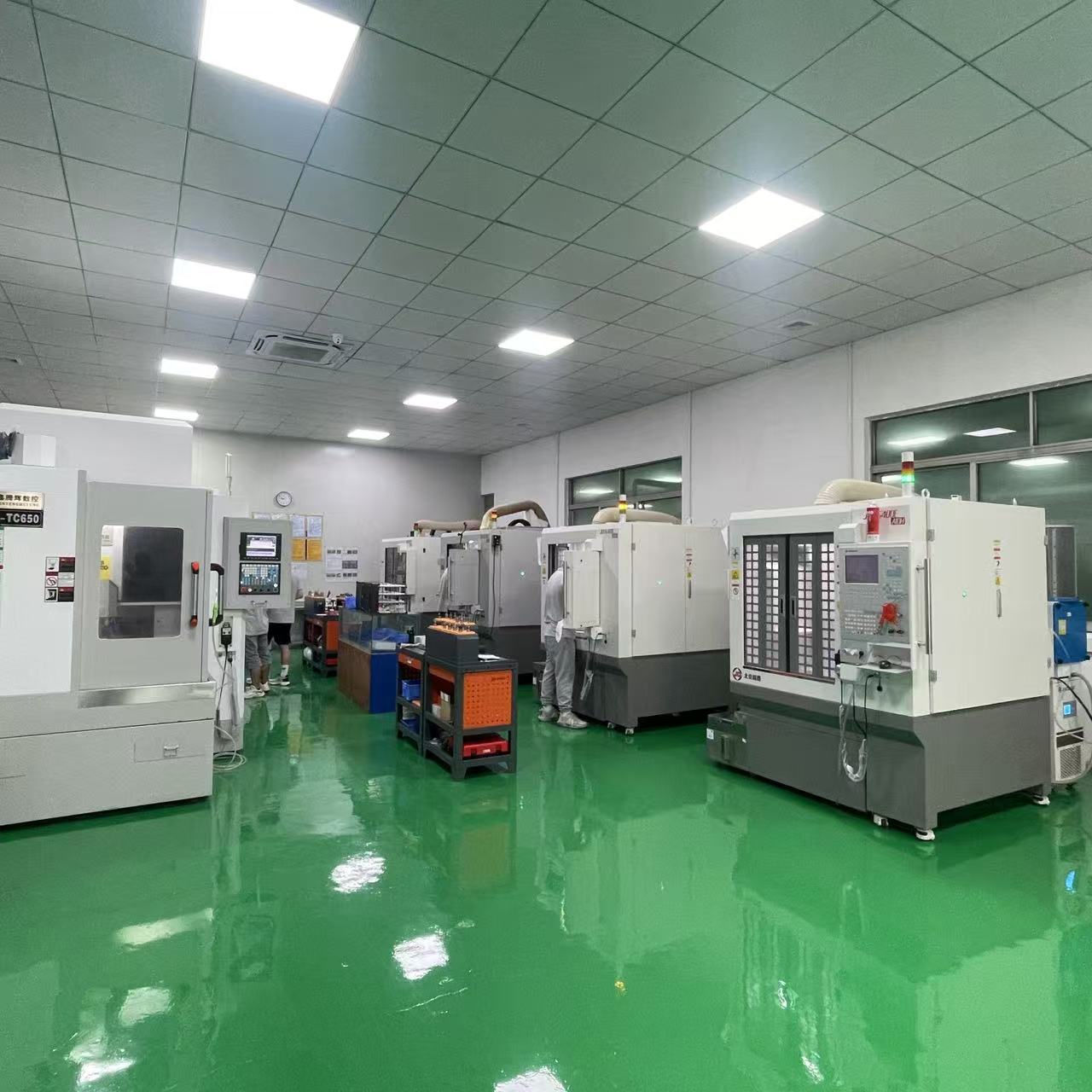
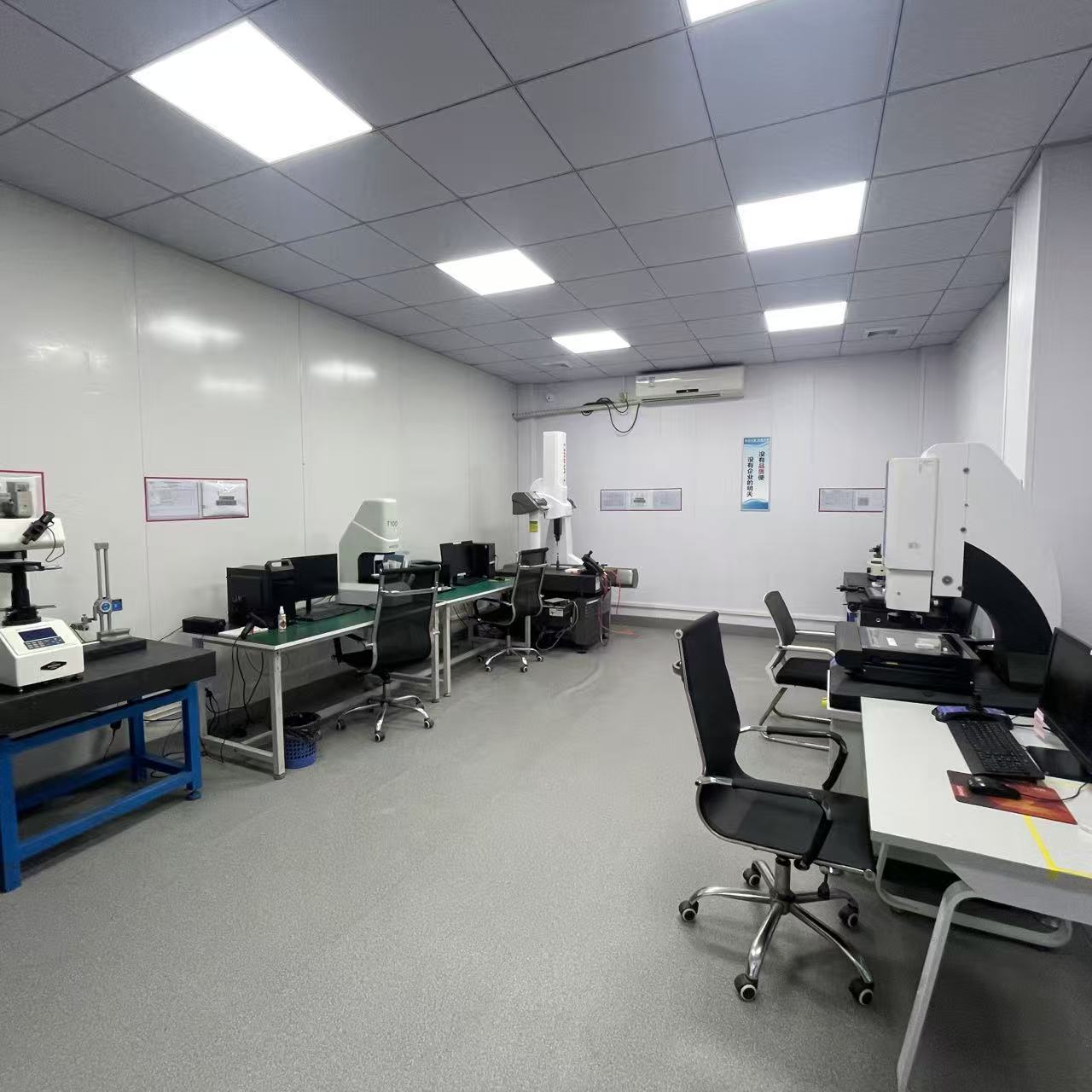
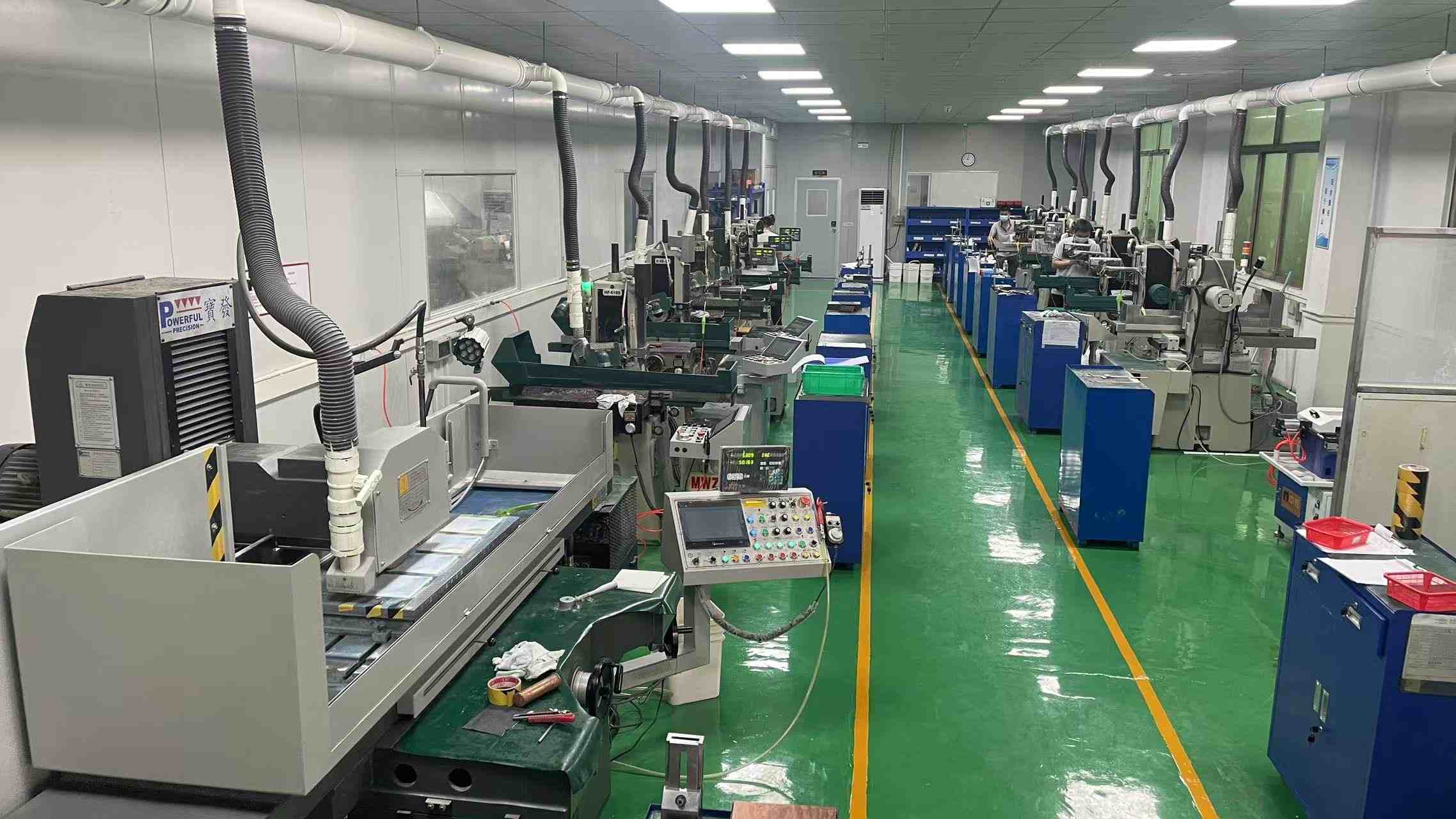
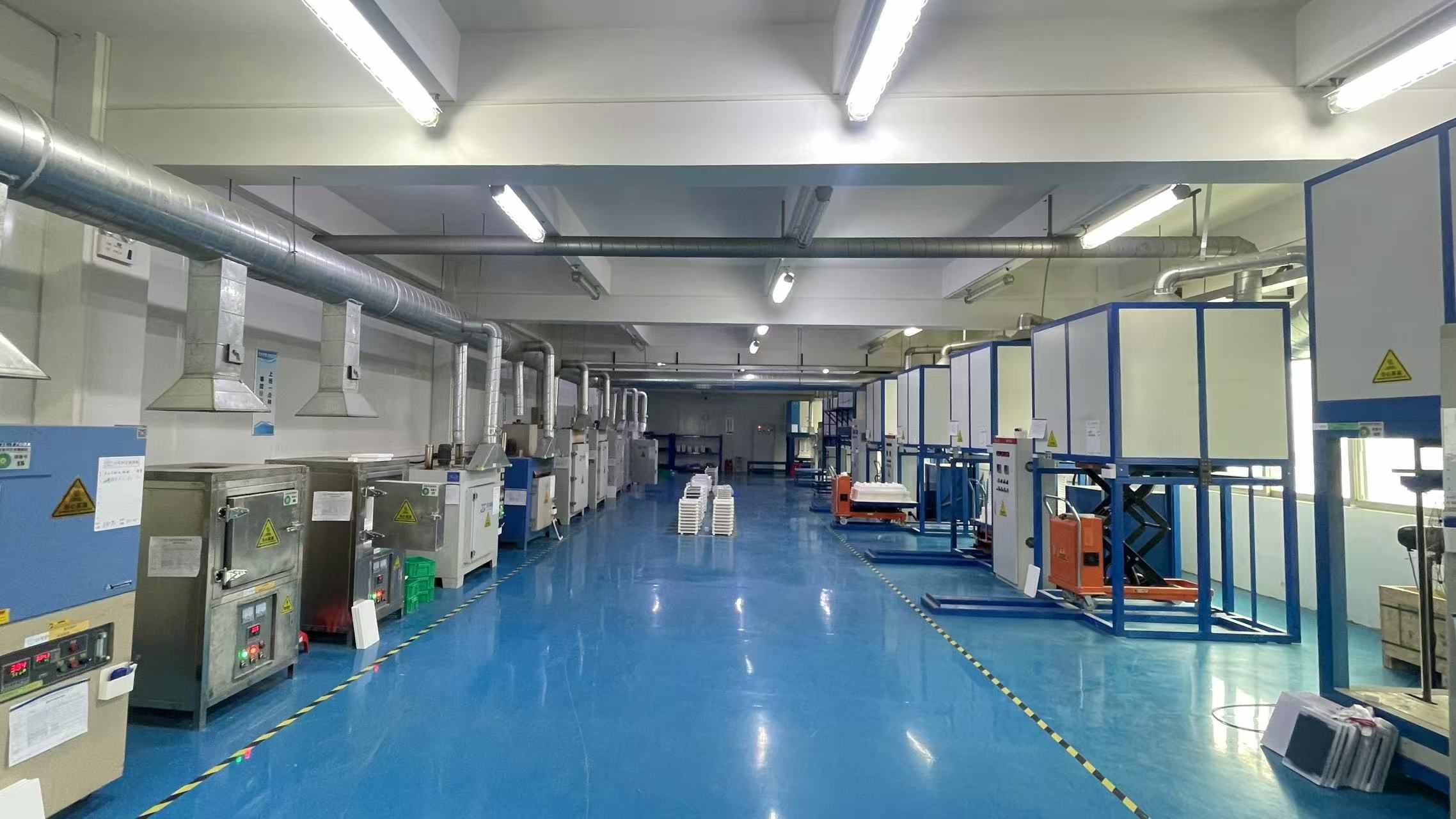
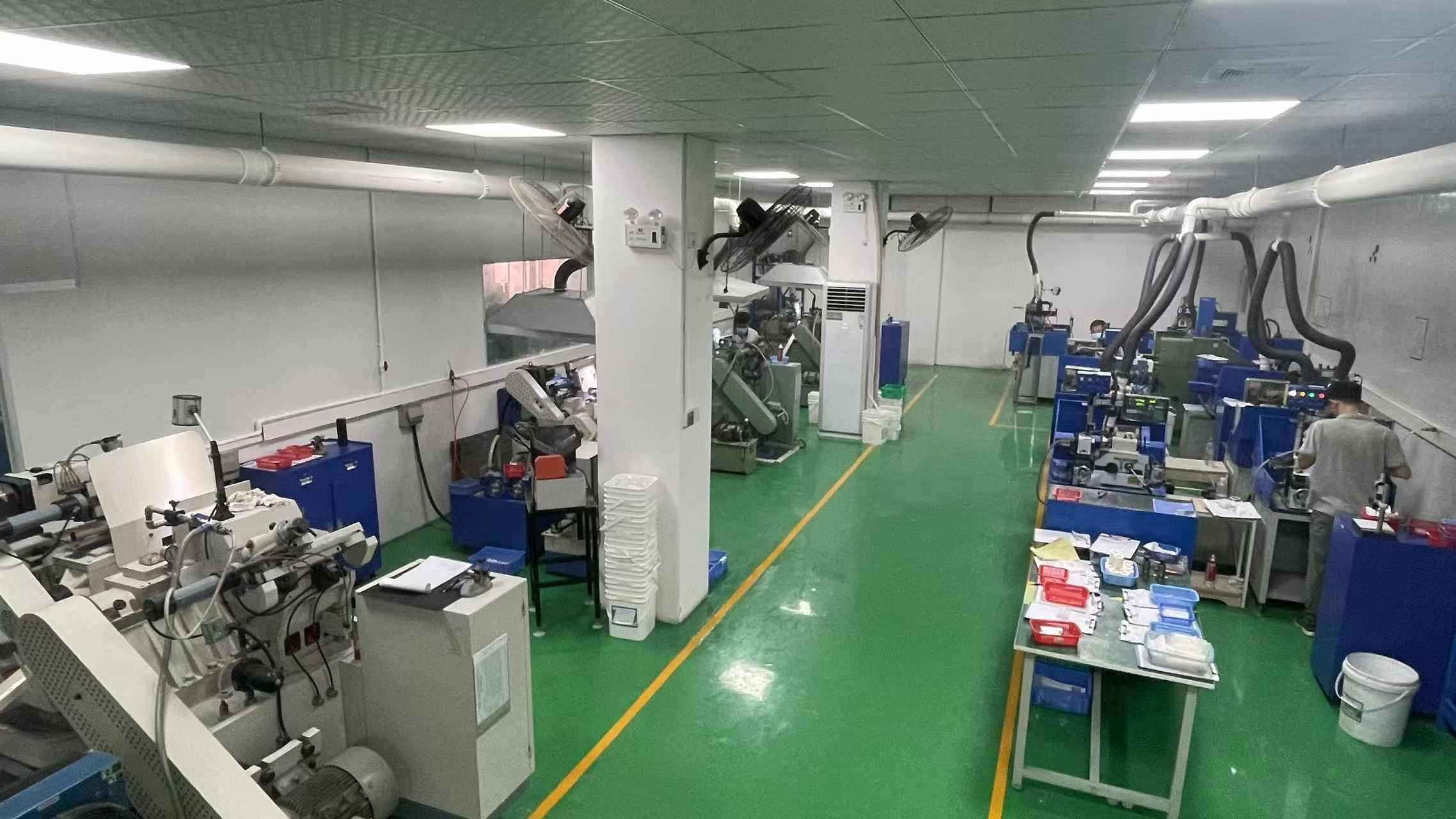
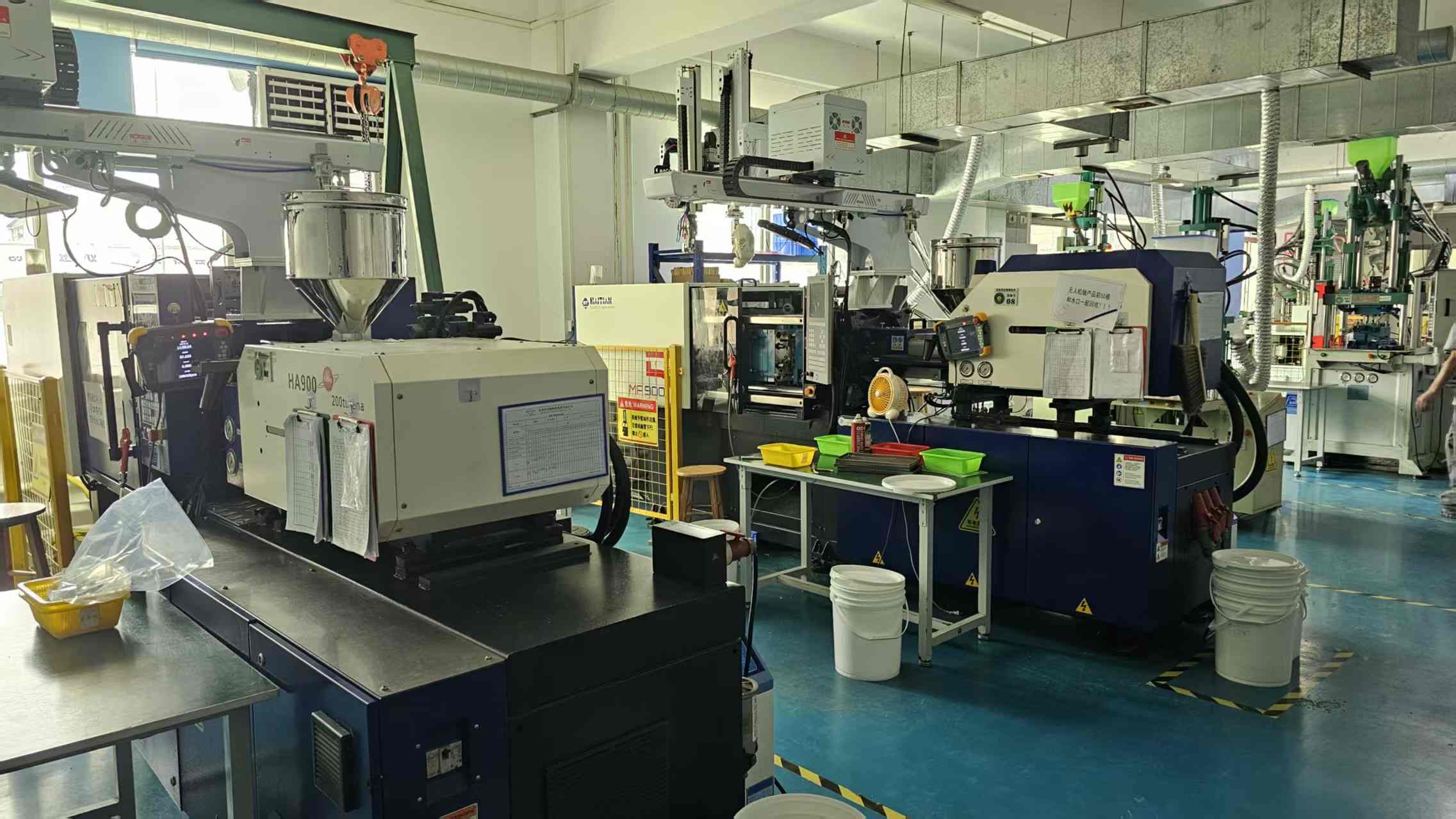
Our workshop
|
CNC Workshop |
Testing Room |
|
Surface grinding Workshop |
Sintering Workshop |
|
Circular Grinding Workshop |
Injection molding Machine Workshop |
Why choose us?
1.Customized R&D, rather than standard product adaptation
2.Deep control of materials science:Material Selection Based on Needs,Microstructure Optimization,Batch Consistency
3.Precision machining capability:Flatness can reach 0.001mm, parallelism 0.002mm, and roughness Ra 0.1μm.
FAQ
Q1: What products does your company offer?
We specialize in high-performance ceramics such as alumina and silicon nitride, providing insulators, structural components, wear-resistant parts, and customized solutions.
Q2: Can you customize non-standard parts?
Yes. We support processing based on provided drawings and collaborative technical development, offering a full-process service from design to mass production.
Q3: What about accuracy and delivery time?
Standard tolerance ±0.05mm, precision grade ±0.01mm; samples 7-15 days, bulk orders 20-30 days.
Q4: Main application areas?
Power, electronics, machinery, chemical, and aerospace industries.
Q5: Quality assurance measures?
Full-process quality inspection, providing material reports and performance test data, supporting third-party certification and testing.
Q6: Do you provide technical support?
We provide professional support such as material selection consultation, design optimization, and failure analysis.



 IPv6 network supported
Leave A Message
Scan to Wechat :

Scan to WhatsApp :