Leave A Message
If you are interested in our products and want to know more details,please leave a message here,we will reply you as soon as we can.


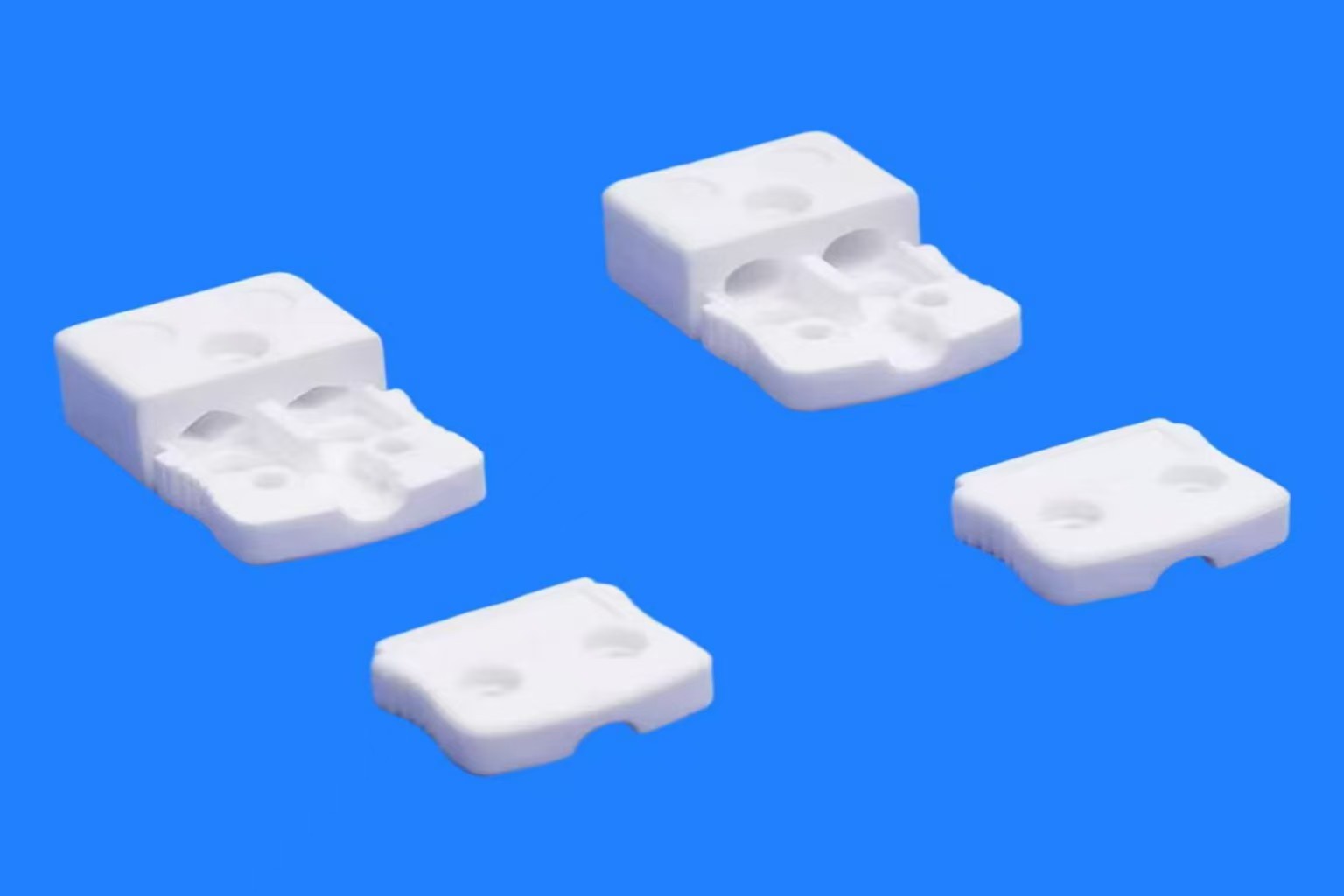
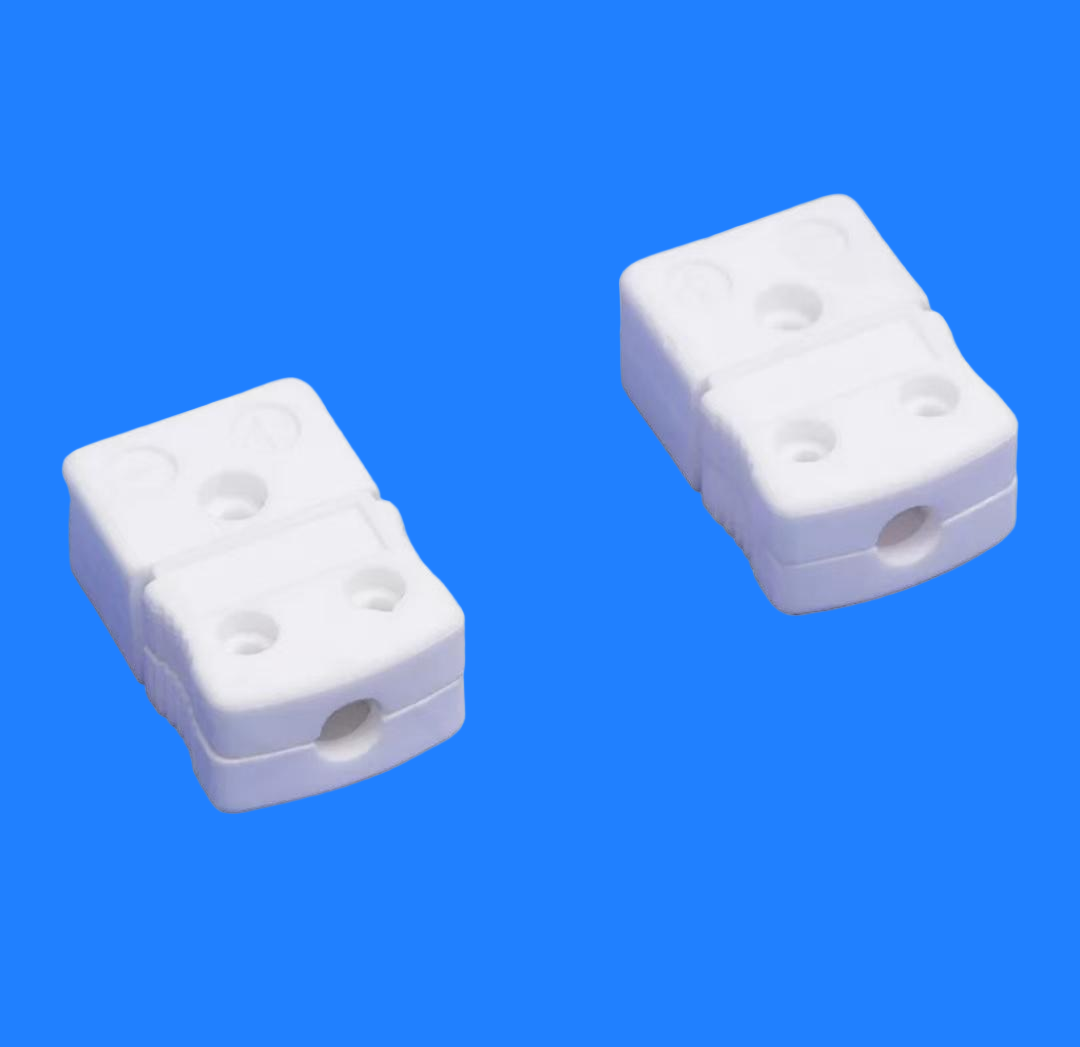
Al₂O₃ Ceramic T Type Thermocouple Socket is a key connecting components in industrial temperature measurement systems. Precision-manufactured from high-purity alumina (Al₂O₃) ceramic material, they, though "small components," bear the "great responsibility" of ensuring measurement accuracy and system safety. As a transitional connection device between the thermocouple leads and the measuring instrument, they provide electrical insulation, mechanical fixation, and signal transmission under harsh conditions such as high temperature and corrosion. They are widely used in high-temperature industrial fields such as metallurgy, chemical industry, power generation, glass, and ceramic sintering.
High-purity Alumina Al₂O₃ Ceramic T Type Thermocouple Socket
Product Description
Ceramic Thermocouple Socket, with their irreplaceable high-temperature resistance, high insulation, and corrosion resistance, have become an indispensable standard configuration in modern industrial high-temperature temperature measurement. Their precision-machined multi-pole hole structure is compatible with various thermocouple models. In harsh high-temperature conditions such as metallurgy, chemical engineering, and heat treatment, they provide stable electrical insulation and signal transmission for thermocouples, while also resisting the erosion of complex environments such as high temperatures, corrosion, and vibration. They are key ceramic components in industrial automated temperature measurement equipment, combining high reliability and long lifespan. Choosing high-quality alumina ceramic thermocouple sockets lays a solid foundation for precise control and stable operation in industrial production.
Core material properties
1.Alumina ceramics introduction
Alumina (Al₂O₃) is the most widely used oxide ceramic material in industrial ceramics. It is classified into several grades according to purity. Thermocouple sockets typically use 95%-99.7% high-purity alumina, which combines excellent electrical insulation, high-temperature resistance, and mechanical strength.
2.Key performance parameters
| Performance Indicators | 95% alumina | 99% alumina | 99.7% alumina |
| Density | 3.7 g/cm³ | 3.85 g/cm³ | 3.95 g/cm³ |
| Flexural Strength | 300 MPa | 350 MPa | 400 MPa |
| Hardness (Mohs scale) | 8.5 | 9 | 9 |
| Temperature Resistance | 1600℃ | 1700℃ | 1750℃ |
| Volume Resistivity (1000℃) | >10⁶ Ω·cm | >10⁸ Ω·cm | >10¹⁰ Ω·cm |
| Thermal Conductivity | 20 W/m·K | 28 W/m·K | 35 W/m·K |
| Coefficient of Thermal Expansion | 7.2×10⁻⁶/℃ | 8.0×10⁻⁶/℃ | 8.2×10⁻⁶/℃ |
| Dielectric Strength | 15 kV/mm | 17 kV/mm | 20 kV/mm |
Common Type Classification
| Classification Method | Type | Features and Applications |
| According to thermocouple type | Type K, Type S, Type B, Type R, Type N, Type T, Type J, Type E | Matching different thermocouple materials and temperature ranges |
| According to installation method | Panel mount, rail mount, flange mount | Adapt to different equipment structure requirements |
| According to the number of poles | Single-core, dual-core, multi-core | Single-point/multi-point temperature measurement |
| According to structure | Straight-through, corner, explosion-proof | Spatial Layout and Security |
| According to wiring method | Screw-press type, spring-clamp type, weld type | Connection reliability and ease of operation |
Product Core Advantages
1.Exceptional high-temperature resistance
Long-term operating temperature can reach 1600-1750℃, far exceeding that of plastic (<200℃) and ordinary metal sockets.
It does not soften, melt, or decompose at high temperatures, maintaining structural integrity.
Excellent thermal shock resistance, capable of withstanding rapid heating and cooling cycles.
2.Excellent electrical insulation
Even in high-temperature environments above 1000℃, it maintains extremely high volume resistivity,effectively eliminating crosstalk and leakage between thermocouple signals, and ensuring accurate transmission of weak thermoelectric potential signals (in the microvolt range).
3.Excellent chemical stability
Resistant to acid and alkali corrosion, and resistant to molten metal vapor and furnace gas erosion.
Does not react with thermocouple electrode materials, avoiding contamination and signal drift.
Excellent oxidation resistance, extending service life.
4.Reliable mechanical properties
High hardness, wear resistance, and long insertion/removal life.
Precision-machined sockets ensure a tight fit with the thermocouple plug.
Vibration and shock resistant, adaptable to harsh industrial conditions.
5.Precise temperature measurement ensures
Low thermal conductivity reduces heat loss along the socket, lowering measurement errors.
Controllable material purity avoids interference introduced by impurity heat dissipation potential.
Good dimensional stability prevents deformation at high temperatures, ensuring reliable contact.
Typical Applications
| Application Areas | Typical Operating Conditions | Selection Criteria |
| Iron and Steel Metallurgy | Blast furnace, converter, continuous casting, heat treatment furnace (1200-1650℃) | High-purity alumina, thermal shock resistant design |
| Glass Industry | Melting furnace, annealing furnace, tin bath (1000-1600℃) | Resistant to alkaline atmosphere corrosion |
| Cement Kiln | Rotary kiln, preheater (800-1450℃) | Resistant to dust erosion, high mechanical strength |
| Chemical plant | Reactor, pyrolysis furnace (500-1200℃) | Resistant to acid and alkali corrosion, with good sealing performance |
| Electric Boiler | Superheater, reheater (400-600℃) | Long-term stability and reliability are the top priorities. |
| Ceramic Sintering | Tunnel kiln, shuttle kiln (1200-1400℃) | High-purity materials, avoiding pollution |
| Semiconductor manufacturing | Diffusion furnace, annealing furnace (600-1200℃) | Ultra-high purity alumina, cleanliness requirements |
| Aerospace | Engine testing, wind tunnel testing (extreme temperatures) | Custom design, extreme environment tolerance |
Selection Technical Guide
Common Selection Comparison
| Temperature Range | Recommended Materials | Applicable Thermocouples | Typical Applications |
| ≤1200℃ | 95% Al₂O₃ | Type K, Type N, Type E, Type J, Type T | General industrial furnaces |
| 1200-1600℃ | 99% Al₂O₃ | S-type, R-type, B-type | High-temperature furnace, smelting |
| >1600℃ | 99.7% Al₂O₃ | Type B, Tungsten-Rhenium Type | Special high temperature furnace |
Installation and Usage Specifications
1.Installation Points
Alignment of Polarity: strictly connect according to the positive and negative markings to avoid measurement errors caused by reverse connection.
Moderate Tightening: use moderate torque when tightening screws to prevent ceramic cracking.
Stress Avoidance: leave sufficient bending allowance for the wires to prevent mechanical stress from being transmitted to the ceramic body.
Sealing Protection: in high-temperature and dusty environments, it is recommended to use with a sealing gasket.
2.Maintenance
| Inspection Items | Inspection Cycle | Judgment Criteria | Handling Measures |
| Visual Inspection | Before each usage | No cracks, missing corners, or ablation | replace if damaged |
| Insulation Resistance | Per Month | ≥100 MΩ (room temperature) | clean or replace |
| Contact Resistance | Quarterly | ≤0.1 Ω | clean the socket or replace |
| Insertion and extraction force | Every six months | It feels just right, without any looseness. | Replace worn parts |
Common problems and solutions
| Problem | Possible Reasons | Solution |
| Measurement Drift | socket insulation deterioration | clean or replace, check ambient humidity. |
| Unstable Signal | poor contact | check for wear on the sockets and tighten the wiring. |
| Ceramic Cracking | thermal shock or mechanical shock | optimize the temperature rise curve and strengthen protection. |
| Metallization Layer Peeling | exceeding the rated temperature | choose higher grade materials |
| Crosstalk Interference | multi-core sockets have insufficient insulation | high-purity alumina is used to increase the spacing. |
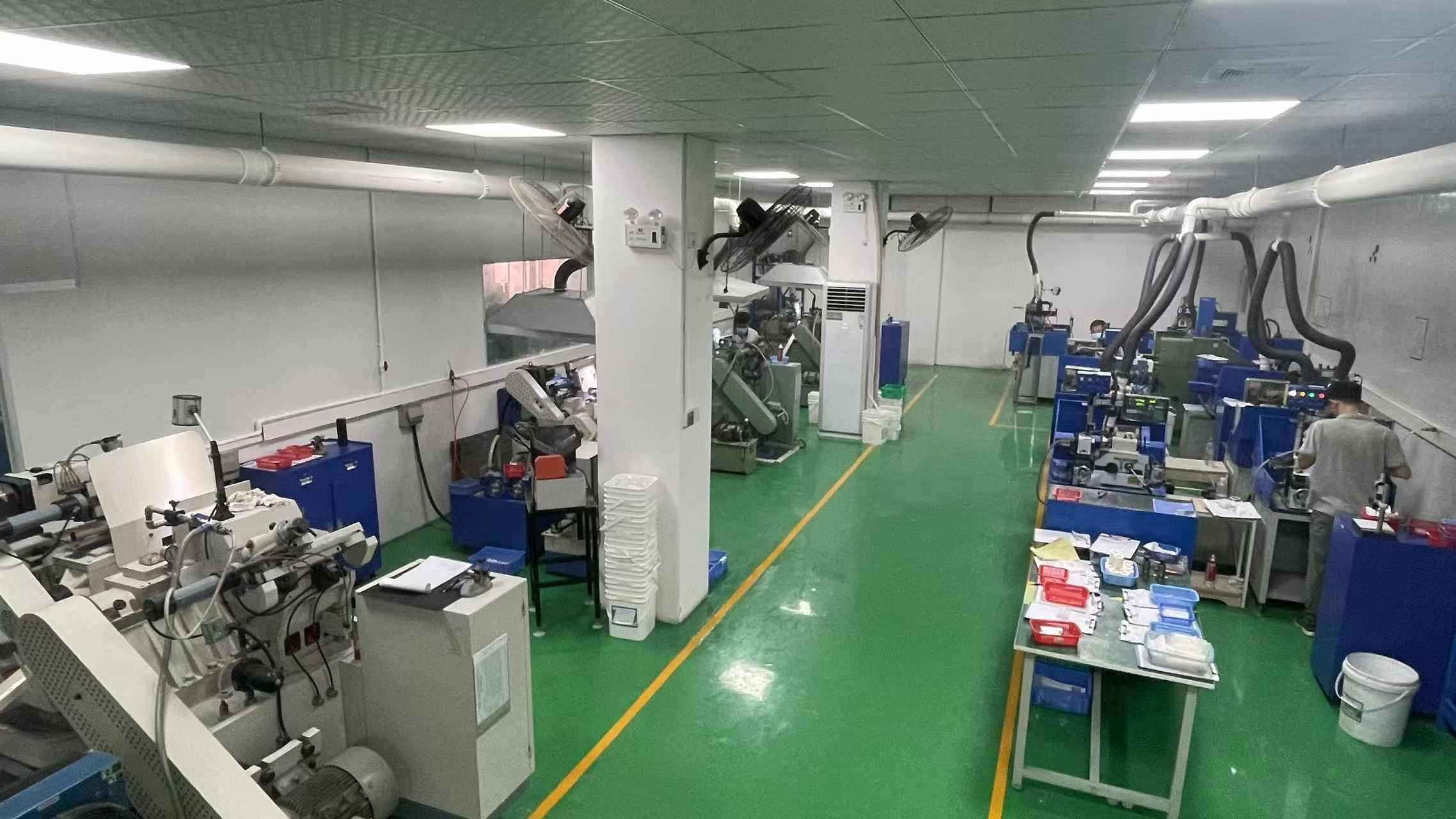
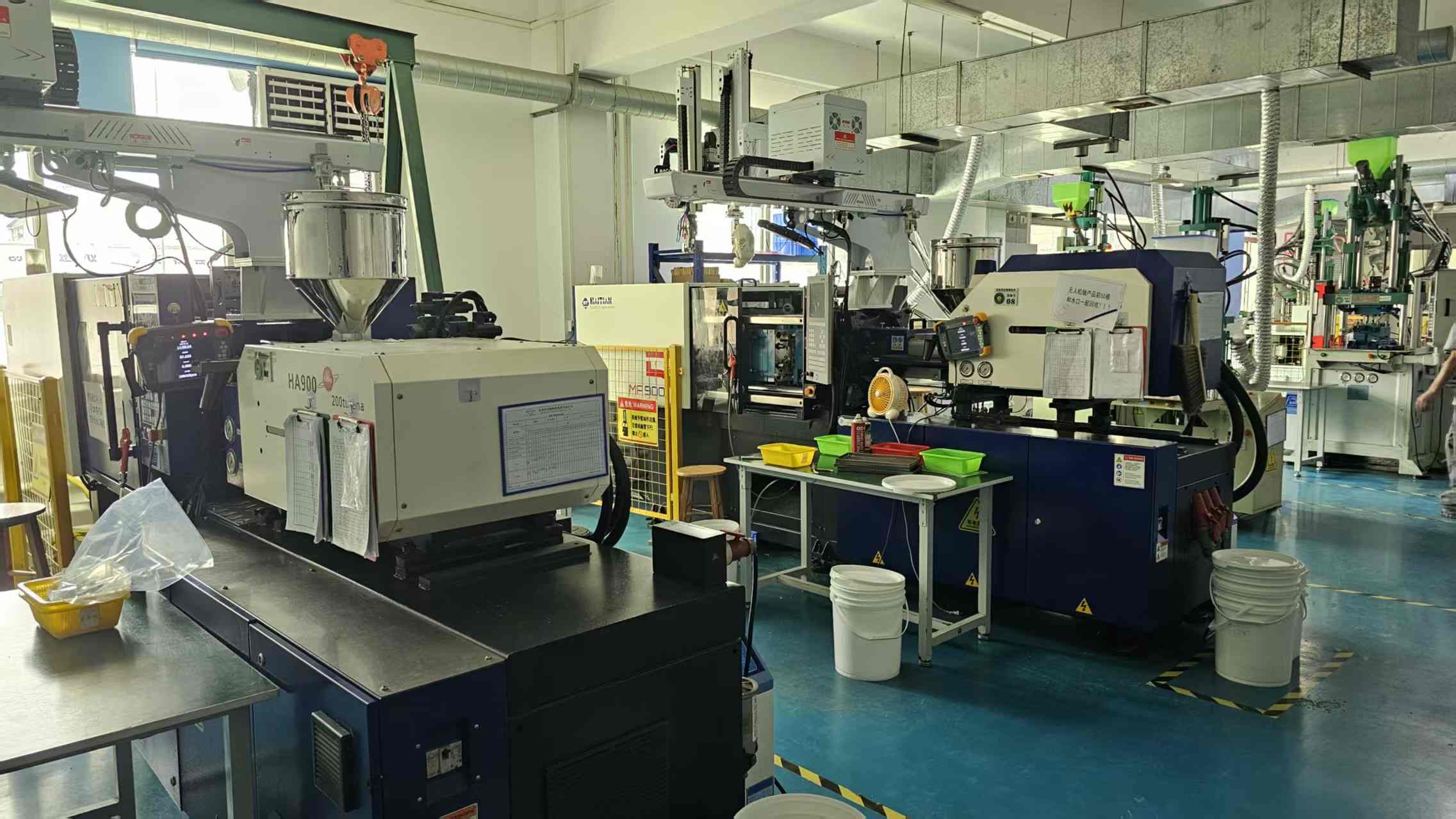
Our workshop
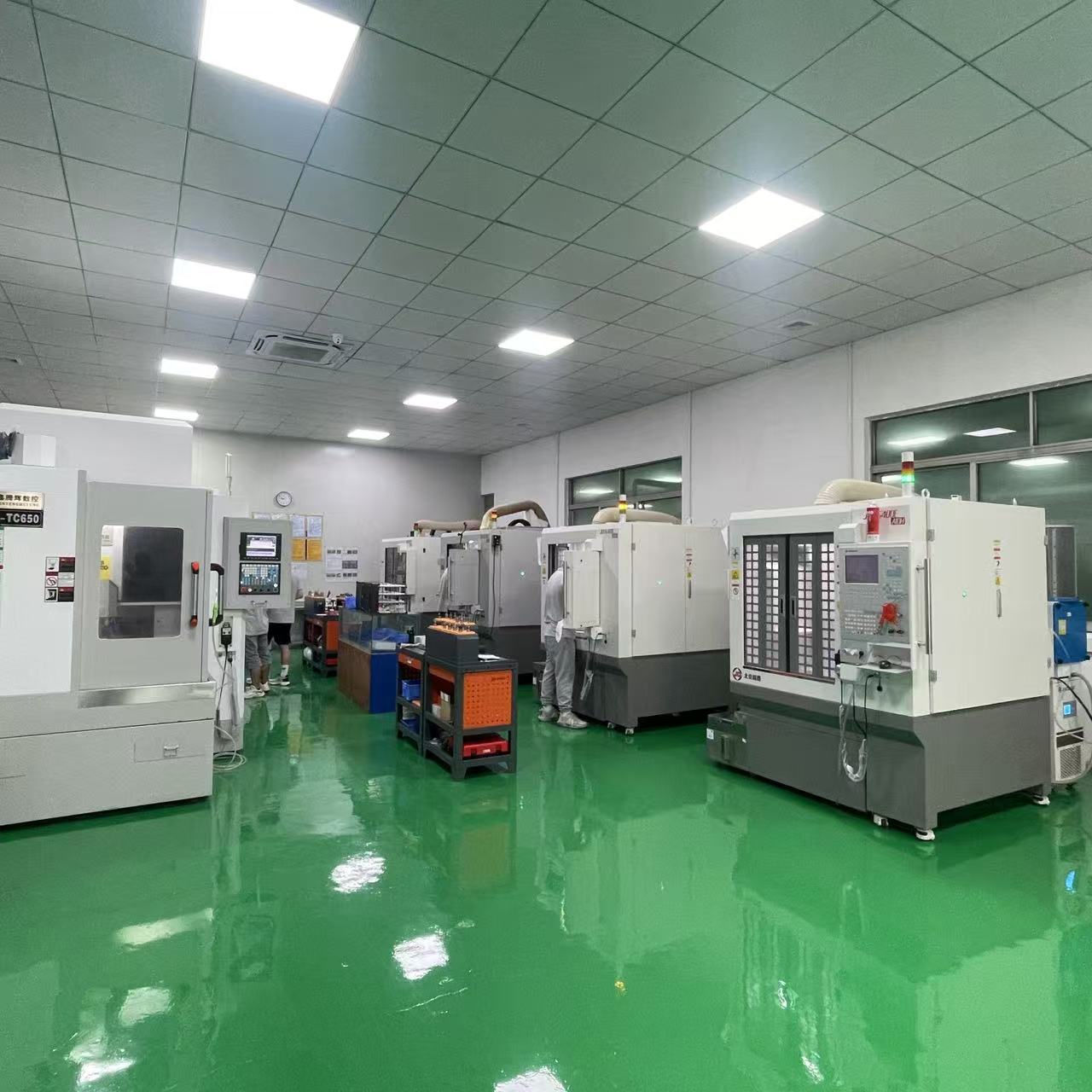
|
CNC Workshop |
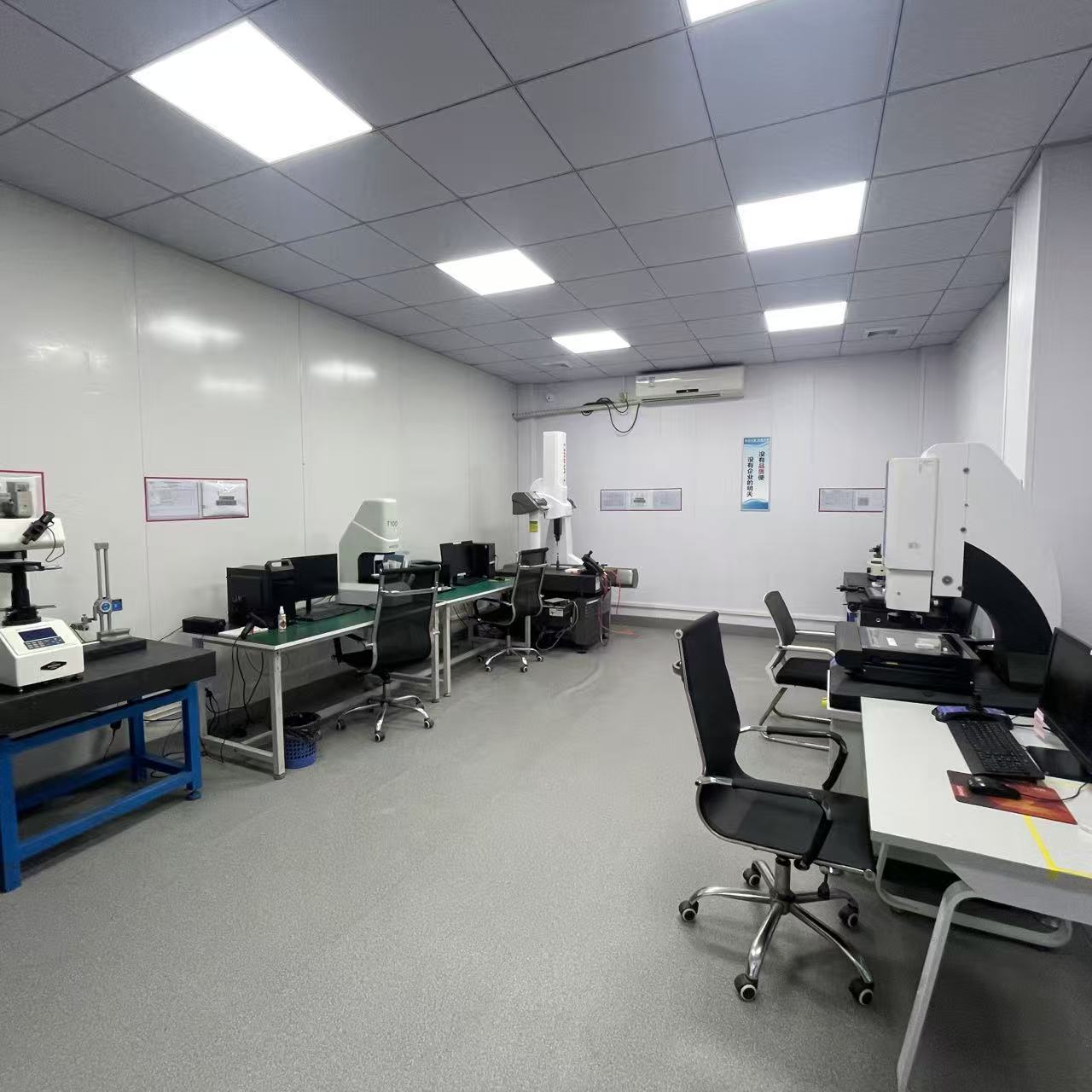
Testing Room |
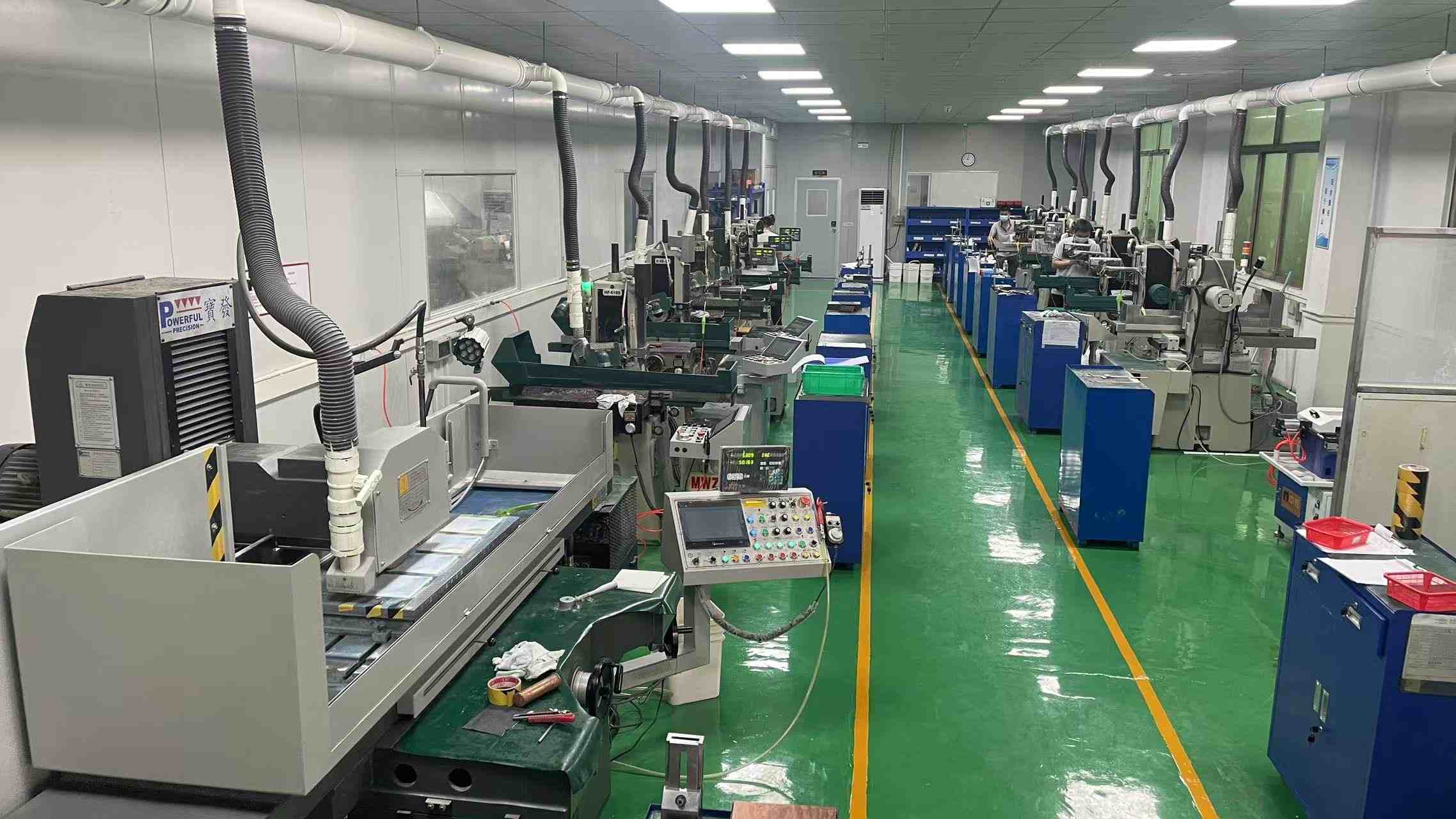
|
Surface grinding Workshop |
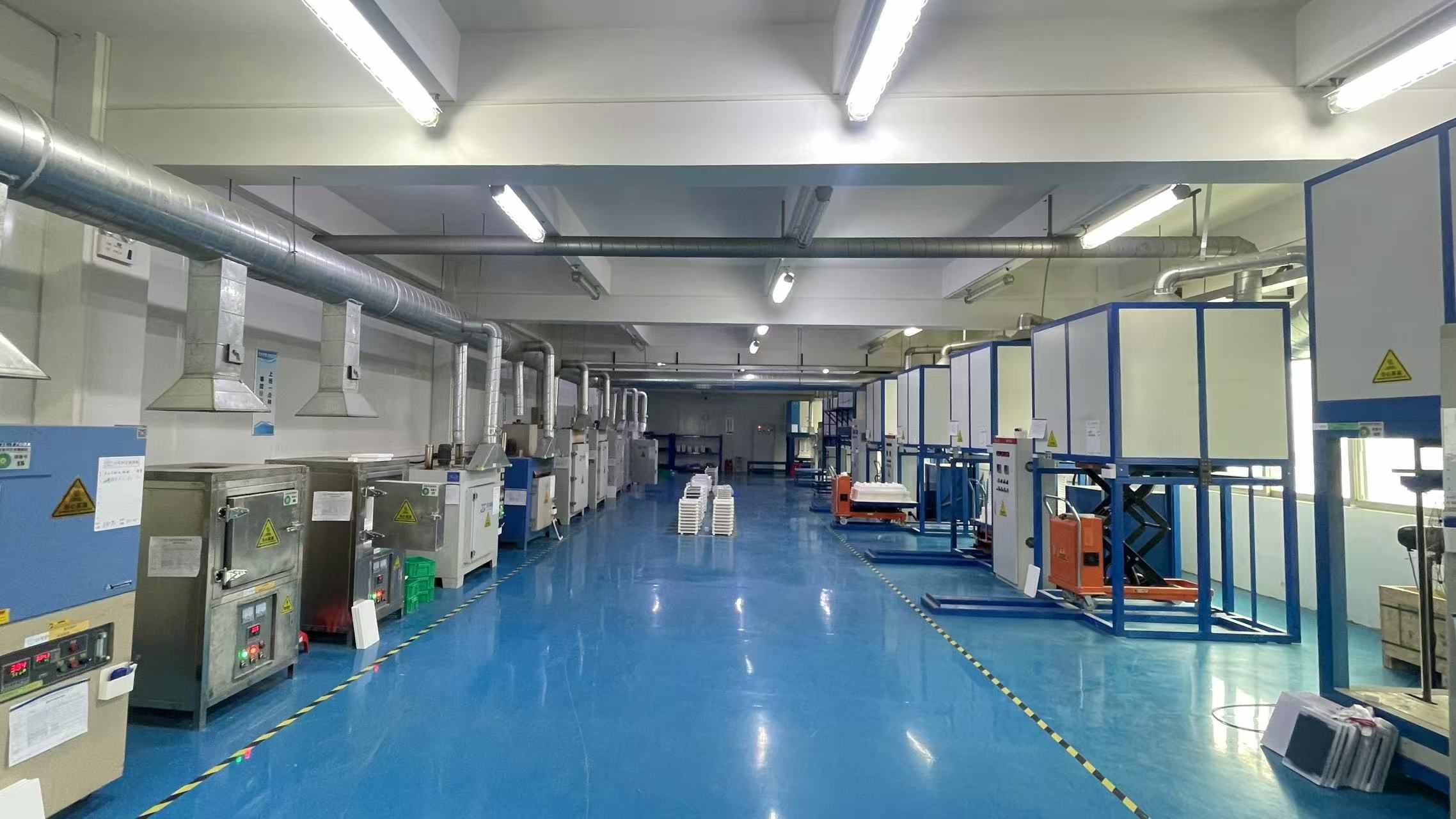
Sintering Workshop |
|
Circular Grinding Workshop |
Injection molding Machine Workshop |
Why choose us?
1.Customized R&D, rather than standard product adaptation
2.Deep control of materials science:Material Selection Based on Needs,Microstructure Optimization,Batch Consistency
3.Precision machining capability:Flatness can reach 0.001mm, parallelism 0.002mm, and roughness Ra 0.1μm.
FAQ
Q1: What products does your company offer?
We specialize in high-performance ceramics such as alumina and silicon nitride, providing insulators, structural components, wear-resistant parts, and customized solutions.
Q2: Can you customize non-standard parts?
Yes. We support processing based on provided drawings and collaborative technical development, offering a full-process service from design to mass production.
Q3: What about accuracy and delivery time?
Standard tolerance ±0.05mm, precision grade ±0.01mm; samples 7-15 days, bulk orders 20-30 days.
Q4: Main application areas?
Power, electronics, machinery, chemical, and aerospace industries.
Q5: Quality assurance measures?
Full-process quality inspection, providing material reports and performance test data, supporting third-party certification and testing.
Q6: Do you provide technical support?
We provide professional support such as material selection consultation, design optimization, and failure analysis.



 IPv6 network supported
Leave A Message
Scan to Wechat :

Scan to WhatsApp :