Leave A Message
If you are interested in our products and want to know more details,please leave a message here,we will reply you as soon as we can.


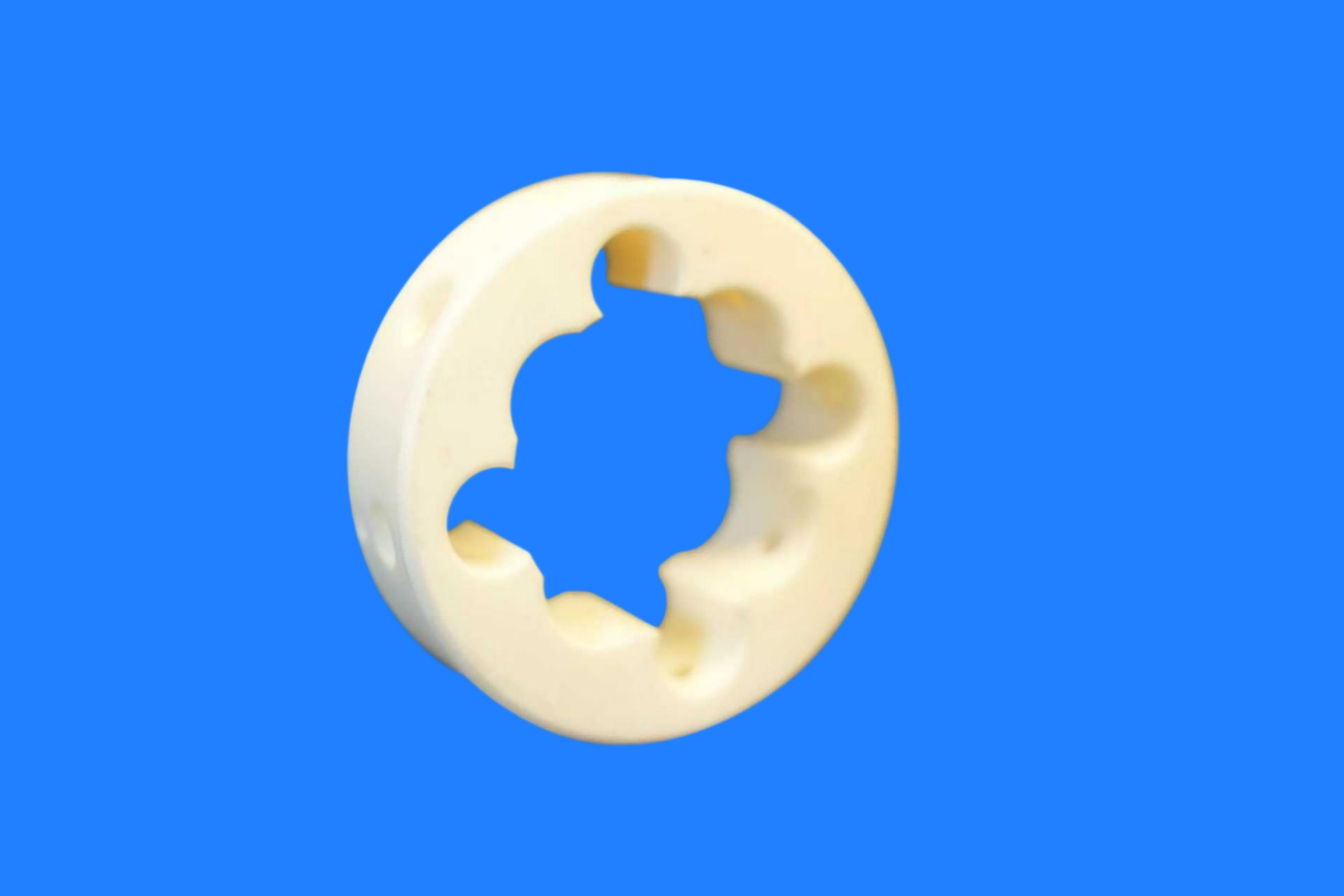
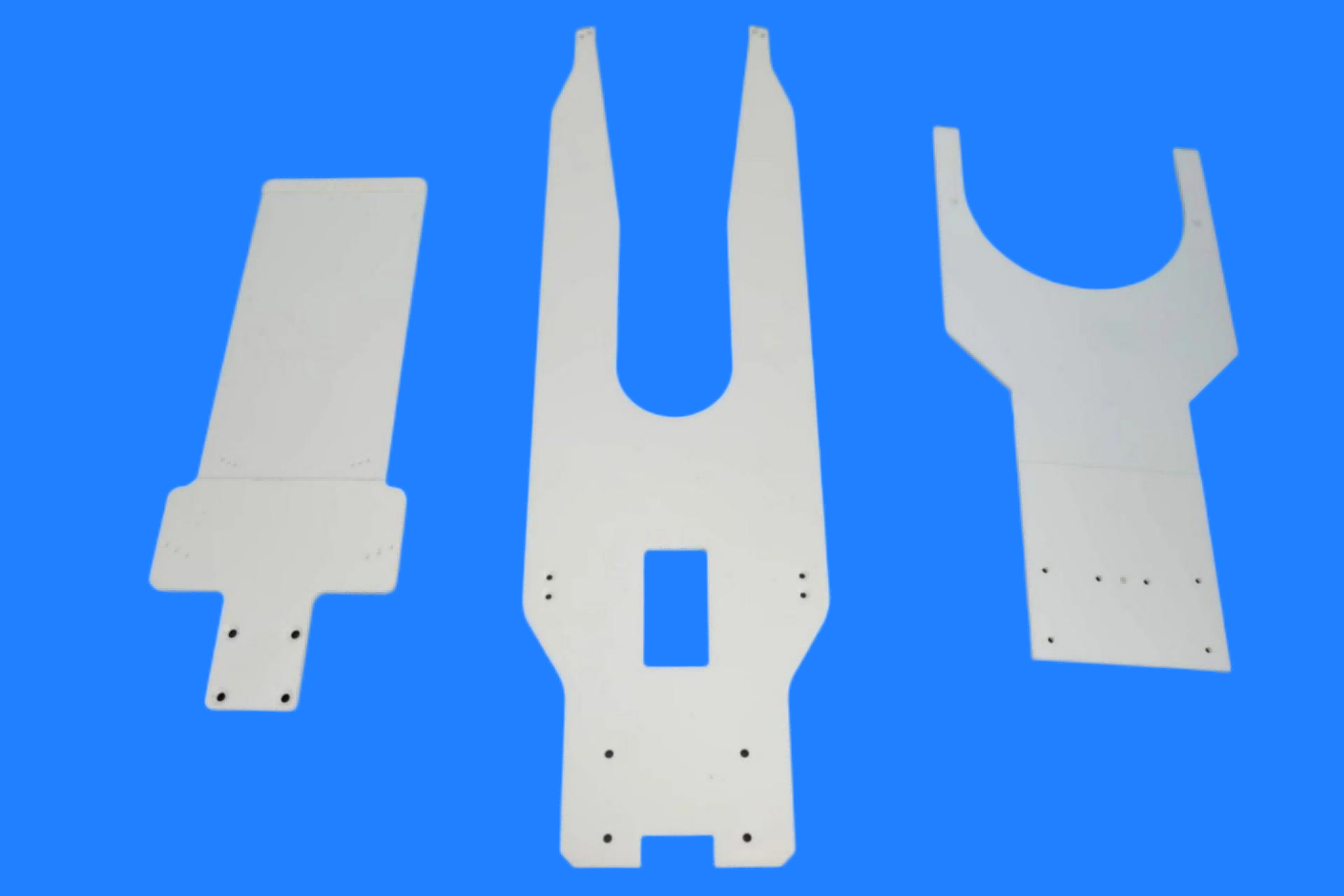
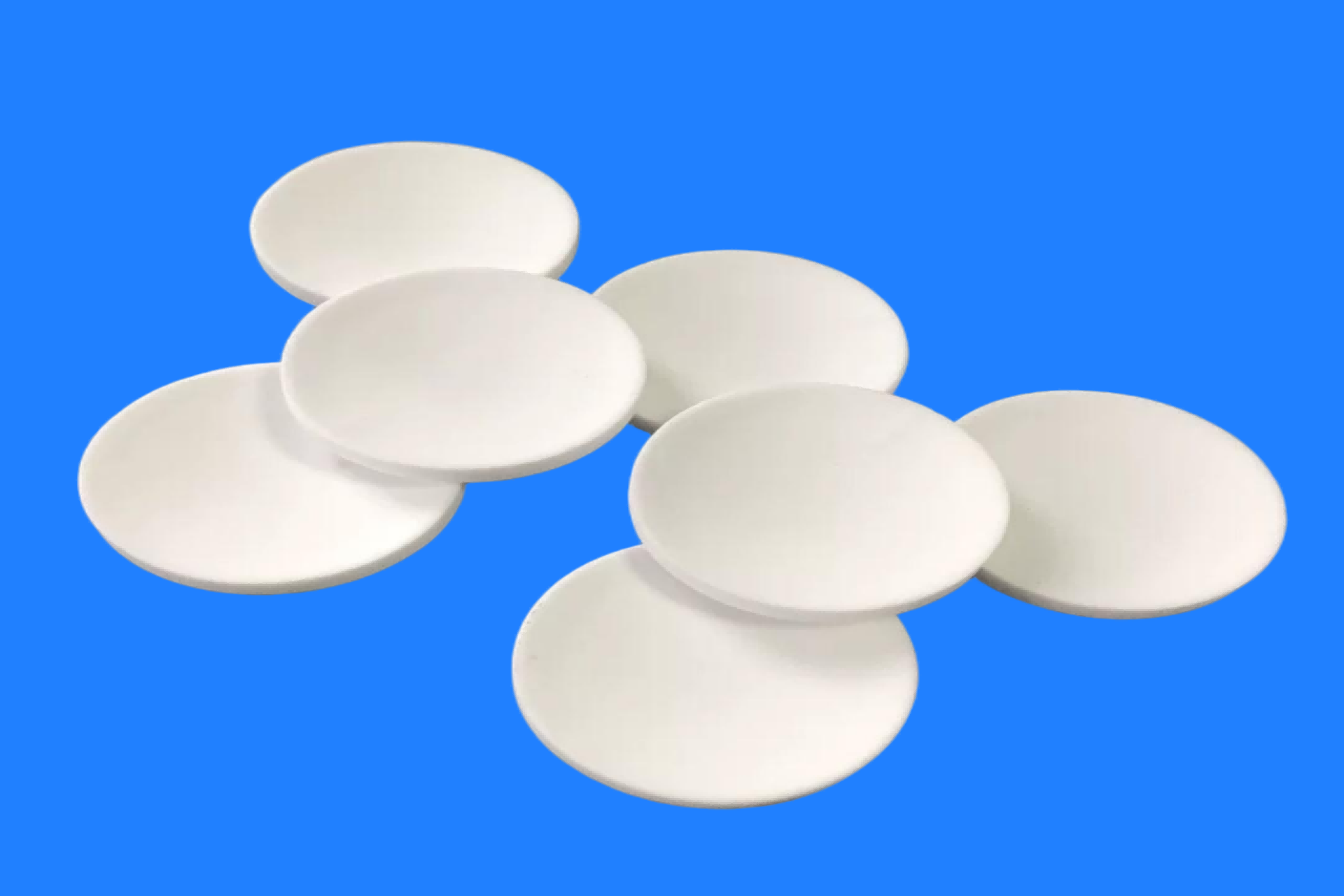
Our High Purity Aluminium Oxide Acidic or Base will effectively improves the sensitivity, resolution, mass accuracy, and stability of the mass spectrometer by more than 20%.
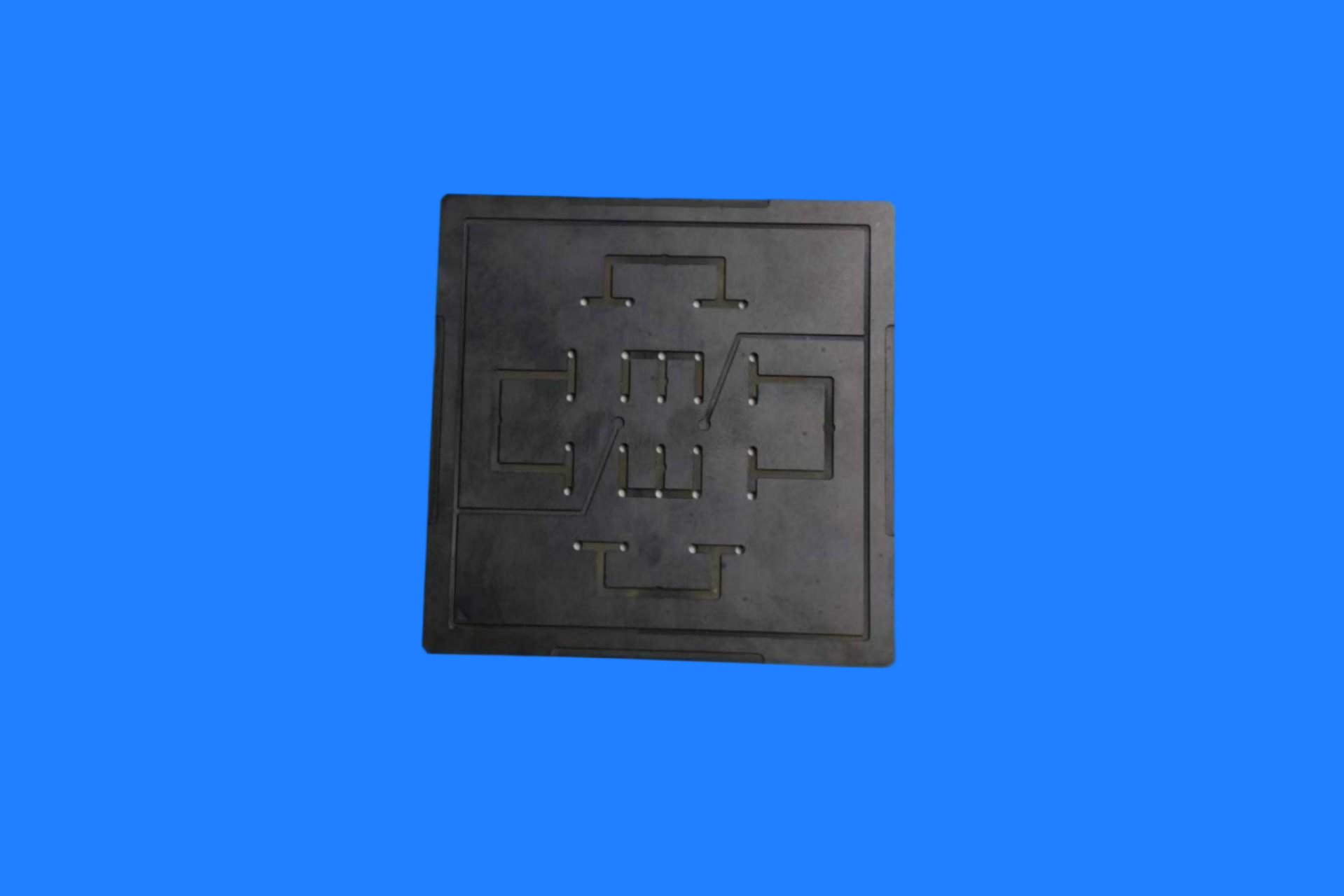
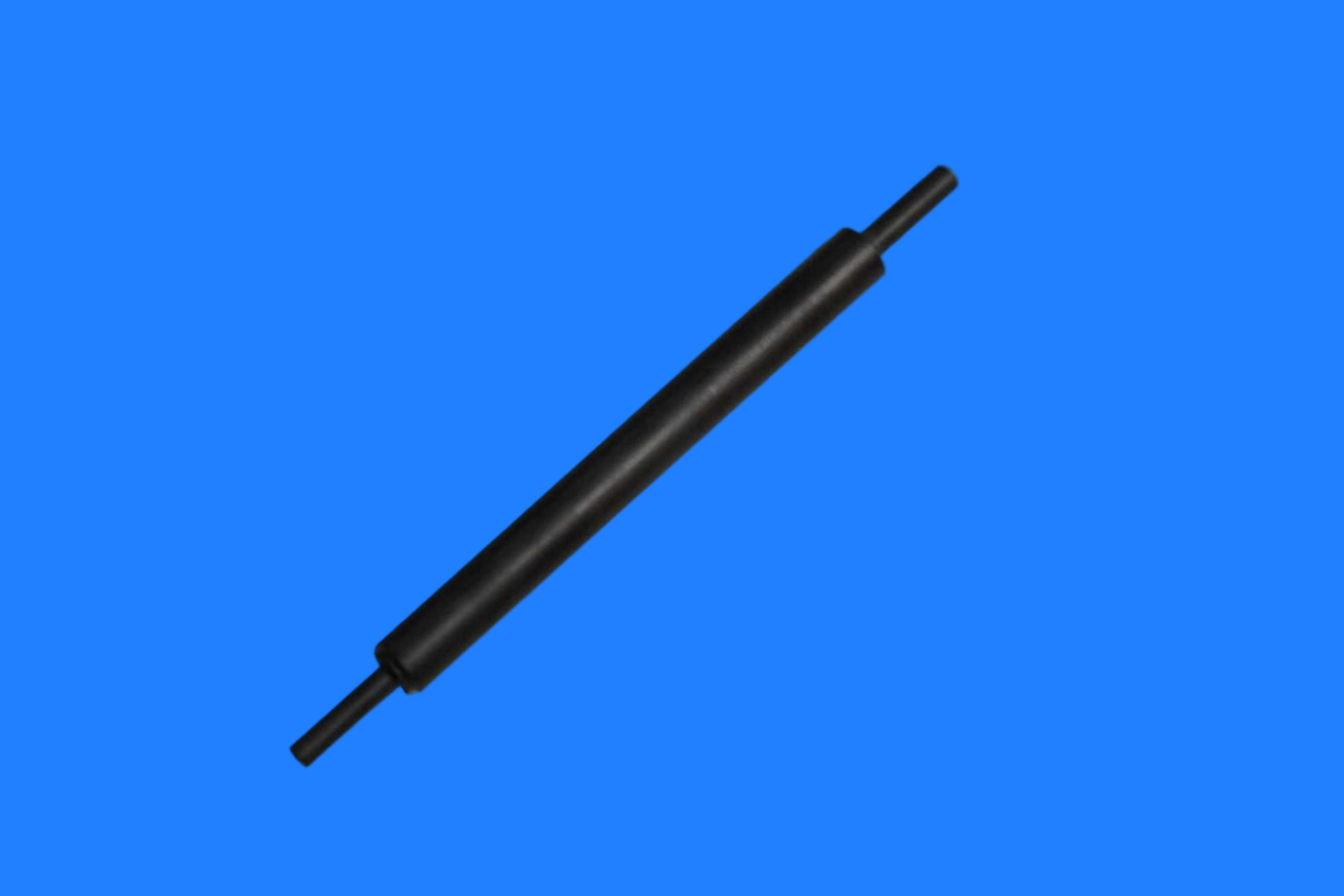
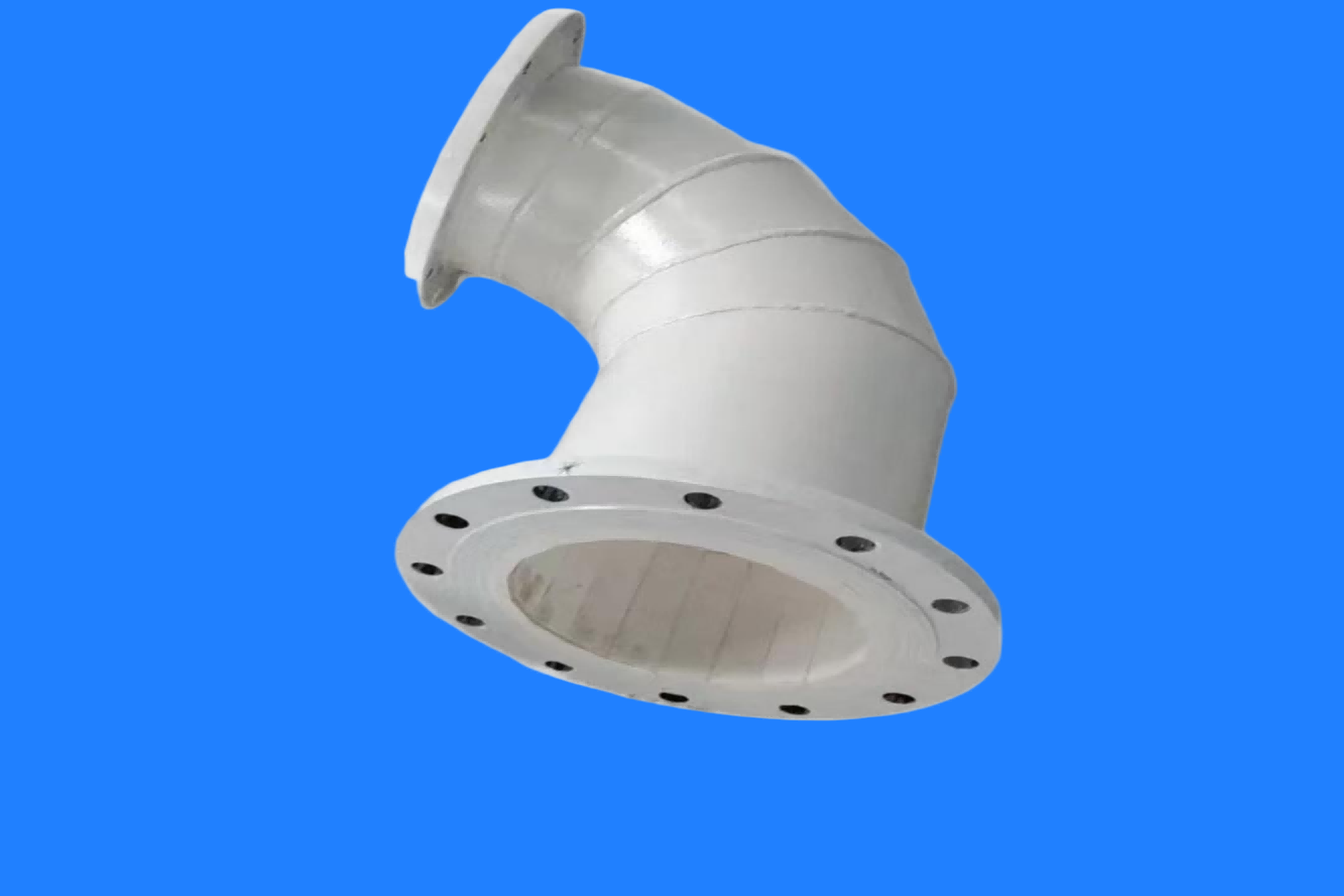
High Voltage Insulation Alumina Ceramic Base
The application of Al2O3 Ceramic in High-end Mass Spectrometers is the result of a comprehensive performance trade-off. Insulation, vacuum compatibility, chemical inertness, and thermal stability of our Round Alumina Ceramic Base meet the stringent requirements of mass spectrometry for high sensitivity, high resolution, and long-term stability, making them one of the key materials for enhancing the cutting-edge performance of instruments.
Product Details
| Feature Category | Specific advantages | Roles and impact in mass spectrometers |
| 1. Electrical properties | Excellent insulation | Effective isolation of high-voltage components (such as ion sources and lenses) prevents discharge and electric field interference, ensuring the stability of the ion transmission path and the accuracy of the signal. |
| Controllable conductivity | Specific conductivity requirements can be achieved through coating or doping, for use in electrostatic shielding or to create a uniform electric field (such as a quadrupole). | |
| 2. Vacuum performance | Extremely low gas output rate | The release of gas molecules in a vacuum environment is minimal, which helps to quickly achieve and maintain an ultra-high vacuum, reduce background noise, and improve detection sensitivity. |
| Low permeability | To prevent external gases from seeping into the vacuum chamber and maintain the stability of the system during long-term operation. | |
| 3.Chemical properties | Excellent chemical inertness | It is resistant to strong acids, strong alkalis and organic solvents, and is suitable for the analysis of complex and corrosive samples, preventing contamination caused by component degradation. |
| High purity and low adsorption | Its surface is inert, making it difficult to adsorb or release impurity molecules, significantly reducing sample residue (memory effect) and cross-contamination. | |
| 4.Thermal properties | High thermal stability | It can withstand the high-temperature environment (hundreds of degrees Celsius) in the working area of ion sources, without performance degradation or deformation. |
| Low coefficient of thermal expansion | The dimensions remain almost unchanged with temperature variations, ensuring the accuracy of critical dimensions such as inter-electrode distances in mass analyzers (e.g., quadrupoles, ion traps) and guaranteeing the long-term stability of the mass scale. | |
| 5.Mechanical and physical properties | High hardness and wear resistance | It extends the service life of components (such as sampling cones) subjected to high-speed ion or particle scouring. |
| Non-magnetic | It will not interfere with the magnetic field uniformity of magnetic field-type mass analyzers (such as FT-ICR and magnetic sector), thus ensuring high resolution. | |
| Relatively lightweight | In components requiring rapid movement (such as certain ion directors), it helps improve scanning speed and response speed. |
Core value of product
✅ Guaranteed Production Continuity | 15-year replacement-free lifespan, eliminating unplanned downtime and reducing annual maintenance costs by 70%
✅ Worry-Free Compliance | No metal ion pollution, avoiding catalyst poisoning and ensuring emissions compliance
✅ Simplified Supply Chain | Long-life design reduces spare parts inventory, lowering procurement and management costs by 50%
✅ Sustainable Competitiveness | Supports ESG ratings, facilitates green factory certification, and enhances brand premium
✅ Exceptional Cost-Effectiveness | Initial investment is 1.5 times that of a metal base, with a total lifespan cost only 30% of that of metal.
Typical industrial applications
| Industrial | Specific applications | Solving pain points for customers |
| Power/Steel | SCR denitrification catalyst module base | Solving the problem of creep deformation of metal base under high temperature flue gas (300-450℃) |
| Petrochemical/Chemical | VOCs incineration catalyst bed support | Resistant to organic solvent corrosion, avoiding the risk of plastic base melting. |
| Cement/glass | High-temperature dust removal and desulfurization system | Withstands instantaneous thermal shock above 1,000°C without thermal stress cracking. |
| Waste incineration | Dioxin catalytic decomposition base | Resistant to chloride ion corrosion, solving the problem of stainless steel bases perforating after 6 months. |
| Fine Chemicals | Catalyst support in synthesis reactor | To ensure the catalyst bed remains stable for 10 years and guarantee process stability. |
Delivery Commitment
We offer DFM (Design for Manufacturability) support, providing a 3D simulation solution within 48 hours and delivering the first batch of samples in 7-15 days. All of our High Temperature Alumina Ceramic Base is tested triple quality inspection including X-ray flaw detection, pressure testing, and thermal shock testing.
Choose our ceramic base and ensure your catalytic system operates flawlessly under extreme conditions – "One-time installation, worry-free forever!"
FAQ
1. What are the industrial uses of ceramics?
Ceramics are widely used in industry due to their high strength, corrosion resistance, insulation and high temperature resistance, such as cutting tools, electronic components, corrosion-resistant components and thermal barrier coatings.
2. What is industrial ceramic?
Industrial ceramics are a type of special ceramic material made from high-purity inorganic non-metallic materials through precision processes. They possess excellent properties such as high strength, high hardness, high temperature resistance, and corrosion resistance, and are specifically designed for industrial applications.
3. What are the 5 types of ceramics?
From the perspective of material composition and application, ceramics can be mainly divided into traditional ceramics (such as daily-use and building ceramics), special structural ceramics (such as high-temperature resistant and high-hardness mechanical parts), special functional ceramics (such as electronic components with special electrical, magnetic, and optical properties), and glass and glass ceramics, which are often discussed together.
4. Is ceramic stronger than steel?
When measuring whether a material is “strong”, different performance indicators usually need to be considered: for example, in terms of hardness and compressive strength, special ceramics, represented by alumina, far outperform most steels; while in terms of overall toughness, tensile strength and impact resistance, steel is usually more advantageous



 IPv6 network supported
Leave A Message
Scan to Wechat :

Scan to WhatsApp :