Leave A Message
If you are interested in our products and want to know more details,please leave a message here,we will reply you as soon as we can.


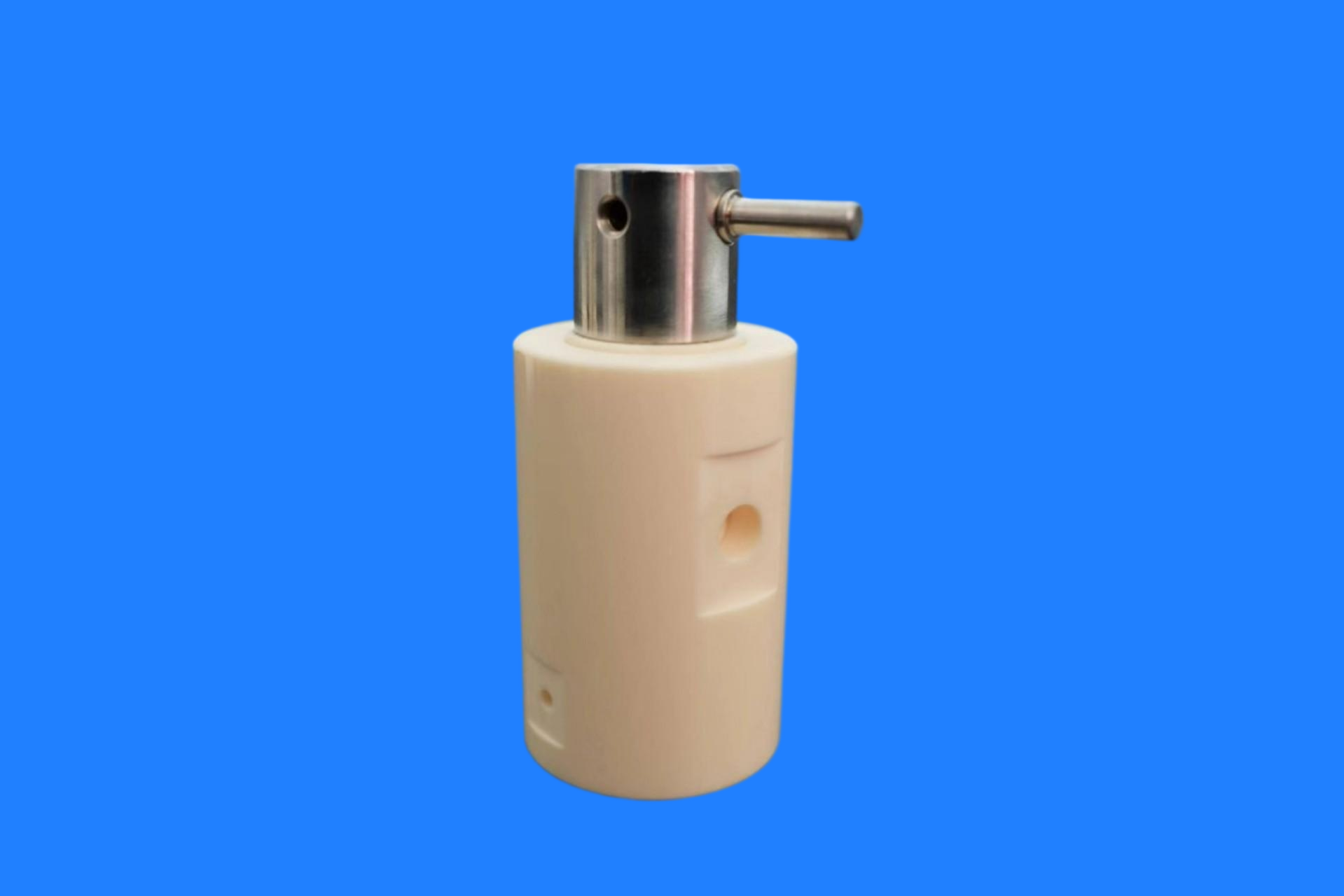
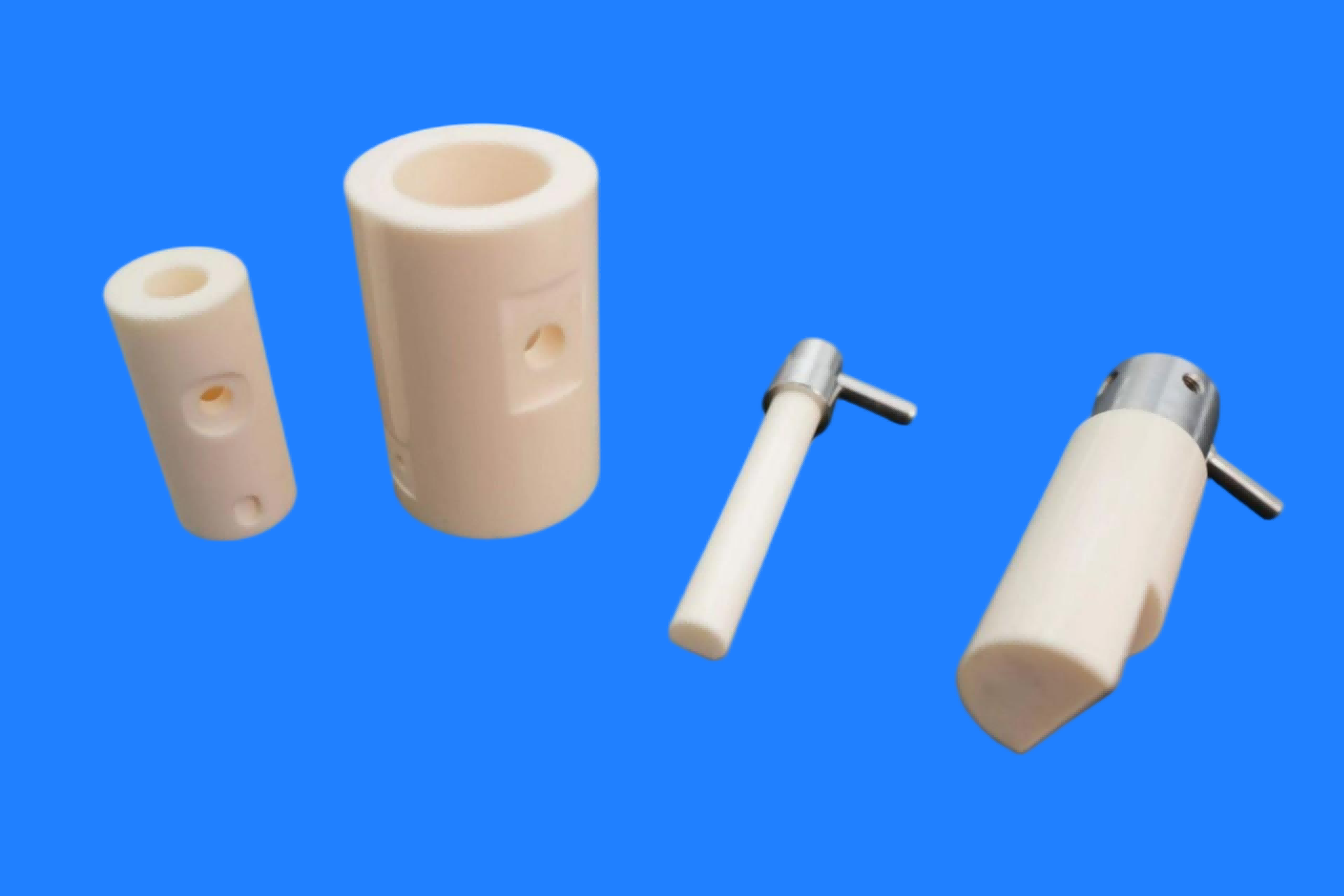
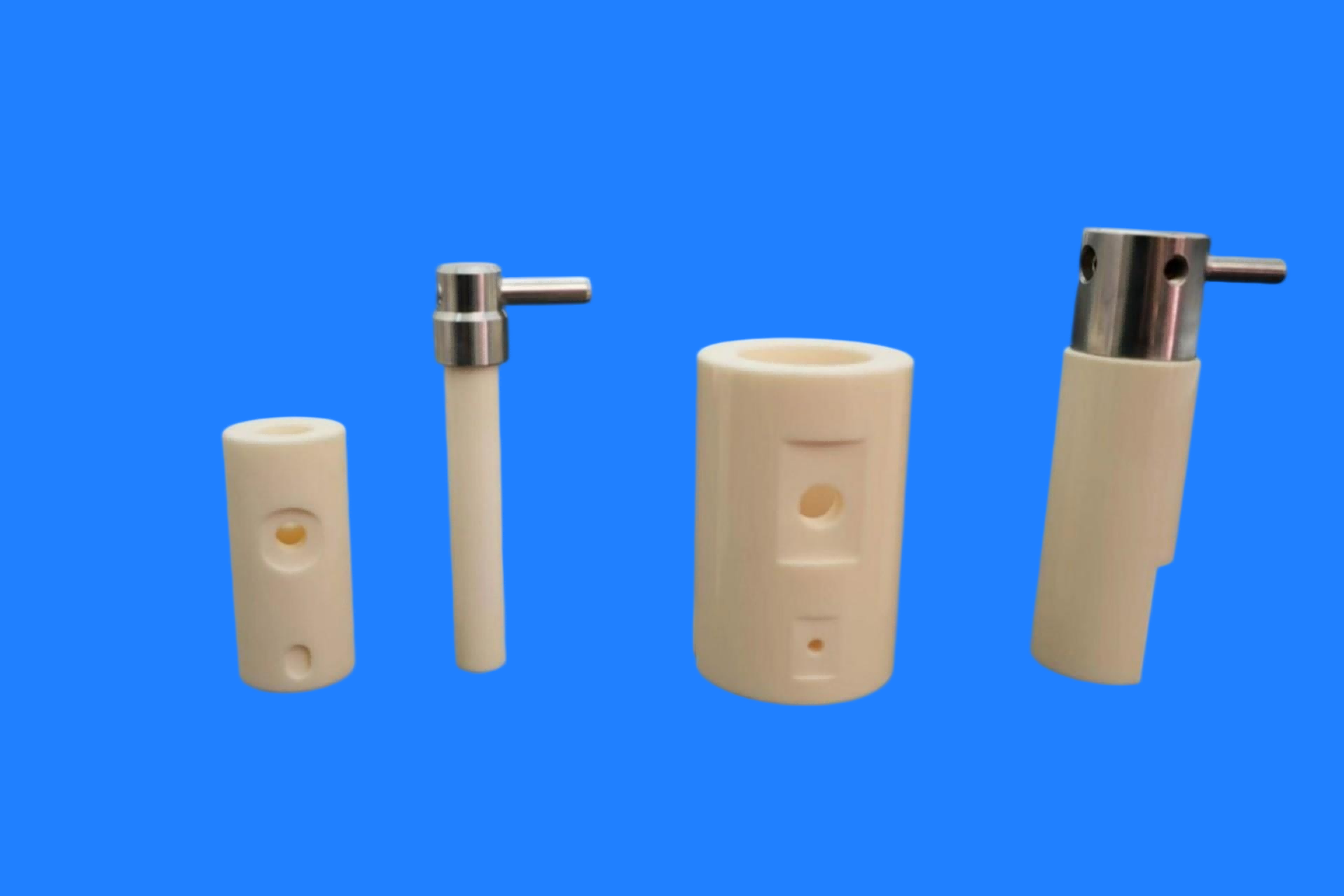
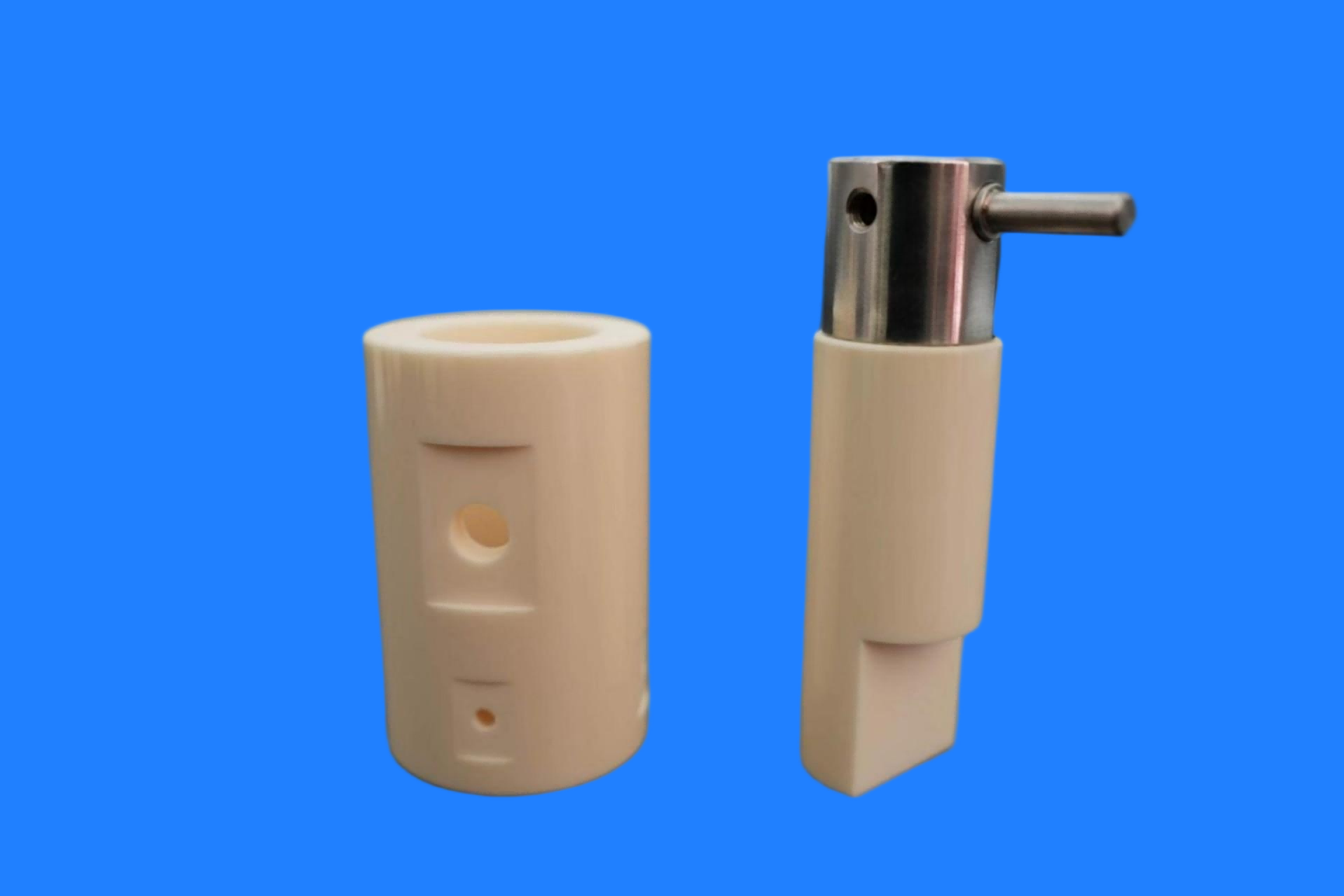
The 99% Al₂O₃ Filling Pump delivers aseptic and high-precision dosing for high-value liquids across biopharmaceutical, chemical, food, electronics, and laboratory applications. Its high-purity ceramic construction ensures outstanding chemical resistance, cleanliness, and stable long-term performance.
99% Al2O3 Filling Pump for Filling and Packaging Systems
Alumina ceramic filling pump components represent a cutting-edge solution for precision metering of high-value-added, highly corrosive, and high-cleanliness liquids. With a composite design concept of "ceramic core in contact with the medium, and metal body providing support," it perfectly balances wear resistance, corrosion resistance, high cleanliness, long service life, and structural strength. It is one of the core components for achieving efficient, reliable, and high-quality production in the upgrading of industries such as biopharmaceuticals and fine chemicals.
Product Description
|
Analysis Dimensions
|
Detailed description and interpretation |
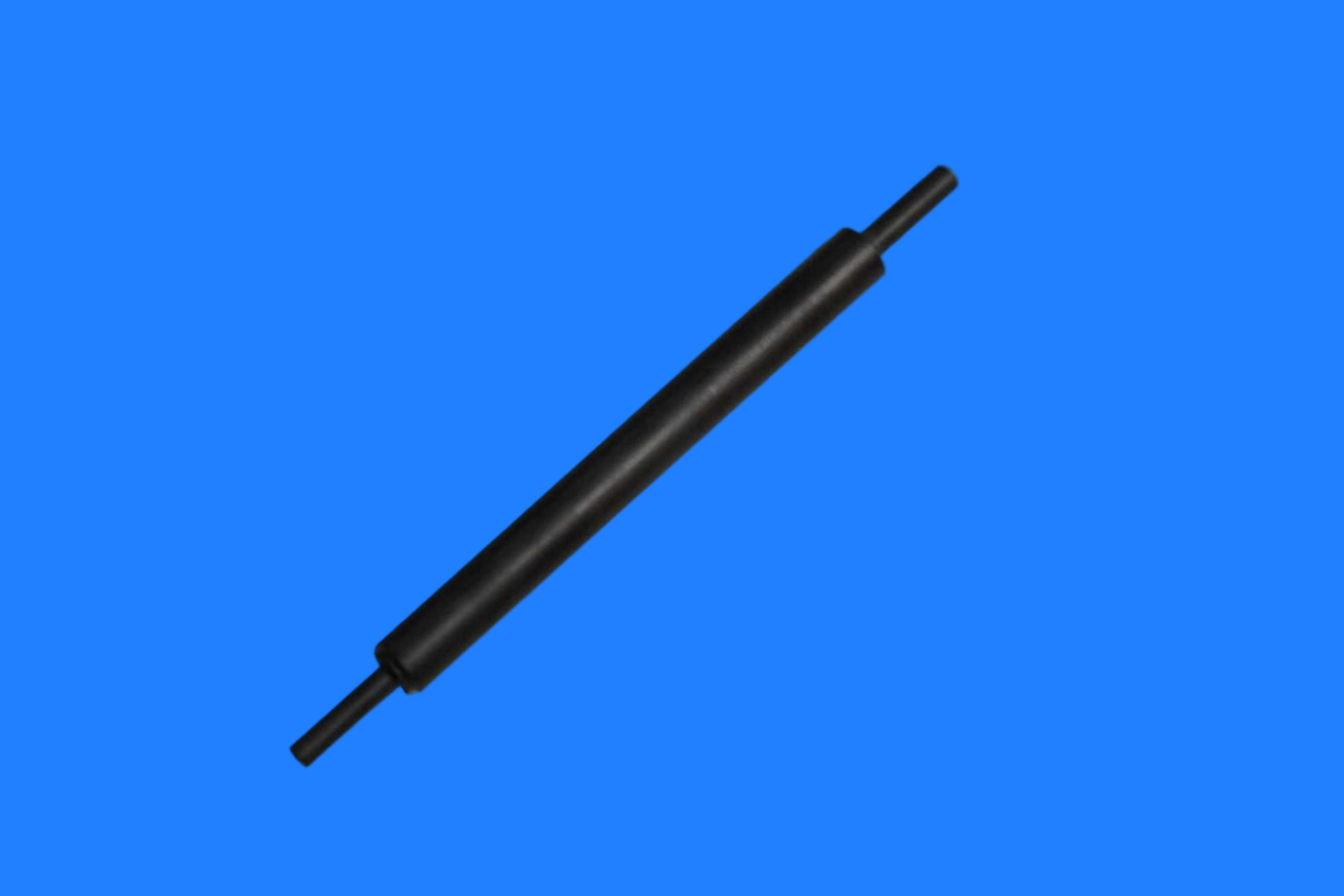
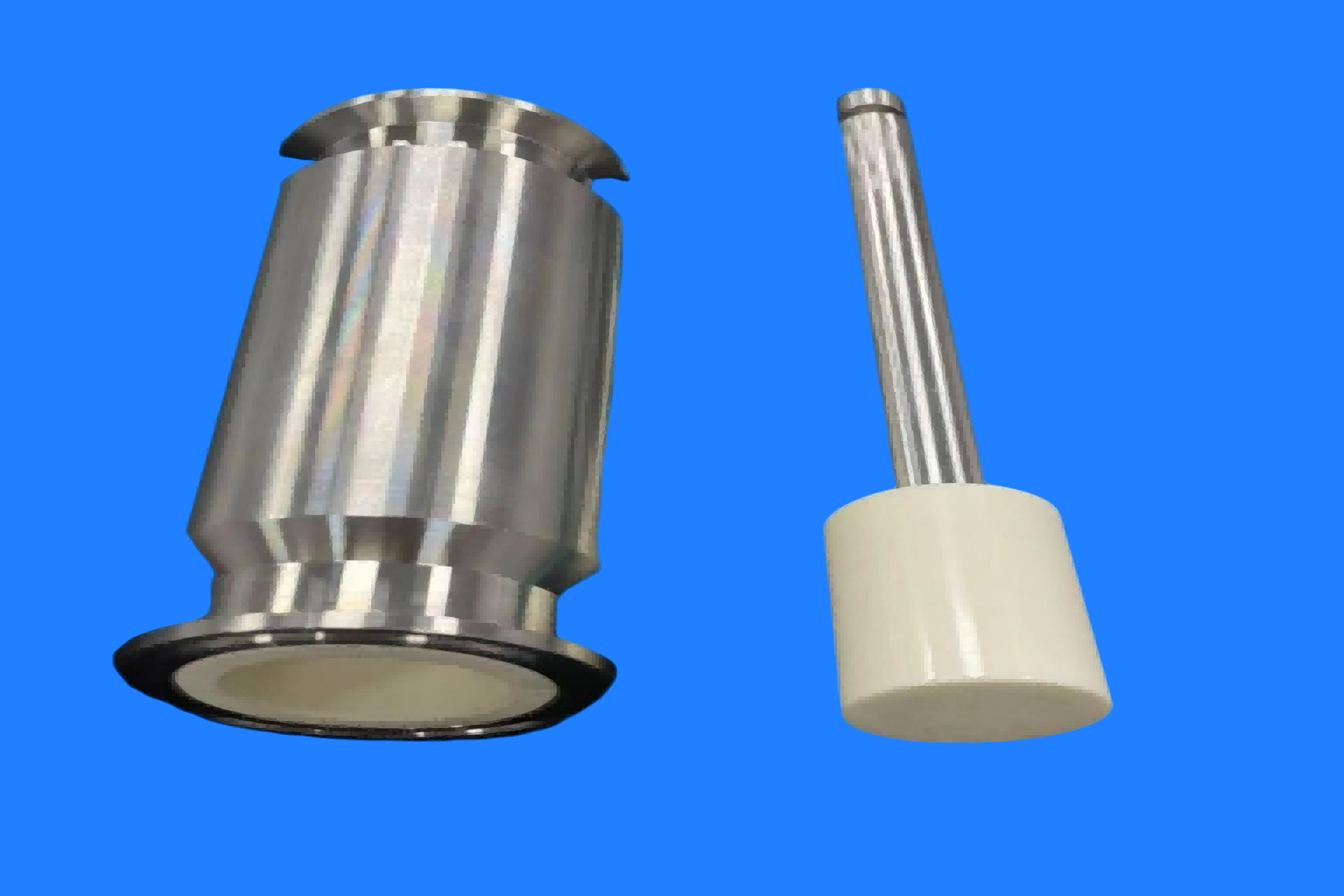
| Components | The image shows the core component of an industrial plunger-type filling pump. It consists of two main parts: the pump body and the plunger/piston rod, and is used for precise and quantitative delivery of liquids. |
| Component Disassembly | 1.Left side, silver tank: Pump body/cylinder. It should have a high-precision internal cavity to hold the medium. 2. Right side, long rod assembly: Plunger/piston assembly. It typically consists of a plunger rod (silver metal part) and a plunger head (white ceramic part); the piston head is a precision moving part. |
|
Material Analysis
|
1.White ceramic part: alumina ceramic (Al₂O₃). 2. Silver metal part: high-strength stainless steel (such as 304, 316L), which is bonded to the ceramic part through special processes (such as metallization followed by brazing, interference fit, and bonding). |
| Design Logic |
1. Wear-resistant and corrosion-resistant: The core moving part (plunger head) in contact with the media is made of alumina ceramic, which has extremely high hardness and wear resistance, as well as excellent chemical corrosion resistance. 2. Structural support: The pump body and plunger rod are made of metal, providing overall structural strength and rigidity, and facilitating connection with external systems (such as motors, frames, and pipelines). 3. Precision fit: The ceramic plunger head and the metal pump body cavity (the inner wall may also be lined with ceramic or precision-machined metal) form an extremely high-precision clearance fit, ensuring sealing and metering accuracy. |
| Core Features |
1. Ultra-high wear resistance: The lifespan of ceramic plungers is dozens of times longer than that of traditional metal plungers, making them especially suitable for media containing particles or with high viscosity. 2. Extreme cleanliness: The ceramic surface is dense, smooth, non-porous, and chemically inert, preventing adsorption and contamination of the media. It is easy to clean and sterilize, meeting GMP, food, and pharmaceutical grade requirements. 3. Corrosion resistance: It can withstand most chemicals, including strong acids, strong alkalis, and solvents, making it suitable for a wide range of applications. 4. High precision and stability: Low coefficient of thermal expansion ensures dimensional stability and maintains consistent filling accuracy under temperature changes. |
|
Working principle
|
The motor drives the plunger in a reciprocating motion: Intake stroke: The plunger retracts, creating a negative pressure in the pump chamber, and the medium is drawn in through the inlet check valve. Discharge stroke: The plunger advances, increasing the pressure in the pump chamber, and the medium is quantitatively and stably discharged through the outlet check valve, completing the filling process. |
| Core applications |
1. Biopharmaceuticals: Aseptic, high-precision filling of expensive or highly active liquids such as vaccines, insulin, and monoclonal antibodies. 2. Fine Chemicals: Precise metering and dispensing of adhesives, sealants, dyes, and auxiliaries. 3. Food and Beverages: Quantitative addition of high-end seasonings, essences, and flavorings. 4. Electronics Industry: Precision coating of conductive silver paste and underfill adhesives for semiconductor packaging. 5. Scientific Instruments: Core infusion unit for high-precision liquid chromatography and autosamplers. |
|
Summary of advantages
|
Compared to all-metal or plastic pumps: 1. Longer lifespan: virtually no wear, extremely long maintenance intervals. • Higher purity: no metal ion contamination, ensuring product quality. 2. Wider adaptability: can safely transport everything from ultrapure water to corrosive slurries. 3. More durable precision: minimal precision degradation even after long-term use. |
| Key points for selection and use |
1. Pairing Selection: Ceramic plungers are typically paired with high-hardness, high-surface-finish pump sleeves (such as zirconia ceramics, high-grade stainless steel, and engineering plastics) to achieve optimal sealing and lifespan. 2. Sealing Components: Sealing materials compatible with both the media and the ceramic (such as PTFE, FFKM) must be selected. 3. Installation Requirements: Precise alignment is required to prevent ceramic breakage due to lateral forces. 4. Cleaning and Maintenance: Typically, in-situ cleaning (CIP) and sterilization (SIP) can be performed. |
FAQ
Q1: What products does your company offer?
We specialize in high-performance ceramics such as alumina and silicon nitride, providing insulators, structural components, wear-resistant parts, and customized solutions.
Q2: Can you customize non-standard parts?
Yes. We support processing based on provided drawings and collaborative technical development, offering a full-process service from design to mass production.
Q3: What about accuracy and delivery time?
Standard tolerance ±0.05mm, precision grade ±0.01mm; samples 7-15 days, bulk orders 20-30 days.
Q4: Main application areas?
Power, electronics, machinery, chemical, and aerospace industries.
Q5: Quality assurance measures?
Full-process quality inspection, providing material reports and performance test data, supporting third-party certification and testing.
Q6: Do you provide technical support?
We provide professional support such as material selection consultation, design optimization, and failure analysis.



 IPv6 network supported
Leave A Message
Scan to Wechat :

Scan to WhatsApp :