Leave A Message
If you are interested in our products and want to know more details,please leave a message here,we will reply you as soon as we can.




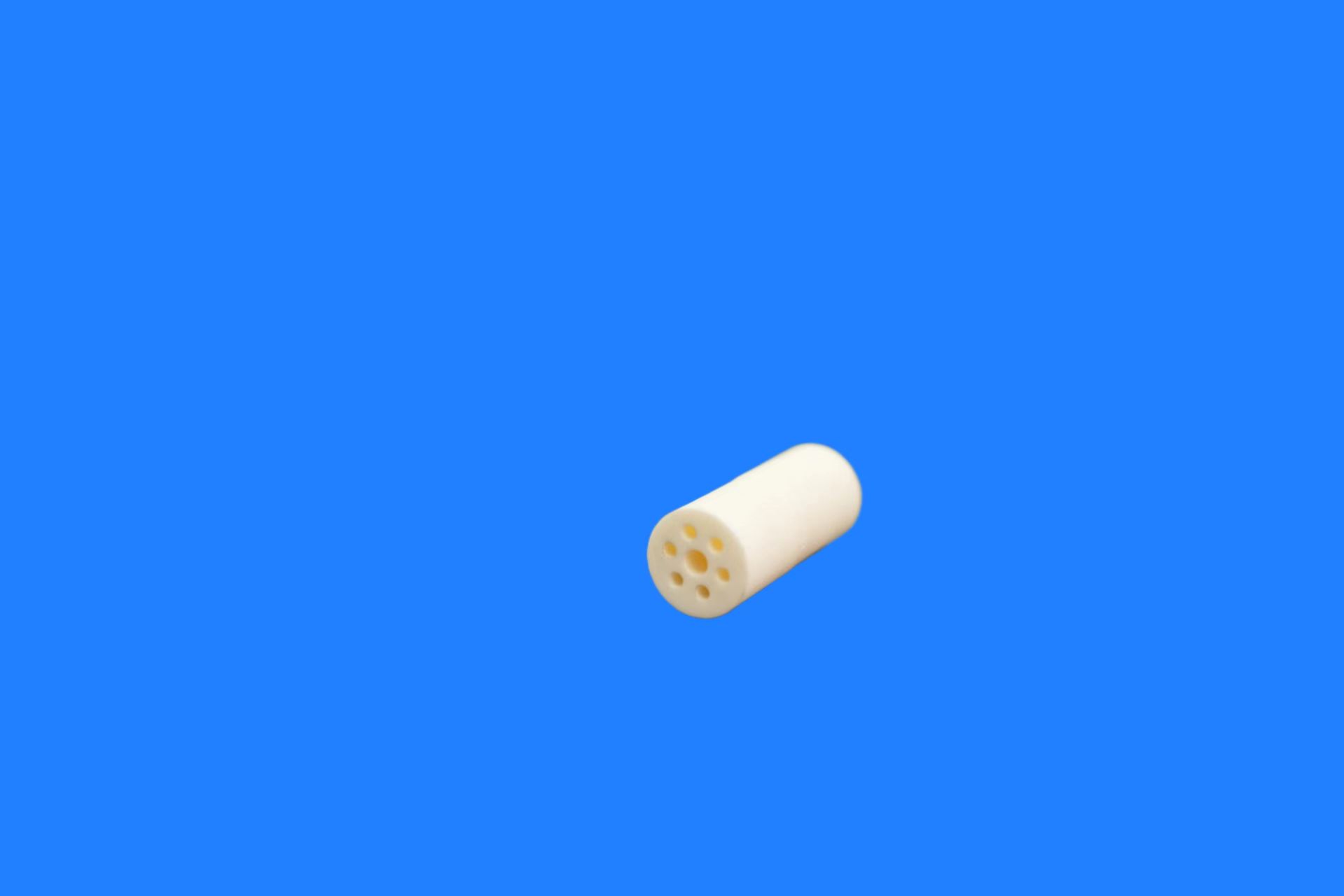
Porous Al2O3 Ceramic Rod, work as a high-performance material integrating structure and function, have become indispensable key materials in fields such as filtration and separation, catalysis, energy, and environmental protection due to their controllable pore structure, excellent high-temperature and corrosion resistance, good mechanical strength, and long service life. With continuous advancements in preparation technology and the ongoing expansion of application areas, porous alumina ceramic cylinders will play an increasingly important role in high-end manufacturing and green industry.
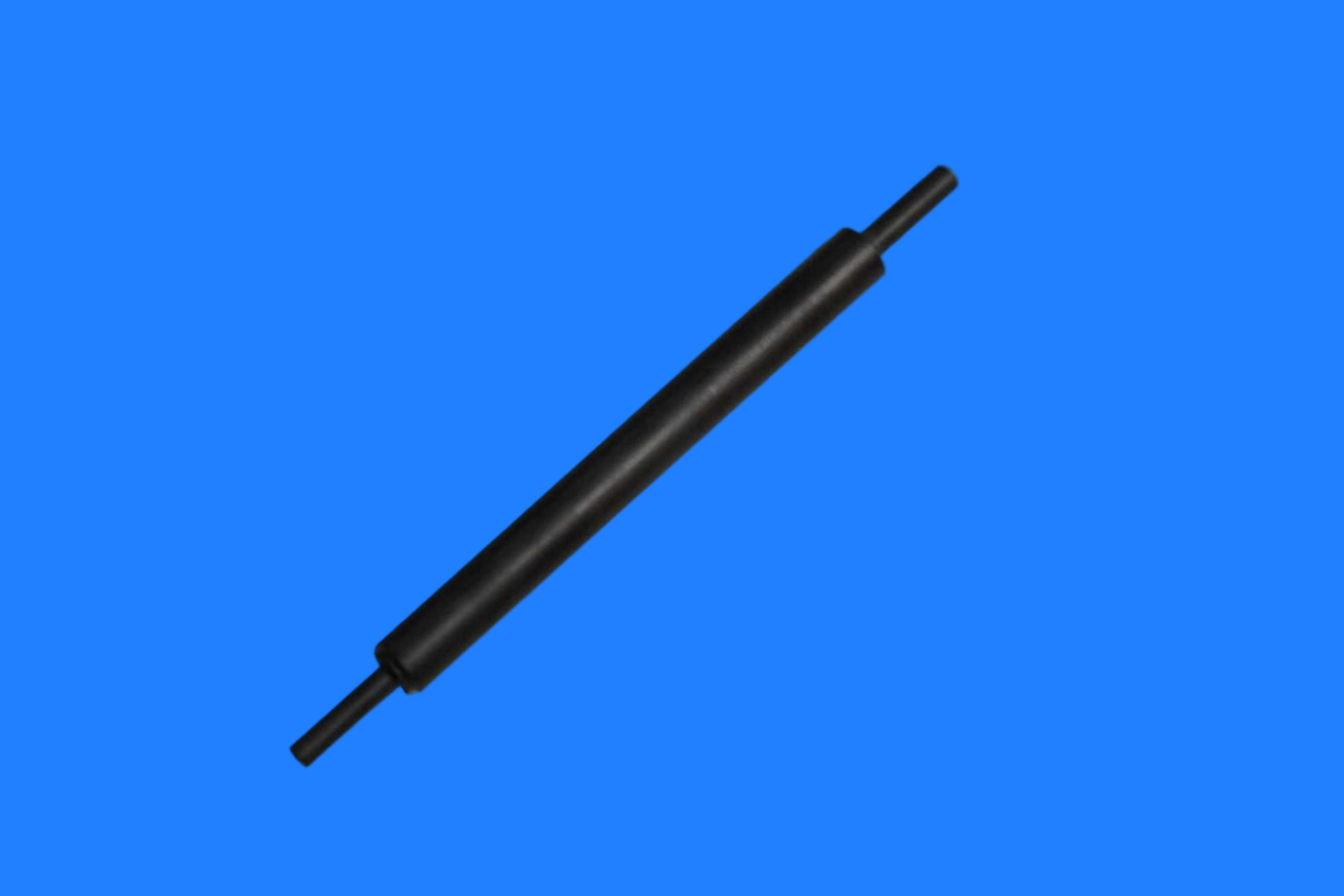
99% Porous Alumina Ceramic Rod Tube Pipe Cylinder
Product Description
Porous Alumina Ceramic Tube is cylindrical ceramic elements with a three-dimensional interconnected or closed-pore structure, formed by high-purity alumina (Al₂O₃) as the matrix and sintered at high temperatures. They contain a large number of interconnected or closed micropores/cavities, with porosity precisely controllable within the range of 30%-95%. These products combine the high-temperature and corrosion resistance of alumina ceramics with the high specific surface area and low thermal conductivity advantages of porous materials, and are widely used in filtration, catalytic carriers, thermal insulation, vacuum adsorption, and sensors.
Product Specifications
-Material: 95%/99% alumina ceramic (Al₂O₃)
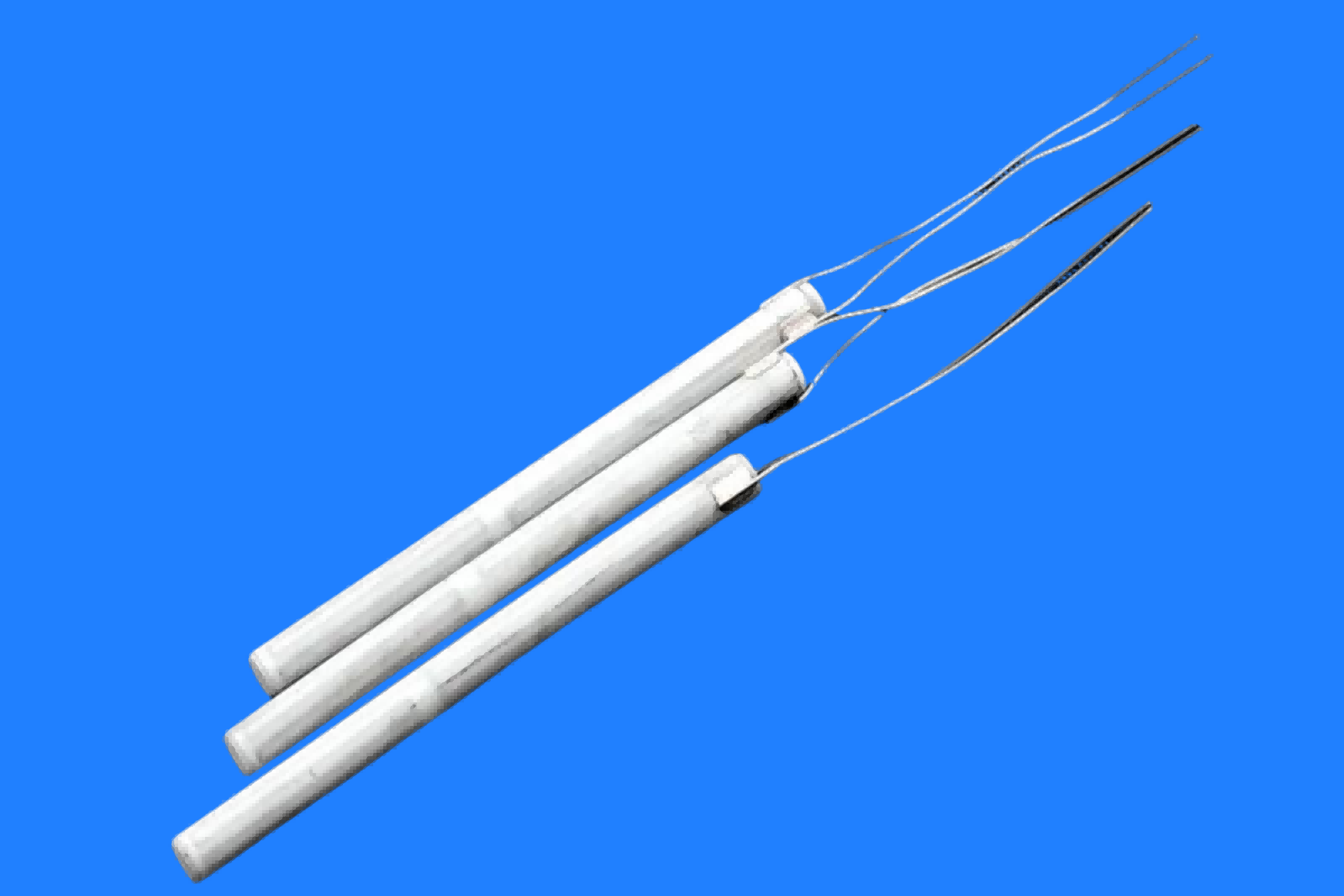
- Appearance: Off-white cylindrical shape with multiple holes on the end face
- Size Range: Outer diameter φ3-20mm, length 5-100mm, hole diameter φ0.5-2mm (customizable)
- Tolerance: Hole position accuracy ±0.02mm, dimensional tolerance ±0.01mm (customizable)
- Surface Treatment: Mirror polishing/brushing/sandblasting (optional)
- Hole Type: Customizable single hole/3 holes/5 holes/7 holes/9 holes/11 holes, etc.
Key Performance Parameters
| Technical Parameters | Typical Range | Remark |
| Porosity | 30% - 95% | Gel injection molding can achieve a success rate of 95%. |
| Aperture Range | 0.02 μm - 1000 μm | Microfiltration membrane 0.02-1μm, support 8-12μm |
| Bulk Density | 0.5 - 3.4 g/cm³ | With porosity |
| Flexural Strength | 23 - 185 MPa | Negatively correlated with porosity |
| Compressive Strength | 50 MPa (typical value) | It maintains high strength despite high porosity. |
| Thermal conductivity | 2.2 - 3.5 W/(m·K) | Much lower than dense alumina (30 W/(m·K)). |
| Temperature resistance | Maximum 1200-1600℃ | Depends on purity and sintering process |
| Chemical stability | pH 0-14 | Resistant to strong acid and alkali corrosion |
Preparation Process and Technology
The preparation process of porous alumina ceramic cylinders directly determines their pore structure and properties.
| Preparation Method | Pore Structure Characteristics | Porosity | Applicable Aperture | Features |
| Gelcasting | Micropores, evenly distributed | Up to 95% | Nanoscale | The process is simple and the pores are uniform. |
| Pore-forming agent method (starch/resin microspheres) | Spherical closed-cell | 40-70% | 10-200 μm | Controllable pore size, high strength |
| Extrusion Molding | Channel-shaped opening | 50-60% | 5-12 μm | Suitable for tubular/cylindrical supports |
| Spark Plasma Sintering | Nanoscale micropores | 38-97% | 50-120 nm | Rapid sintering, fine grains |
| Foaming | Open or closed, spherical | 40-90% | 10-2000 μm | High porosity with lightweight |
| Freeze-drying | Directional through hole | 40-80% | 10-200 μm | Anisotropic hole structure |
2.Typical Process Flow (Taking Gel Injection Molding as an Example)
Slurry Preparation: Alumina powder + dispersant + curing agent + pore-forming agent (e.g., resin microspheres)
Injection Molding: Injected into a mold, cured in situ to form a green body
Drying and Debinding: Low-temperature removal of moisture and organic matter
High-Temperature Sintering: Sintering at 1250-1600℃ to form a porous structure
Precision Machining: Cutting, grinding, and polishing as needed
Product Advantages
By adjusting the type/content of the pore-forming agent, sintering temperature, and pressure, the pore size distribution (from nanometer to millimeter) and porosity (30%-95%) can be precisely controlled to meet different filtration precision and permeability requirements.
2.Excellent High-Temperature Resistance
α-Al₂O₃-based porous ceramics can operate continuously above 1000℃, have a low coefficient of thermal expansion (approximately 8×10⁻⁶/℃), and good thermal shock resistance, making them suitable for high-temperature filtration and insulation applications.
3.Outstanding Chemical Stability
It exhibits extremely strong corrosion resistance to acids, alkalis, and organic solvents, with a pH range of 0-14, allowing for long-term stable operation in highly corrosive media. Tests show that after immersion in 10% nitric acid and 10% sodium hydroxide solutions for 360 hours, the corrosion rate is less than 0.4%, and the strength retention rate is >90%.
4. High Mechanical Strength and Wear Resistance
Even under high porosity (40-50%) conditions, by optimizing the sintering process and adding reinforcing phases, the flexural strength can still reach 50-185 MPa, far exceeding that of traditional porous ceramics.
5.Biocompatibility and Safety
Alumina is an inert material, non-toxic and harmless, meeting the requirements for food-grade and medical-grade applications, and can be used for filtration and separation in the biopharmaceutical field.
| Applications | Core role |
| 1.Filtration and Separation |
(1)Liquid filtration: clarification and concentration of fruit juice, dairy products, fermentation broth, and industrial wastewater. (2)Gas purification: high-temperature flue gas dust removal, chemical tail gas treatment (3)Membrane separation support: a porous support layer (pore size 8-12μm, porosity 50-60%) serving as a microfiltration/ultrafiltration membrane. |
| 2. Catalysis and Adsorption |
(1)Catalyst support: high specific surface area γ-Al₂O₃ provides abundant active sites (2)Adsorption materials: used for adsorption of heavy metal ions in wastewater treatment |
| 3.Thermal Insulation |
(1)High-temperature furnace body material: Low thermal conductivity (3.5 W/(m·K)) effectively reduces heat loss. (2)Thermal barrier coatings: thermal protection systems in the aerospace field |
| 4.Semiconductors and Precision Manufacturing |
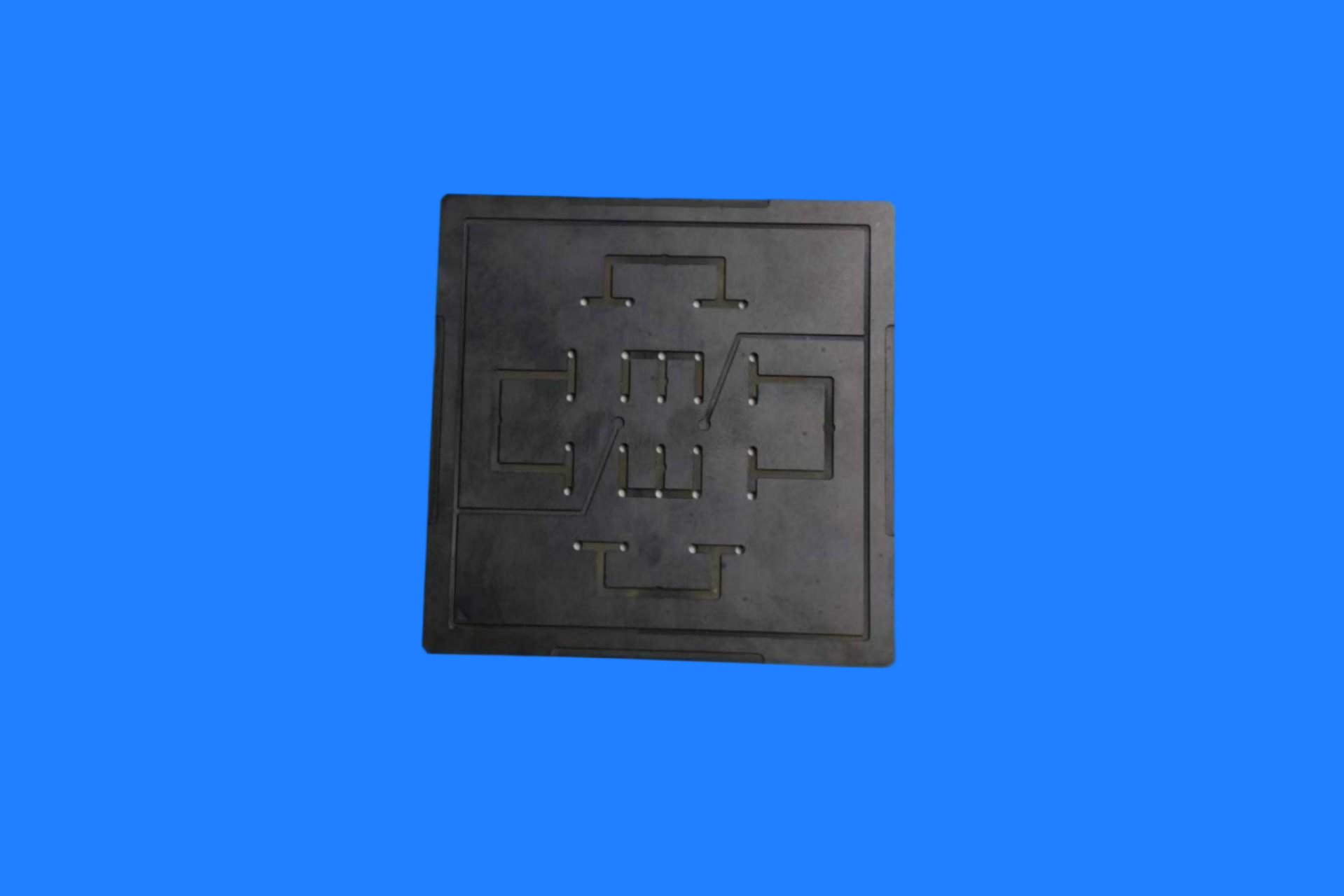
(1)Vacuum chuck: Black porous alumina ceramic used for wafer adsorption and fixation (porosity ~40%). (2)Precision filtration: terminal filtration for electronic-grade ultrapure water |
| 5.Biomedicine |
(1)Bone tissue engineering: porous structure facilitates cell ingrowth and vascularization (2)Drug sustained-release carrier: controllable pore size enables sustained drug release |
Product Specifications
Standard specifications (taking tubular/cylindrical membrane elements as an example)
| Parameter | Specifications range |
| Outer Diameter | 10 - 100 mm (Customizable) |
| Number of channels | Single-channel or multi-channel (7-43 channels) |
| Length | 100 - 1200 mm |
| Aperture | 0.02 μm (microfiltration), 0.1-1 μm (ultrafiltration), 5-12 μm (support) |
| Porosity | 30% - 60% (support), 35-40% (separation layer) |
Performance Testing and Quality Control
Porous alumina ceramic cylinders must undergo rigorous quality testing.
| Testing items | Method | Standards/Indicators |
| Porosity | Archimedes' method of water displacement / Mercury intrusion method | ±1% |
| Aperture Distribution | Mercury intrusion porosimetry / Bubble point method and SEM | Most probable aperture ±10% |
| Mechanical Strength | Three-point bending test / Compression test | Flexural strength ≥ 50 MPa |
| Chemical Composition | XRD / EDS | α-Al₂O₃ phase purity ≥ 99% |
| Surface Morphology | SEM observation | The pores are evenly distributed and there are no cracks. |
| Permeability | Pure water flux test | Verification based on aperture specifications |
Usage and Maintenance Recommendations
Why choose us?
1.Customized R&D, rather than standard product adaptation
2.Deep control of materials science:Material Selection Based on Needs,Microstructure Optimization,Batch Consistency
3.Precision machining capability:Flatness can reach 0.001mm, parallelism 0.002mm, and roughness Ra 0.1μm.
FAQ
Q1: What products does your company offer?
We specialize in high-performance ceramics such as alumina and silicon nitride, providing insulators, structural components, wear-resistant parts, and customized solutions.
Q2: Can you customize non-standard parts?
Yes. We support processing based on provided drawings and collaborative technical development, offering a full-process service from design to mass production.
Q3: What about accuracy and delivery time?
Standard tolerance ±0.05mm, precision grade ±0.01mm; samples 7-15 days, bulk orders 20-30 days.
Q4: Main application areas?
Power, electronics, machinery, chemical, and aerospace industries.
Q5: Quality assurance measures?
Full-process quality inspection, providing material reports and performance test data, supporting third-party certification and testing.
Q6: Do you provide technical support?
We provide professional support such as material selection consultation, design optimization, and failure analysis.



 IPv6 network supported
Leave A Message
Scan to Wechat :

Scan to WhatsApp :