Leave A Message
If you are interested in our products and want to know more details,please leave a message here,we will reply you as soon as we can.

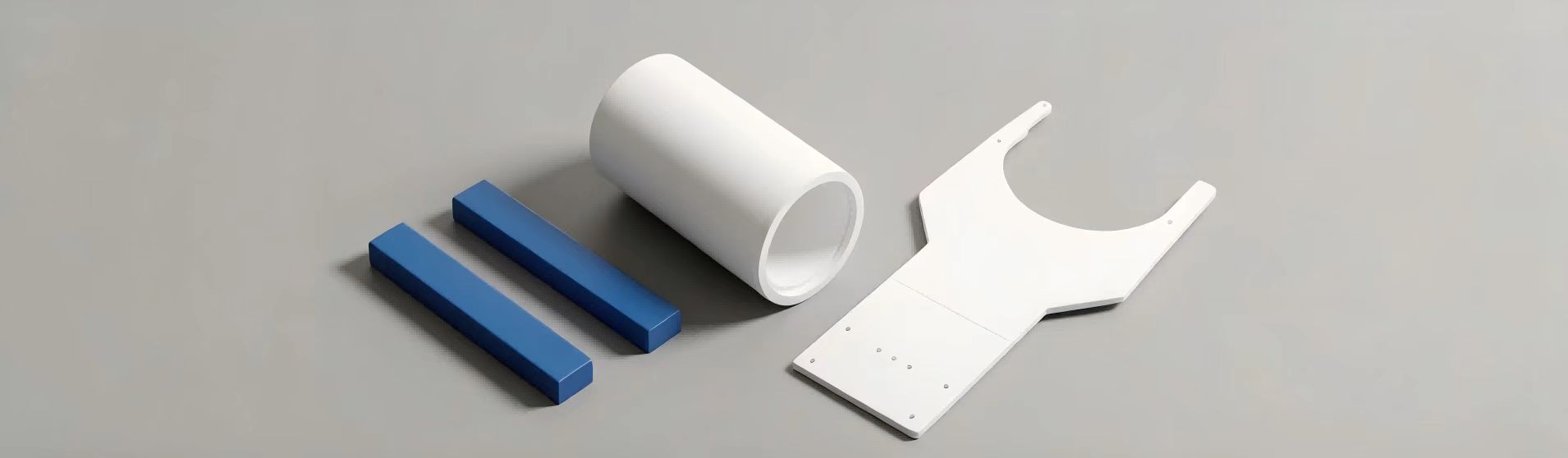
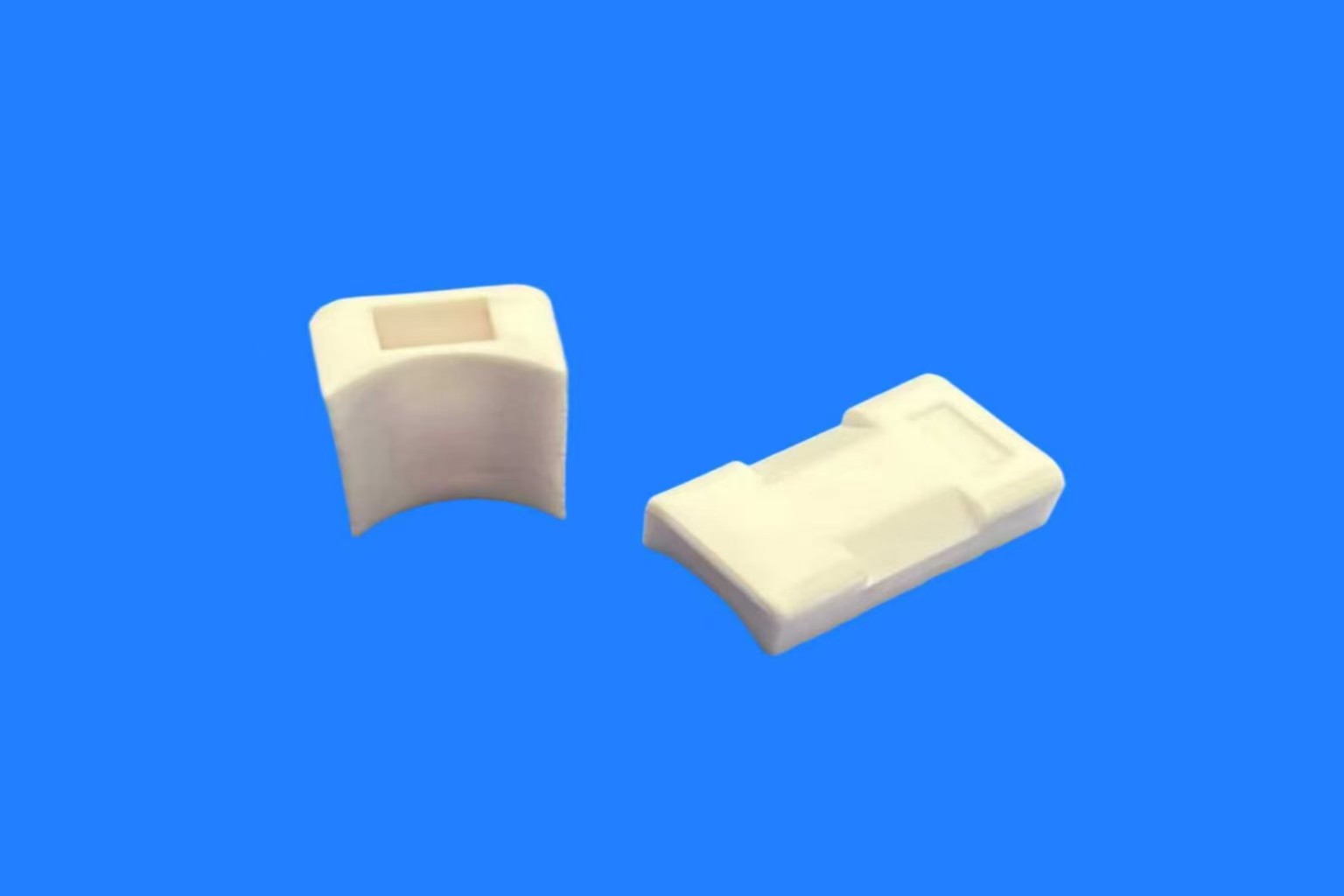
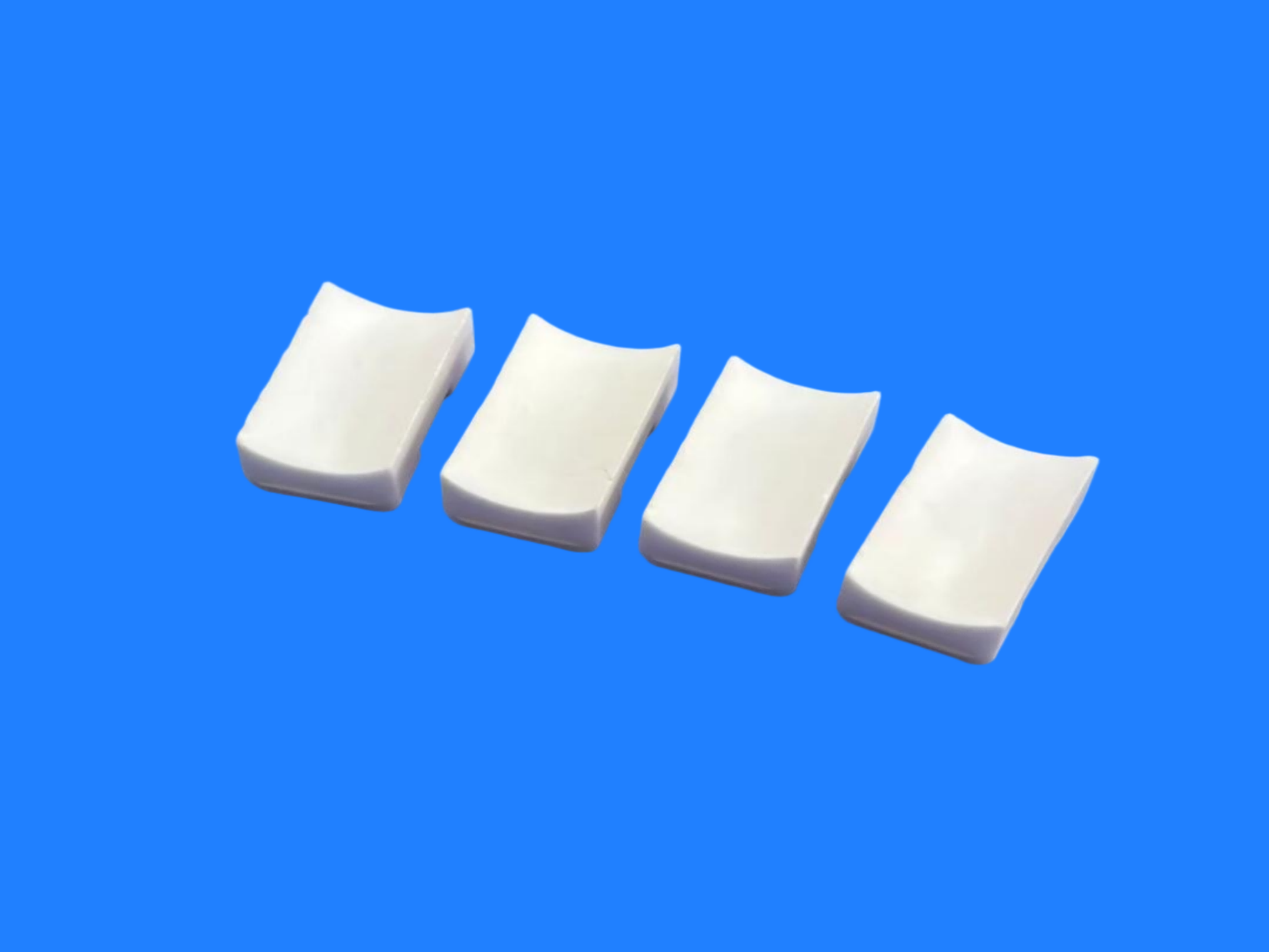
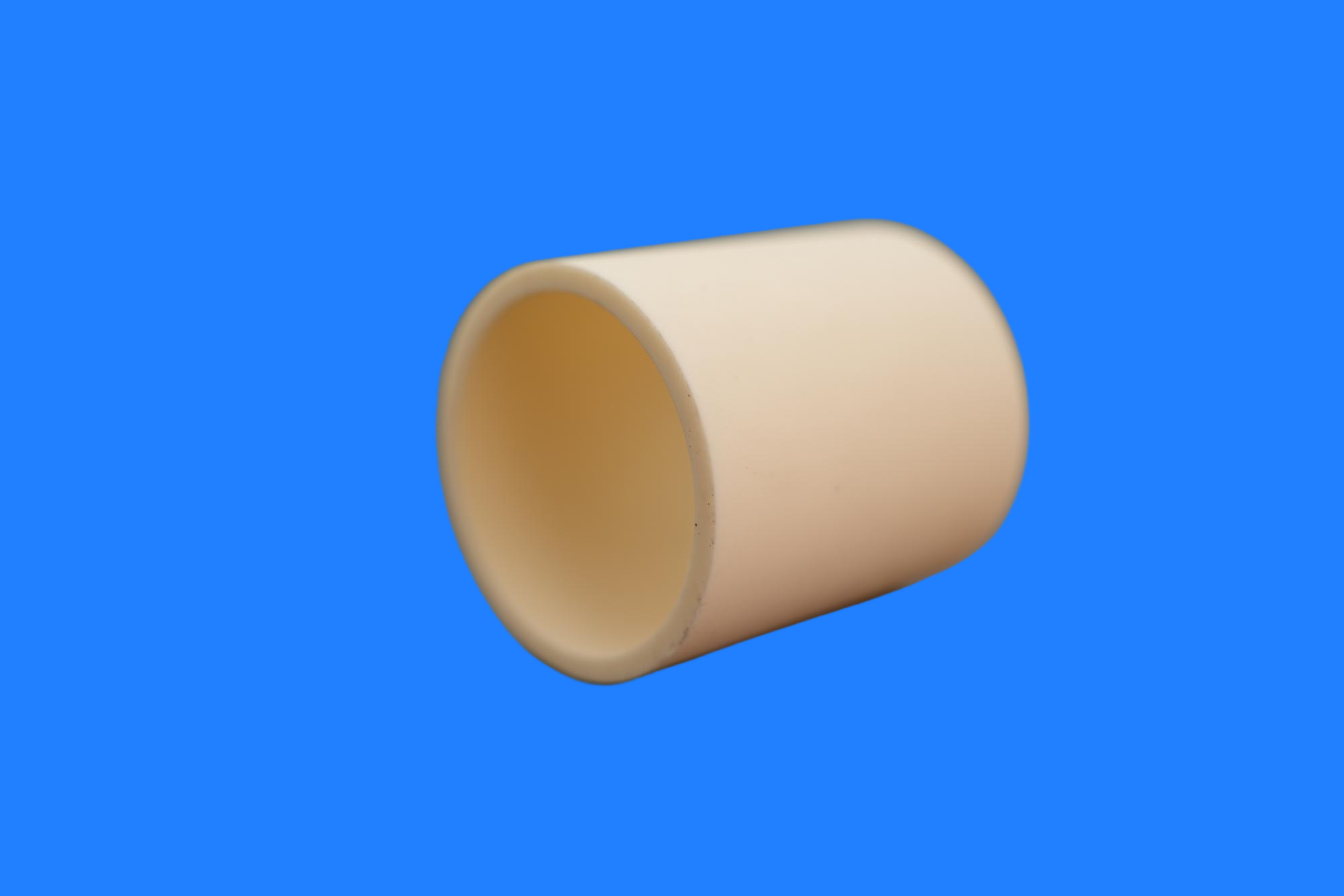
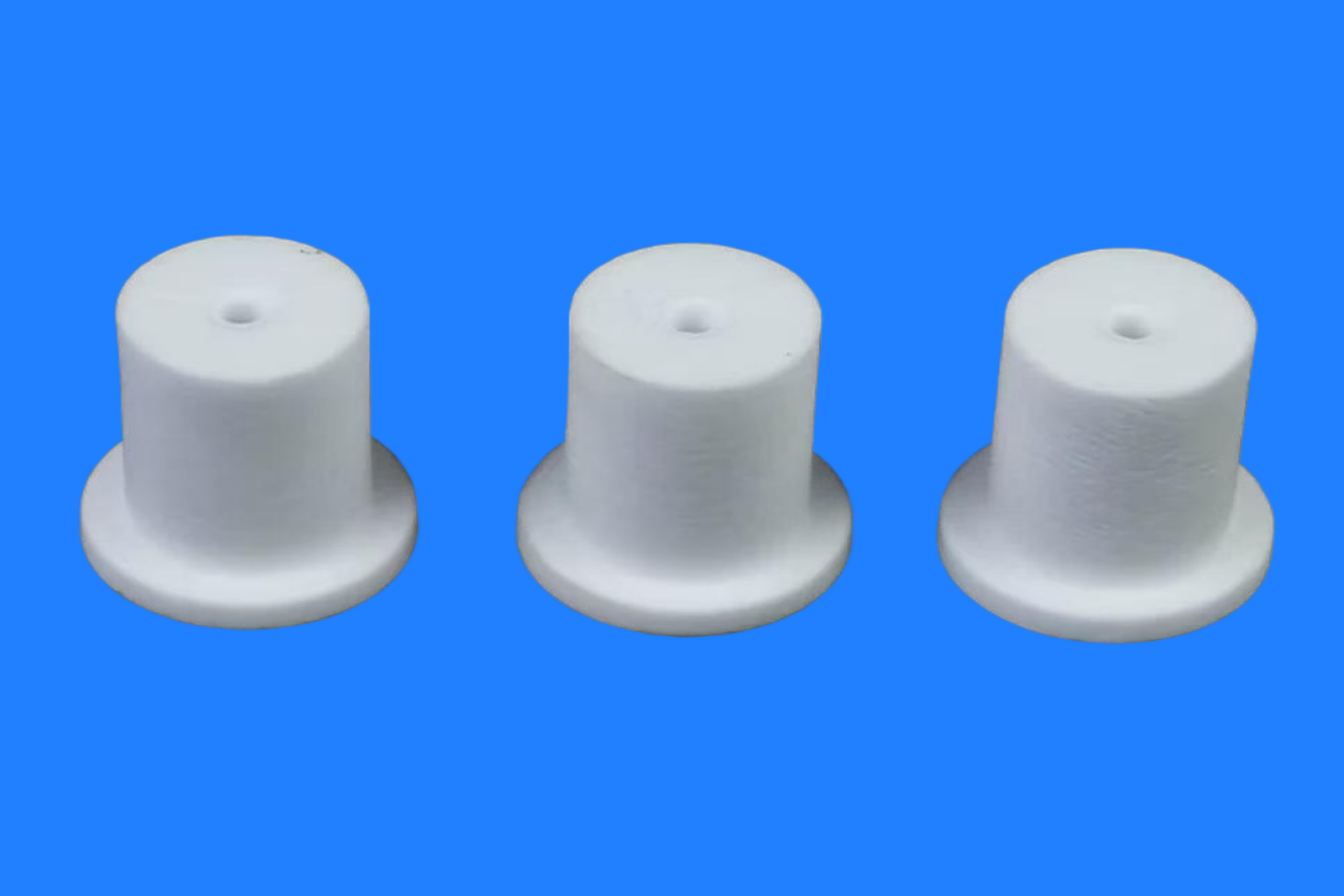
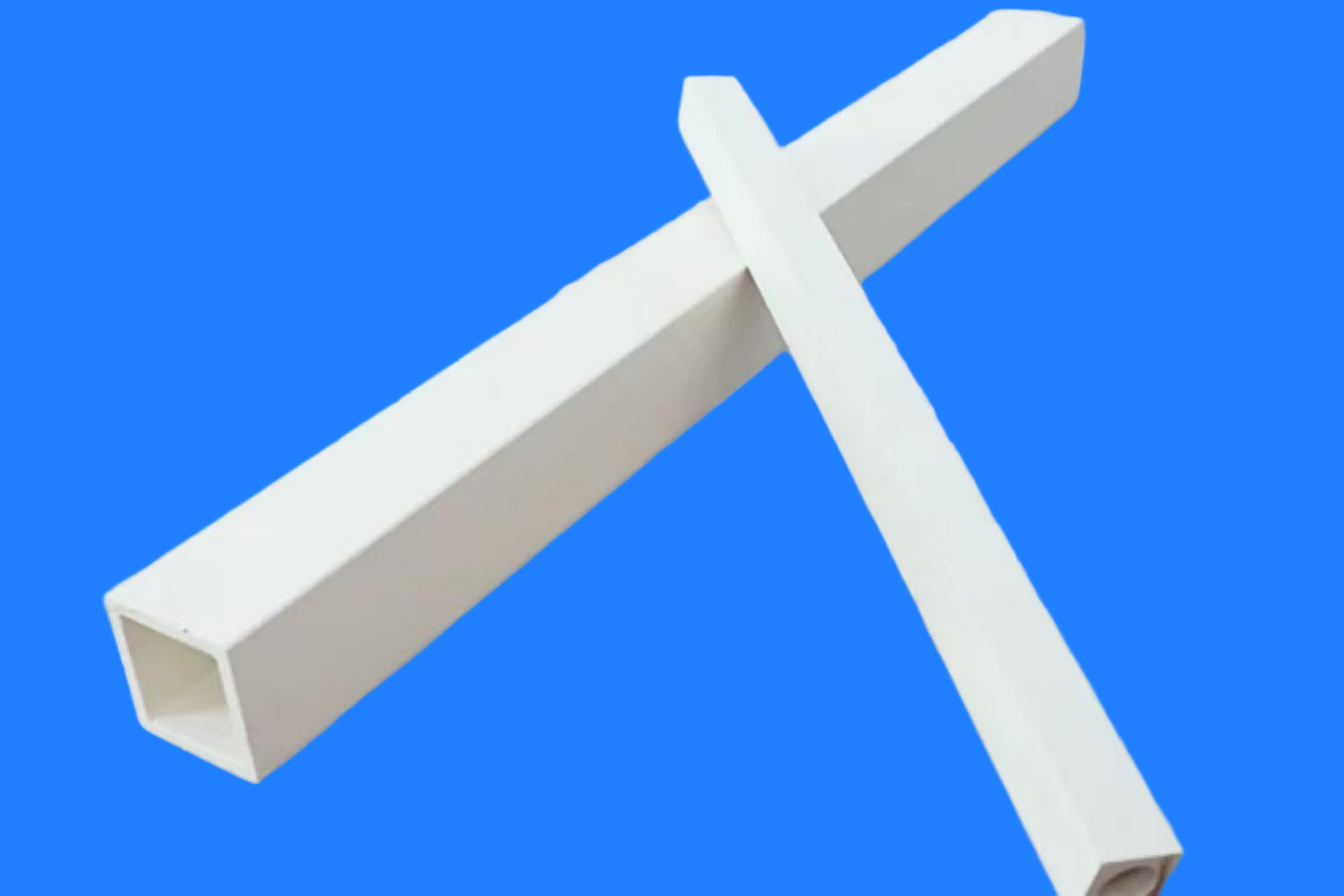
Ceramic Cable Shells are high-performance insulation accessories specifically designed for cable protection. They are mainly divided into two categories: structural ceramic cable shells (such as traditional structural ceramics like alumina, silicon nitride, and silicon carbide) and ceramicized composite material cable shells (such as ceramicized silicone rubber and ceramicized polyolefins, which are high-molecular materials that turn into ceramics when exposed to fire). The former is suitable for cable protection under harsh conditions such as extreme high temperatures and strong corrosion; the latter, through its "normal temperature flexibility and high temperature ceramicization" properties, provides revolutionary fire-resistant protection for fire emergency cables.
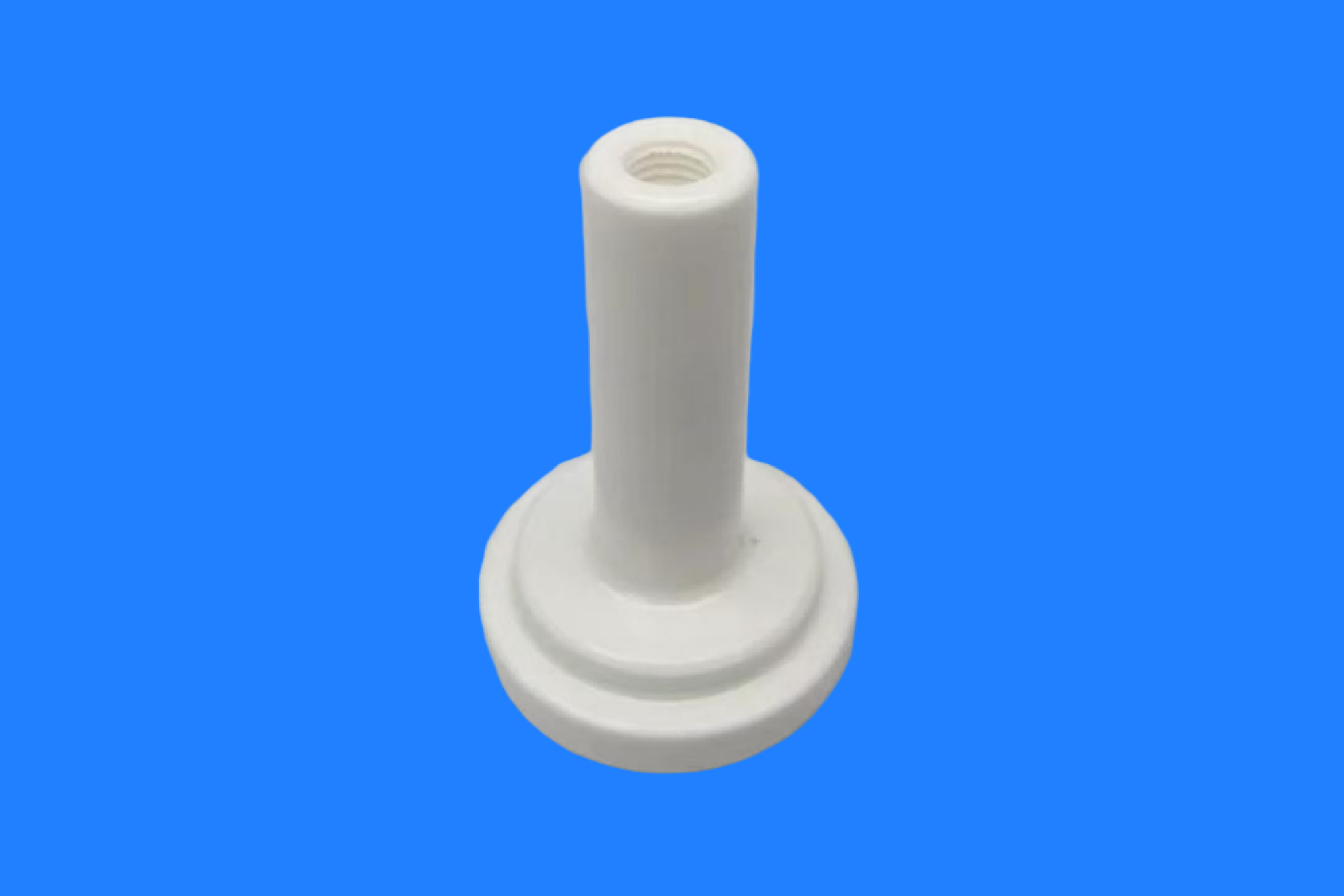
High Temperature Resistance Al₂O₃ Ceramic Shell for Cable
Product Description
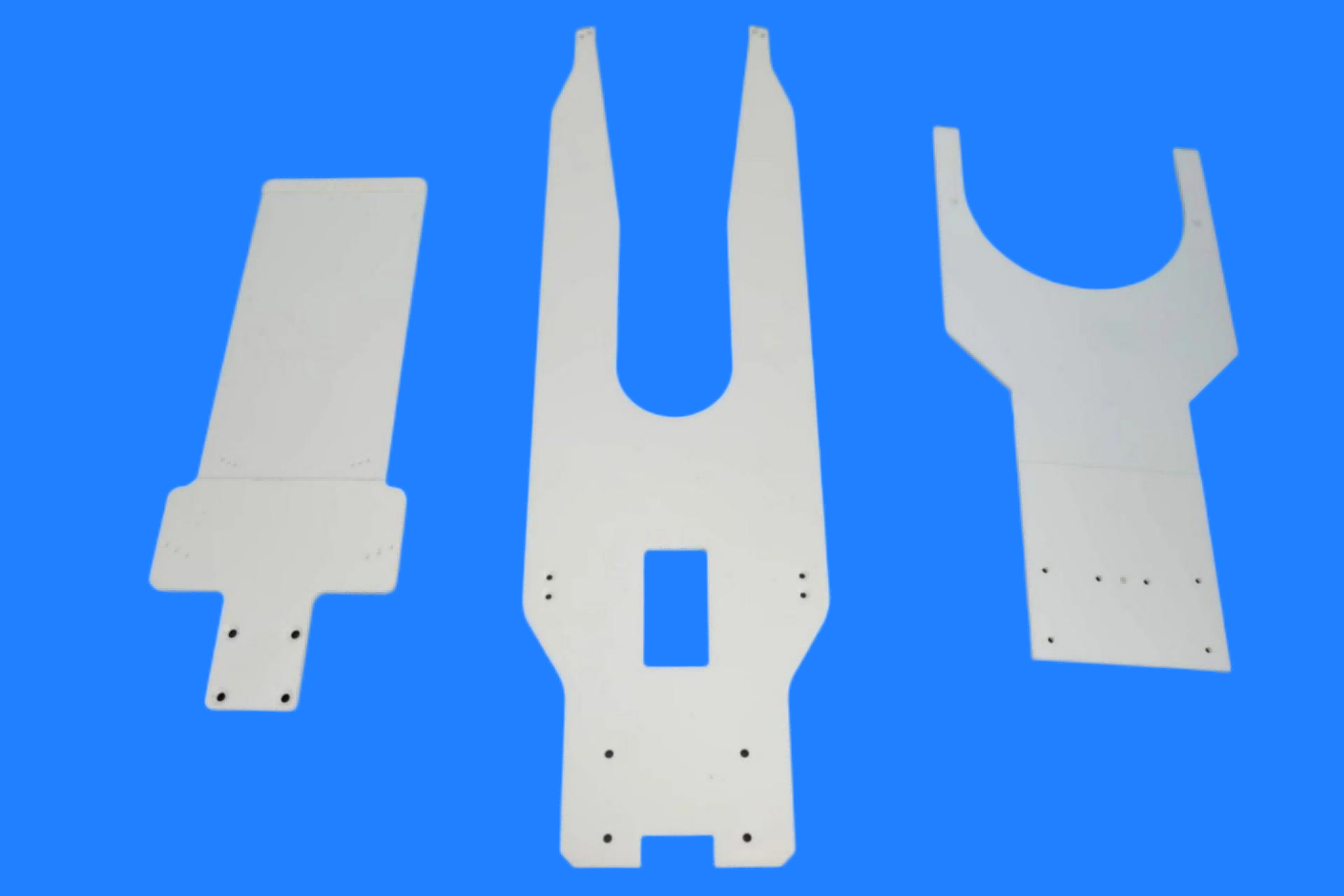
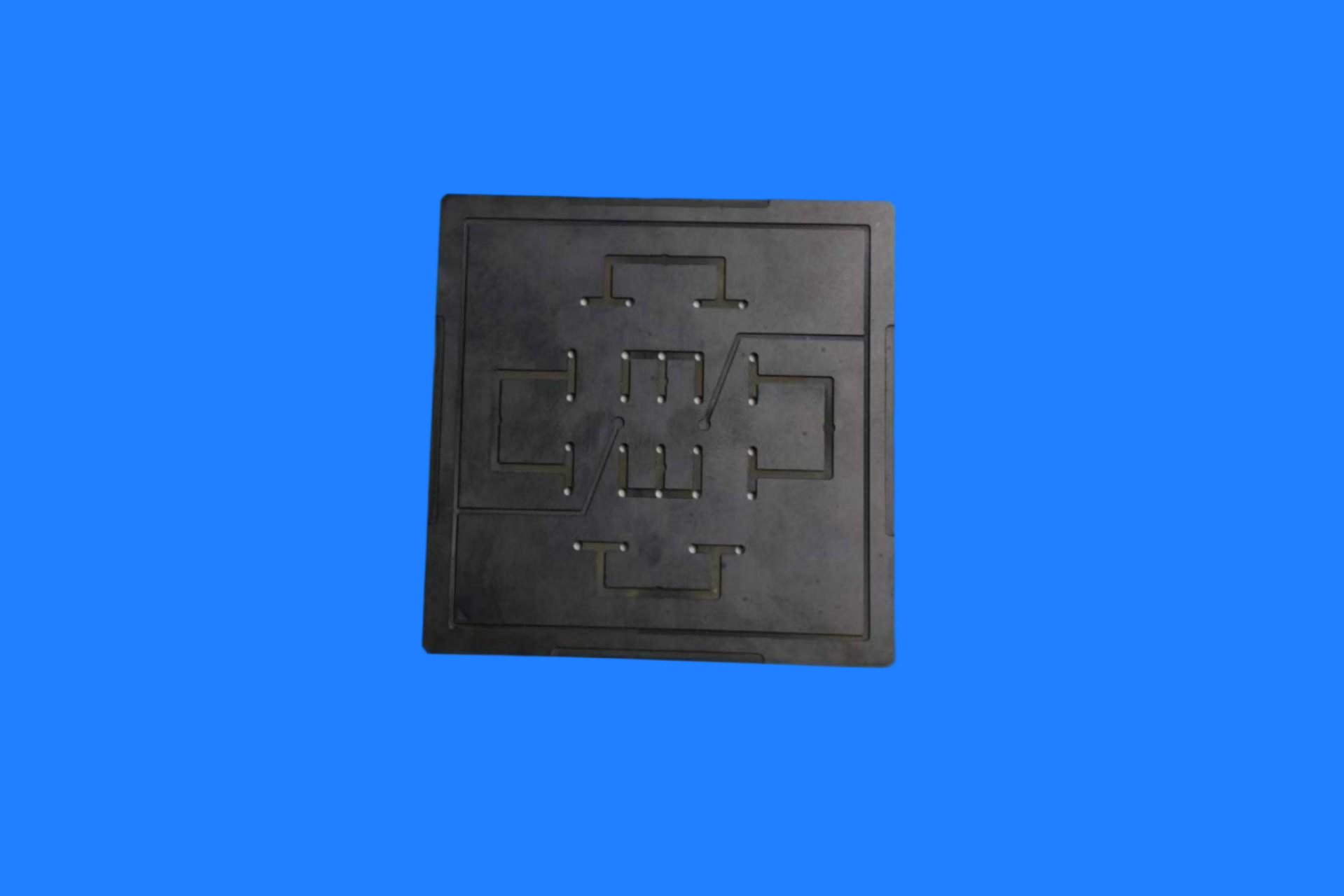
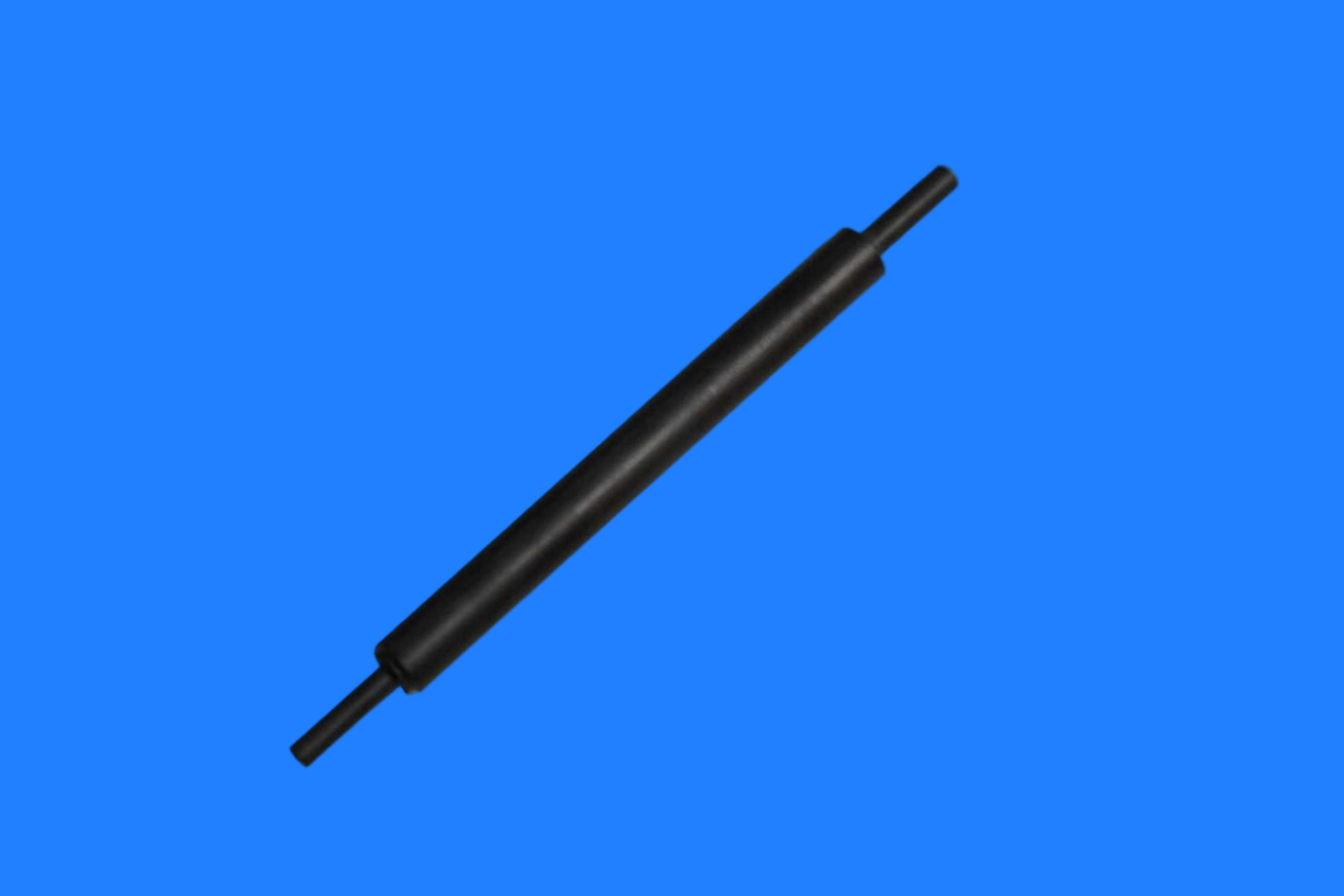
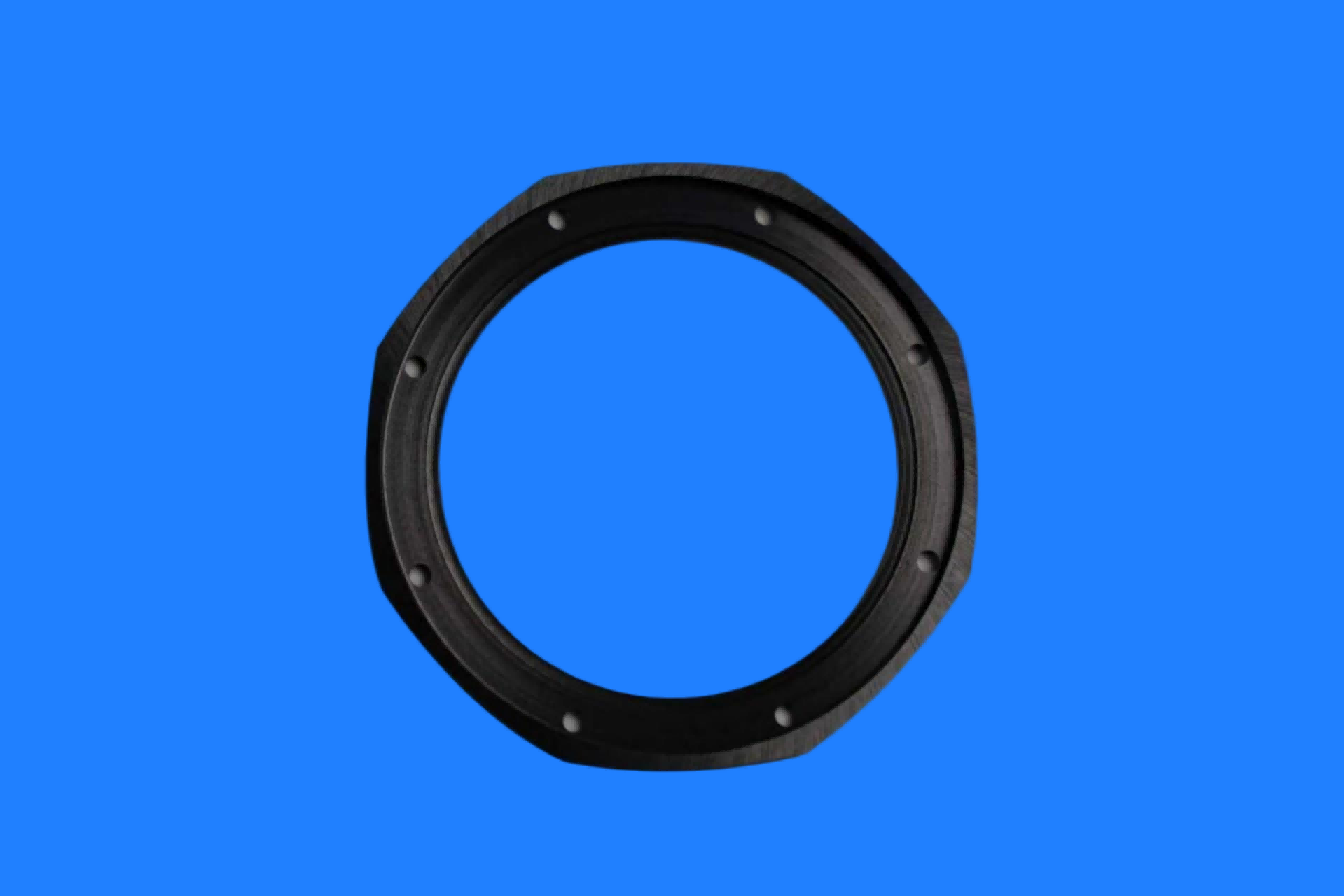
Ceramic Shells use high-purity alumina ceramic as the core material. With excellent high-temperature resistance, high insulation, wear resistance, and flame retardant properties, they are suitable for high-temperature, high-pressure, and highly corrosive environments in various industries such as power, new energy, and rail transportation. They replace traditional plastic/rubber sheaths, completely solving their shortcomings such as poor high-temperature resistance, easy aging, and insufficient flame retardancy. The product can be customized with curved fitting surfaces and wire hole structures to achieve precise protection for cables of different diameters. It also boasts advantages such as long lifespan and low maintenance costs, making it a key component for improving the electrical safety and reliability of equipment.
Product Specifications (customizable)
Main Materials and Performance Characteristics
Alumina is the most commonly used material for ceramic cable shells, offering excellent cost-effectiveness.
| Performance Indicators | Parameter Value | Illustrate |
| Purity | 95%-99.7% | high-purity products have superior performance. |
| Operating Temperature | maximum temperature 1950℃ | alumina with a purity of 99.7% can reach this limit. |
| Mohs Hardness | level 9 | second only to diamond, with excellent wear resistance. |
| Volume Resistivity | >10¹⁴ Ω·cm | excellent electrical insulation properties |
| Thermal Conductivity | 25-35 W/m·K | good heat dissipation capacity |
| Flexural Strength | 300-400 MPa | reliable mechanical strength |
Key advantages: Alumina, as a technical refractory ceramic, has a melting point exceeding 2000℃ and exhibits excellent high-temperature stability, wear resistance, corrosion resistance, and dimensional stability. Its extremely low electrical conductivity makes it an ideal electrical insulation material for cable sheaths, while its good thermal conductivity ensures the accuracy and response speed of temperature measuring instruments.
Applications
| Industry | Remark |
| 1.High-temperature industrial temperature measurement system |
(1)High-temperature furnaces:the alumina sheath can operate continuously at temperatures above 1800℃. |
| 2. Aerospace and Defense |
(1)Cable protection in high-temperature areas of aircraft engines (2)Thermal protection for rocket nozzles and reentry vehicles (3)High-temperature electrical system isolation for military equipment |
| 3.Electronics, Electrical and Semiconductor |
(1)Ceramic packaging packages provide hermetic sealing protection for the chip. |
| 4.Chemical and petroleum industries |
(1)Cable protection for high-temperature reactors and pipelines (2)Electrical circuit protection in corrosive media environments (3)Harsh working conditions such as offshore platforms and oil refineries |
Key manufacturing processes
1.Raw Material Preparation: high-purity ceramic powder, with strict control over particle size and impurities.
2.Molding Process:
(1)Extrusion: Suitable for tubular products
(2)Cold Isostatic Pressing (CIP): For large sheaths
(3)Manual End Sealing: For small single-piece products
(4)High-Temperature Sintering: Densification through sintering at 1600-1800℃
3.Precision Machining: Diamond grinding to the required dimensional accuracy
4.Quality Inspection: Air tightness, insulation, and mechanical strength testing.
Selection and Usage Recommendations
1.Selection Points
Clarify Operating Conditions:
Continuous Operating Temperature vs. Peak Temperature
Media Corrosion
Mechanical Load (Vibration, Shock, Bending)
Electrical Performance Requirements (Voltage Rating, Insulation Resistance)
2.Material Selection Guide:
Extreme High Temperature (>1500℃) + Electrical Insulation → High-Purity Alumina
High Temperature + Strong Corrosion + Thermal Shock Resistance → Silicon Nitride
Ultra-High Thermal Conductivity Requirements → Silicon Carbide
Fire Resistance + Flexibility → Ceramicized Silicon Rubber/Polyolefin
Chip Packaging + High-Frequency Heat Dissipation → Aluminum Nitride
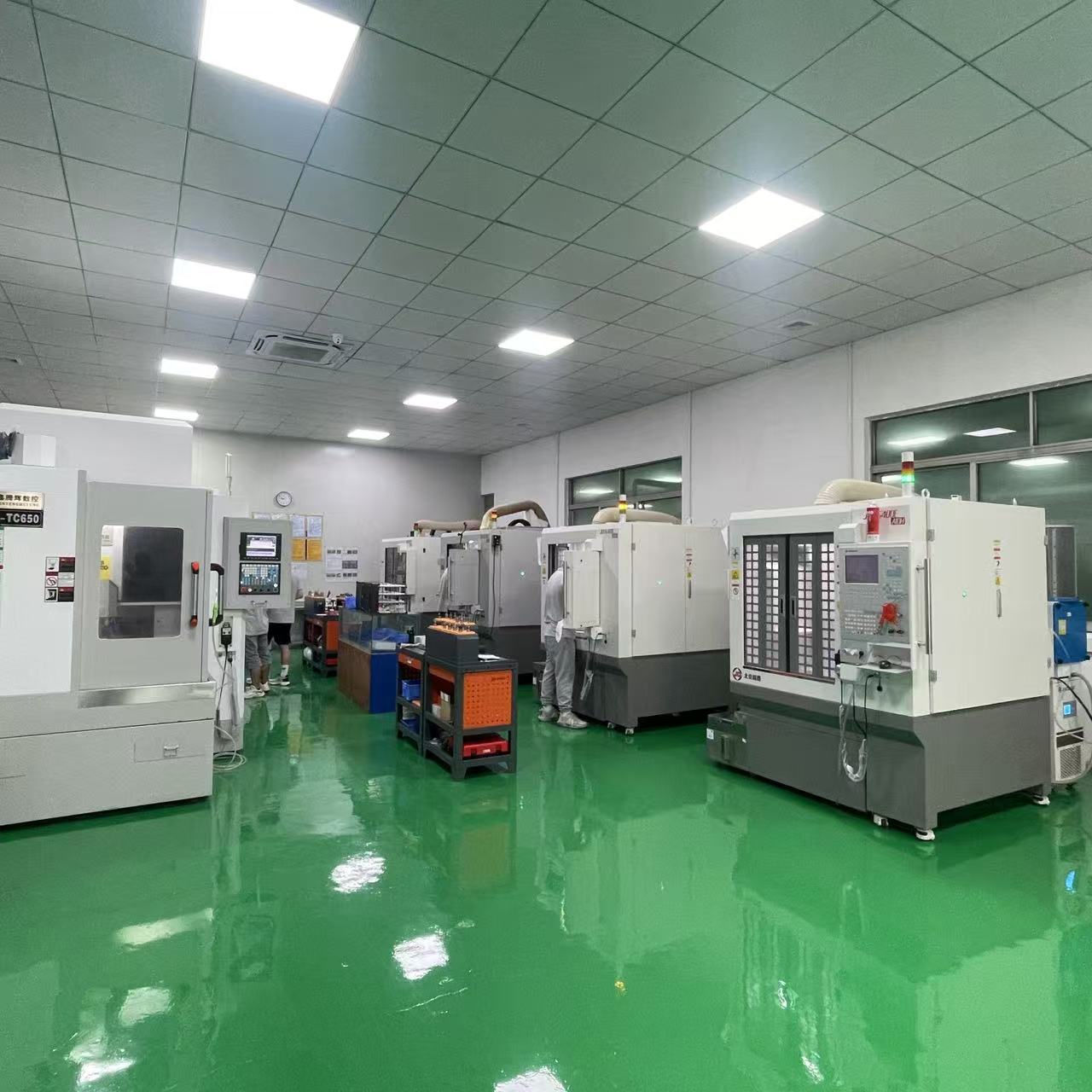
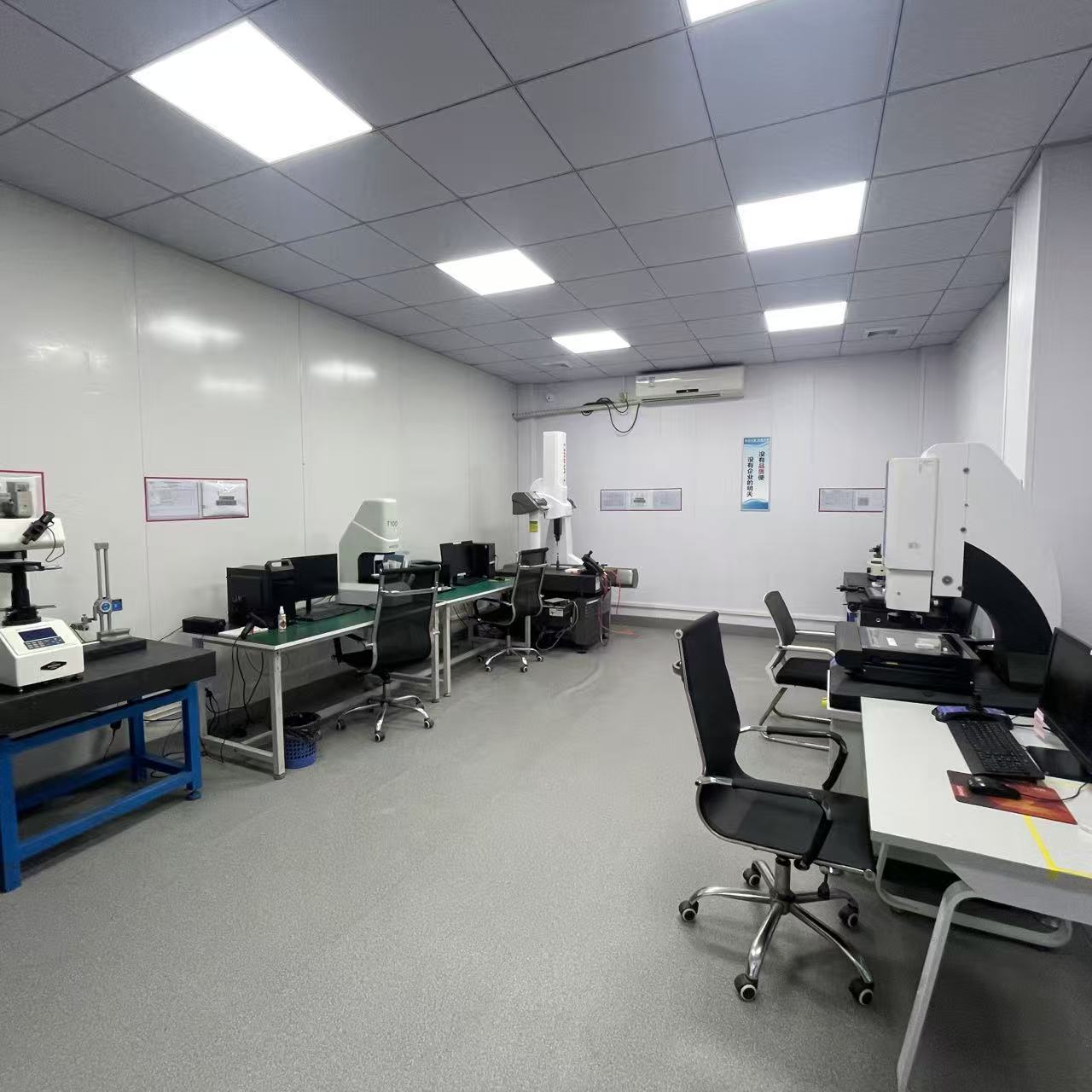
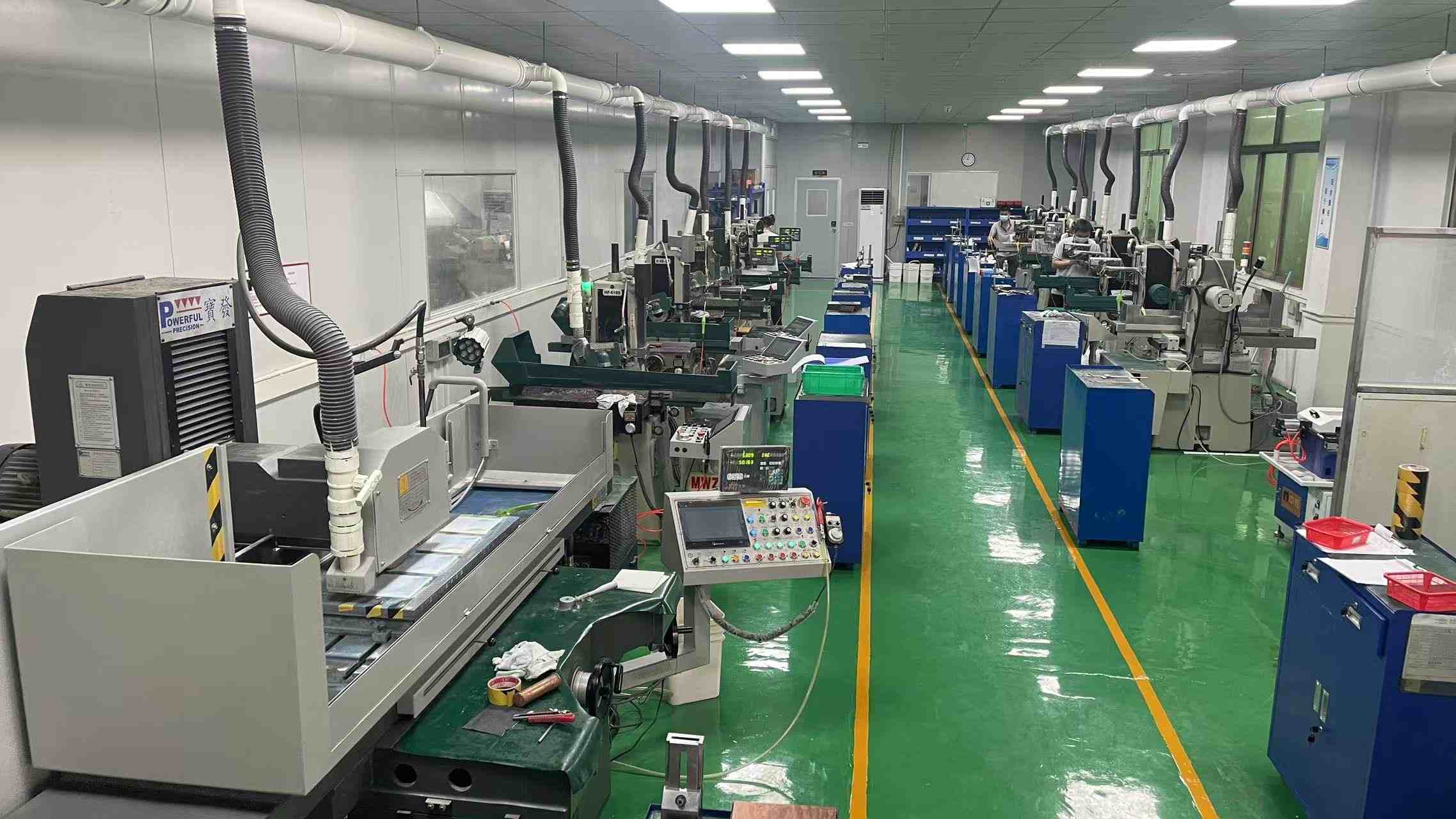
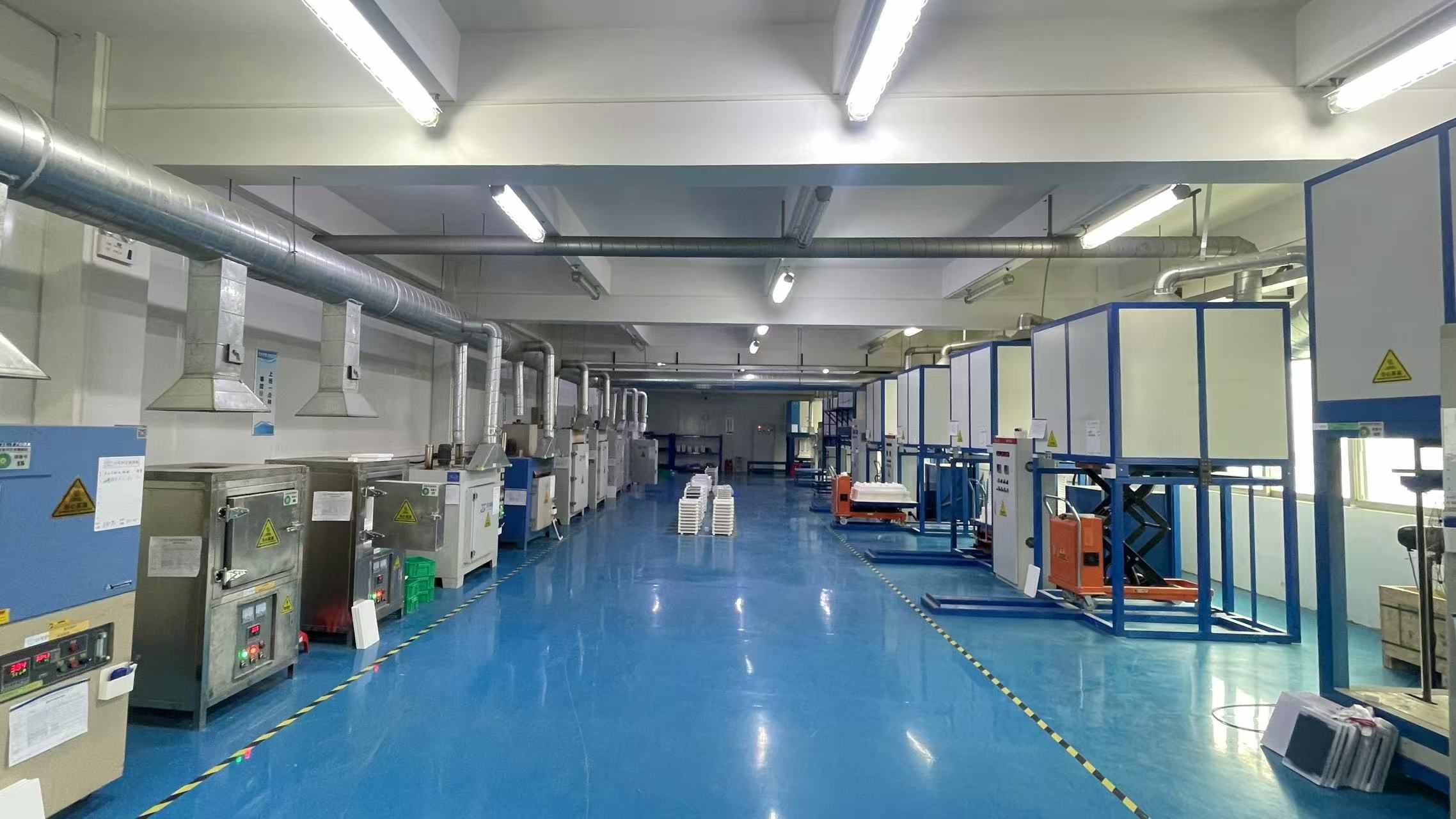
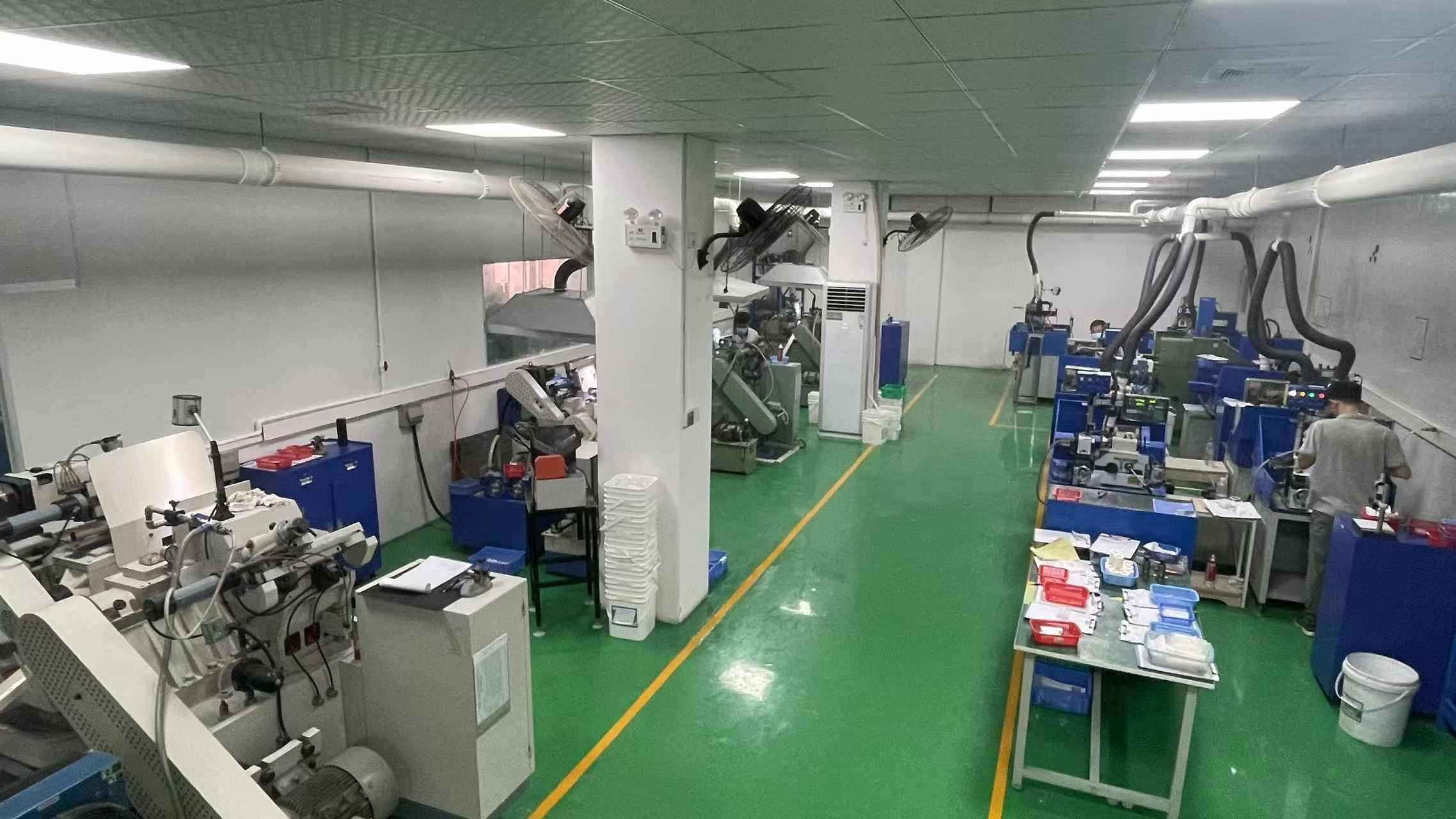
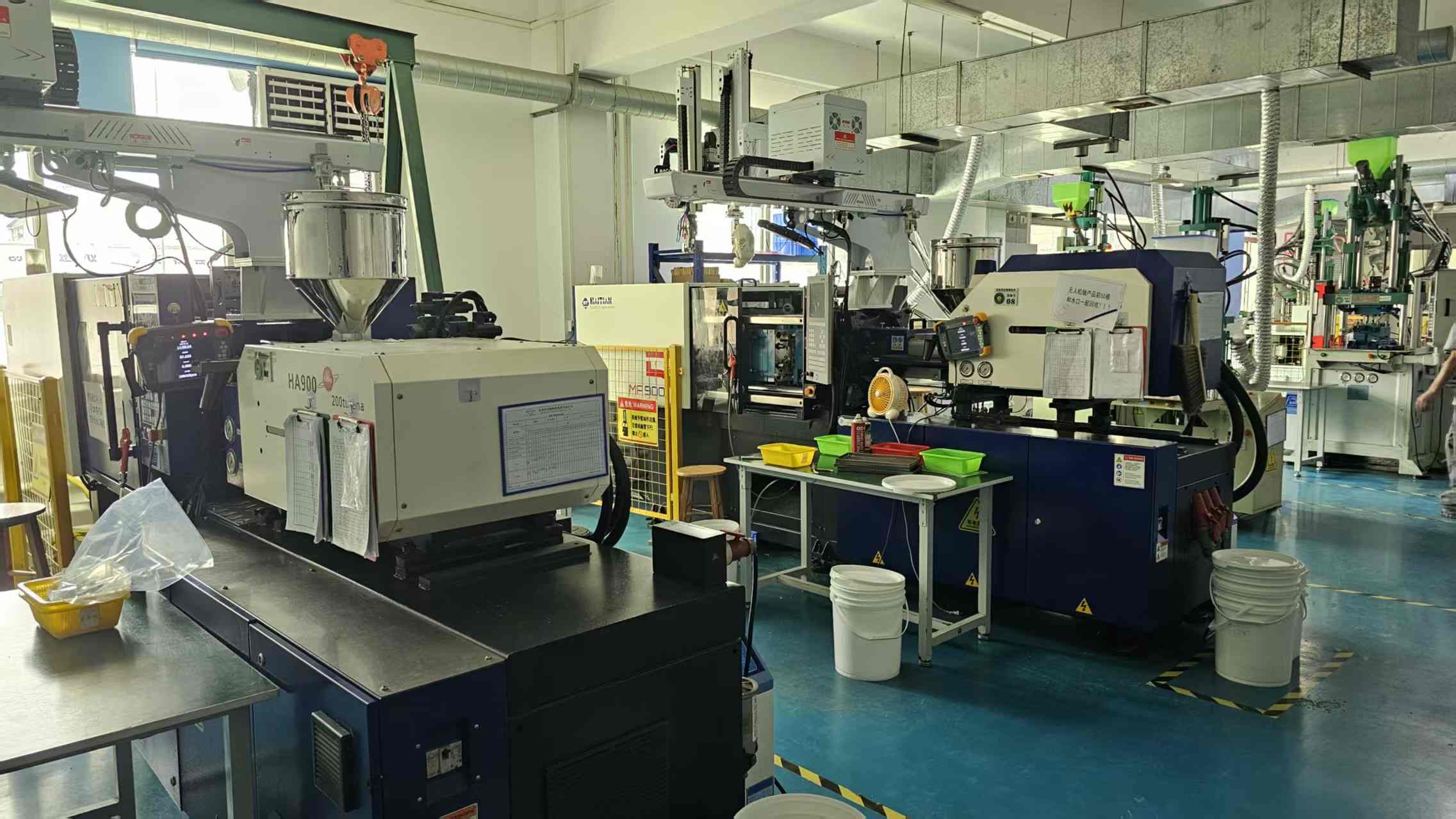
Our workshop
|
CNC Workshop |
Testing Room |
|
Surface grinding Workshop |
Sintering Workshop |
|
Circular Grinding Workshop |
Injection molding Machine Workshop |
Why choose us?
1.Customized R&D, rather than standard product adaptation
2.Deep control of materials science:Material Selection Based on Needs,Microstructure Optimization,Batch Consistency
3.Precision machining capability:Flatness can reach 0.001mm, parallelism 0.002mm, and roughness Ra 0.1μm.
FAQ
Q1: What products does your company offer?
We specialize in high-performance ceramics such as alumina and silicon nitride, providing insulators, structural components, wear-resistant parts, and customized solutions.
Q2: Can you customize non-standard parts?
Yes. We support processing based on provided drawings and collaborative technical development, offering a full-process service from design to mass production.
Q3: What about accuracy and delivery time?
Standard tolerance ±0.05mm, precision grade ±0.01mm; samples 7-15 days, bulk orders 20-30 days.
Q4: Main application areas?
Power, electronics, machinery, chemical, and aerospace industries.
Q5: Quality assurance measures?
Full-process quality inspection, providing material reports and performance test data, supporting third-party certification and testing.
Q6: Do you provide technical support?
We provide professional support such as material selection consultation, design optimization, and failure analysis.



 IPv6 network supported
Leave A Message
Scan to Wechat :

Scan to WhatsApp :