Leave A Message
If you are interested in our products and want to know more details,please leave a message here,we will reply you as soon as we can.


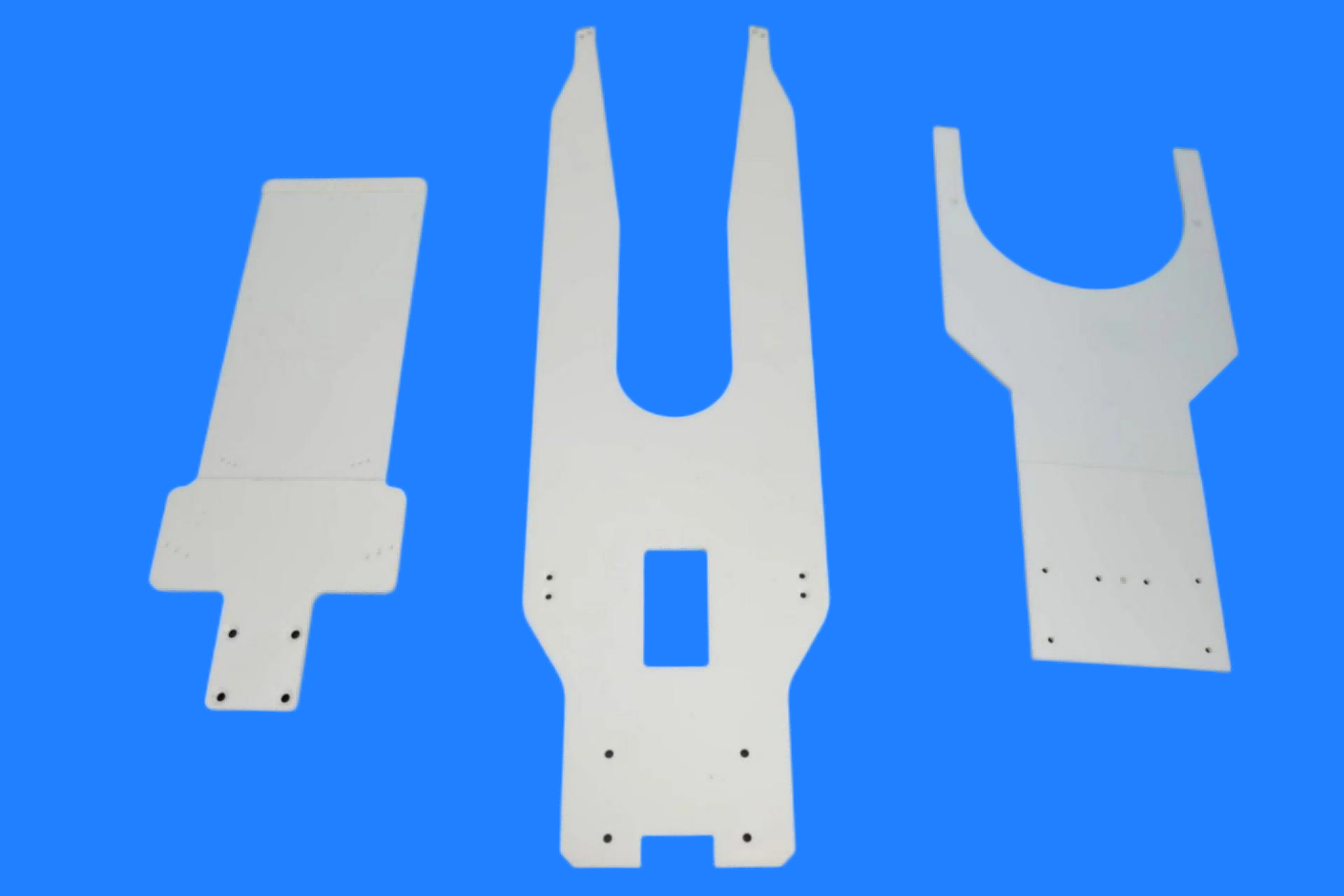
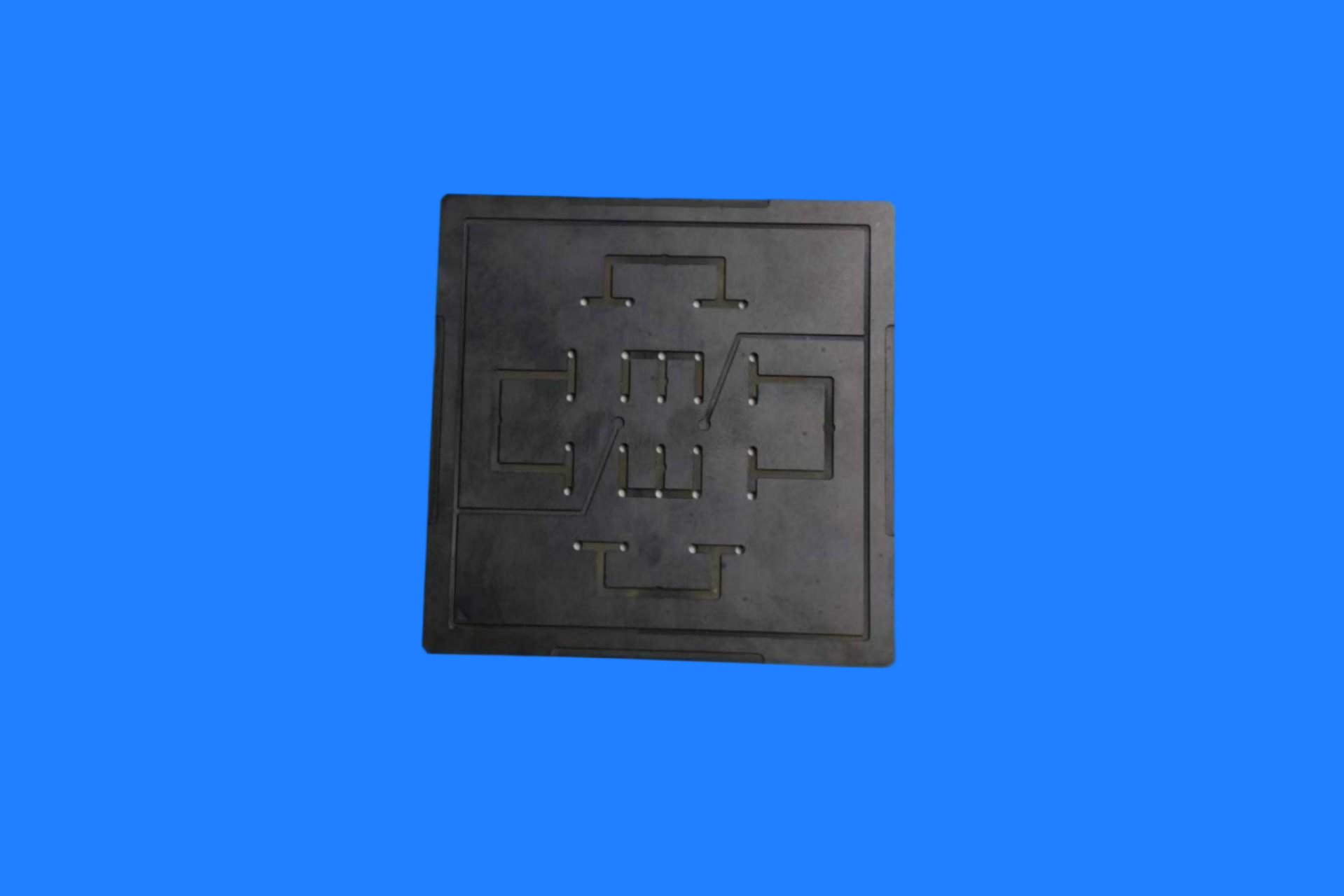
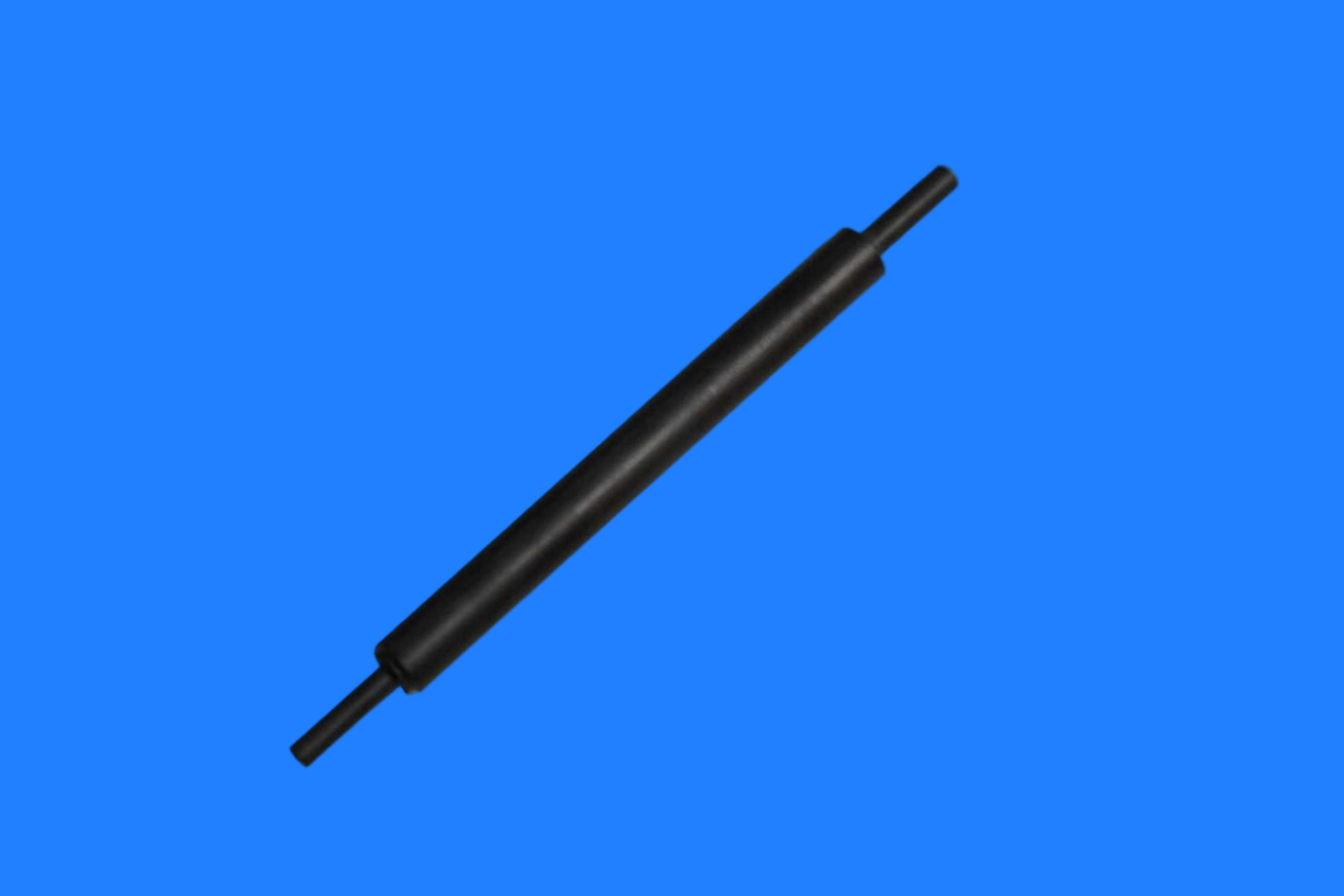
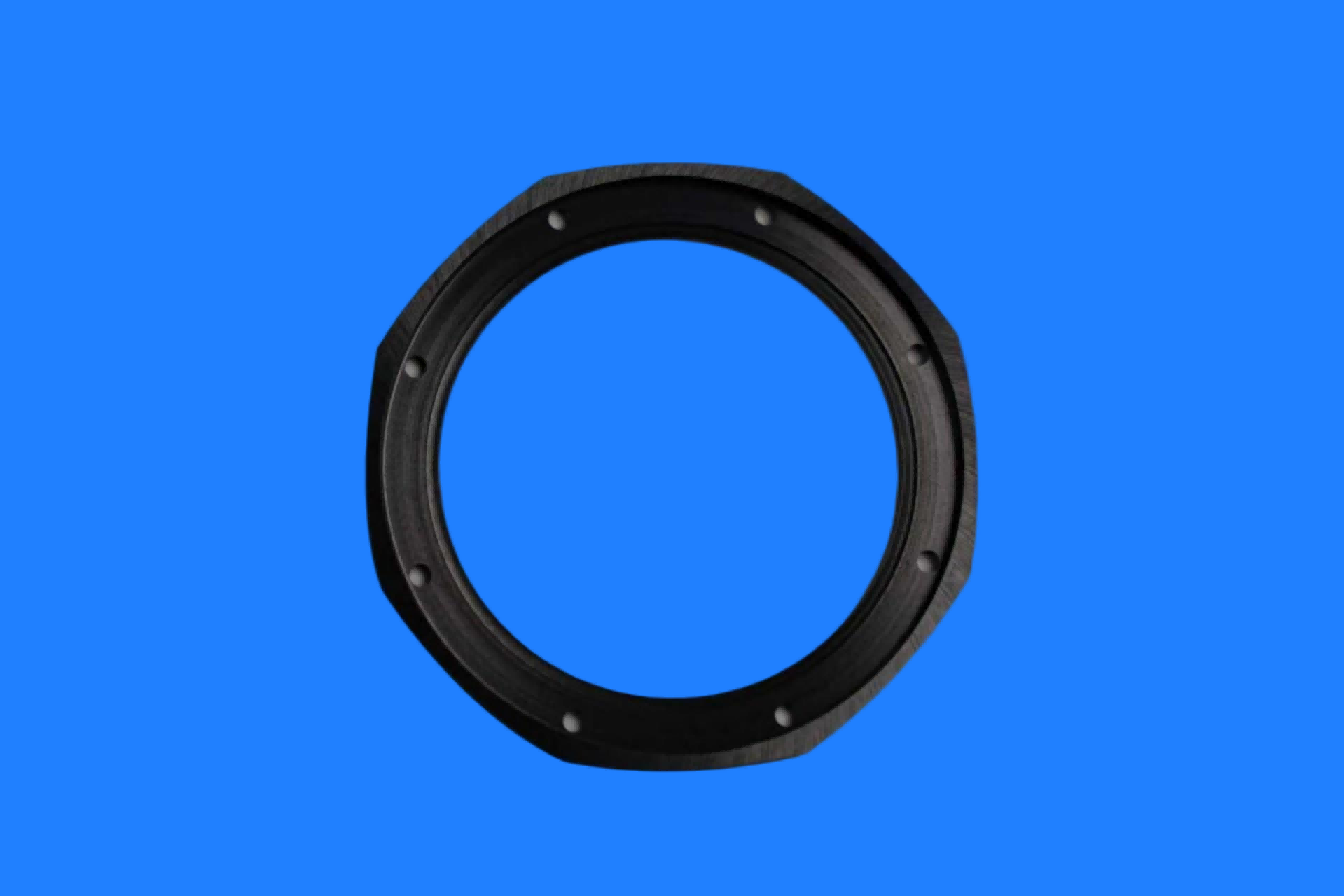
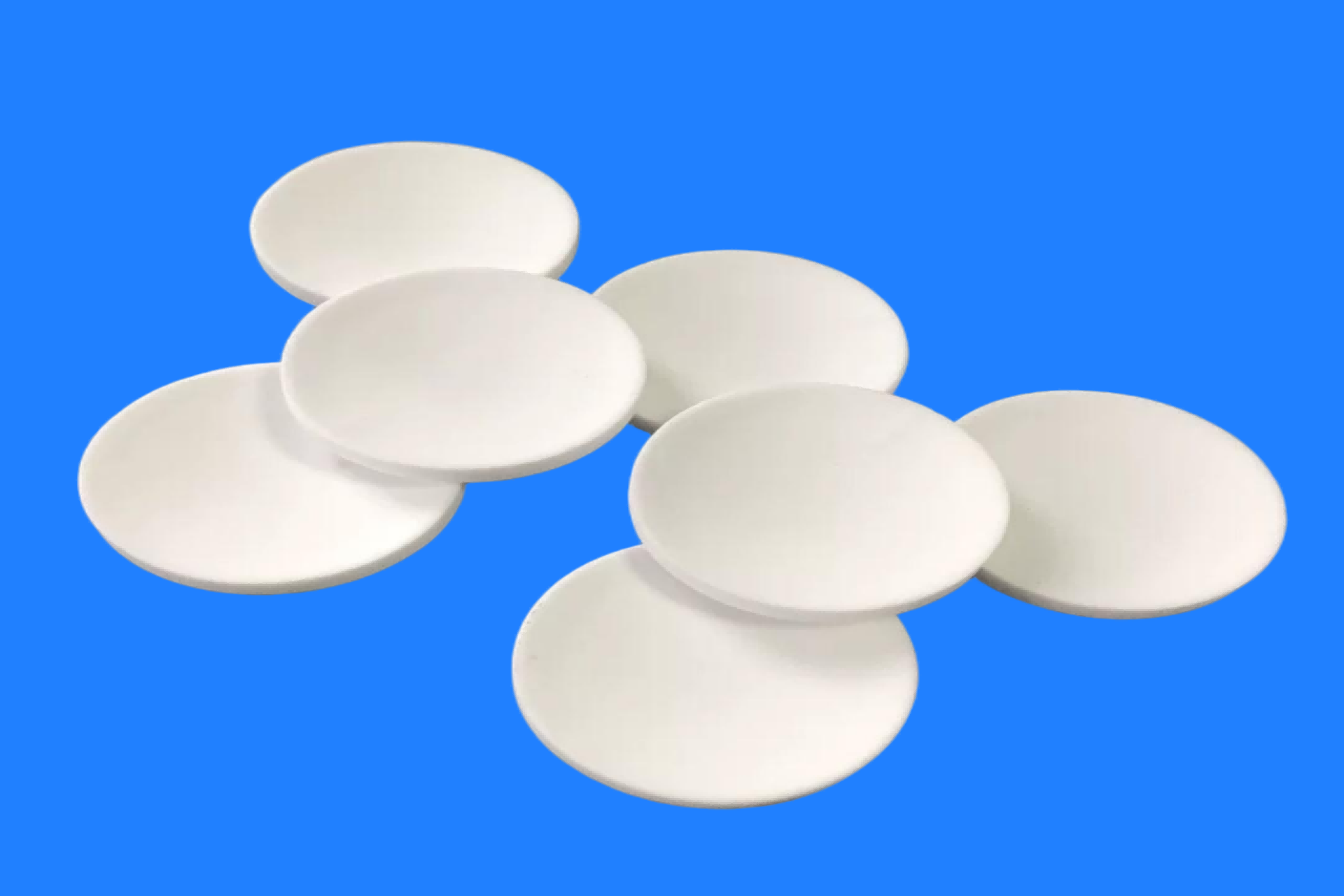
Customized High Purity Annular Ceramic Gasket Ceramic Ring Factory
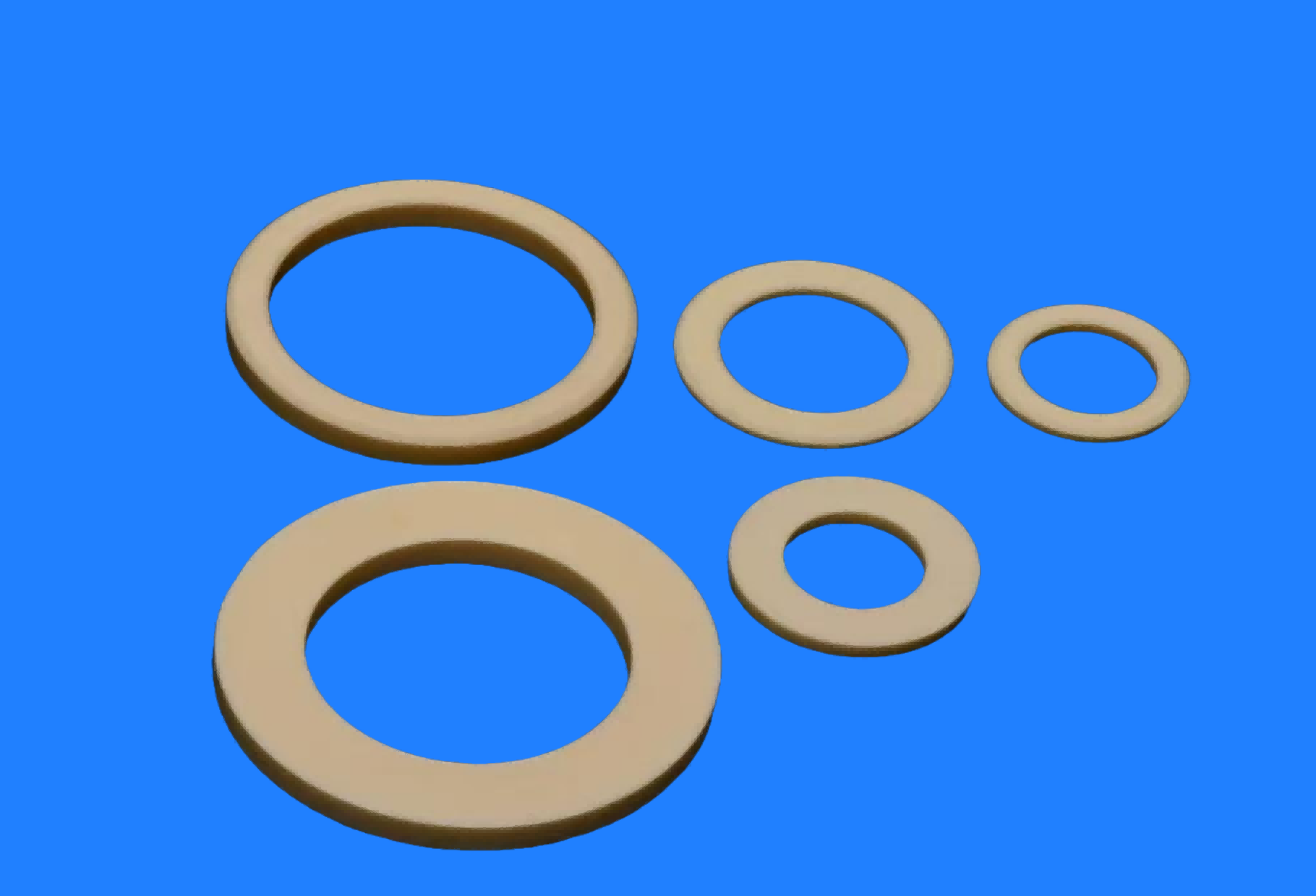

Alumina Ceramic Gasket is manufactured from high-purity Al₂O₃ powder using dry pressing, isostatic pressing, or tape casting, followed by high-temperature sintering. They offer a combination of excellent electrical insulation, wear resistance, high-temperature stability, corrosion resistance, and dimensional stability. These products can undergo surface grinding, polishing, laser cutting, CNC precision machining, and metallization or coating processes, making them suitable for applications requiring high standards of insulation, flatness, durability, and cleanliness.
Customized High Purity Annular Ceramic Gasket Ceramic Ring Factory
Product Description
Our Alumina Gasket are manufactured from high-purity 96% or 99% alumina ceramic. These products offer excellent high-voltage insulation, as well as superior resistance to high temperatures, wear, and chemical corrosion. They are widely used for electrical isolation and positioning in applications such as energy storage converters, wind power converters, data center power supply systems, and high-temperature instrumentation. We offer custom sizing, precision grinding, and specialized contour machining based on your drawings. We also supply small-batch R&D samples and MRO spare parts to address insulation and wear challenges in power electronics equipment.
Product Key Advantages
1. High Insulation Reliability: features with high volume resistivity and excellent dielectric strength, making it suitable for high-voltage insulation and power electronics applications.
2. High-Temperature Thermal Stability: capable of long-term operation in high-temperature environments; offers superior thermal shock resistance compared to most plastics and metals.
3. High Hardness and Wear Resistance: boasts a Mohs hardness of approximately 9, making it ideal for friction components, positioning pads, and anti-wear spacers.
4.Dimensional Stability and Precision Machinability: enables high flatness, low surface roughness, tight tolerances, and complex, non-standard geometries.
5.Corrosion Resistance and Cleanliness: resistant to most acids, alkalis, and organic media; low contamination risk, making it suitable for semiconductor, medical, and vacuum environments.
Typical Performance Range
| Item | 92% Al₂O₃ | 95% Al₂O₃ | 99.5% Al₂O₃ | Test Reference |
| Density g/cm³ | 3.60–3.70 | 3.65–3.75 | 3.85–3.95 | GB/T 25995 / ISO |
| Mohs Hardness | 9 | 9 | 9 | - |
| Flexural Strength (MPa) | 280–380 | 320–450 | 350–550 | ASTM C1161 / Three-point bending |
| Modulus of Elasticity (GPa) | 300–340 | 320–360 | 360–400 | ultrasonic method |
| Coefficient of Thermal Expansion ×10⁻⁶/K | 7.0–8.0 | 7.2–8.2 | 6.8–7.8 | RT–1000℃ |
| Thermal Conductivity W/(m·K) | 18–24 | 20–26 | 25–35 | laser flash method |
| Long-term Service Temperature (°C) | ≤1200 (depending on the atmosphere) | ≤1300 (depending on the atmosphere) | ≤1,500 (depending on the atmosphere) | engineering recommended value |
| Volume Resistivity Ω·cm | >10¹³ | >10¹⁴ | >10¹⁴ | 25℃ |
| Dielectric Strength kV/mm | ≥12 | ≥15 | ≥17 | ASTM D149 |
| Dielectric Constant at 1 MHz | 9.0–9.8 | 9.2–10.0 | 9.5–10.2 | ASTM D150 |
Note: The above figures represent typical ranges; actual values depend on purity, density, porosity, thickness, and testing conditions. Careful assessment is required regarding resistance to hydrofluoric acid, hot concentrated strong alkalis, and fluoride molten salts.
Specifications and Tolerance Capabilities
Forming and Processing
Dry pressing is suitable for small-to-medium-sized batch components; isostatic pressing is ideal for high-density, highly uniform parts; tape casting is used for thin sheets; and injection molding is suitable for small, complex components. Post-sintering processes include cutting, grinding, lapping, polishing, and drilling/slotting; laser marking, metallized brazing bases, or Au/Ni plating can be applied when necessary.
Typical Applications
Selection Recommendations
Select components based on a comprehensive assessment of operating voltage/insulation class, temperature and thermal cycling, medium corrosivity, mechanical loads and impact, dimensional tolerances, surface roughness, and requirements for metallization or plating. For high-voltage insulation, prioritize high-purity (99.5%) material with sufficient thickness; for high heat flux density applications, evaluate both thermal conduction paths and contact thermal resistance; and for conditions involving frequent disassembly or impact, incorporate chamfers to reduce stress concentrations and avoid interference fits.
Quality and Delivery
Incoming material batches are fully traceable, with testing provided for density, hardness, dimensions, appearance, and essential electrical or thermal properties. RoHS/REACH compliance, material composition reports, and dimensional CPK data can be supplied upon request. Packaging utilizes shatter-resistant dividers and moisture-proof/anti-static materials; services include small-batch prototyping, rapid prototyping, and annual framework supply agreements.
Customization Process:
Requirements Discussion → Material and Structural Design → Drawing Confirmation → Prototyping and Validation → Small-Batch Trial Production → Mass Delivery and Continuous Improvement
RFQ
1.What are the minimum thickness and maximum dimensions for your ceramic gasket? What tolerances can you achieve?
Thin parts starting from 0.2 mm; shapes determined by equipment capabilities; tolerances: ±0.02–±0.10 mm for shape, ±0.01–±0.05 mm for thickness.
2.Can you handle irregular shapes, cutouts, steps, and chamfers?
Yes,we can.CNC machining, laser cutting, and grinding are all suitable options; it is recommended to replace sharp corners with rounded ones to prevent edge chipping.
3.Can the surface be polished? What is the roughness?
Grinding achieves Ra 0.2–0.8 μm; polishing can reach Ra ≤0.05 μm.
4.How much do the samples cost? What is the lead time for producing samples?
Quotation based on drawings; 7–15 days for simple parts, 20–30 days for complex parts or those requiring molds.
5.What is the MOQ for bulk orders? What are the price tiers?
The minimum order quantity (MOQ) typically ranges from 500 to 5,000 pieces, depending on the manufacturing process and dimensions; the unit price decreases as the order volume increases.
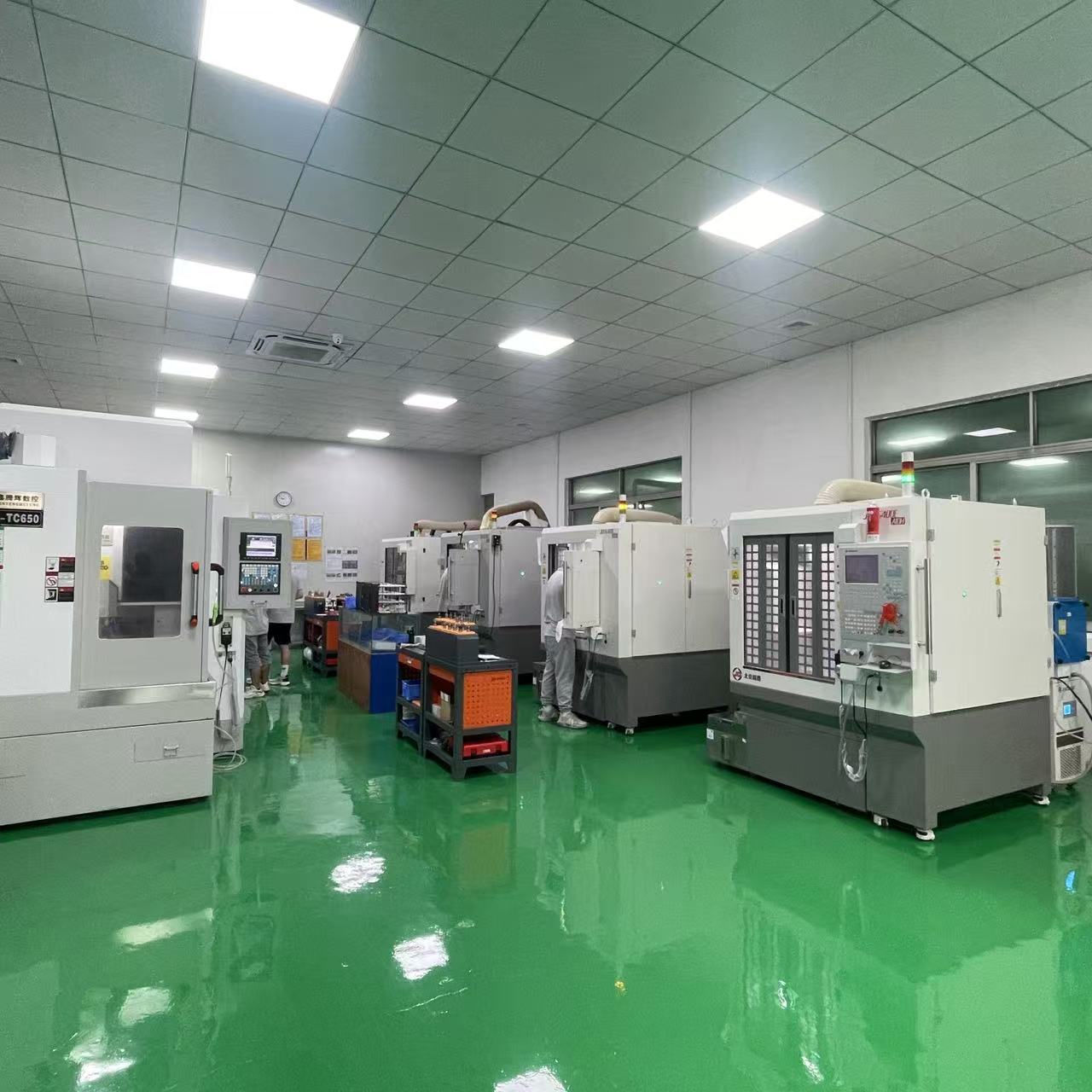
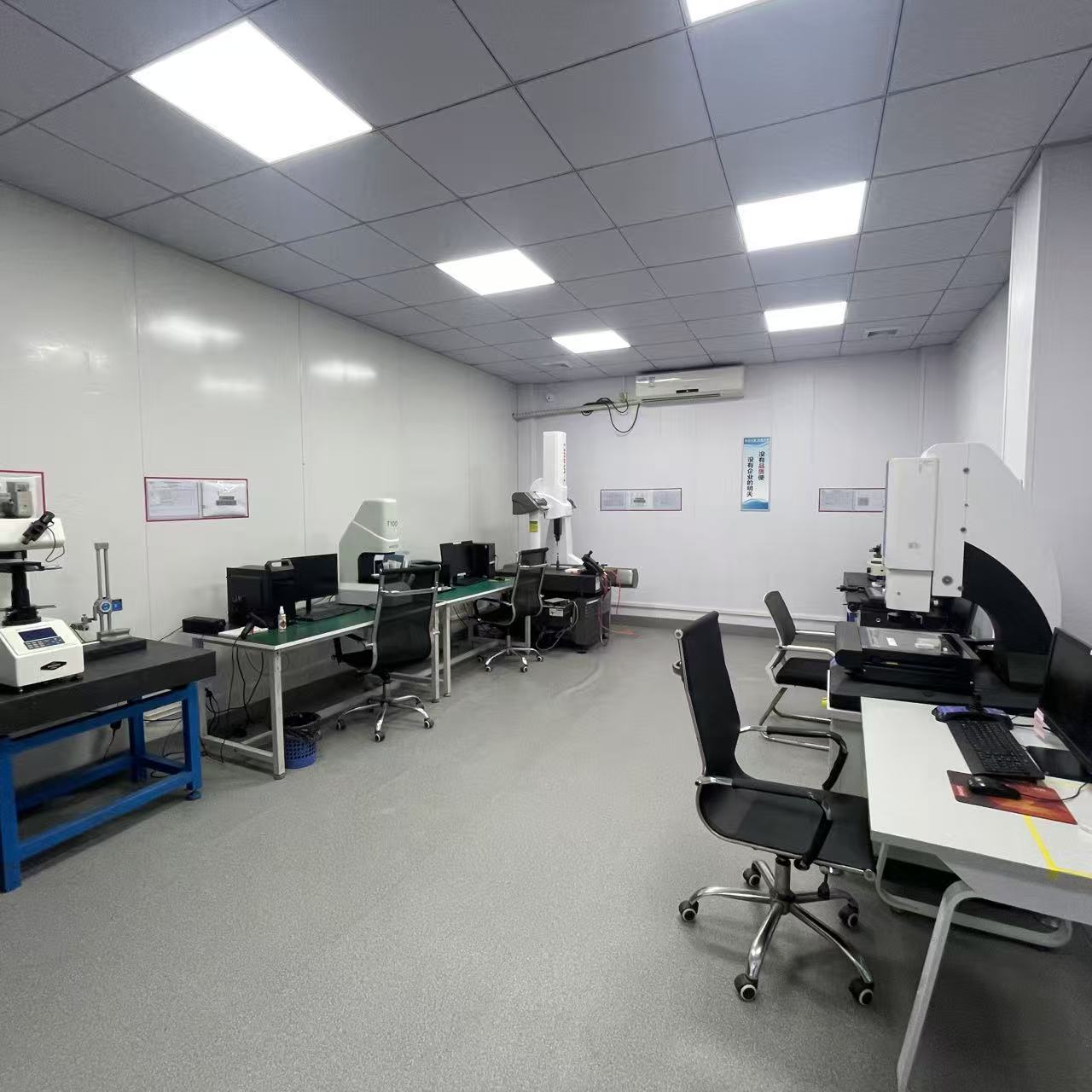
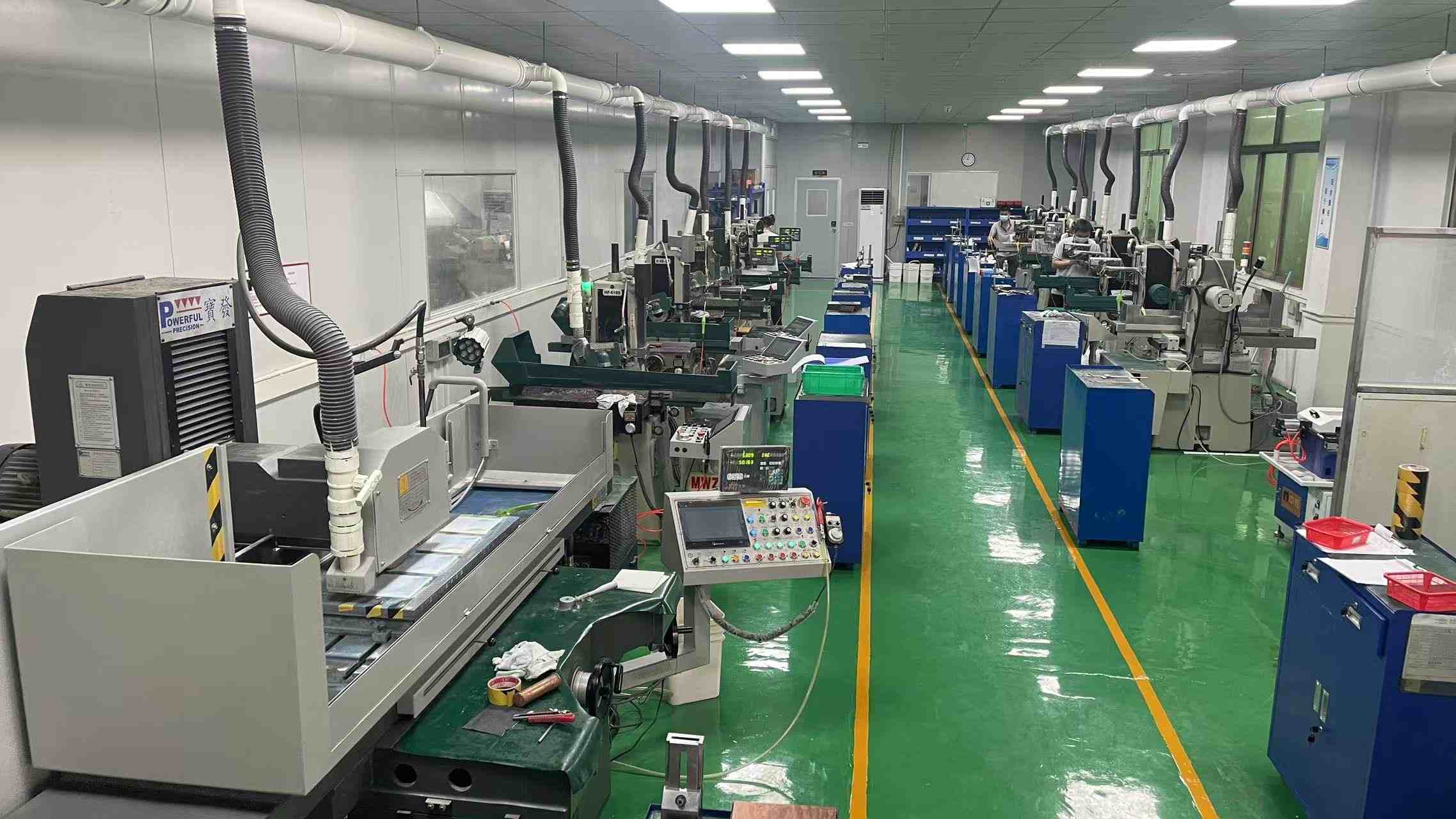
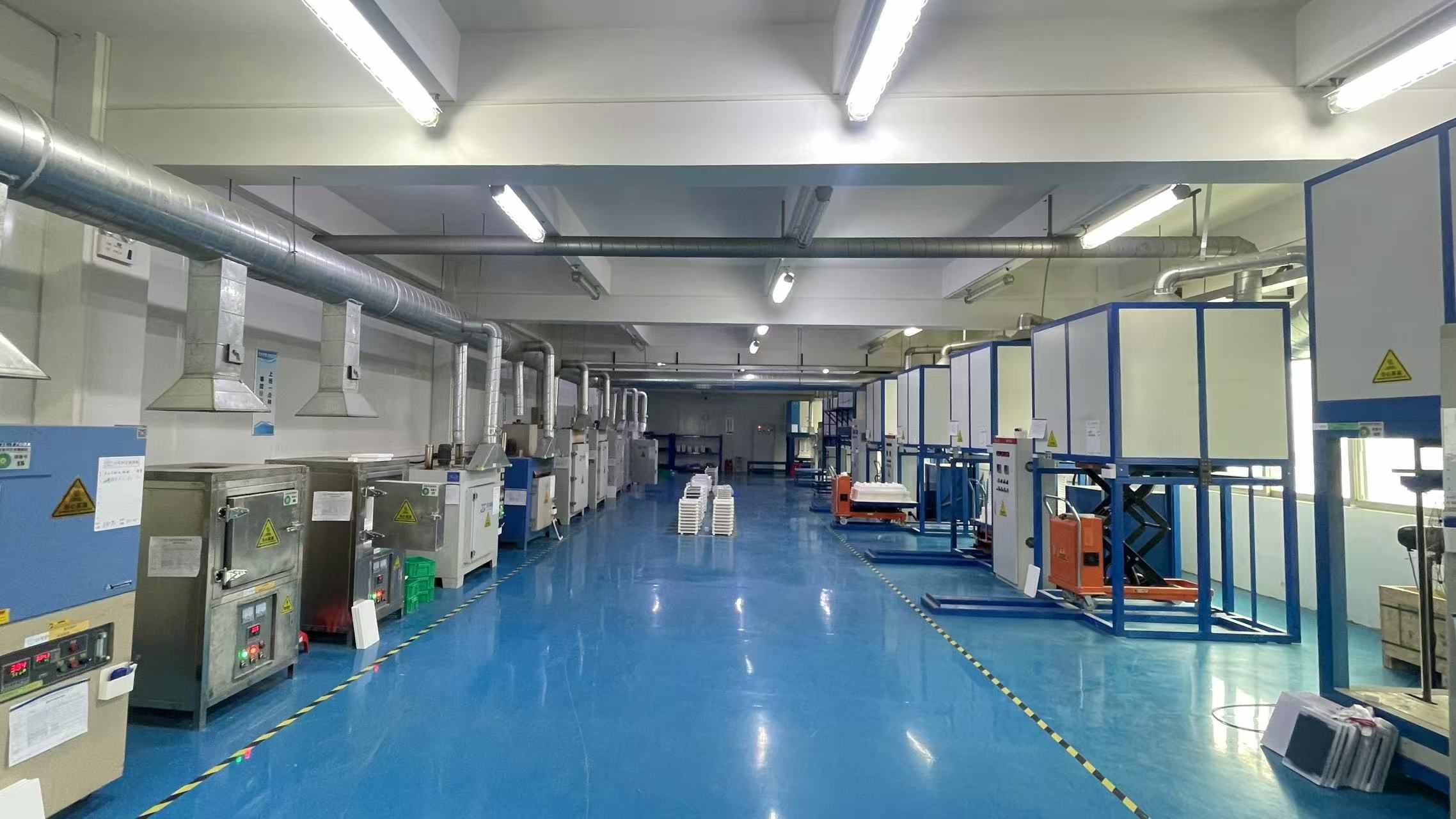
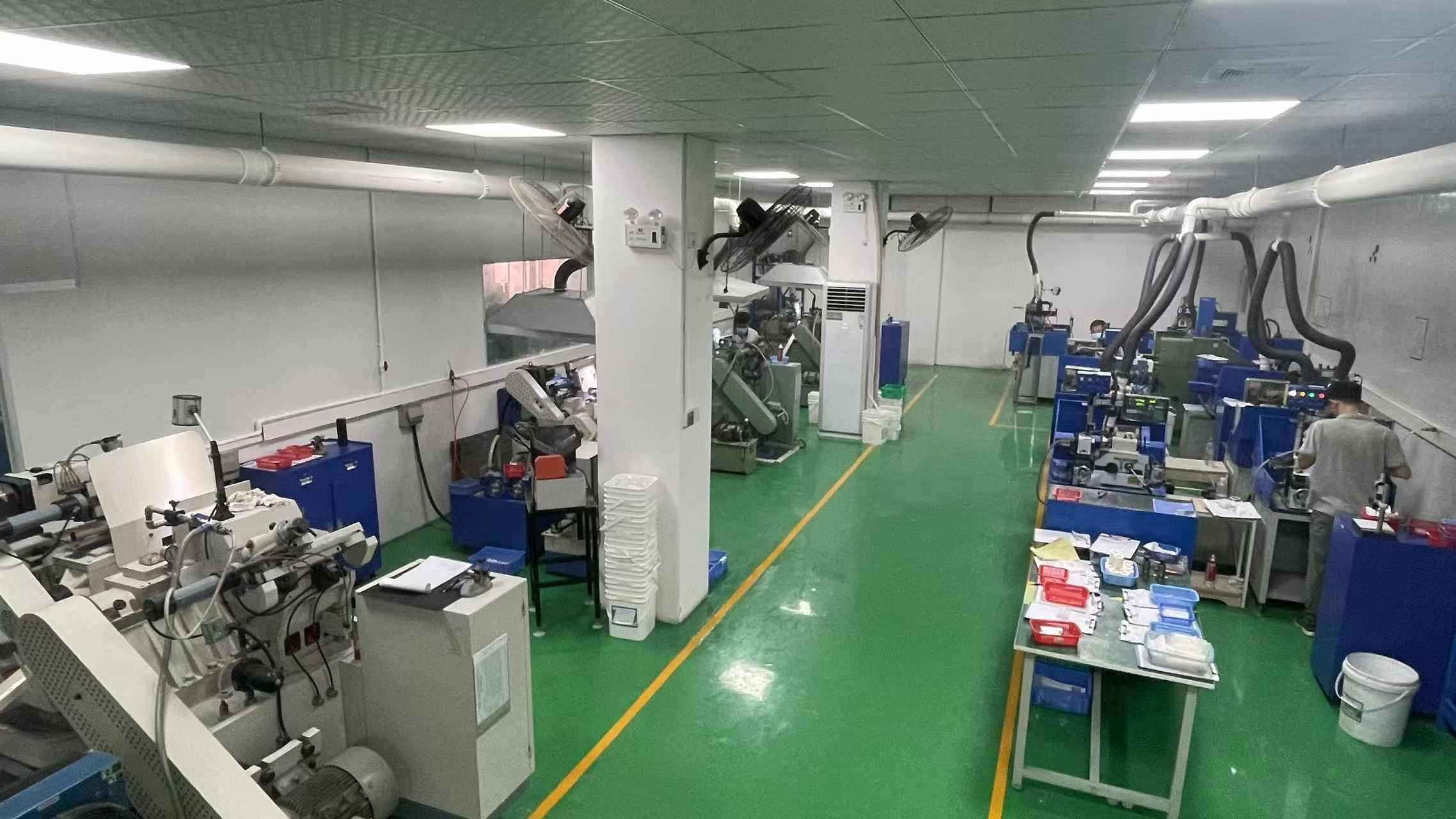
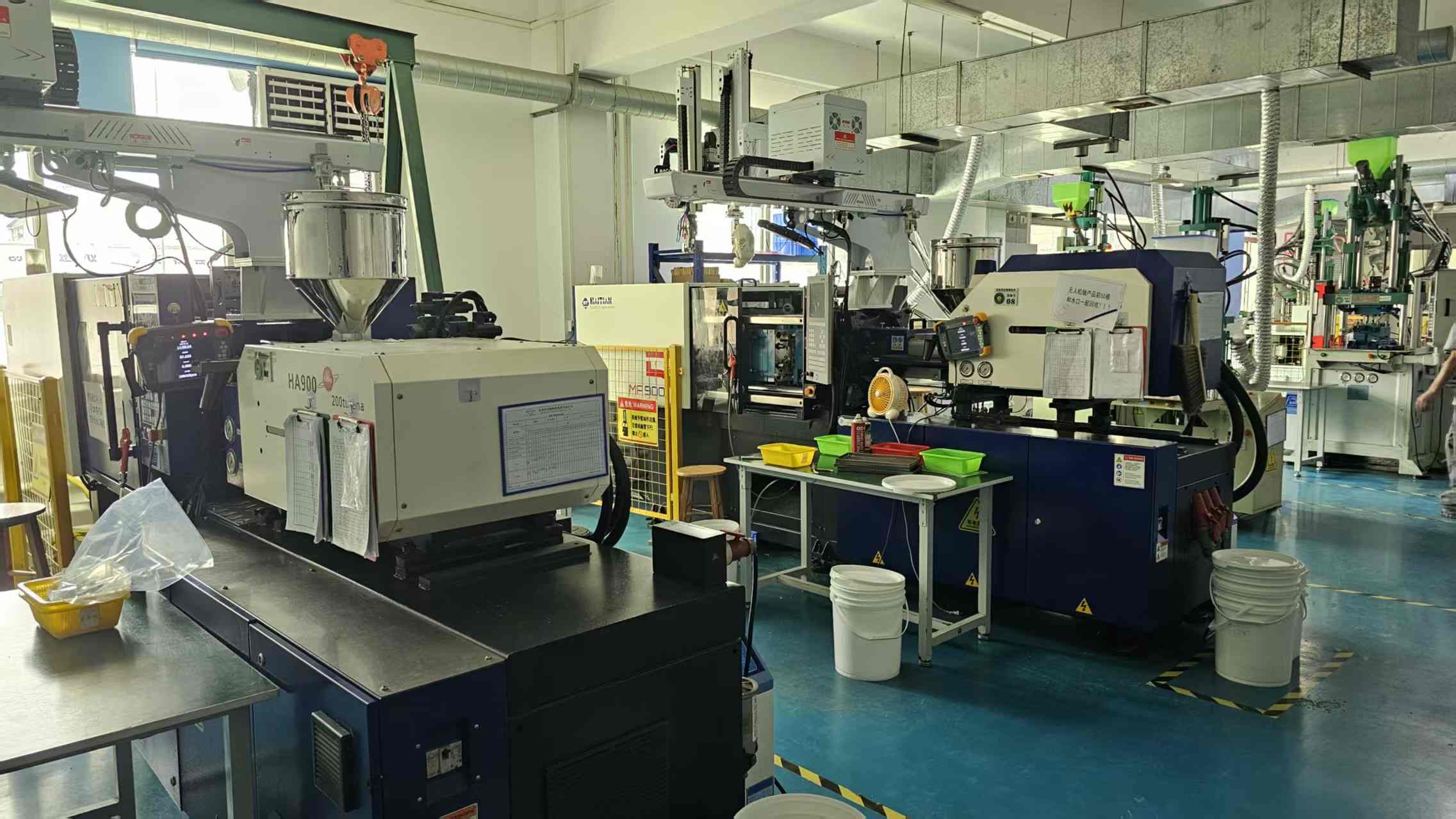
Our workshop
|
CNC Workshop |
Testing Room |
|
Surface grinding Workshop |
Sintering Workshop |
|
Circular Grinding Workshop |
Injection molding Machine Workshop |



 IPv6 network supported
Leave A Message
Scan to Wechat :

Scan to WhatsApp :