Leave A Message
If you are interested in our products and want to know more details,please leave a message here,we will reply you as soon as we can.






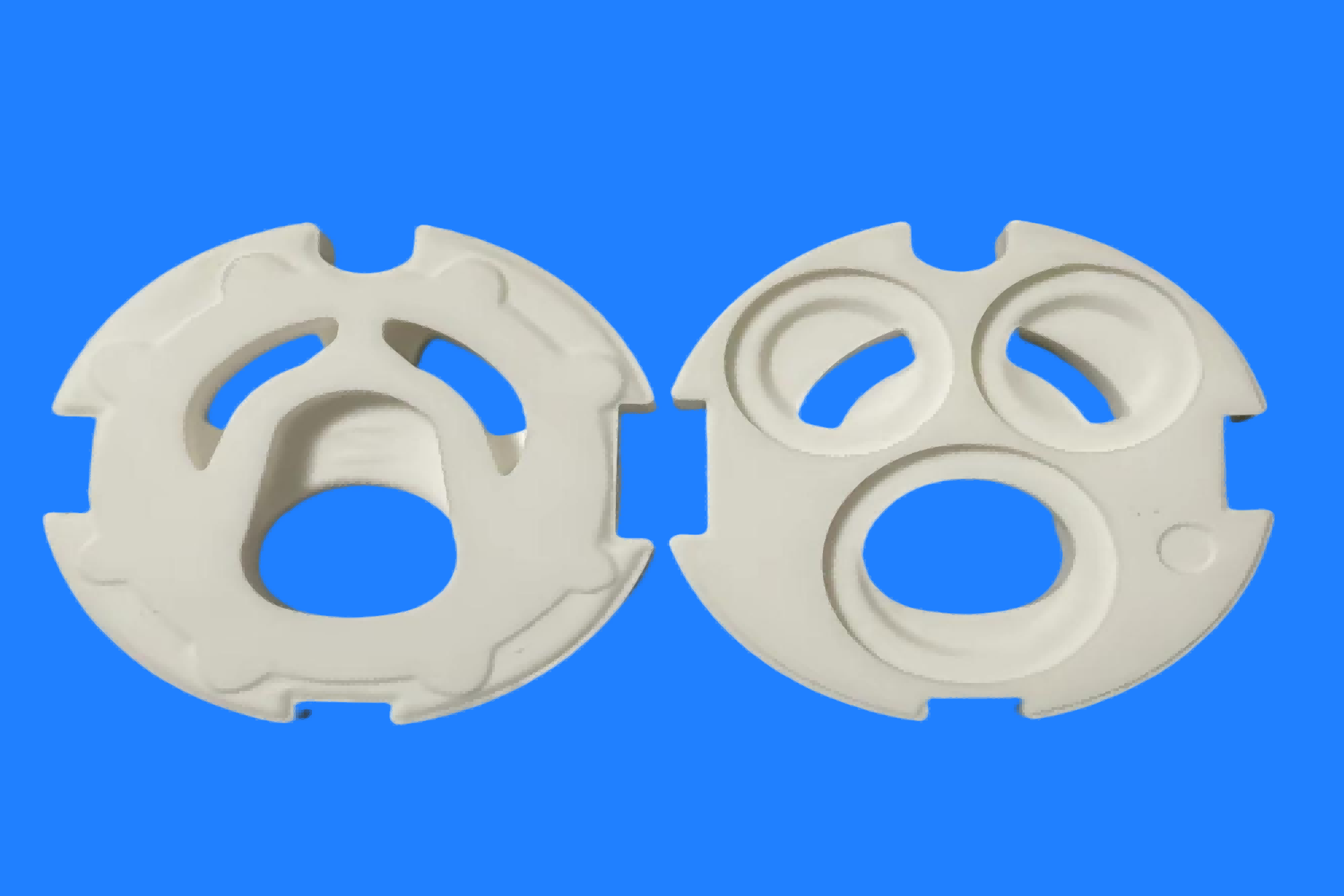
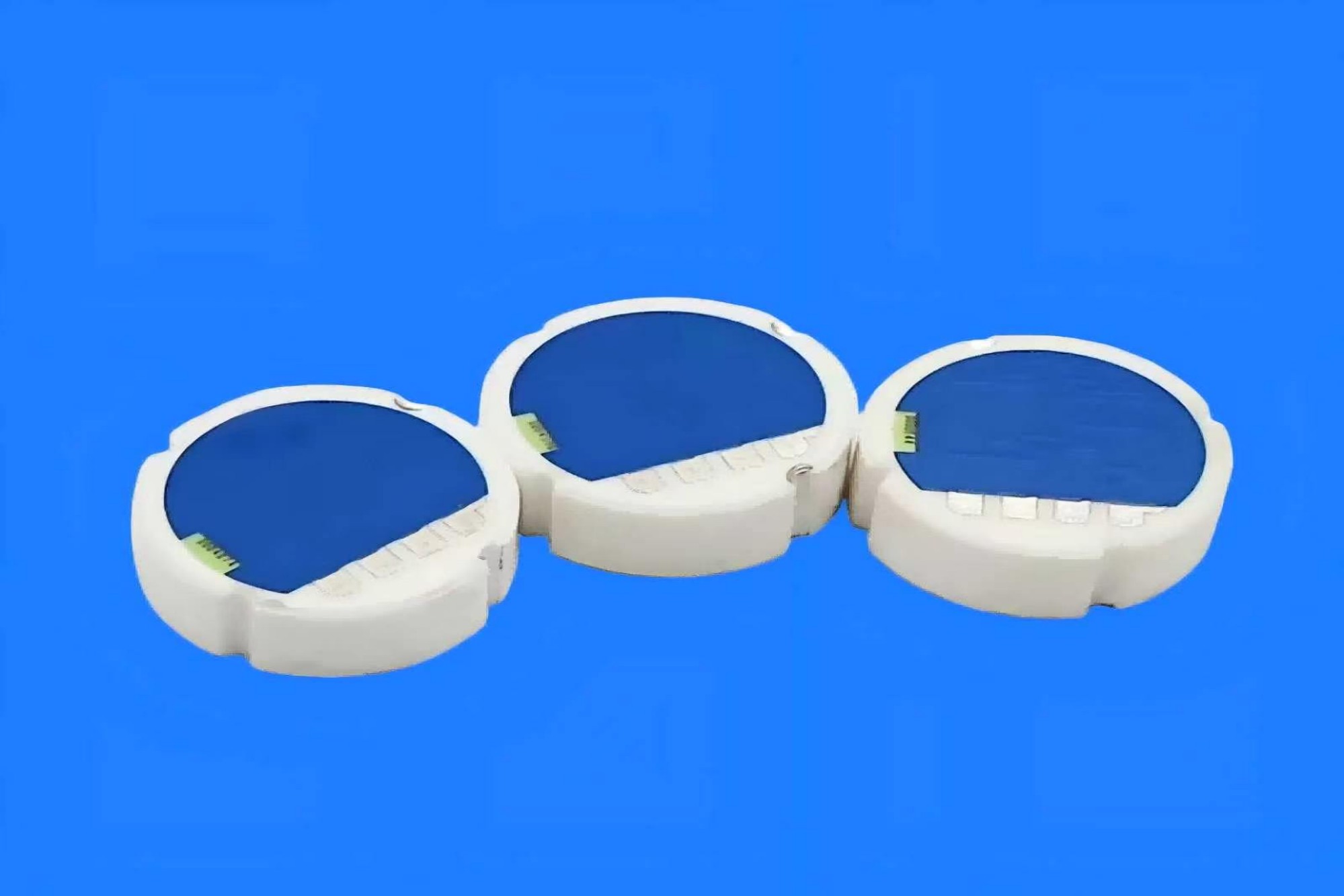
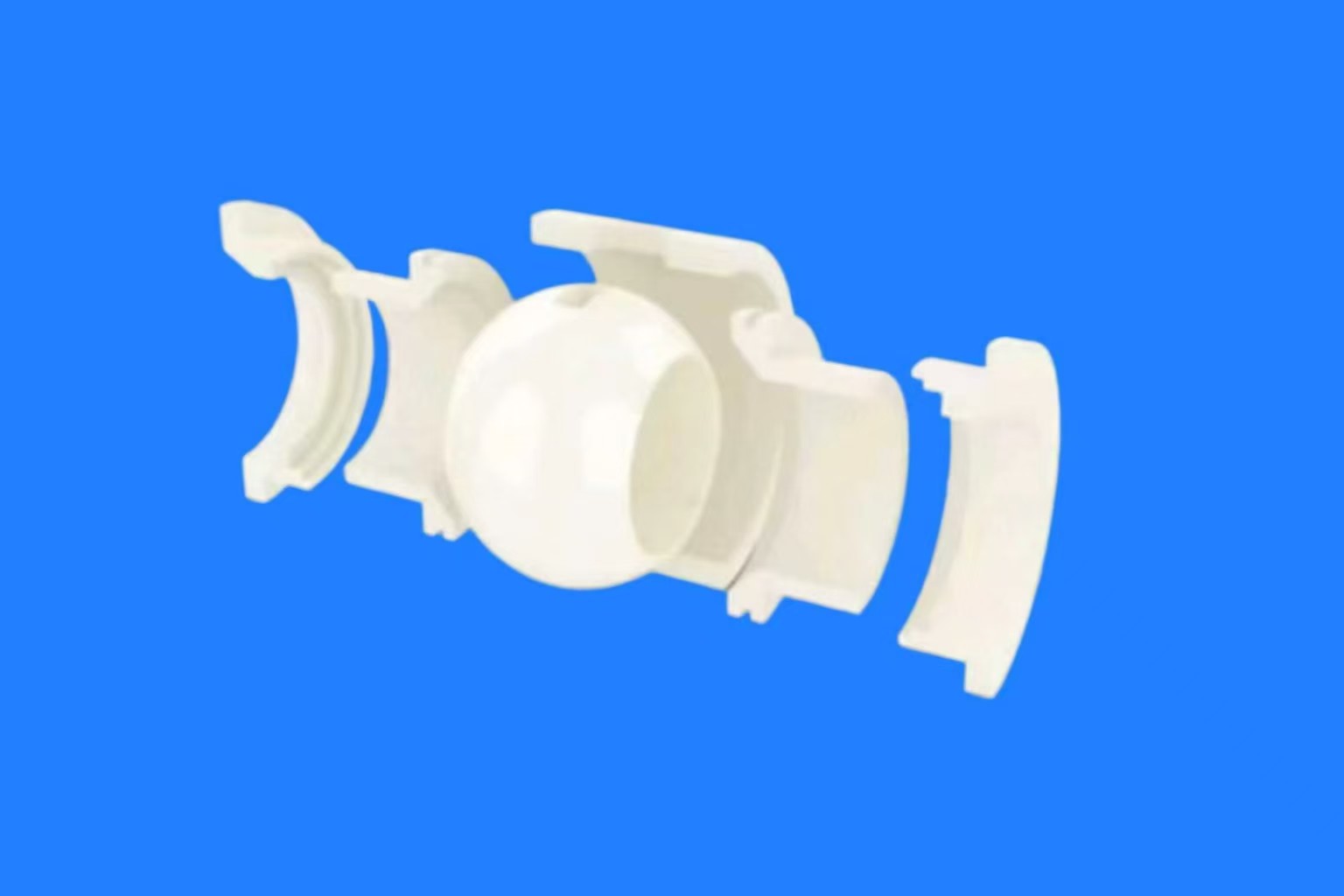
The Zirconia Check Valve is an automatic one-way valve made of high-performance zirconia ceramic material. It integrates the superior wear and corrosion resistance of zirconia (ZrO₂) ceramic with the backflow prevention function of a check valve. Through the precision grinding and mating of the ceramic valve core and seat, this valve achieves a zero-leakage one-way seal and is widely used in industrial fields where the purity, wear resistance, and corrosion resistance of the media are extremely important.
Strong Corrosion Resistance Zirconia Check Valve
ZrO₂ Check Valve for Medical Industry is a "one-way guardians" for precision fluid systems requiring extremely high cleanliness, strong corrosion, and high reliability. Leveraging the inherent extreme corrosion resistance, wear resistance, and stability of ceramic materials, they solve core pain points in high-end medical, semiconductor, and analytical instrument fields, such as media contamination, corrosion failure, and seal leakage, which traditional valve materials cannot address. They are cornerstone components ensuring the long-term stable and safe operation of critical systems.
Core material advantages
| Performance indicators | Zirconia ceramics | Comparative advantages |
| Hardness | HRA 88-90, Mohs hardness >8.5 | Second only to diamond, and 12 times more wear-resistant than stainless steel. |
| Fracture toughness | 7–10 MPa·m^0.5 | Overcoming ceramic brittleness through phase transformation toughening technology |
| Corrosion resistance | Resistant to strong acids, strong alkalis and salt media | Chemical inertness, far superior to that of metal alloys. |
| Temperature resistance | Maximum operating temperature: 1000°C; melting point: 2700°C | Maintaining stable mechanical properties at high temperatures |
| Sealing performance | Surface roughness Ra < 0.2 μm, self-lubricating properties | Achieve Class V/VI zero leakage standard |
| Service life | 2-4 times that of titanium alloy valves | Significantly reduce maintenance and replacement frequency |
Product Structure and Technical Features
(1)Valve Core/Ball: Utilizing isostatic pressing and high-temperature sintering processes, achieving a density of 6.0 g/cm³, high sphericity accuracy, and precise fit with the valve seat.
(2)Valve Seat Sealing Surface: Zirconia-toughened alumina (ZTA) composite ceramic, combining wear resistance and impact resistance.
(3)Guide Components: Low coefficient of friction, achieving oil-free self-lubrication and preventing jamming.
(1)Lightweight Valve Disc: Density only 3.5-4.5 g/cm³, fast response speed, and minimal water hammer effect.
(2)Streamlined Flow Channel: Reduces turbulence and pressure drop, improving flow efficiency.
(3)Dual Sealing System: Ceramic-ceramic hard seal + elastomer soft seal backup, ensuring absolute zero leakage.
(4)Anti-jamming Design: Special geometric structure prevents solid particles from getting stuck between the valve disc and valve body.
3. Fail-Safe Features
(1)Ceramic components employ a flat-faced design; even if the ceramic cracks in extreme cases, the sealing system still prevents immediate leakage to the atmosphere
(2)Valve body design complies with ASME B16.34 standards and features blow-out protection. (proof) valve stem structure
Technical Specifications Recommendations
| Parameter | Specifications range |
| Nominal diameter | DN15 – DN150 (1/2" – 6") |
| Pressure level | PN16 – PN40 (ANSI 150# – 300#) |
| Application temperature | -50°C to +350°C (special designs can reach 1000°C) |
| Connection method | Flanges (ANSI/DIN/JIS), threads, welding |
| Leakage level | ANSI/FCI Class V (standard) / Class VI (optional) |
| Ceramic material | Y-TZP / Ce-TZP / ZTA (customized according to working conditions) |
| Valve body material | 304/316 stainless steel lined with ceramic, or all-ceramic structure |
Economic Benefit Analysis
Although the initial investment for zirconia ceramic check valves is higher than that for ordinary metal valves, the overall economic benefits are significant:
Selection Guide
In applications where zirconia ceramic check valves are required:
Contact us for customized solutions. Our engineers can provide optimal ceramic material selection and structural design based on your specific operating conditions (medium composition, temperature, pressure, particle content) to ensure maximum valve performance and lifespan in your application.

FAQ
Q1: What products does your company offer?
We specialize in high-performance ceramics such as alumina and silicon nitride, providing insulators, structural components, wear-resistant parts, and customized solutions.
Q2: Can you customize non-standard parts?
Yes. We support processing based on provided drawings and collaborative technical development, offering a full-process service from design to mass production.
Q3: What about accuracy and delivery time?
Standard tolerance ±0.05mm, precision grade ±0.01mm; samples 7-15 days, bulk orders 20-30 days.
Q4: Main application areas?
Power, electronics, machinery, chemical, and aerospace industries.
Q5: Quality assurance measures?
Full-process quality inspection, providing material reports and performance test data, supporting third-party certification and testing.
Q6: Do you provide technical support?
We provide professional support such as material selection consultation, design optimization, and failure analysis.
Why choose us?
1.Customized R&D, rather than standard product adaptation
2.Deep control of materials science:Material Selection Based on Needs,Microstructure Optimization,Batch Consistency
3.Precision machining capability:Flatness can reach 0.001mm, parallelism 0.002mm, and roughness Ra 0.1μm.
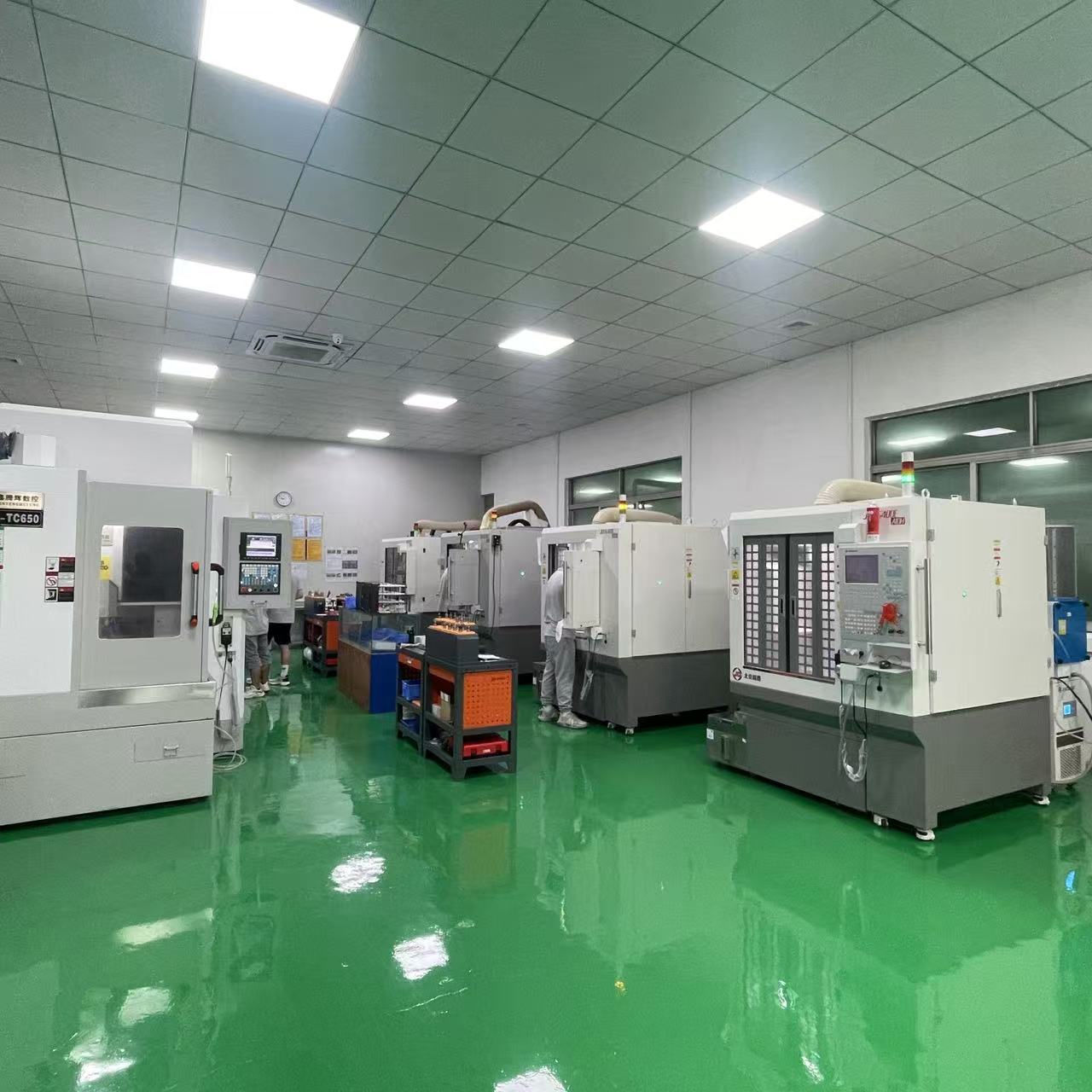
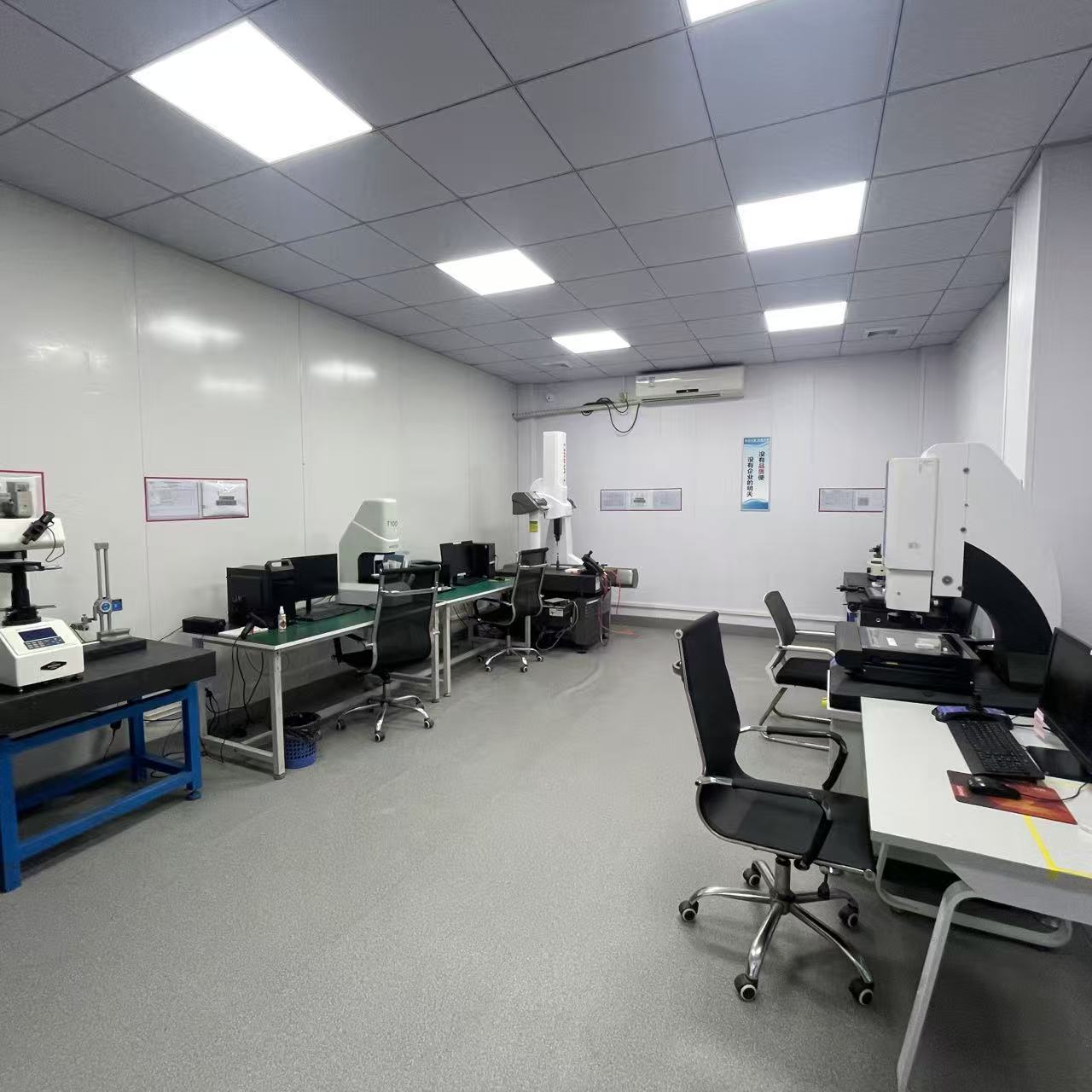
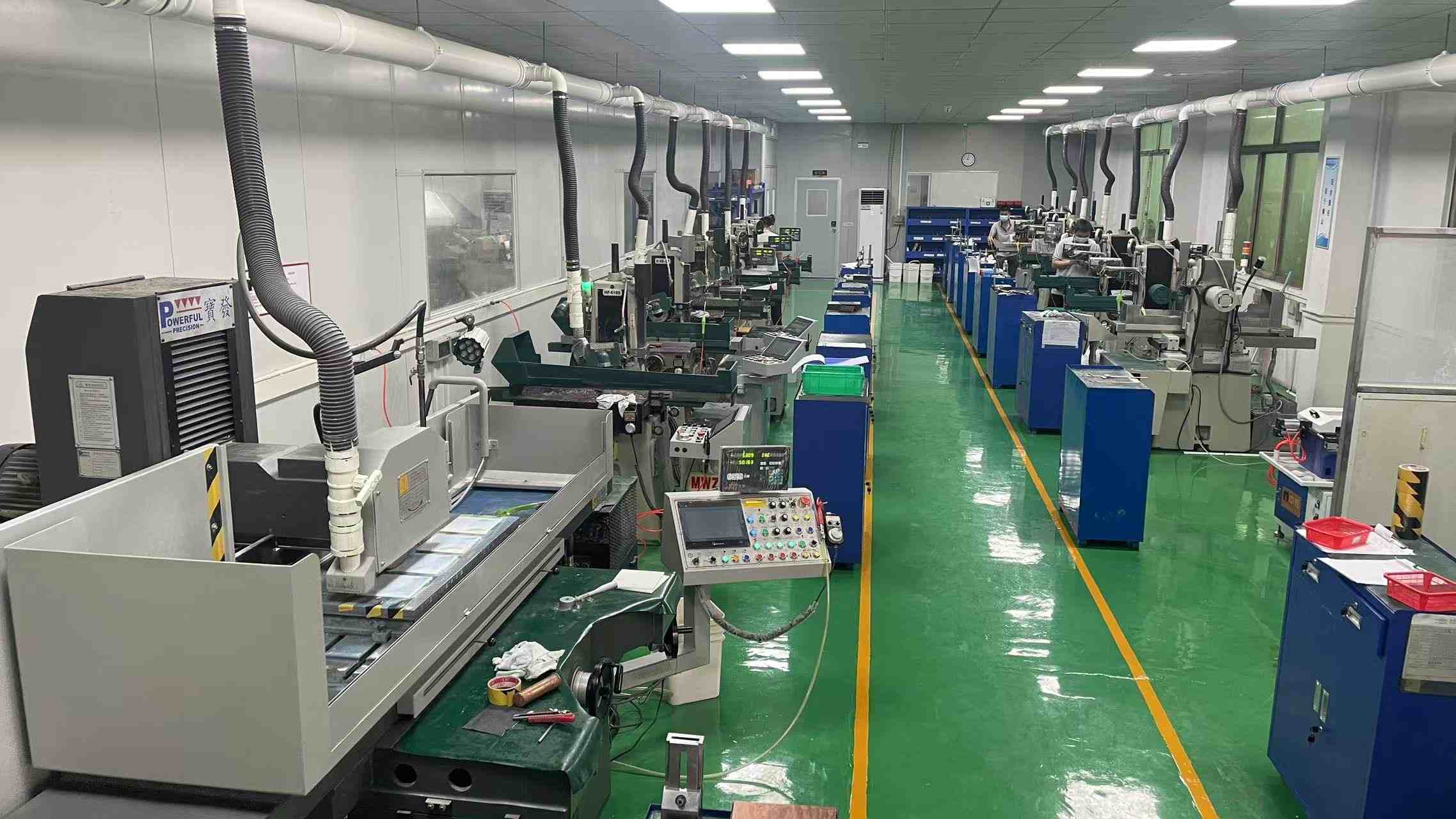
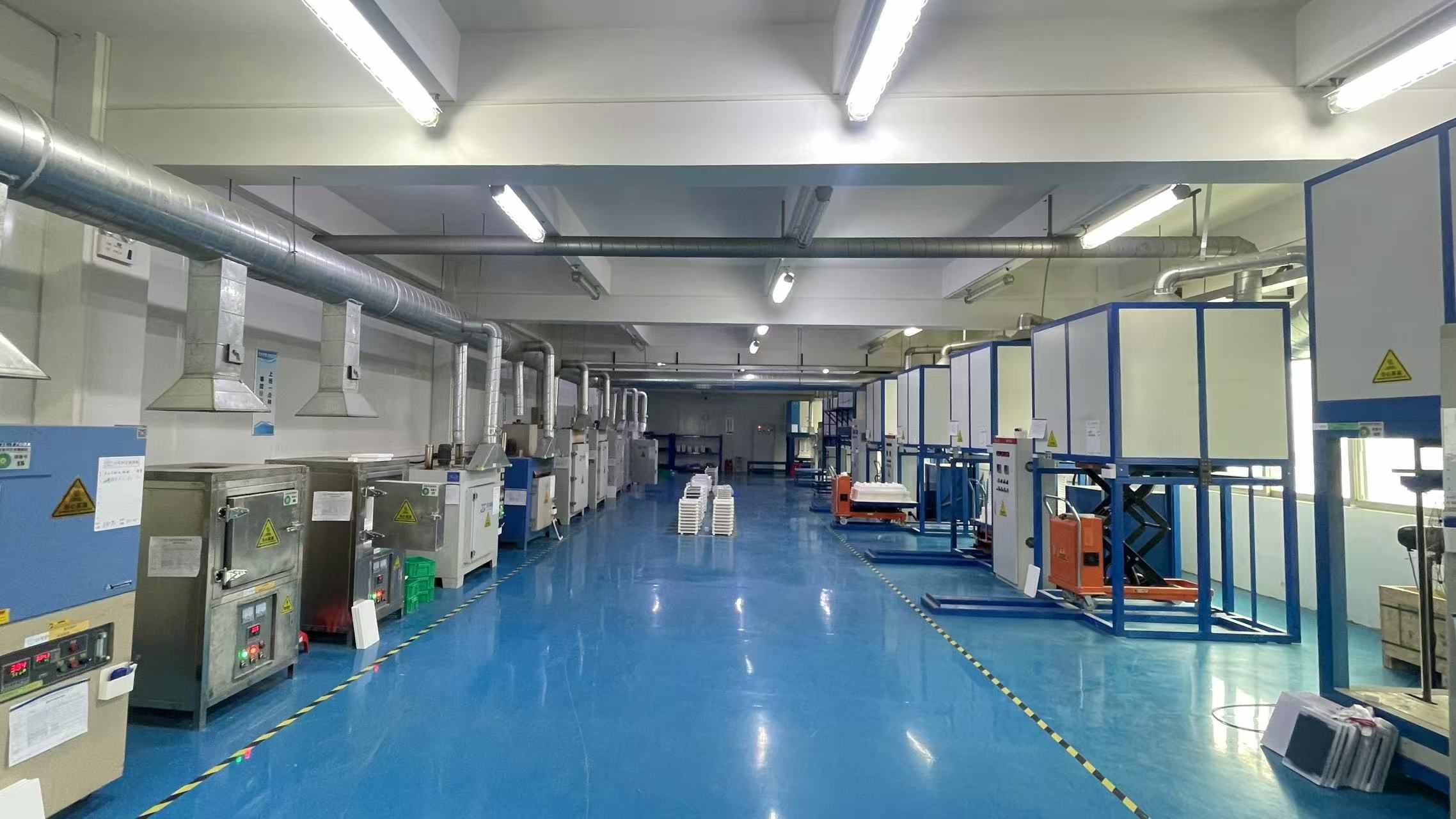
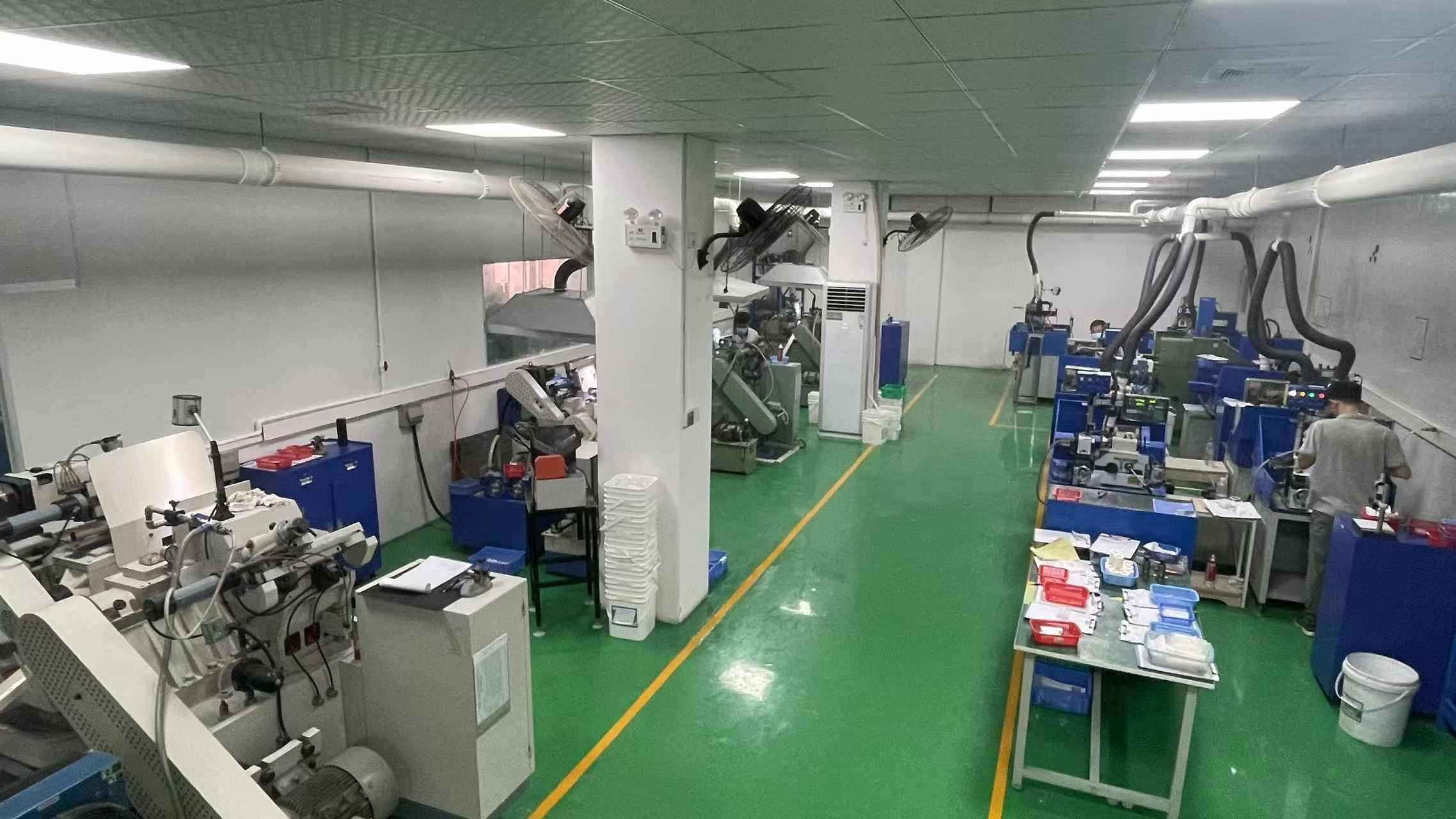
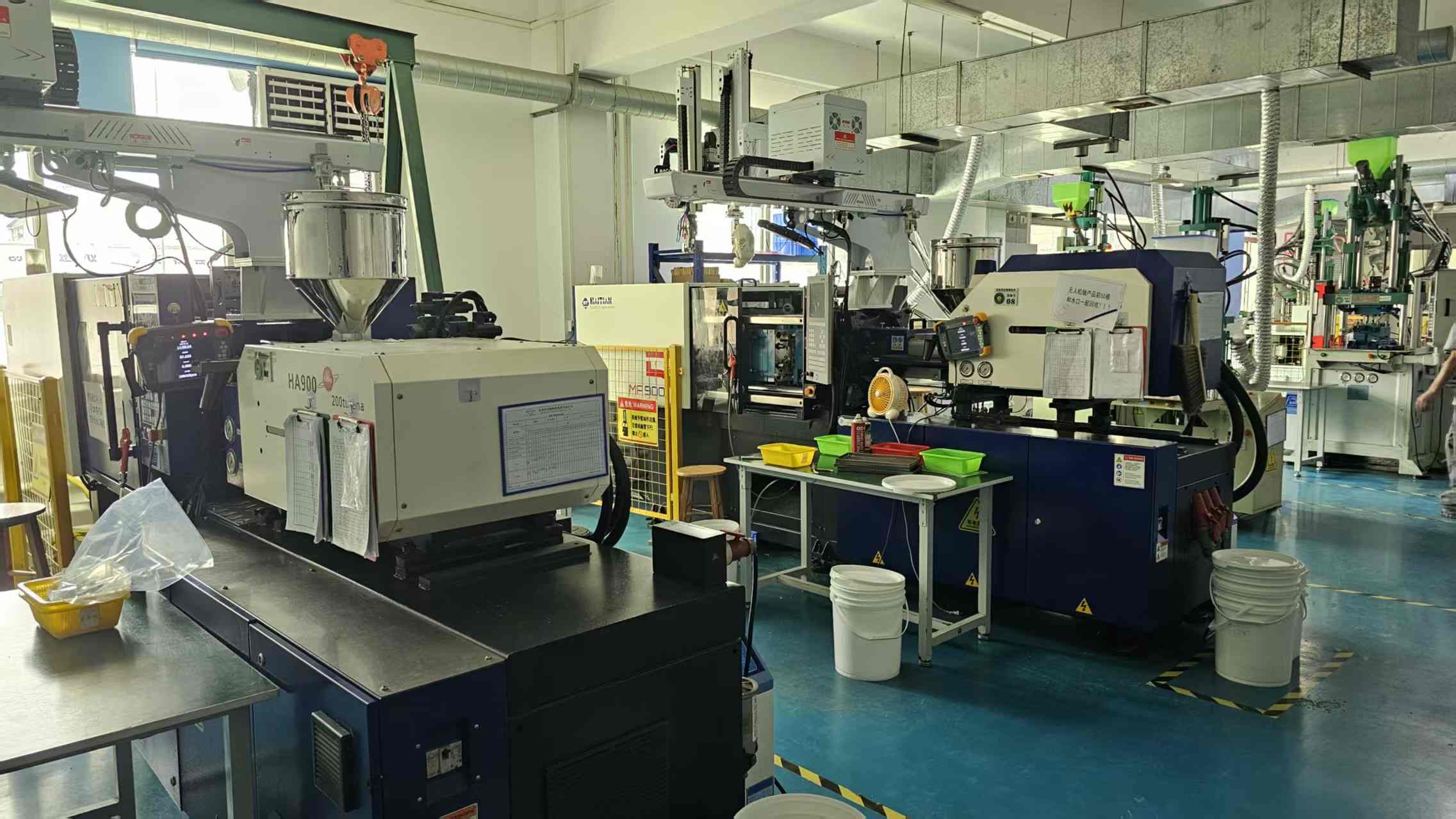
Our workshop
|
CNC Workshop |
Testing Room |
|
Surface grinding Workshop |
Sintering Workshop |
|
Circular Grinding Workshop |
Injection molding Machine Workshop |



 IPv6 network supported
Leave A Message
Scan to Wechat :

Scan to WhatsApp :