Leave A Message
If you are interested in our products and want to know more details,please leave a message here,we will reply you as soon as we can.

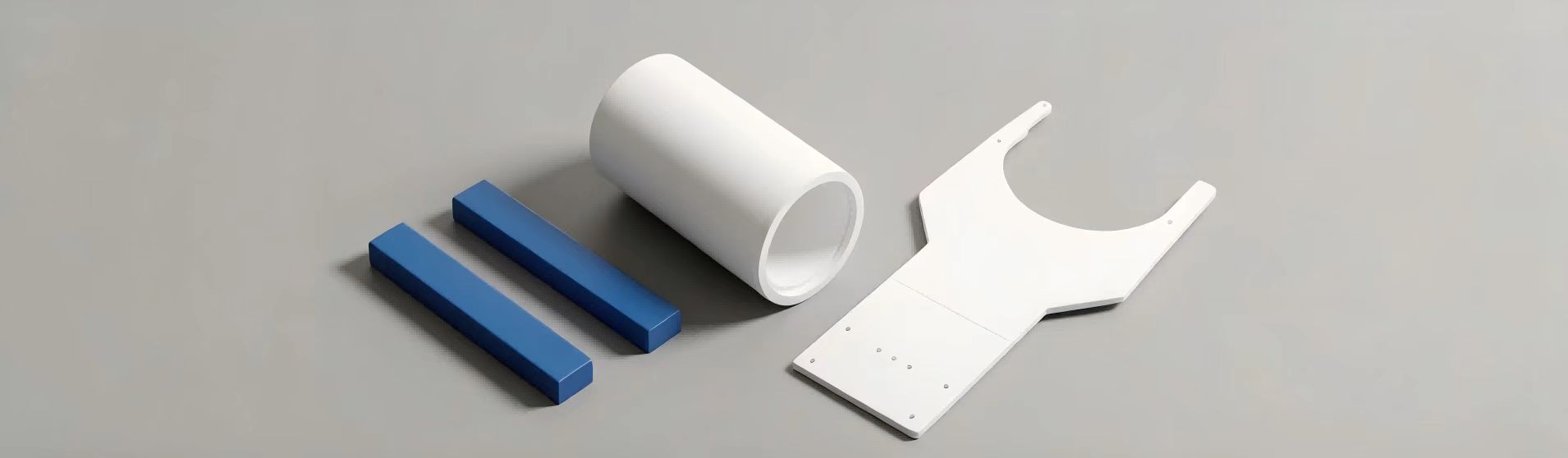
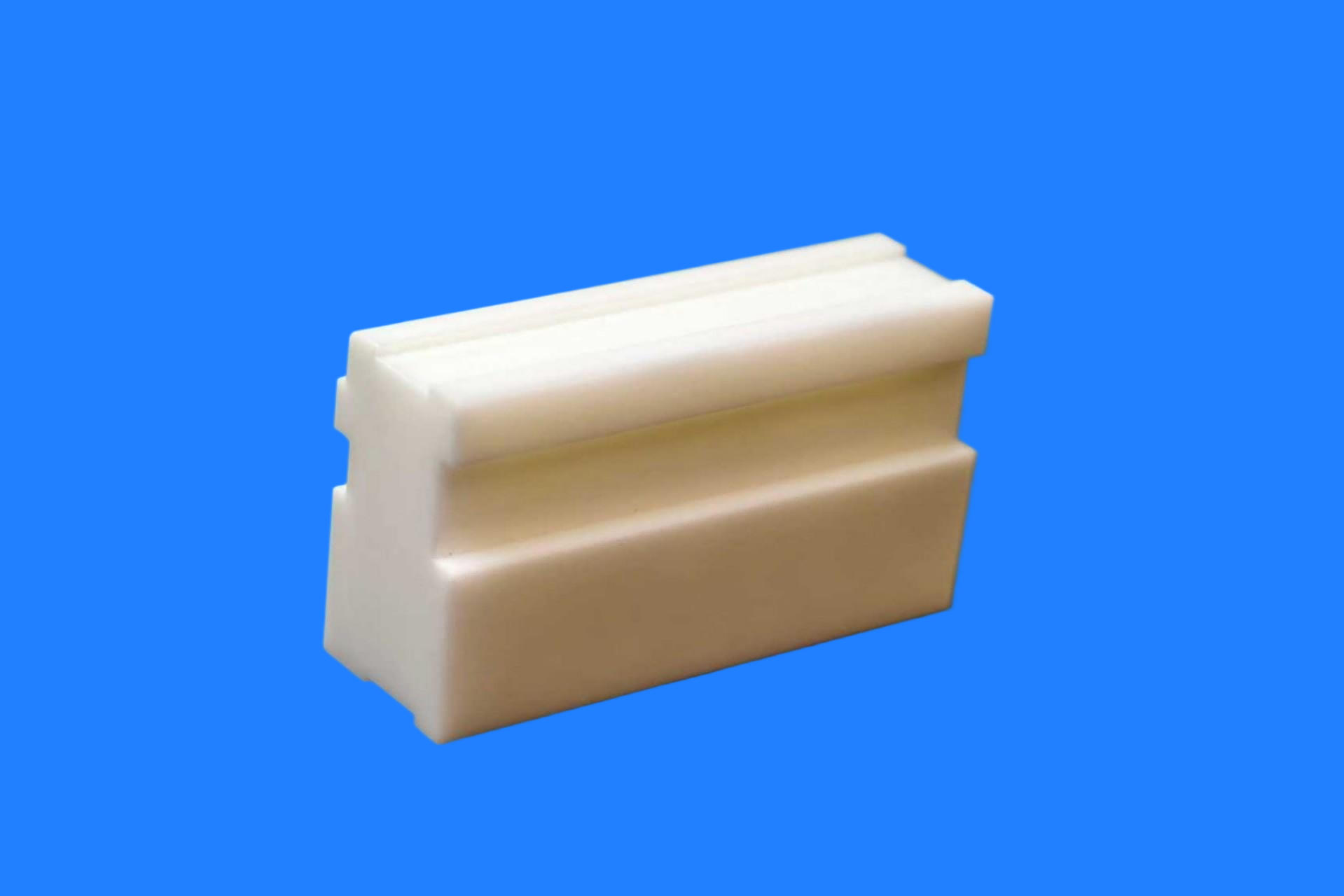
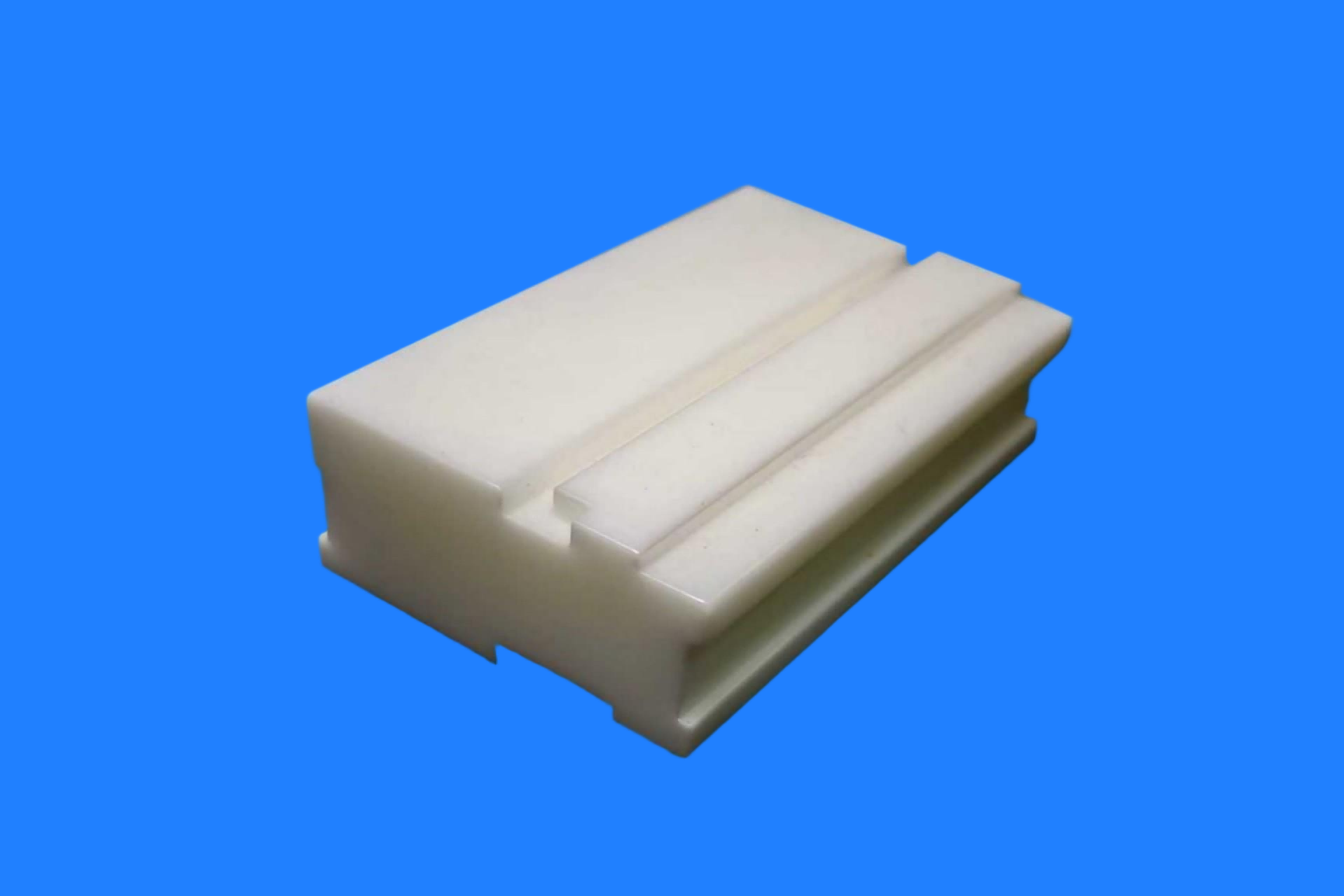
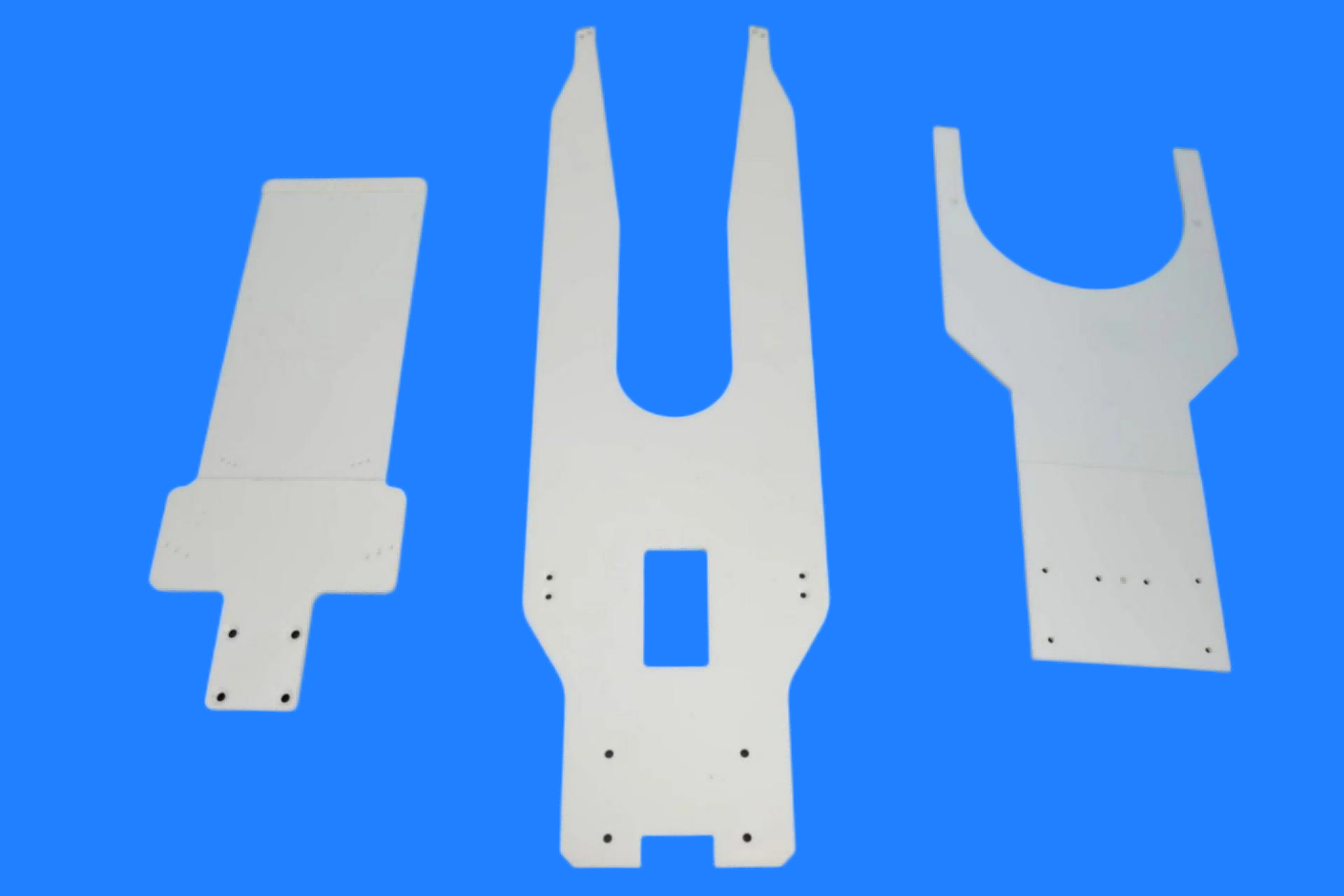
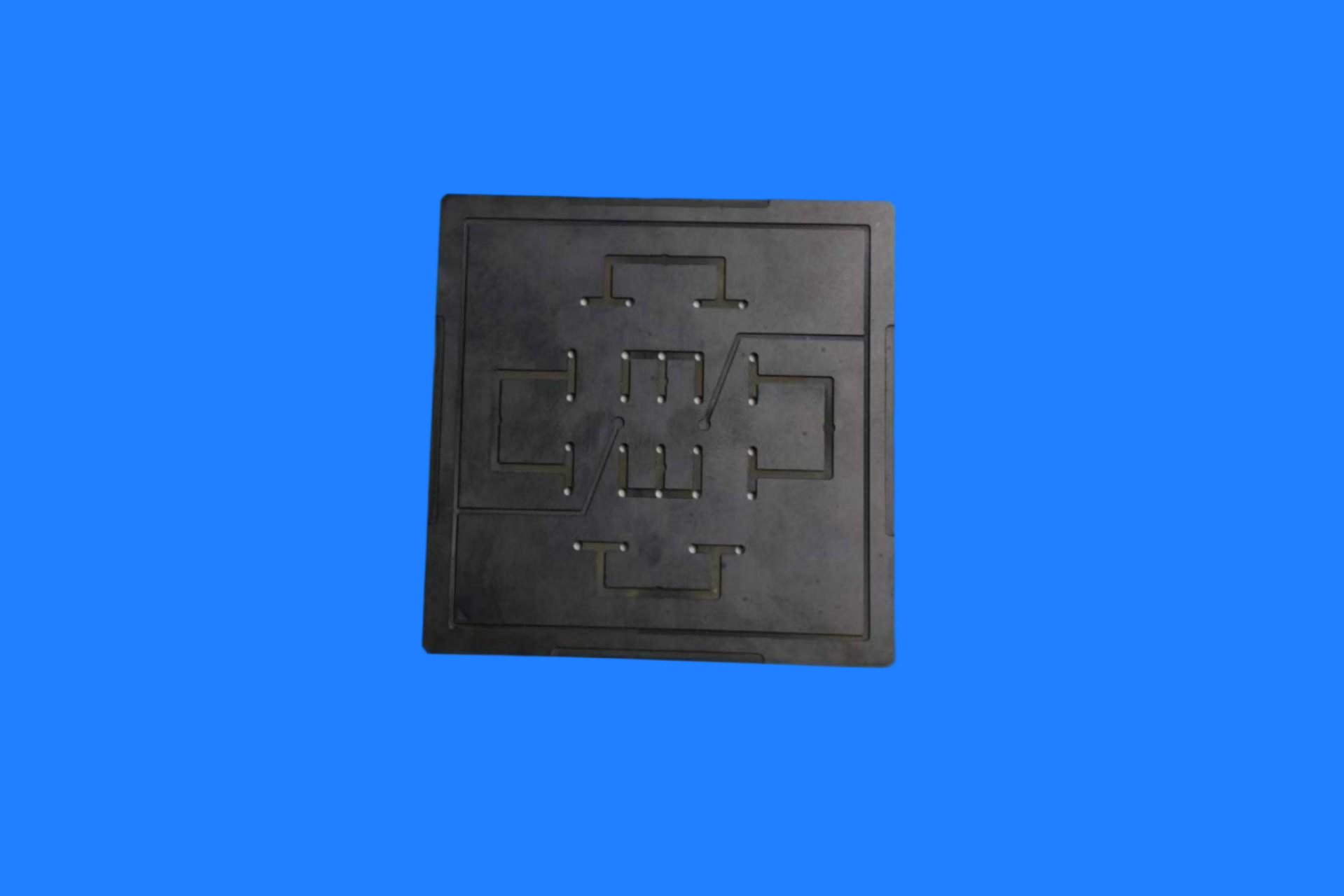
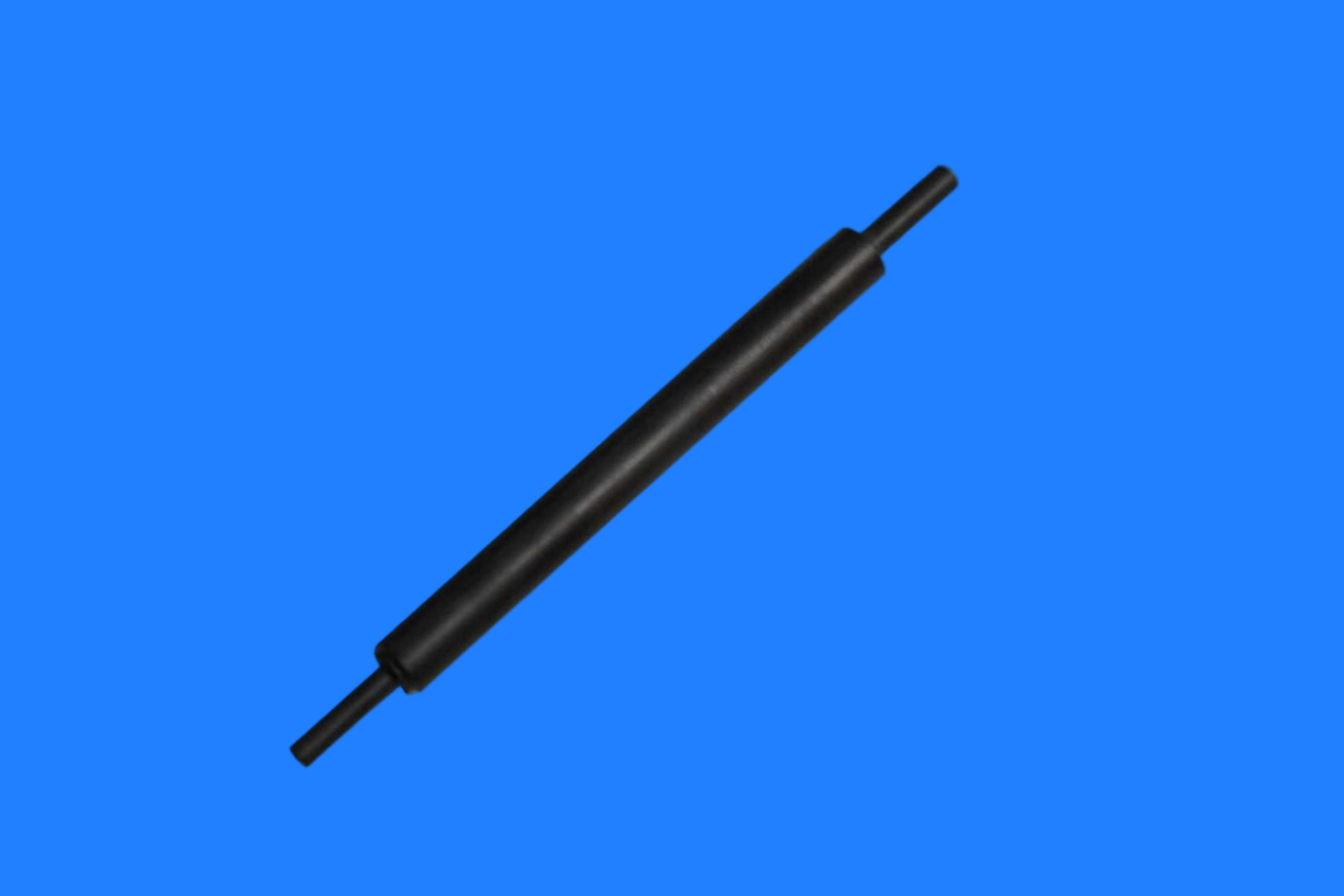
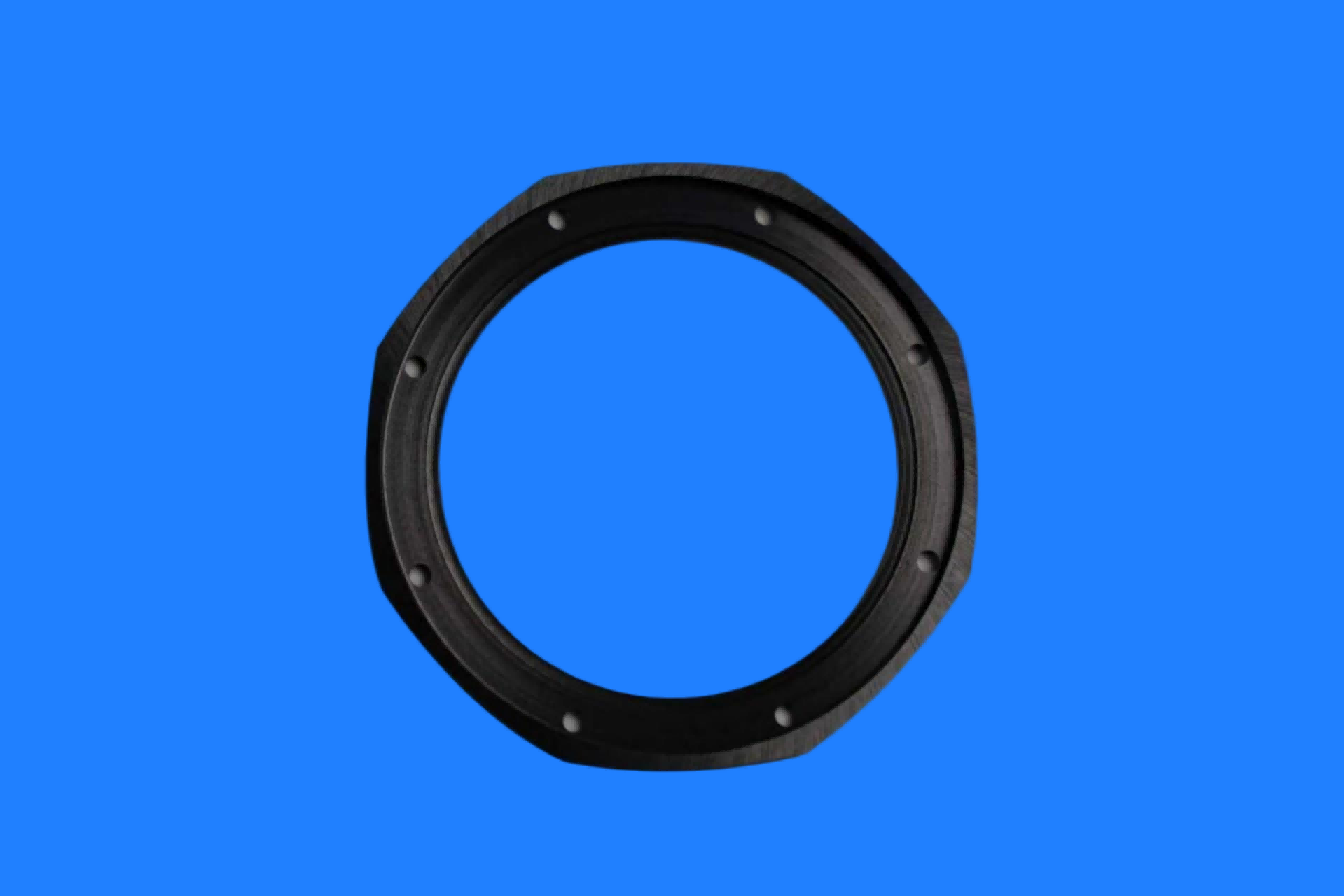
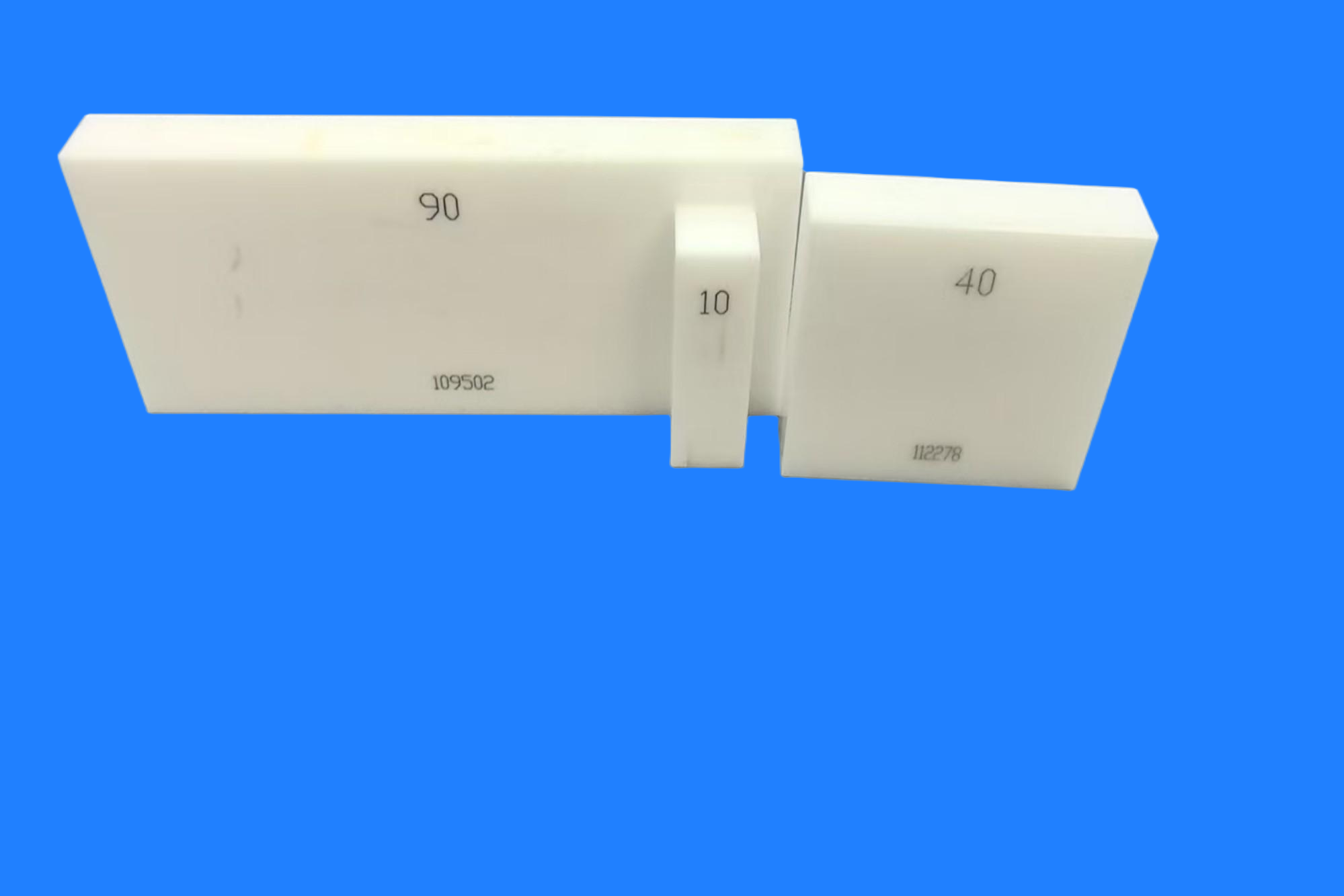
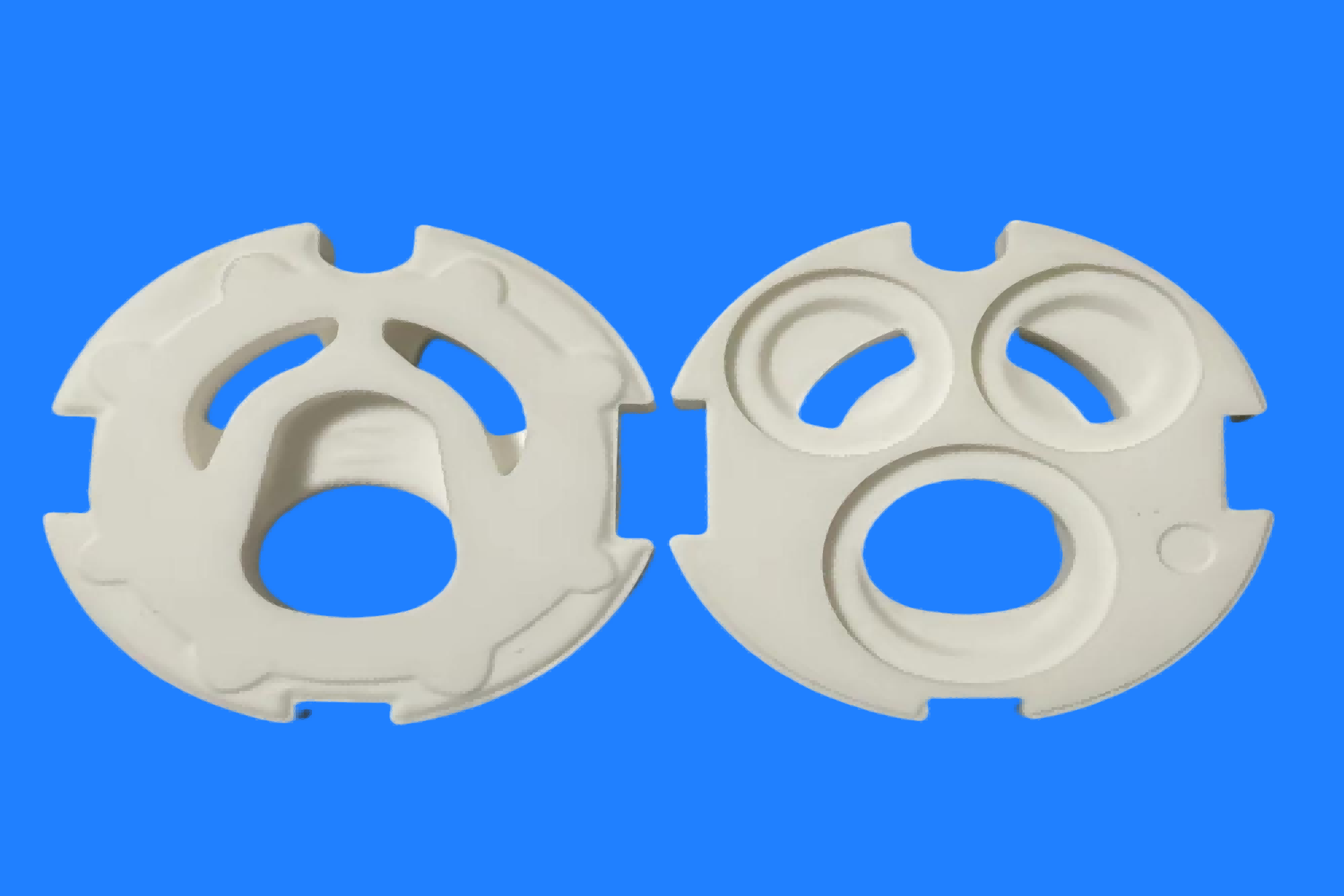
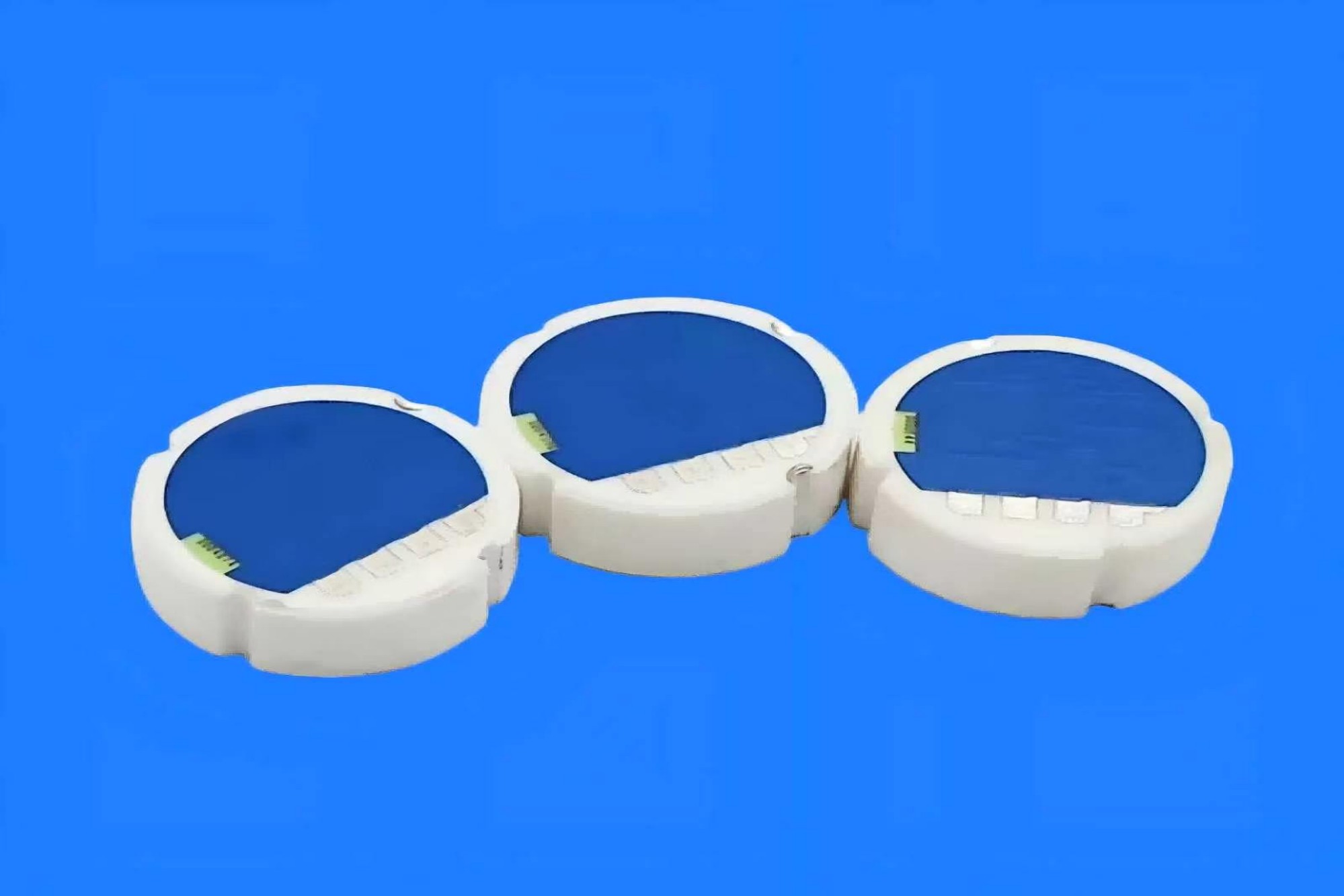
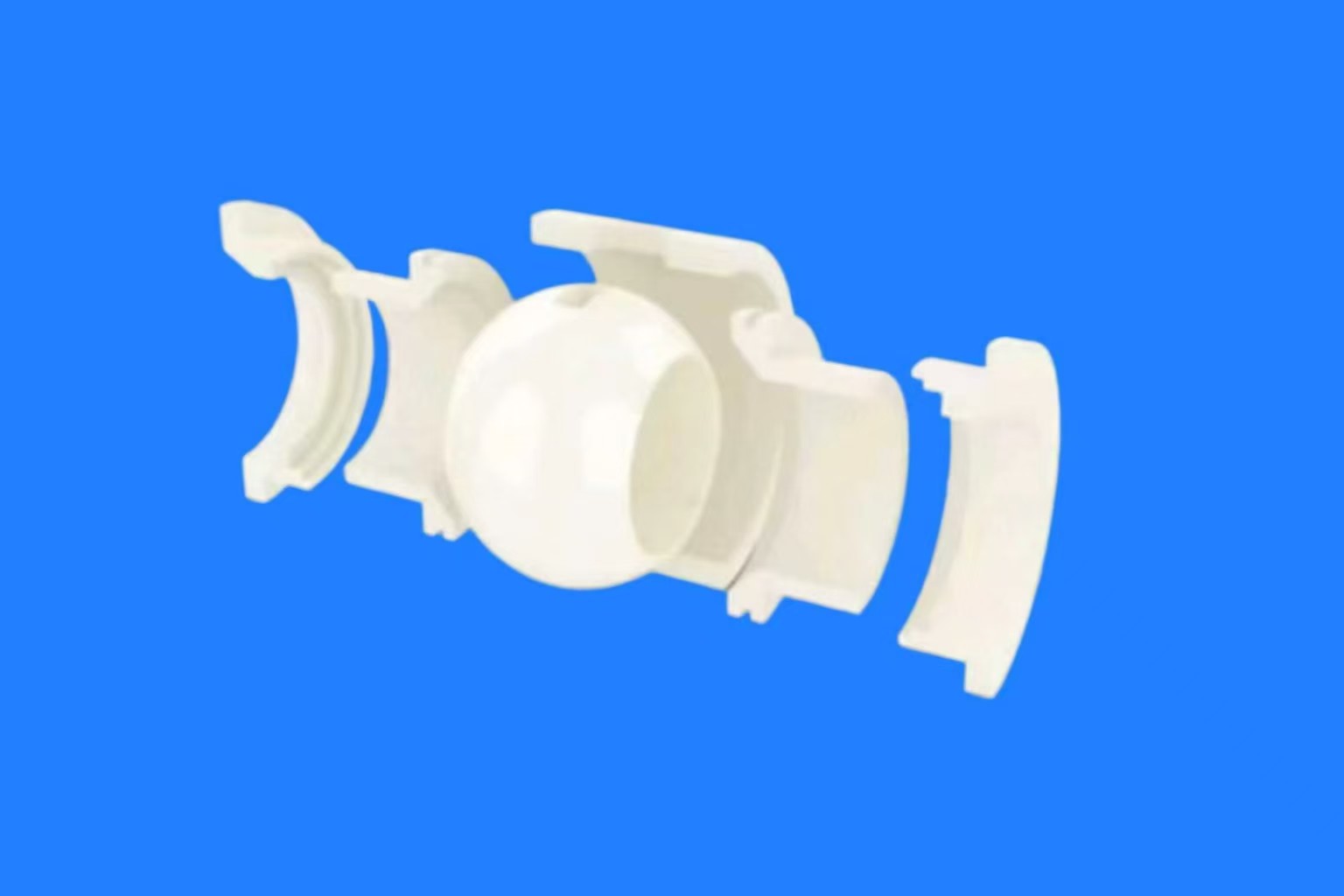
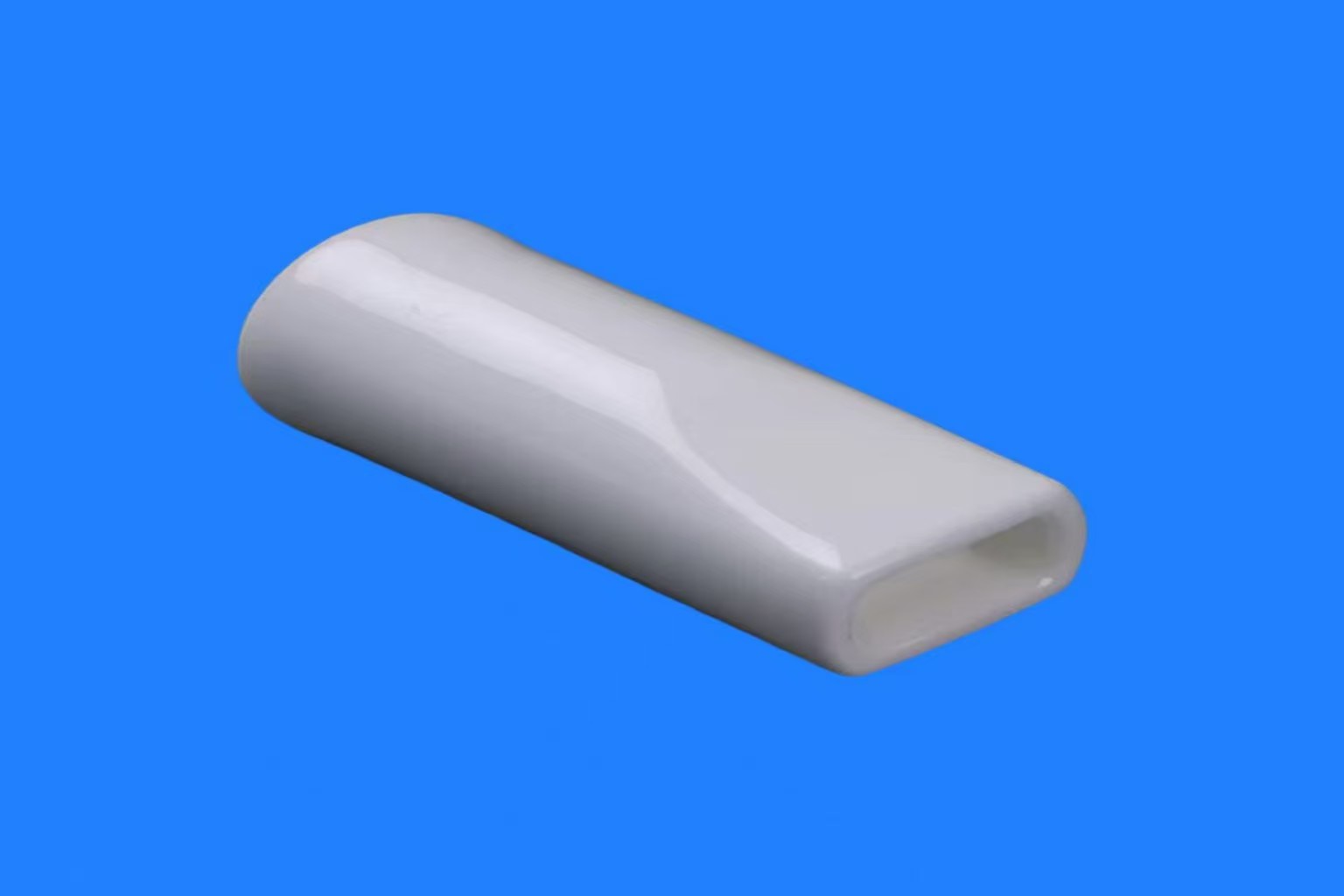
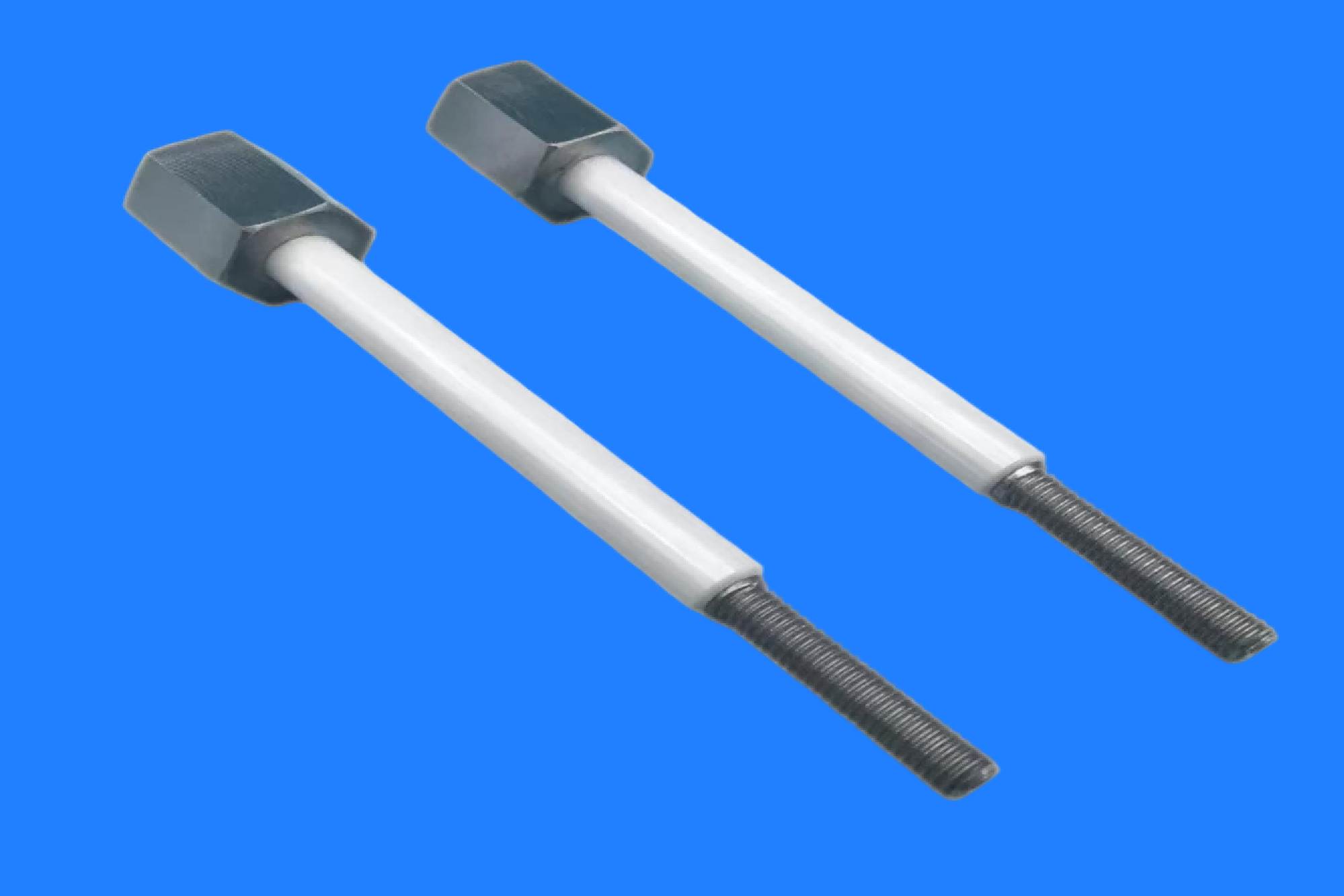
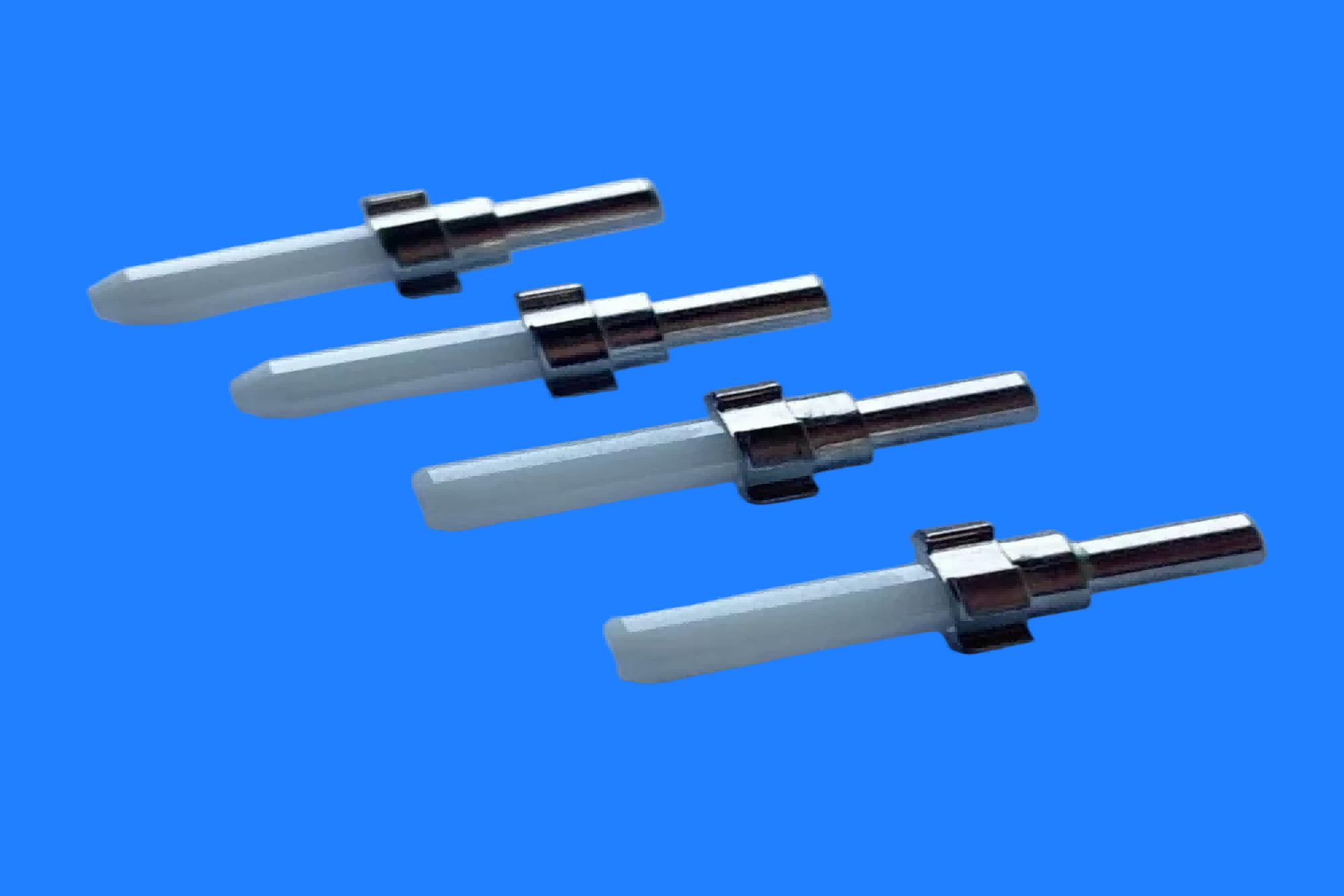
Zirconia ceramic jigs are made of high-performance zirconia ceramic, which has ultra-high hardness, wear resistance, corrosion resistance, high temperature resistance and low thermal expansion. They are suitable for precision manufacturing fields such as electronics and semiconductors, and can significantly improve production efficiency and processing accuracy, making them an ideal choice for automated production.
Zirconium Dioxide Ceramic Jigs Fixture
Product Description
Ceramic Jigs Fixture are not ordinary fixing blocks, but rather "precision guardians" in high-end precision manufacturing. Their value lies in providing an "absolutely reliable, wear-free, and extremely clean" benchmark platform for high-value, high-precision workpieces in extremely harsh manufacturing environments through their unparalleled physicochemical stability. They are key auxiliary tools for ensuring semiconductor chip yield, optical component quality, and advanced manufacturing precision, and are one of the cornerstones supporting the modern precision industrial system.
Advantages
Applications
| Detailed description | |
| Application industries |
1. Semiconductor and Integrated Circuit Manufacturing: Core application area. Used for precise positioning and fixing of silicon wafers, photomasks, etc., in processes such as photolithography, etching, ion implantation, and inspection. 2. Precision Electronic Component Manufacturing: Used as a precision carrier or tray to fix PCBs, ceramic substrates, etc., in SMT placement, chip packaging, and micro-component assembly. 3. Optoelectronics and Display Industry: Used to fix and transport glass substrates, sapphire panels, optical lenses, etc., in processes such as cutting, edge grinding, and coating. 4. Automated Assembly and Testing: Used as a special fixture or inspection jig in precision robots and high-precision measuring equipment (such as 3D coordinate measuring machines and image measuring instruments) to fix the workpiece being measured. 5. High-Value Product Processing: Used in precision machining centers or grinding machines to hold precious metals, cemented carbides, or pre-machined surfaces to prevent damage. |
| Application scenarios |
1. Precision Positioning and Clamping: In manufacturing and inspection processes at the micron or even nanometer level, zirconia, with its high-precision machined positioning holes, V-grooves, and stepped surfaces, provides precise, displacement-free, and deformation-free fixation of workpieces being processed or inspected. 2. Clean Environments and Vacuum Chambers: In cleanrooms, vacuum environments, or special gas environments, zirconia produces no dust, emits no gas, and is resistant to plasma bombardment, making it an ideal material for chamber fixtures. 3. High-Temperature or Corrosive Processes: In processes requiring heating or contact with chemical reagents, its high-temperature resistance and corrosion resistance ensure the fixture's dimensional stability and prevent contamination of the process environment. 4. High-Frequency Reusability: On automated production lines, as a standard carrier, it withstands thousands of pick-and-place, transfer, and positioning cycles, requiring near-zero wear to maintain accuracy. |
Client Cases
Fiber Optic Communication – High-Precision Grinding Fixture for SC Connectors
1. Customer Background and Core Pain Points
Accelink is a leading supplier of optoelectronic devices in China. In the production of its core product, the SC fiber optic connector, grinding the connector pin end face is a crucial process to ensure fiber optic splicing loss and return loss. Traditional grinding fixtures use metal positioning holes, which are prone to wear after long-term use, leading to a decrease in the dimensional accuracy of the inner hole. This directly affects the geometric accuracy of the fiber end face after grinding (such as radius of curvature, vertex offset, etc.), resulting in product yield fluctuations and frequent fixture replacements, thus increasing production costs.
2. Zirconia Ceramic Solution
To solve the above problems, Fiberhome Technologies innovatively designed and applied a grinding fixture with a built-in zirconia ceramic sleeve. The fixture structure includes a main board, a fixing sleeve, springs, and fasteners. Its core innovation lies in placing a precision zirconia ceramic sleeve inside the metal socket of the main board. The inner diameter of this sleeve precisely matches the nominal size of the outer diameter of the SC connector pin being processed.
3. Implementation Results and Quantifiable Benefits
(1)Leap in Precision: The machining precision of the zirconia ceramic sleeve's inner hole can consistently reach 1 micrometer, far exceeding that of easily worn metal inner holes, ensuring consistent positioning of each connector pin during the grinding process.
(2)Double Lifespan: The ultra-high hardness and wear resistance of zirconia result in minimal wear on the fixture when subjected to continuous friction from ceramic pins (typically zirconia). Even if the ceramic sleeve becomes damaged after long-term use, it can be quickly replaced as an independent component without scrapping the entire metal fixture body, significantly extending the overall lifespan of the fixture.
(3)Cost Reduction and Efficiency Improvement: Higher precision directly improves the first-pass yield of products and reduces rework. Simultaneously, the significant reduction in fixture maintenance cycles and replacement costs leads to a substantial decrease in overall production costs.
4. Core Technological Value
This case study reveals the irreplaceable role of zirconia ceramics in "hard-to-hard" precision mating scenarios. Its core value lies in increasing the wear life of tools (fixtures) to a level comparable to or even higher than that of the product (ceramic pins), thereby minimizing the risk of accuracy drift caused by tool wear in high-speed continuous production.

FAQ
Q1: What products does your company offer?
We specialize in high-performance ceramics such as alumina and silicon nitride, providing insulators, structural components, wear-resistant parts, and customized solutions.
Q2: Can you customize non-standard parts?
Yes. We support processing based on provided drawings and collaborative technical development, offering a full-process service from design to mass production.
Q3: What about accuracy and delivery time?
Standard tolerance ±0.05mm, precision grade ±0.01mm; samples 7-15 days, bulk orders 20-30 days.
Q4: Main application areas?
Power, electronics, machinery, chemical, and aerospace industries.
Q5: Quality assurance measures?
Full-process quality inspection, providing material reports and performance test data, supporting third-party certification and testing.
Q6: Do you provide technical support?
We provide professional support such as material selection consultation, design optimization, and failure analysis.
Why choose us?
1.Customized R&D, rather than standard product adaptation
2.Deep control of materials science:Material Selection Based on Needs,Microstructure Optimization,Batch Consistency
3.Precision machining capability:Flatness can reach 0.001mm, parallelism 0.002mm, and roughness Ra 0.1μm.
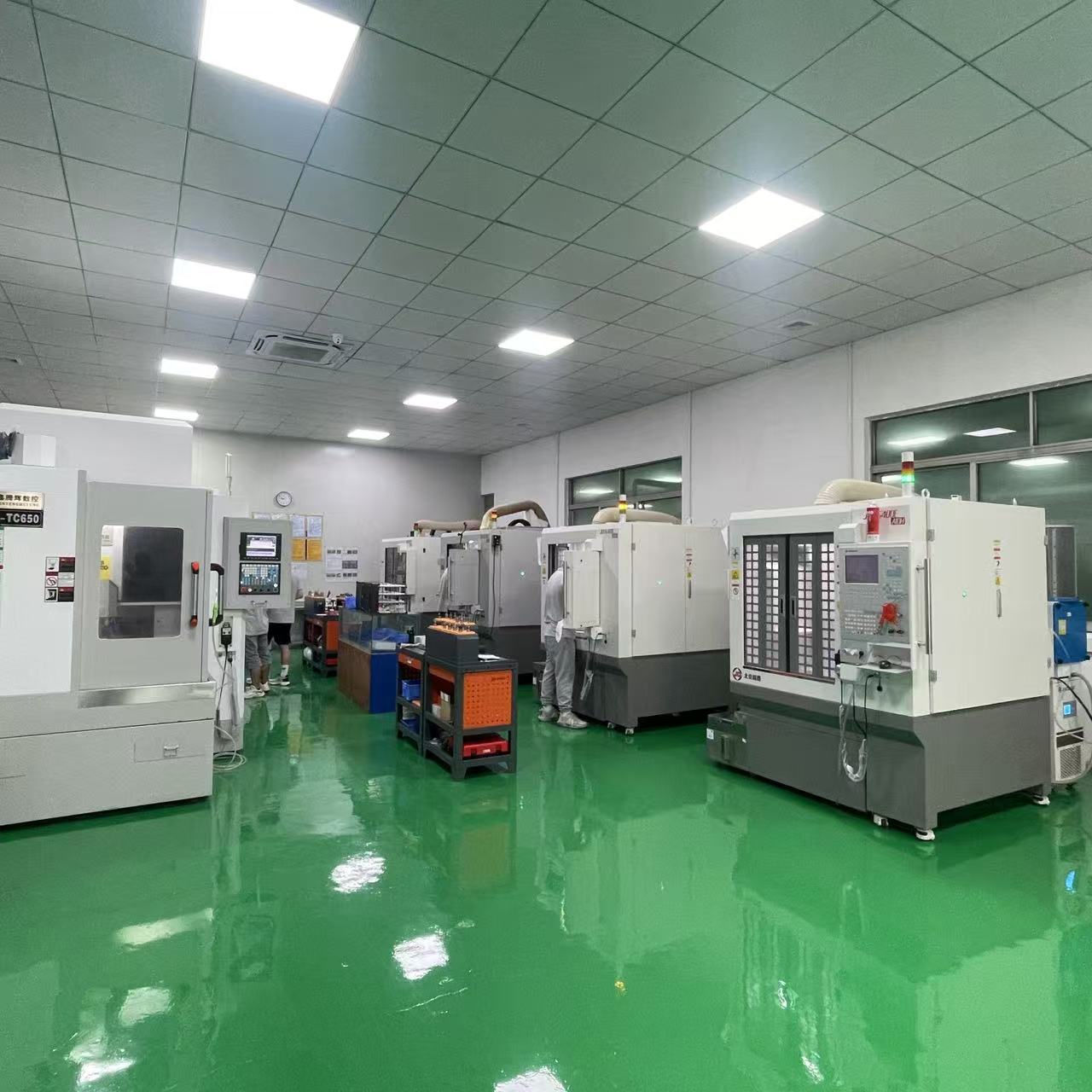
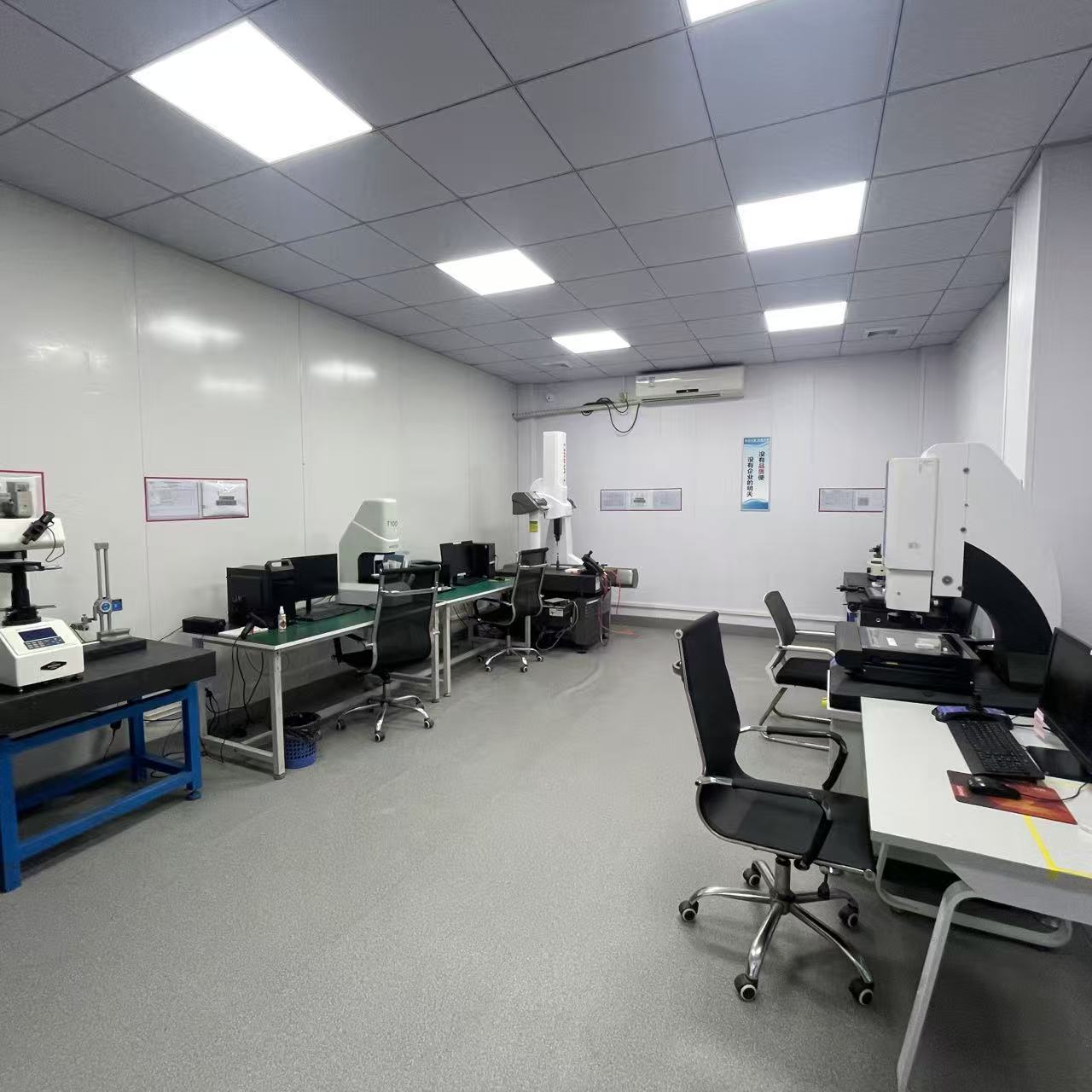
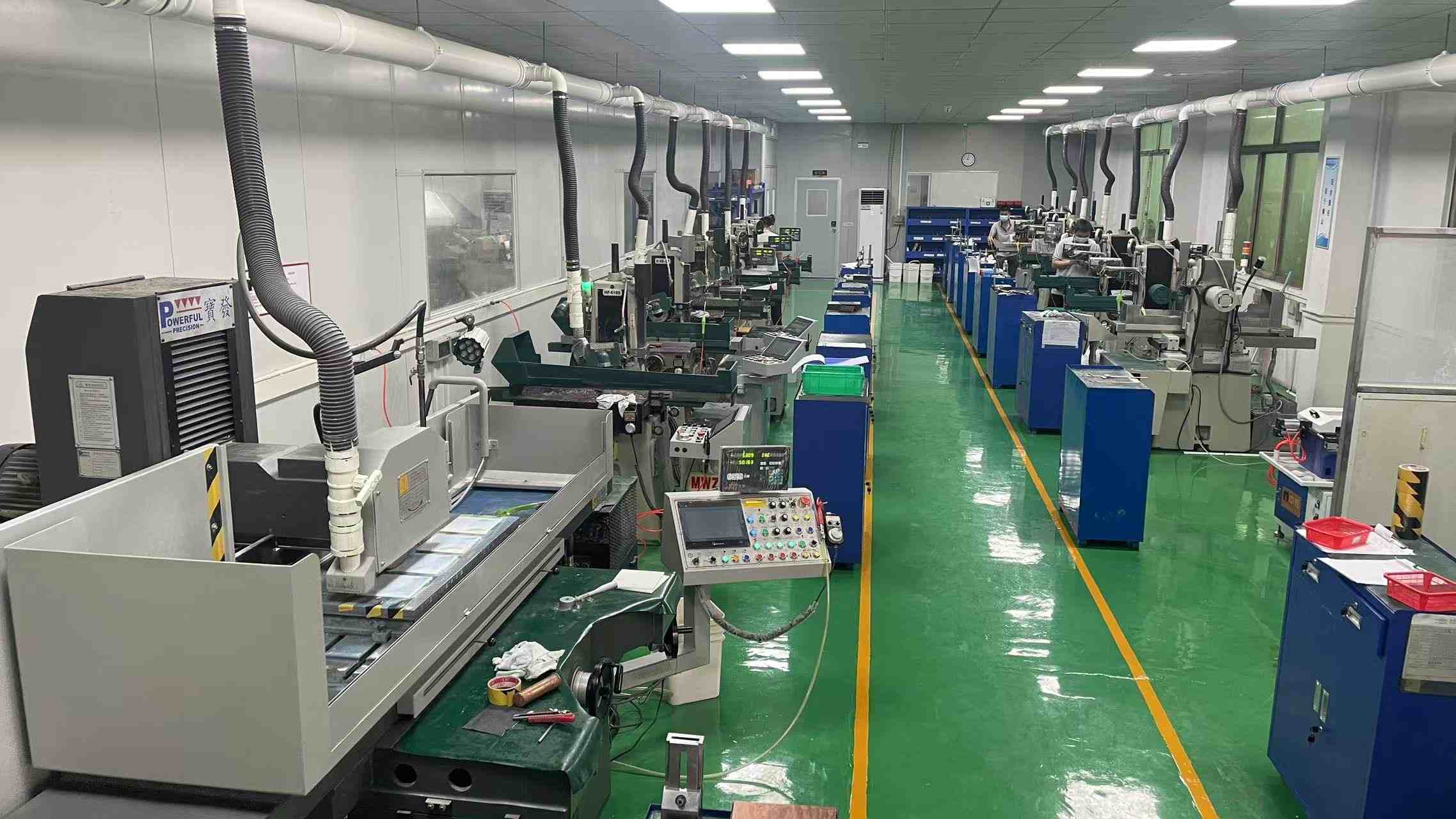
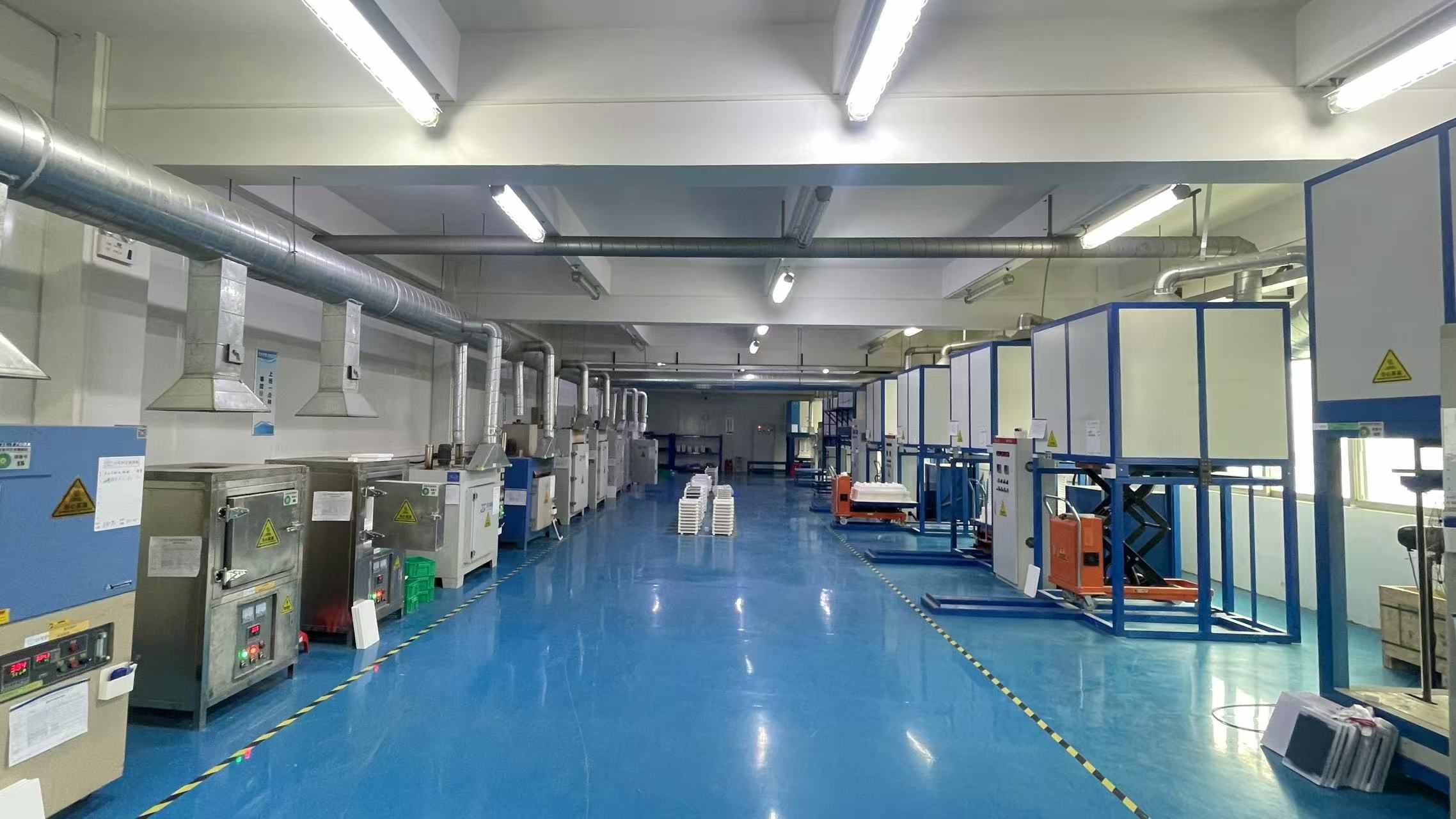
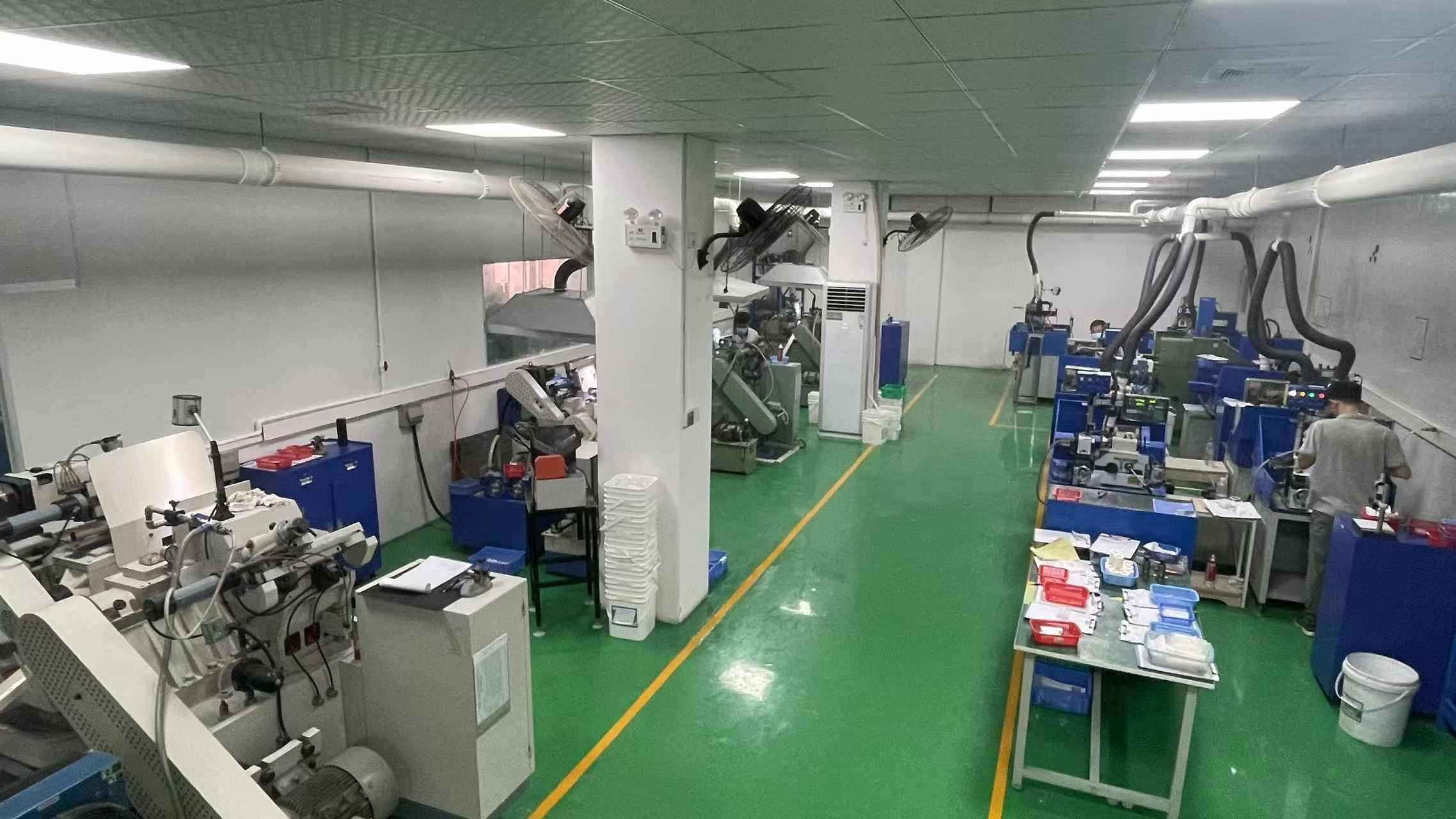
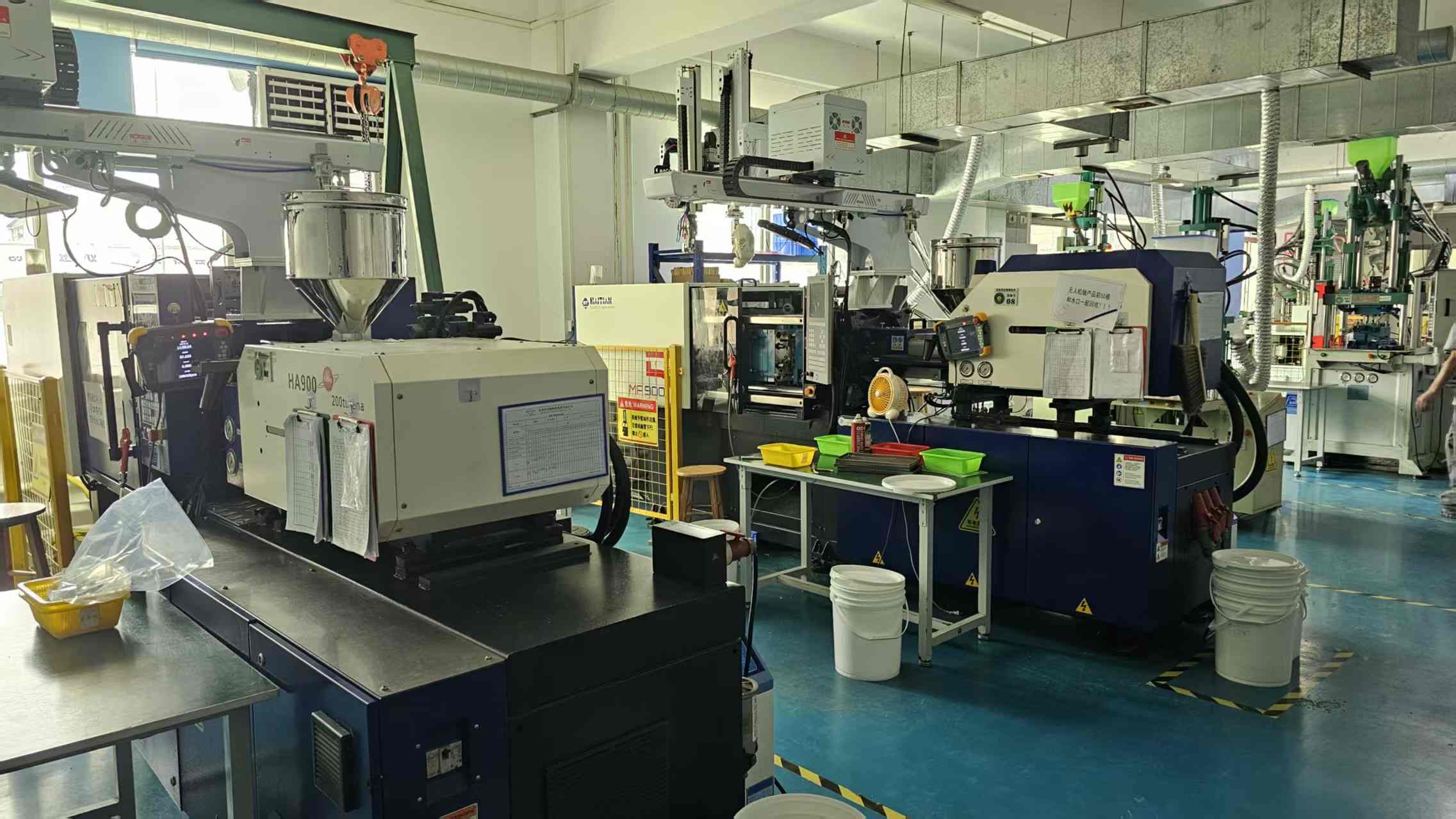
Our workshop
|
CNC Workshop |
Testing Room |
|
Surface grinding Workshop |
Sintering Workshop |
|
Circular Grinding Workshop |
Injection molding Machine Workshop |



 IPv6 network supported
Leave A Message
Scan to Wechat :

Scan to WhatsApp :