Leave A Message
If you are interested in our products and want to know more details,please leave a message here,we will reply you as soon as we can.

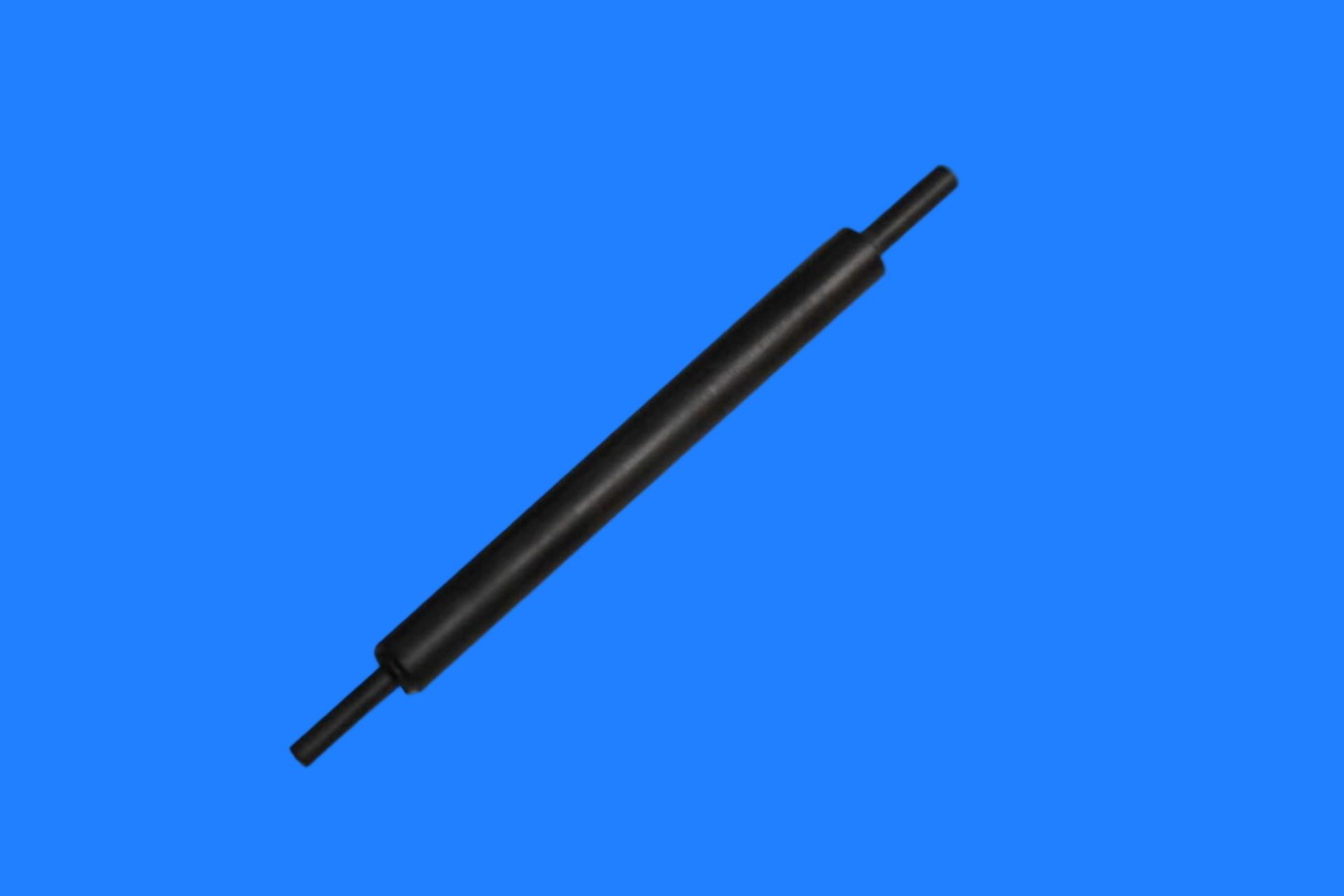
Anti-static Yttria-stabilized Zirconia Ceramic Rollers
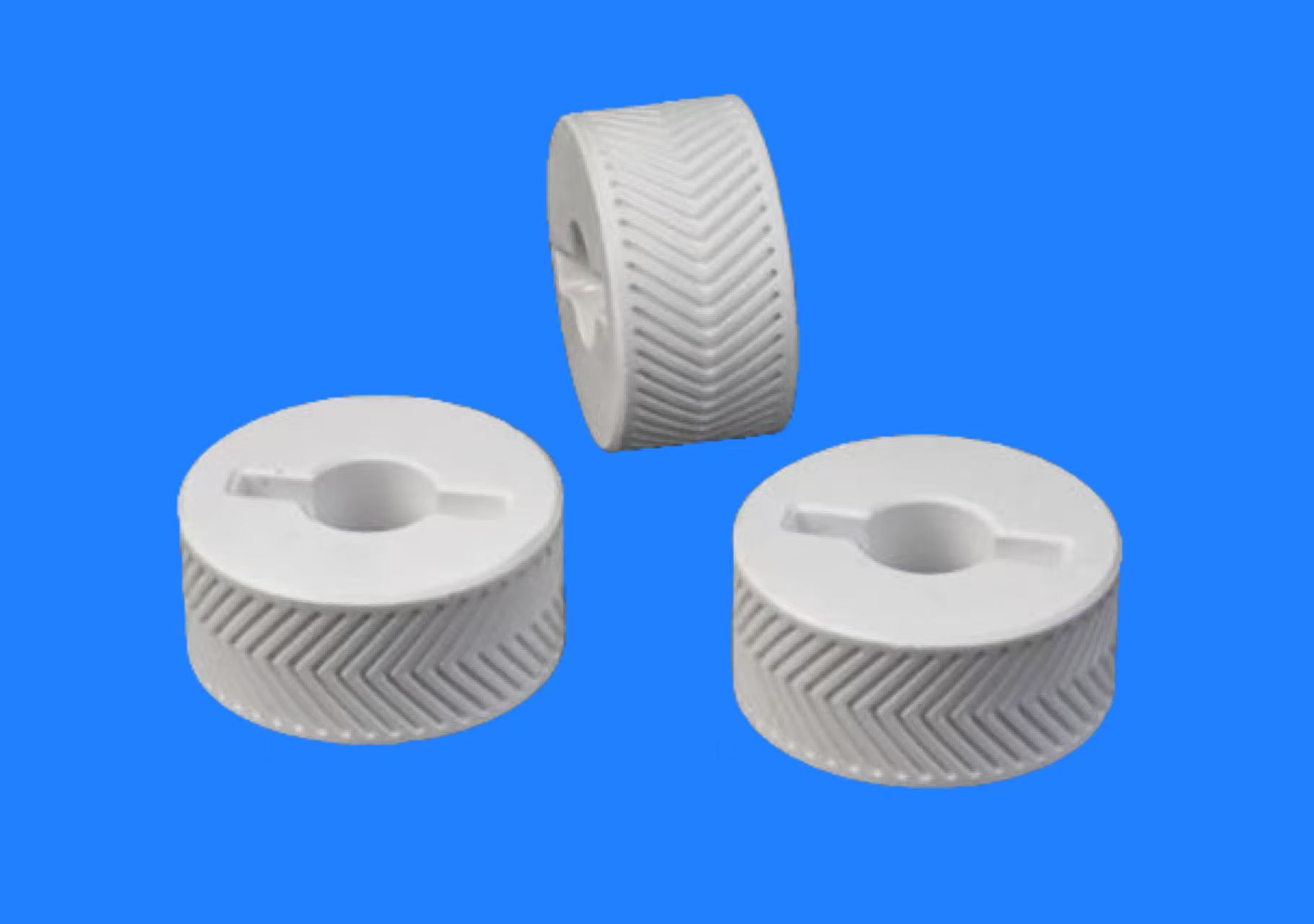
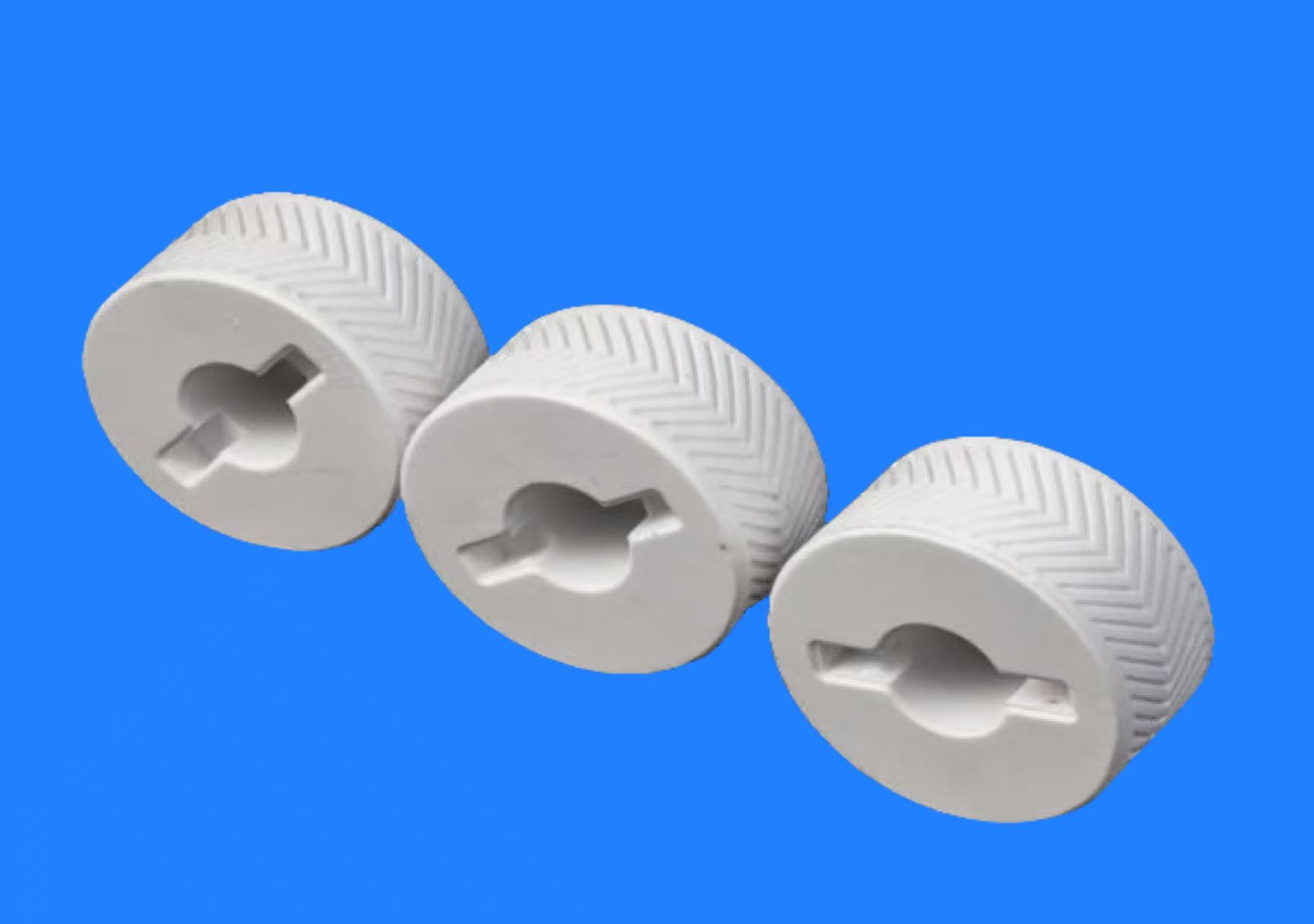
Our Y-TZP Ceramic Rollers exhibit exceptional chemical inertness, thermal stability, and anti-static properties. Compared to traditional steel, alumina, or rubber rollers, they offer significant advantages in terms of service life, machining precision, and operational reliability. Each roller undergoes rigorous precision machining; dimensions, surface finish, and mounting interfaces can be fully customized to meet the specific requirements of the client's operating environment.
Anti-static Yttria-stabilized Zirconia Ceramic Rollers Scroll Wheel Producer
Product Description
Yttria-Stabilized Zirconia (Y-TZP) ceramic rollers are high-performance structural ceramic components manufactured using high-purity zirconium dioxide (ZrO₂) as the base material and yttrium oxide (Y₂O₃, 3 mol%) as a stabilizer. They are produced through a process involving isostatic pressing, high-temperature sintering, and precision machining. These rollers offer a combination of high hardness, high toughness, superior wear resistance, and excellent chemical stability, making them ideal for demanding applications such as precision drive systems, film slitting, cable traction, food processing machinery, and textile equipment.
Key Parameters
| Performance Indicators | Parameters |
| Density | ≥ 6.0 g/cm³ |
| Hardness (HRA) | ≥ 89 HRA, vickers hardness approximately 1250 HV |
| Flexural Strength | ≥ 900 MPa |
| Fracture Toughness | 8–10 MPa·m¹ᐟ² (the highest level among ceramics) |
| Elastic Modulus | ≈ 210 GPa |
| Surface Roughness | can up to an Ra value of less than 0.1 μm |
| Operating Temperature | -50 ℃ ~ 800 ℃ |
| Coefficient of Linear Expansion | 10.5 × 10⁻⁶ / K |
Product Specifications
1.Material system:the mainstream material is yttria-stabilized zirconia (Y-TZP), with a core composition of ≥94.8% ZrO₂ and 5.2% Y₂O₃; a 99% high-purity grade variant is also available for customization.
2.Size range:standard diameters range from 20–200 mm, with custom options available for diameters ≥300 mm. Standard lengths range from 50–500 mm, and extra-long specifications can be custom-made. Features such as internal bores, keyways, and threads can be fully customized according to customer drawings.
3.Surface treatment:customizable options include nanometer-scale surface finishes (mirror-like, with Ra ≤ 0.05 μm), anti-slip/drive patterns (such as herringbone or straight grooves), and surface treatments like polishing or sandblasting.
4.Accuracy class:standard dimensional tolerance is ±0.01 mm, with the capability to reach as precise as ±0.005 mm; coaxiality is ≤0.002 mm and circular runout is ≤0.003 mm, making it suitable for high-precision transmission applications.
Product Features
1. Exceptional Wear Resistance for Extended Service Life
Thanks to superior hardness and toughness, these rollers offer 5–10 times the wear resistance of standard bearing-steel rollers. This significantly reduces the frequency of downtime for replacements and lowers overall operating costs.
2. Non-Magnetic, Electrically Insulating, and Non-Attracting
These rollers do not attract ferromagnetic dust, making them ideal for industries with strict cleanliness requirements, such as electronics and pharmaceuticals. Their excellent electrical insulation properties also allow for use in transmission applications that require electrical isolation.
3. Ultra-Fine Polished Surface to Protect Processed Materials
Featuring a mirror-like surface finish (Ra ≤ 0.1 μm) and exceptional chemical inertness, these rollers will not scratch or contaminate materials being conveyed—such as wires, films, or paper—making them particularly well-suited for high-value, precision products.
4. Corrosion Resistance and High Environmental Adaptability
Highly resistant to acids, alkalis, salts, and most organic solvents, these rollers maintain stable performance in humid, corrosive (acidic/alkaline), or high-temperature environments, with no risk of rust or electrochemical corrosion.
5. Uniform Density for Smooth Operation
Produced via isostatic pressing and high-temperature sintering, the material possesses a dense, uniform microstructure. Each roller undergoes precision dynamic balancing, ensuring minimal vibration, low noise, and minimal temperature rise during high-speed operation.
Typical Application Scenarios
Customization Services
We offer both standard and custom-engineered components with outer diameters ranging from Φ10 mm to Φ150 mm and lengths from 5 mm to 500 mm. Precision machining services are available, including internal features (such as keyways and stepped bores) and bearing seat integration.
We support manufacturing based on your drawings or samples, and provide comprehensive technical assistance, including material selection, structural design, and operational suitability analysis.
Client Case Studies
Yttria-Stabilized Zirconia Ceramic Rollers: help a leading cable manufacturer boost production fine efficiency by 40%
1.Client background
Industry: wire and cable manufacturing
Client profile: a leading domestic manufacturer of specialty cables, specializing in high-value-added products such as aerospace cables, automotive wiring harnesses, and high-speed data transmission cables.
Core pain points: in the cable insulation extrusion process, the traction rollers are prone to rapid wear and slippage. Frequent roller replacements lead to significant downtime losses. Furthermore, the metal rollers often scratch the cable’s insulation layer, resulting in a consistently high product defect rate.
2.Challenges faced by the client
Prior to partnering with us, the client’s extrusion production lines utilized traditional chrome-plated 45-grade steel haul-off rollers, which presented the following issues during operation:
Short wear life: under high-speed line operation (up to 600 m/min), the chrome plating on the metal rollers would wear away or flake off within approximately 2–3 months, necessitating complete replacement of the rollers.
Surface scratching of cables: Aa the surface roughness of the rollers increased, scratches would appear on the insulation layers (such as PTFE or FEP), compromising both the product's appearance and its insulating properties.
Unstable tension: uneven wear on the rollers caused fluctuations in haul-off tension, making it difficult to maintain precise control over cable diameter tolerances; the first-pass yield rate was only around 92%.
High maintenance costs: each production line required the replacement of over 30 rollers annually. When factoring in the associated downtime, the total annual loss exceeded 500,000 RMB.
3.Solution
Based on the client’s operating conditions (line speed of 600 m/min, cable diameter of 1.2–8 mm, and operating temperature of 45–80 °C), our technical team has proposed an alternative solution: the use of yttria-stabilized zirconia (Y-TZP) ceramic rollers.
Key Design Points
Specification Details
Material | 3Y-TZP; flexural strength ≥ 950 MPa; fracture toughness ≥ 9 MPa·m¹ᐟ²
Structural Design | Composite structure (roller body with a metal inner sleeve); compatible with the client’s existing shaft system—no modifications required
Surface Treatment | Outer diameter precision-ground to Ra ≤ 0.05 μm; mirror-polished finish
Dimensional Accuracy | Outer diameter roundness ≤ 0.002 mm; coaxiality ≤ 0.003 mm
Accessories | Precision-machined bearing seats; 100% inspection and dynamic balancing performed prior to shipment
4.Implementation Process
Initial Testing:client designated one production line as a pilot, allowing for a three-month trial period at no cost.
Data Monitoring: our engineers were stationed on-site to monitor line speed, tension, temperature rise, and the surface quality of the cables.
Full-Scale Adoption: following the trial period, the client replaced the traction rollers on all 12 of their production lines with our Y-TZP ceramic rollers.
5.Operational Results
After 12 months of full-scale operation, the client reported the following data:
✅ Roller Service Life: Extended from 2–3 months to over 18 months—a more than sixfold increase—with no replacements required to date.
✅ Product Defect Rate: Defects related to scratches on cable insulation dropped by 95%; the first-pass yield improved from 92% to 99.6%.
✅ Production Line Downtime: Downtime incidents linked to rollers decreased from 4–6 times per month to zero, boosting overall production line efficiency by approximately 40%.
✅ Total Cost: Annual maintenance costs per production line were reduced by over 80%, with the initial investment fully recouped within the first year.
✅ Quality Reputation: Thanks to consistent surface finish and insulation performance, the client successfully passed audits by major automotive and aerospace manufacturers, securing multiple high-value-added orders.
"After using these ceramic rollers for over a year, we’ve practically forgotten they’re even there—no more scratches, no more wear, and no more downtime. This is more than just a spare-parts upgrade; it’s a guarantee of our product quality." — By Production Director at the client company



 IPv6 network supported
Leave A Message
Scan to Wechat :

Scan to WhatsApp :