Leave A Message
If you are interested in our products and want to know more details,please leave a message here,we will reply you as soon as we can.


Alumina Thermocouple Protection Tube for Petrochemicals Supplier
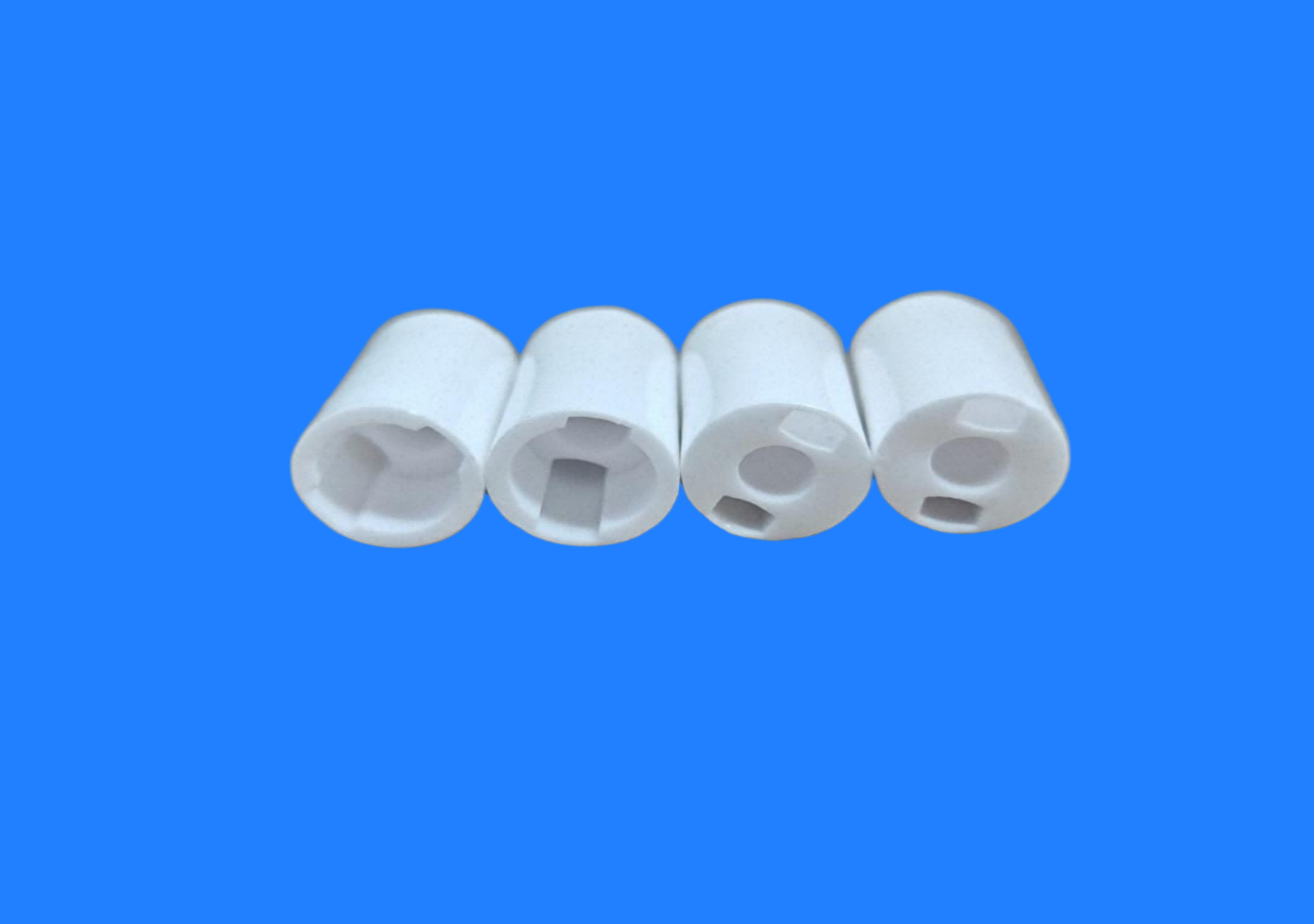
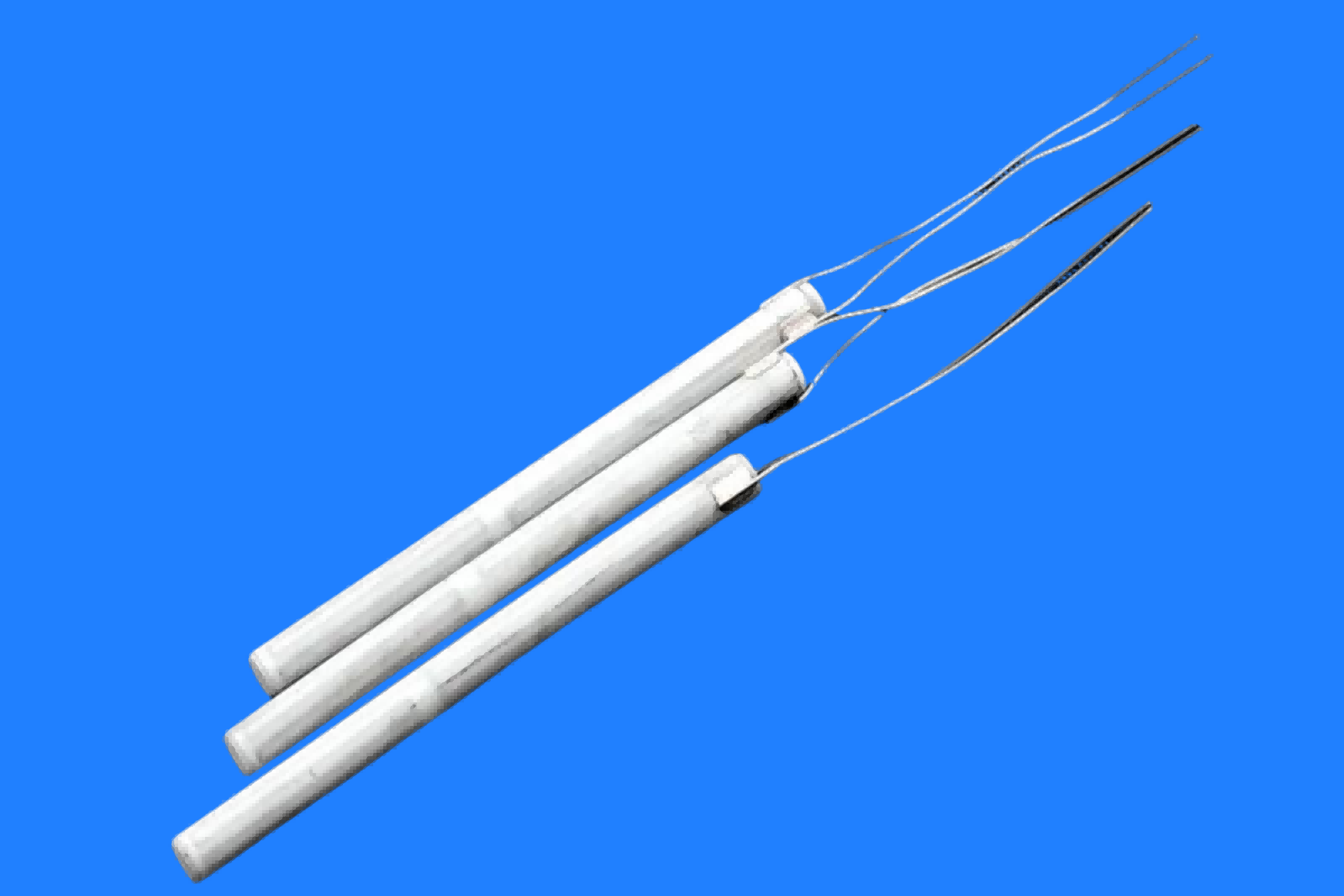
Alumina thermocouple protection tubes are tubular ceramic devices installed over thermocouple temperature-sensing elements. Their primary function is to shield the thermocouple from harsh operating conditions—such as high temperatures, corrosion, and erosion—thereby ensuring the long-term, stable operation of the temperature measurement system. Manufactured from high-purity alumina raw materials using isostatic pressing, high-temperature sintering, and precision machining, our products feature high density and excellent dimensional accuracy. They are widely used in industries such as metallurgy, chemicals, power generation, building materials, ceramics, and glass.
Alumina Thermocouple Protection Tube for Petrochemicals Supplier
Product Description
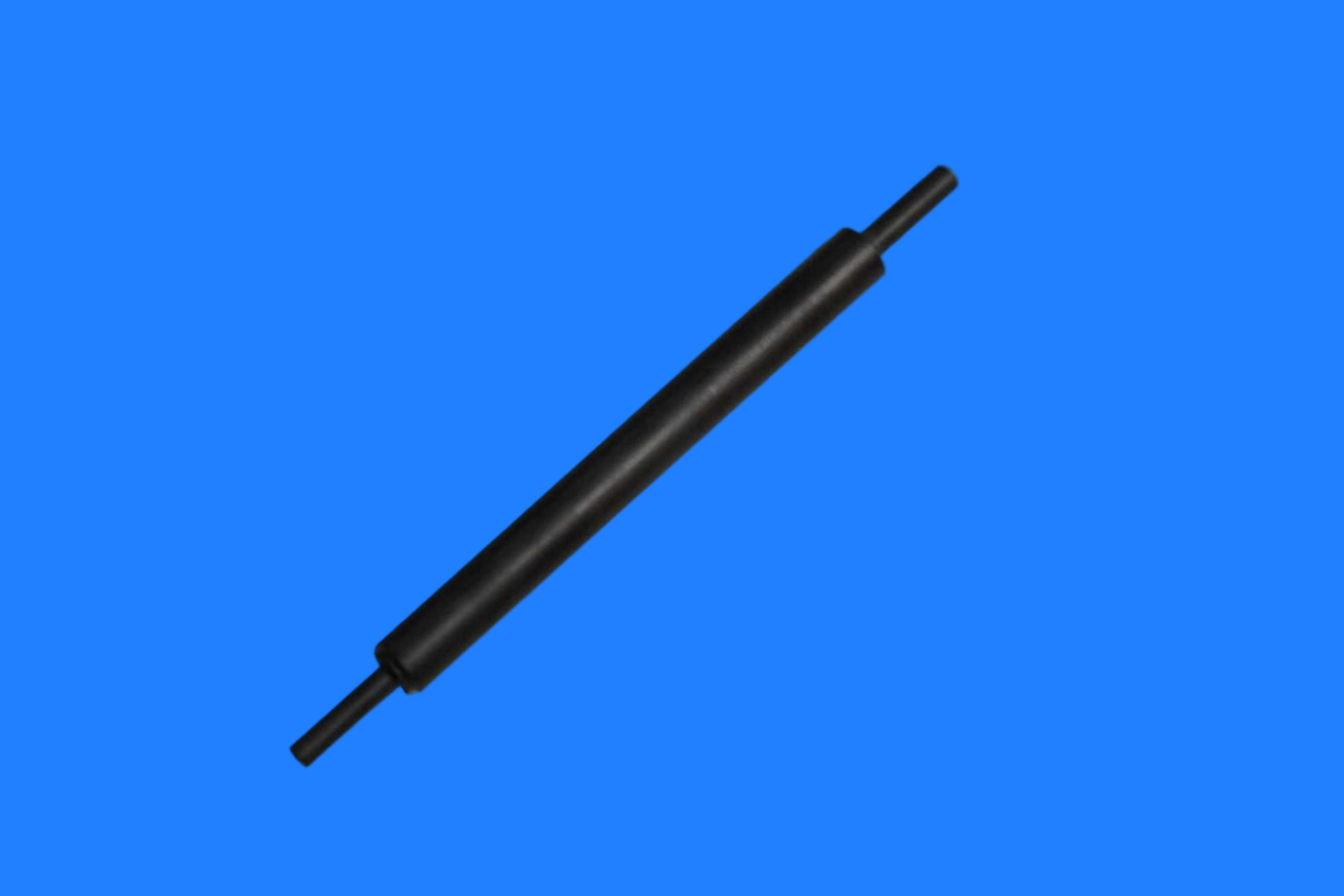
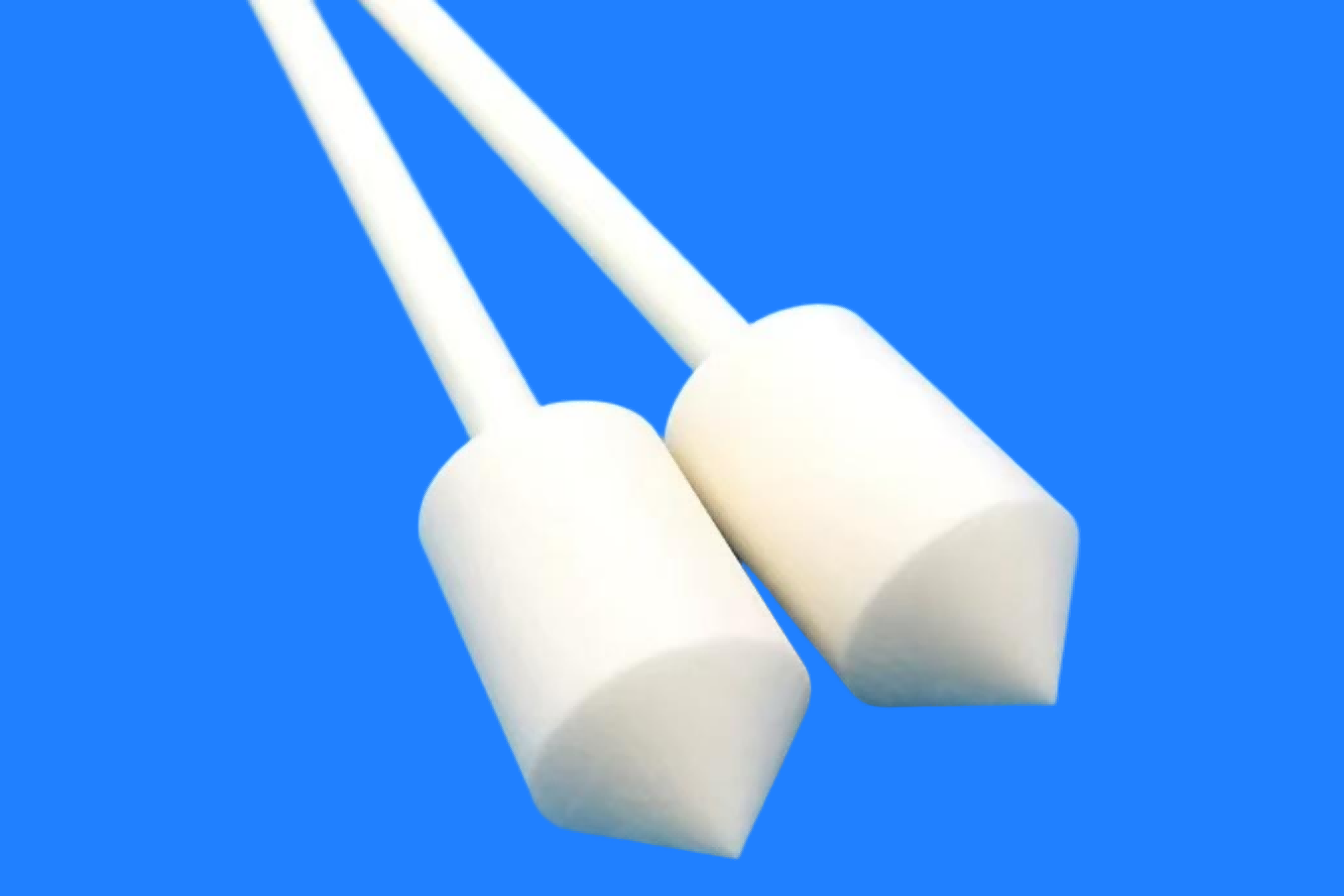
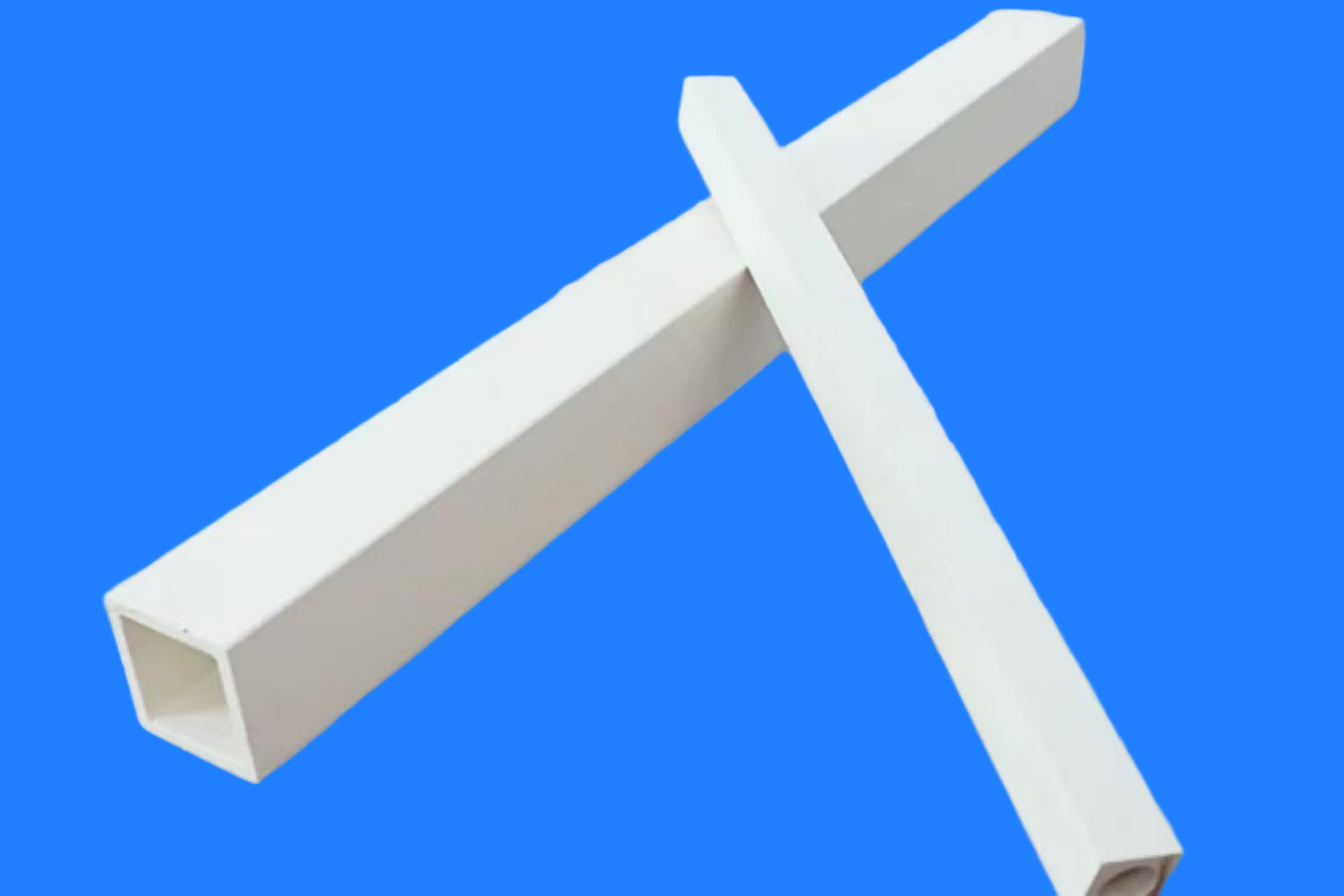
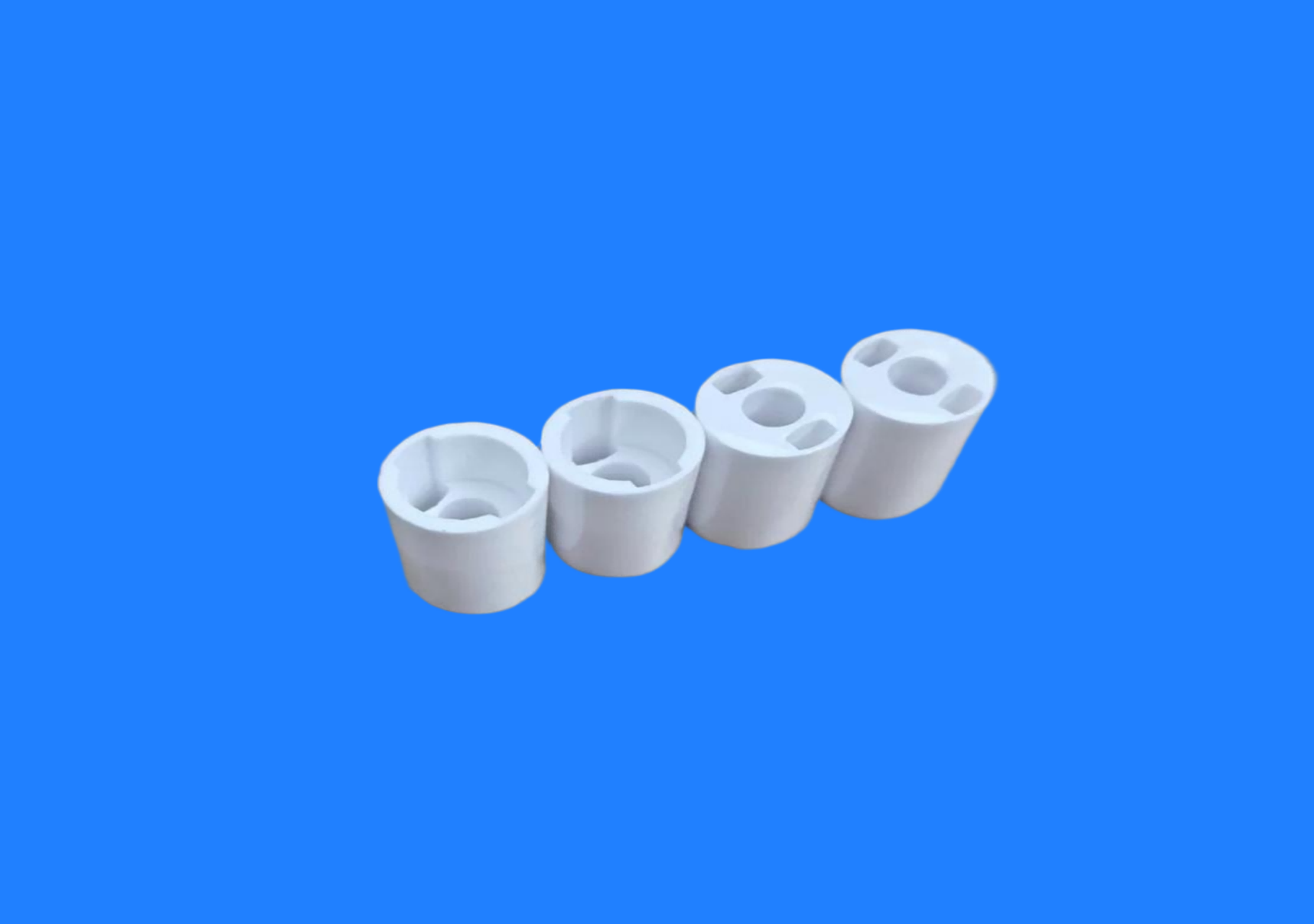
We offer Ceramic Sheath Tube in two material grades: 95% and 99% alumina. These products exhibit outstanding high-temperature resistance, excellent electrical insulation, and superior chemical corrosion resistance, serving as protective housings for thermocouples and RTD temperature sensors. We support customization regarding dimensions, multi-bore configurations, and specialized slotted positioning designs (such as the one shown in the image), making them suitable for high-temperature furnaces, power generation, petrochemical processing, and new energy temperature measurement systems. We specialize in small-batch customization and prototype development, helping instrument manufacturers and MRO service providers in Europe and the Americas solve complex challenges related to high-temperature sensor protection.
Product Specifications
1. Shape: single-hole, dual-hole, multi-hole, or special-profile slotted types (including versions with positioning slots as shown in the image); suitable for both round tubes and special-profile cylinders.
2. Outer Diameter: φ2mm–φ50mm; inner diameter customizable according to drawings.
3. Length: 5mm–600mm; long tubes can be processed in sections.
4. Structure: straight-through holes, positioning slots, end-face slots, stepped cylinders (including the non-standard structure with positioning features shown in your image).
5. Tolerance: ±0.02mm–±0.1mm (per customer drawing specifications).
Product Performance Characteristics
1. Excellent High-temperature Performance
High-purity alumina ceramics have a melting point as high as 2050°C; they do not soften or deform during long-term use at 1600°C and maintain good high-temperature strength. Far superior to metal protection tubes, they are an ideal choice for temperature measurement in high-temperature furnaces and kilns.
2.Excellent Chemical Stability
It is resistant to acids, alkalis, and corrosion by molten metals, and exhibits good chemical inertness in most industrial atmospheres (both oxidizing and reducing). This effectively prevents the thermocouple from being corroded or contaminated by the medium, thereby ensuring temperature measurement accuracy.
3.Excellent Thermal Shock Resistance
Through optimized formulations and sintering processes, the product exhibits high resistance to thermal shock; it withstands frequent heating and cooling cycles, thereby reducing cracking caused by rapid temperature fluctuations.
4.Reliable Insulation Performance
Maintains excellent electrical insulation properties at both ambient and high temperatures; features high resistivity, eliminates thermocouple signal interference, and ensures measurement accuracy.
5.Excellent airtightness and impermeability.
The sintered structure is dense with low porosity, effectively isolating the thermocouple from the medium being measured; it is particularly suitable for operating conditions involving corrosive atmospheres.
6.High dimensional precision and customizability
Manufactured using precision machining, the inner and outer diameter tolerances are controlled within ±0.1 mm; the end faces are flat, ensuring a precise fit during thermocouple assembly. Customization is available for special specifications, non-standard geometries, and components featuring threads or flanges, based on provided drawings.
Typical Application Scenarios
Selection Recommendations
| Operating Condition | Recommended Plan |
| General High-temperature (≤1500°C) | 95 ceramic protection tube – economical and durable |
| Temperatures above 1600°C or High-precision requirements | 99 ceramic protection tube |
| Highly Corrosive Media | 99 alumina + thickened tube wall |
| Frequent Temperature Fluctuations | thermal shock-resistant formulation products |
| Severe Airflow Erosion | thick-wall design or structure with thickened ends |
Quality Control and Service
We operate under the ISO9001 quality management system, implementing comprehensive inspections throughout the entire process—from raw materials and forming to sintering and final dispatch. This includes 100% visual inspection, dimensional spot checks, and individual airtightness testing after high-temperature firing to ensure the absence of cracks or pinholes. Products are supplied with a certificate of conformity and are eligible for third-party testing.
Based on customer-provided drawings, samples, or specific operating conditions, we offer product selection advice, prototyping, and volume supply services. Standard specifications are kept in stock to ensure rapid delivery.
FAQ
1.How long does a tube normally last?
This depends on the specific operating conditions. Under conditions where the temperature does not exceed 1,500°C and the atmosphere is clean, our customers typically see a service life ranging from six months to over a year; however, if temperatures approach or exceed 1,600°C, or if there are frequent heating and cooling cycles, the lifespan may be around three months.
2.What usually causes a pipe to break?
The vast majority of ceramic protection tube failures are caused by thermal shock or installation stress. You may wish to check the following: whether the tube was preheated prior to insertion, whether sufficient clearance for thermal expansion was allowed at the fixed end, and whether it sustained any impact during transport or installation. Please send us photos of the fracture site along with details of the operating conditions (temperature, heating/cooling rates, and furnace atmosphere); we can help you determine the specific cause. We will take responsibility if the issue stems from the material itself, and if it is due to usage practices, we will provide recommendations for improvement to prevent future damage.
3.Can you provide samples for testing? Is there a charge for samples?
Yes,we can.Samples are free, you are responsible for the shipping costs.
4.What is the minimum order quantity?
It is 50–100 units or more.
5.How long does it take to produce a prototype for a custom product?
The lead time for samples depends on the specifications: if we modify the length of an existing blank, we can ship within 3–5 days; however, if the part requires new forming and sintering based on drawings, the process—involving forming, drying, high-temperature sintering, and finishing—typically takes 20–30 days. If you are working under a tight schedule, we suggest sending a sample with similar standard specifications first so you can verify the assembly dimensions, while simultaneously arranging the sample for the new specification; this ensures your validation progress is not delayed.
6.What is the prototyping fee, and is it refundable upon placing a bulk order?
We provide free samples for standard specifications; you only need to cover the shipping costs. For custom specifications based on drawings, a sampling fee applies—determined by the specific product—as these require a dedicated production and sintering run; however, this fee can be fully offset against the cost of the bulk order once confirmed.



 IPv6 network supported
Leave A Message
Scan to Wechat :

Scan to WhatsApp :