Leave A Message
If you are interested in our products and want to know more details,please leave a message here,we will reply you as soon as we can.


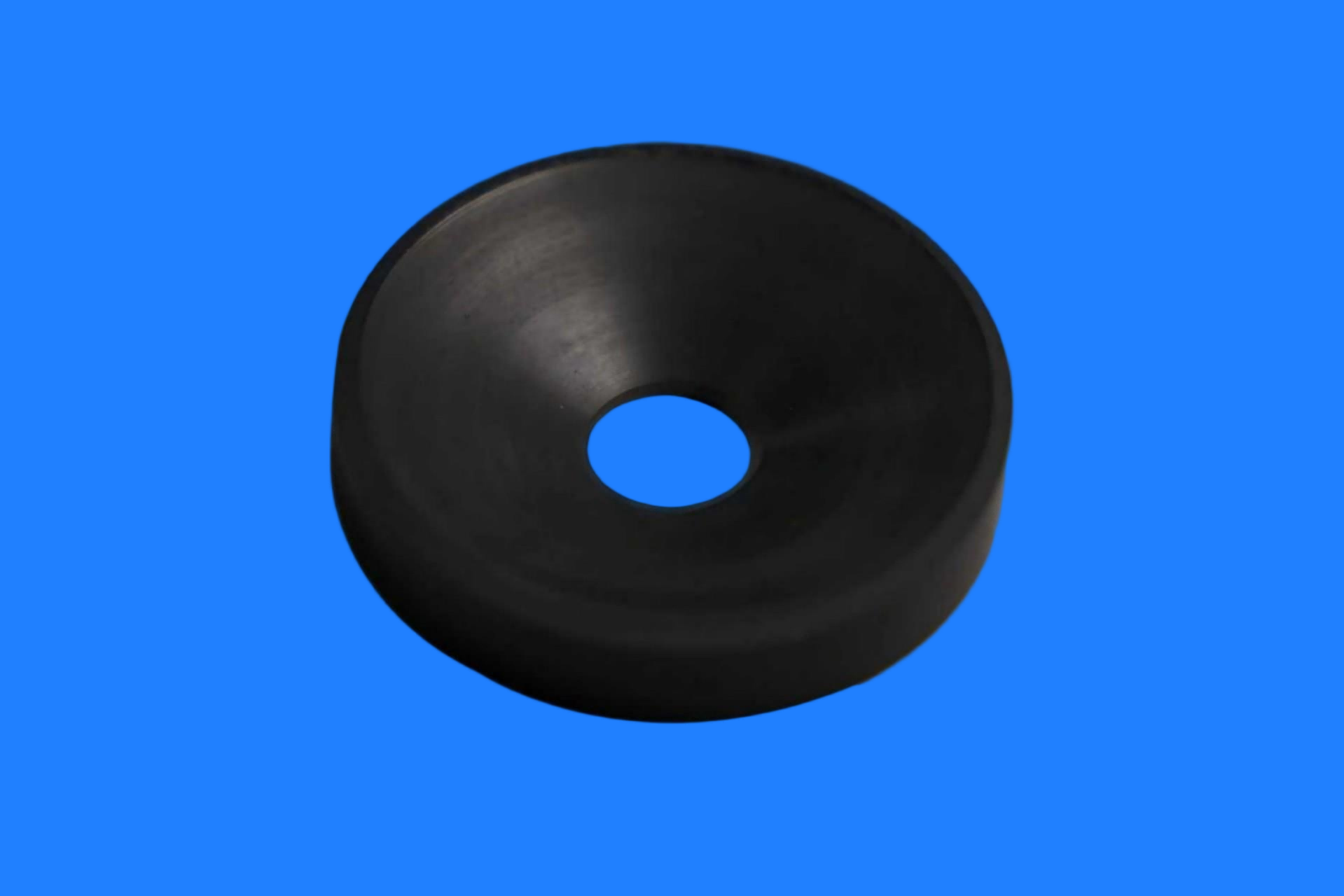
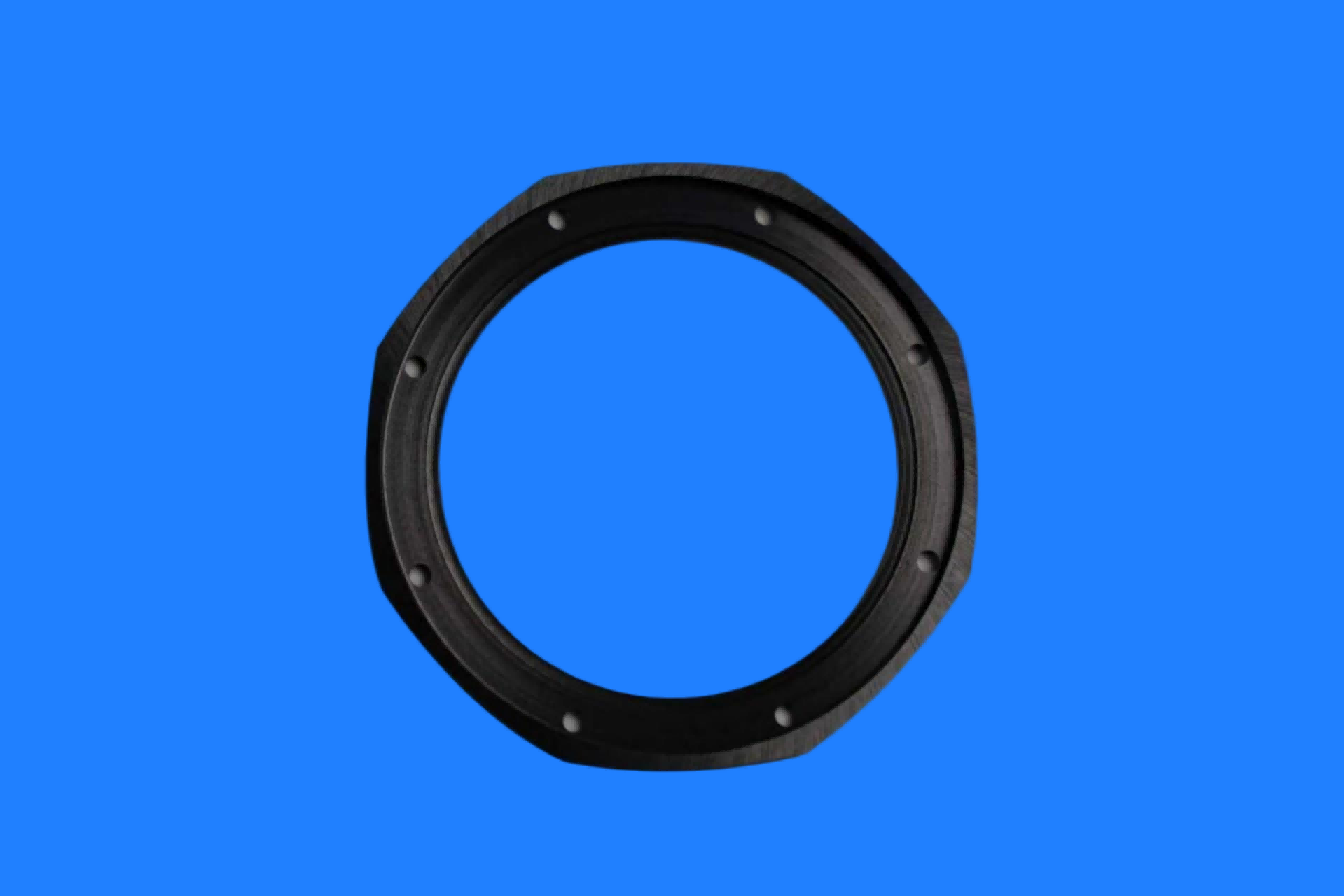
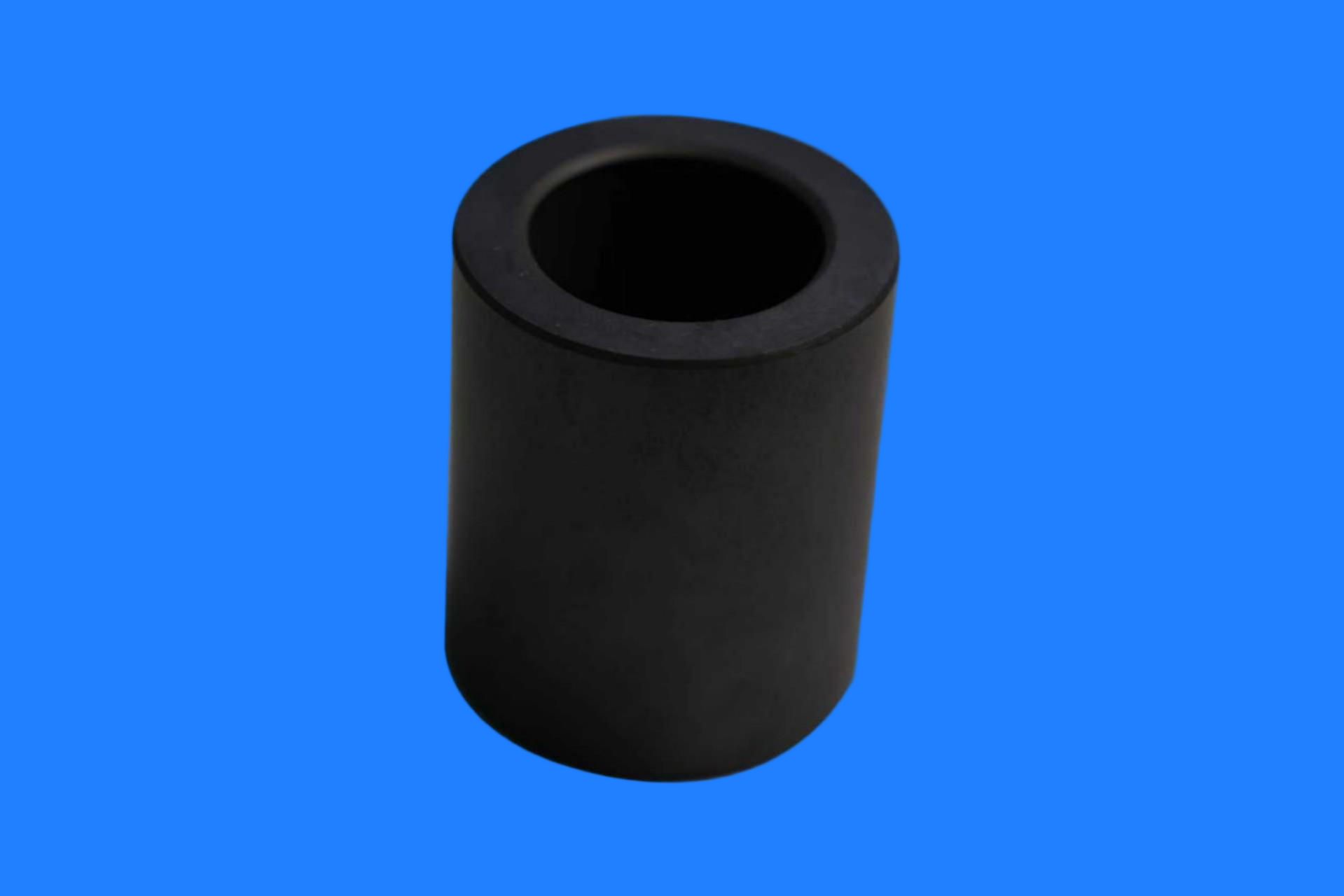
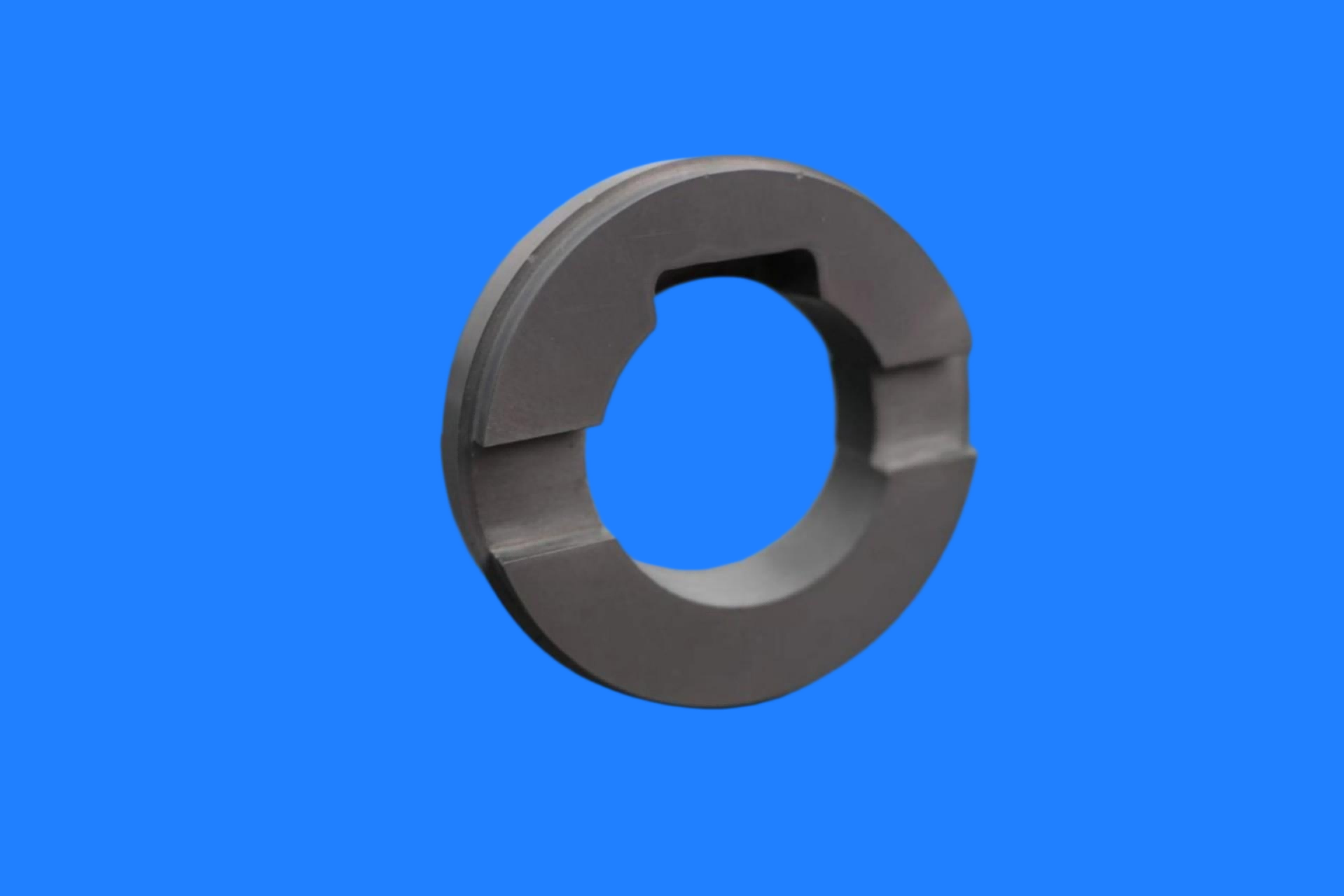
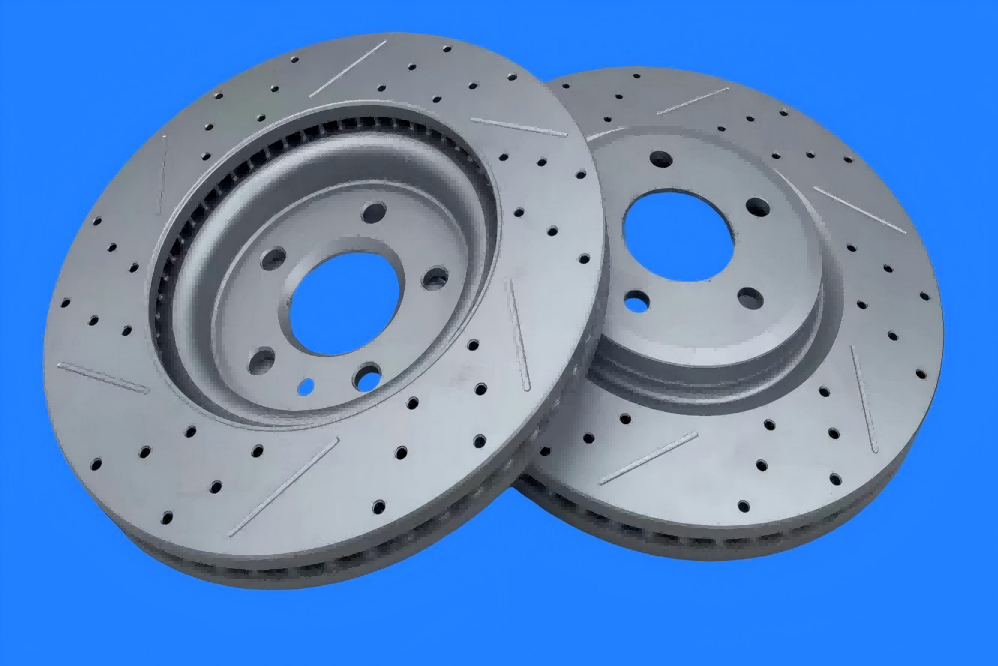
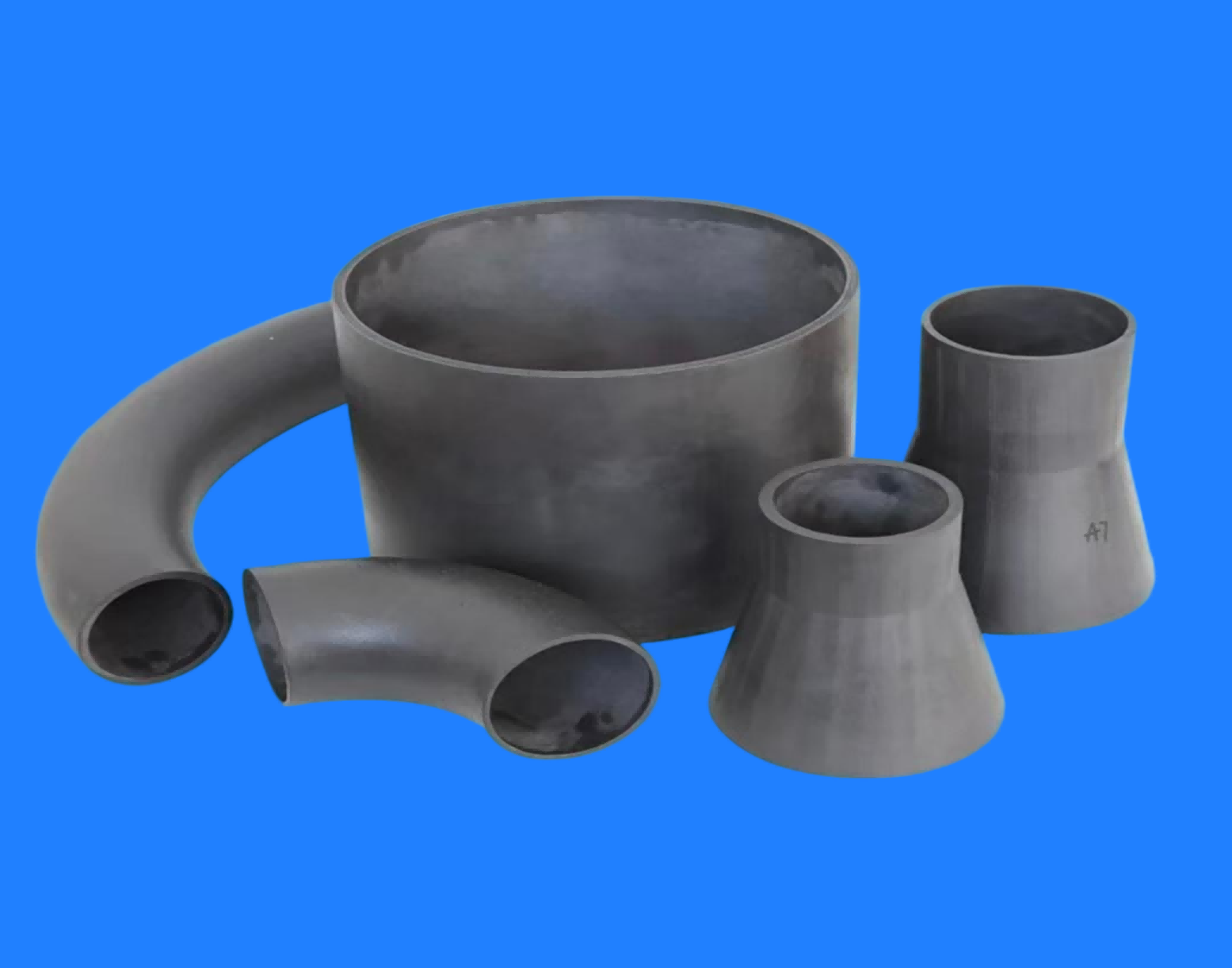
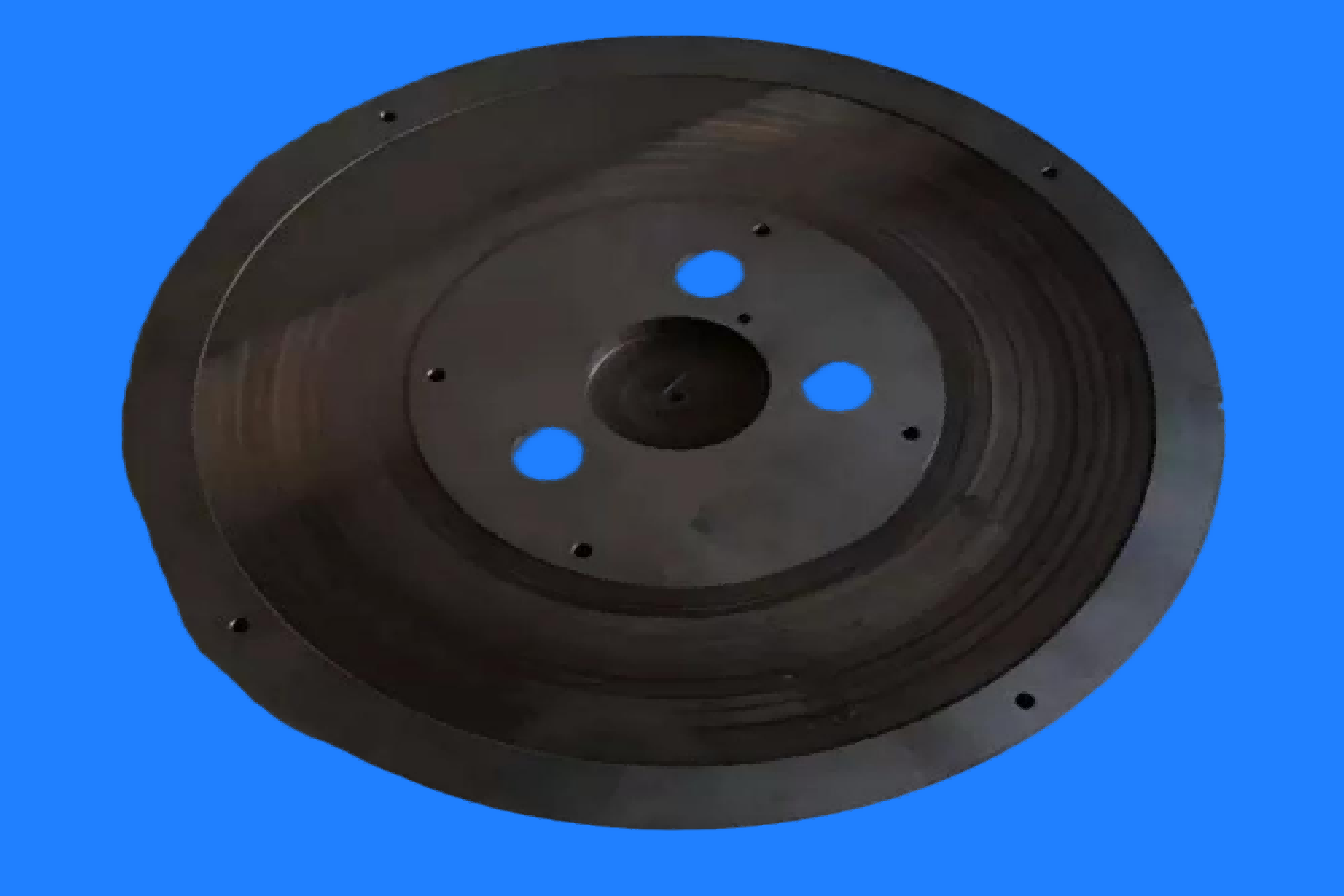
High Purity Silicon Carbide Disc Ring possess a comprehensive set of excellent properties, including ultra-high hardness, resistance to extreme high temperatures, strong corrosion resistance, high thermal conductivity, low expansion, and self-lubrication. They are key precision components designed to withstand harsh industrial environments such as high temperature, high pressure, strong wear, and strong corrosion.
High Temperature Resistant SiC Disc Ring
Product Description
Ultralight Silicon Carbide Ring Disc is ring-shaped ceramic products made from high-purity silicon carbide (SiC) powder through precision molding and high-temperature sintering processes. As a high-performance advanced ceramic component, it possesses characteristics such as ultra-high hardness, excellent high-temperature resistance, strong corrosion resistance, and a low coefficient of friction, and is widely used in high-tech fields such as mechanical seals, aerospace, and semiconductor manufacturing. Depending on the manufacturing process, they can be classified into various types, including reaction-sintered silicon carbide rings, pressureless sintered silicon carbide rings, and chemical vapor deposition (CVD) silicon carbide rings, to meet the performance requirements under different operating conditions.
Manufacturing Processes
1. Reaction Sintering
Reaction sintering is one of the mainstream processes for preparing silicon carbide ceramic rings. This process involves premixing an appropriate amount of carbon-containing material into silicon carbide powder. At high temperatures, the carbon reacts with silicon to form a dense silicon carbide ceramic structure. Its advantages include relatively low sintering temperature, short sintering time, and the ability to achieve near-net-shape molding, reducing subsequent processing. It is particularly suitable for mass production of precision components such as mechanical seal rings.
2. Chemical Vapor Deposition (CVD)
For applications requiring ultra-high purity, CVD technology exhibits unique advantages. This process deposits a silicon carbide layer on a precision-machined high-purity graphite substrate through a gaseous chemical reaction. The substrate employs a grooved ring structure, and a rotating device ensures uniform deposition. The deposition temperature is controlled between 1050-1600℃. The desired thickness is obtained by controlling the precursor flow rate and reaction time. Finally, the substrate is peeled off to obtain a uniform, high-purity silicon carbide ring. This method is particularly suitable for manufacturing core components for semiconductor plasma etching equipment.
3. Other Molding Processes
(1)Isostatic Pressing: Utilizing a liquid medium to transmit pressure, silicon carbide powder is uniformly compressed in all directions to form a high-density ring-shaped preform, which is then sintered. Suitable for manufacturing high-performance, large-size ceramic rings.
(2)Dry Pressing: Suitable for products with relatively simple shapes and large batch sizes. A mature process with lower costs.
(3)Conductive Silicon Carbide Ring Preparation: Conductive additives are uniformly mixed into the raw material, and isostatic pressing or injection molding techniques are used to form a ring-shaped preform to meet specific electrical performance requirements.
Performance Characteristics
1. Superior Mechanical Properties
(1)Ultra-high Hardness: mohs hardness can reach to 9.2-9.6 and vickers hardness up to 2100 HV1, second only to diamond, giving it excellent wear resistance and scratch resistance.
(2)High Strength: compressive strength up to 2600-2900 MPa, flexural strength approximately 550 MPa, capable of withstanding heavy loads and high-pressure environments.
(3)High Elastic Modulus: Young's modulus is 380-430 GPa, minimal deformation under stress, ensuring dimensional stability.
2. Excellent Thermal Properties
(1)Extreme high temperature resistance: can operate stably in environments above 1800℃, it is suitable for high-temperature sensors, petrochemicals, aerospace, and other high-temperature applications.
(2)High thermal conductivity: thermal conductivity range from 100 to 270 W/mK, excellent heat dissipation performance, making it an ideal heat dissipation material for electronic devices and high-temperature components. Low coefficient of thermal expansion: approximately 4.0 × 10⁻⁶/°C, high dimensional stability under temperature changes. Excellent thermal shock resistance: can withstand rapid temperature differences of 400-1100K, maintaining stable performance in environments with rapid temperature changes.
3. Outstanding chemical stability. strong corrosion resistance: excellent resistance to corrosive media such as acids, alkalis, and salts; reacts almost no with other inorganic acids except hydrofluoric acid. High-temperature oxidation resistance: forms a dense SiO₂ protective film on the surface in oxidizing atmospheres, preventing further internal oxidation. Chemical inertness: remains chemically inert at any temperature, suitable for extreme corrosive environments.
4.Unique tribological troperties
(1)Low Coefficient of Friction: coefficient of friction is 0.15-0.25 under dry conditions and can be reduced to 0.05-0.10 under lubrication conditions, significantly reducing energy consumption and wear.
(2)Self-Lubricating Properties: reaction-bonded silicon carbide sealing rings have excellent wear resistance and self-lubricating properties, making them suitable for oil-free or low-oil lubrication conditions.
(3)Excellent Airtightness: when used as a mechanical seal ring, it can achieve an extremely low leakage rate, ensuring system safety and reliability.
Applications
| Application industries | Application scenarios |
| 1. Mechanical Seal Field | Silicon carbide ceramic rings are an excellent material for manufacturing the dynamic and stationary rings of mechanical seals. Utilizing their high hardness, low coefficient of friction, excellent chemical corrosion resistance, and wear resistance, they achieve excellent airtightness and long service life in harsh environments such as pumps, compressors, and chemical equipment. Especially with reaction sintering processes, near-net-shape molding can be achieved, reducing manufacturing costs while maintaining sealing performance. |
| 2.Semiconductor manufacturing | In plasma etching equipment, CVD silicon carbide rings are core components. Through special structural design (such as edge chamfering and internal hollowing) and dual spin deposition process, the radial temperature uniformity of the substrate surface is ensured, resulting in silicon carbide rings with uniform texture and high purity, which meets the stringent requirements of semiconductor processes for material purity and precision. |
| 3.Aerospace | It is used for the precision machining of aerospace components, especially critical components requiring high performance and reliability. Its lightweight, high rigidity, and thermal shock resistance make it an ideal choice for structural components in extreme environments. |
| 4.High-temperature industrial equipment |
1.Heat Treatment and Smelting: Serving as structural supports or protective sleeves in high-temperature environments, it withstands repeated thermal shocks exceeding 1000℃ without cracking. 2.Fluid Processing: As an industrial sealing ring, it possesses high corrosion resistance, erosion resistance, and wear resistance, as well as excellent thermal conductivity. 3.Kiln Furniture Manufacturing: Utilizing its high-temperature resistance, high thermal conductivity, and low expansion properties, it is used to manufacture refractory pads, beams, and other kiln furniture components for high-temperature applications. |
| 5. National Defense and Military Industry | Silicon carbide is considered as one of the most promising high-performance bulletproof armor materials and can be used in the manufacture of bulletproof vests and armor. With a Mohs hardness of 9.2-9.6, it possesses high hardness and a high elastic modulus, providing excellent ballistic protection. |
| 6.Other applications |
1.Bearings and Wear Components: The extremely high hardness and density of sintered silicon carbide make it ideal for parts subjected to heavy wear and sliding wear. 2.Optical Field: Its light weight, high specific stiffness, and low coefficient of thermal expansion meet the comprehensive performance requirements of space mirrors. |

FAQ
Q1: What products does your company offer?
We specialize in high-performance ceramics such as alumina and silicon nitride, providing insulators, structural components, wear-resistant parts, and customized solutions.
Q2: Can you customize non-standard parts?
Yes. We support processing based on provided drawings and collaborative technical development, offering a full-process service from design to mass production.
Q3: What about accuracy and delivery time?
Standard tolerance ±0.05mm, precision grade ±0.01mm; samples 7-15 days, bulk orders 20-30 days.
Q4: Main application areas?
Power, electronics, machinery, chemical, and aerospace industries.
Q5: Quality assurance measures?
Full-process quality inspection, providing material reports and performance test data, supporting third-party certification and testing.
Q6: Do you provide technical support?
We provide professional support such as material selection consultation, design optimization, and failure analysis.
Why choose us?
1.Customized R&D, rather than standard product adaptation
2.Deep control of materials science:Material Selection Based on Needs,Microstructure Optimization,Batch Consistency
3.Precision machining capability:Flatness can reach 0.001mm, parallelism 0.002mm, and roughness Ra 0.1μm.
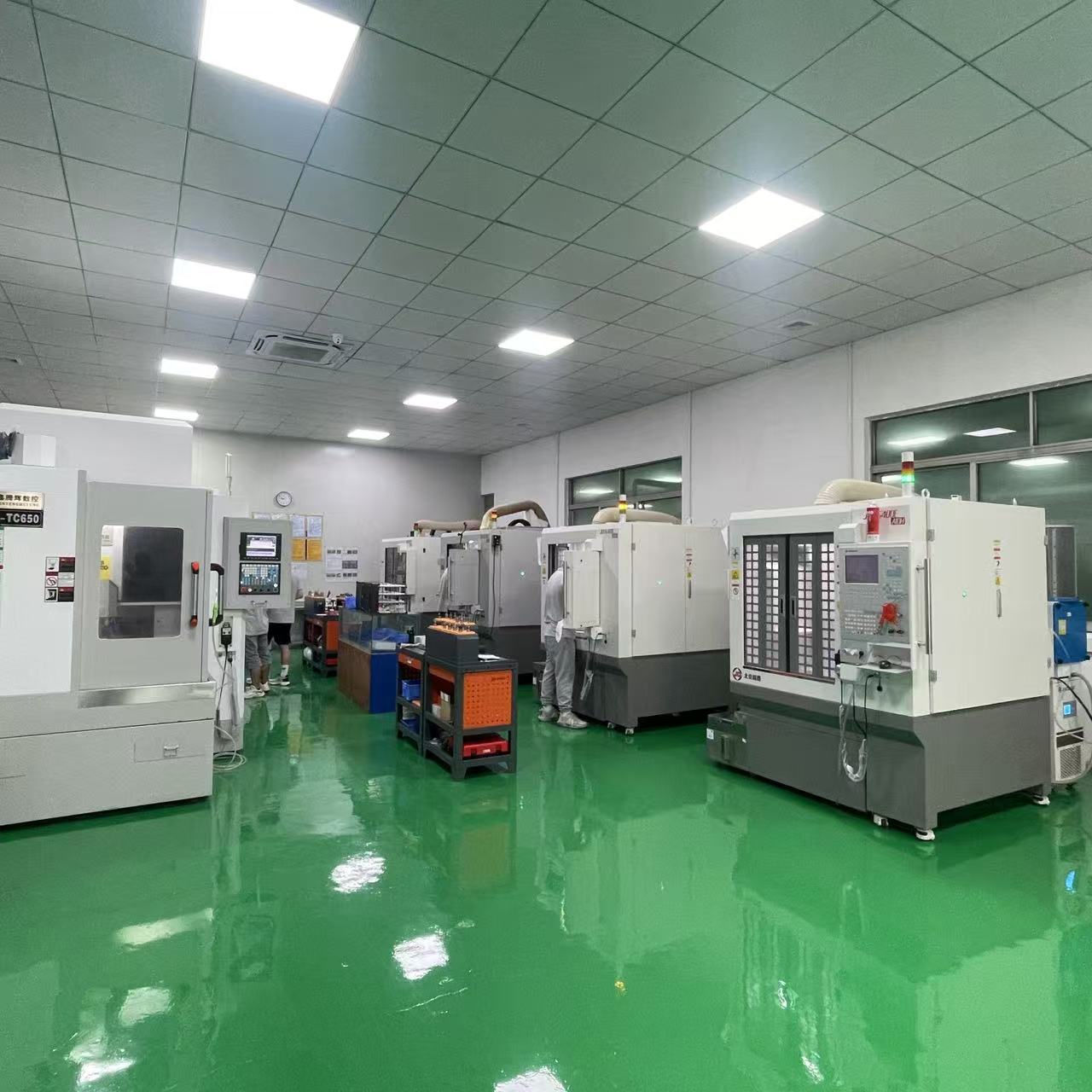
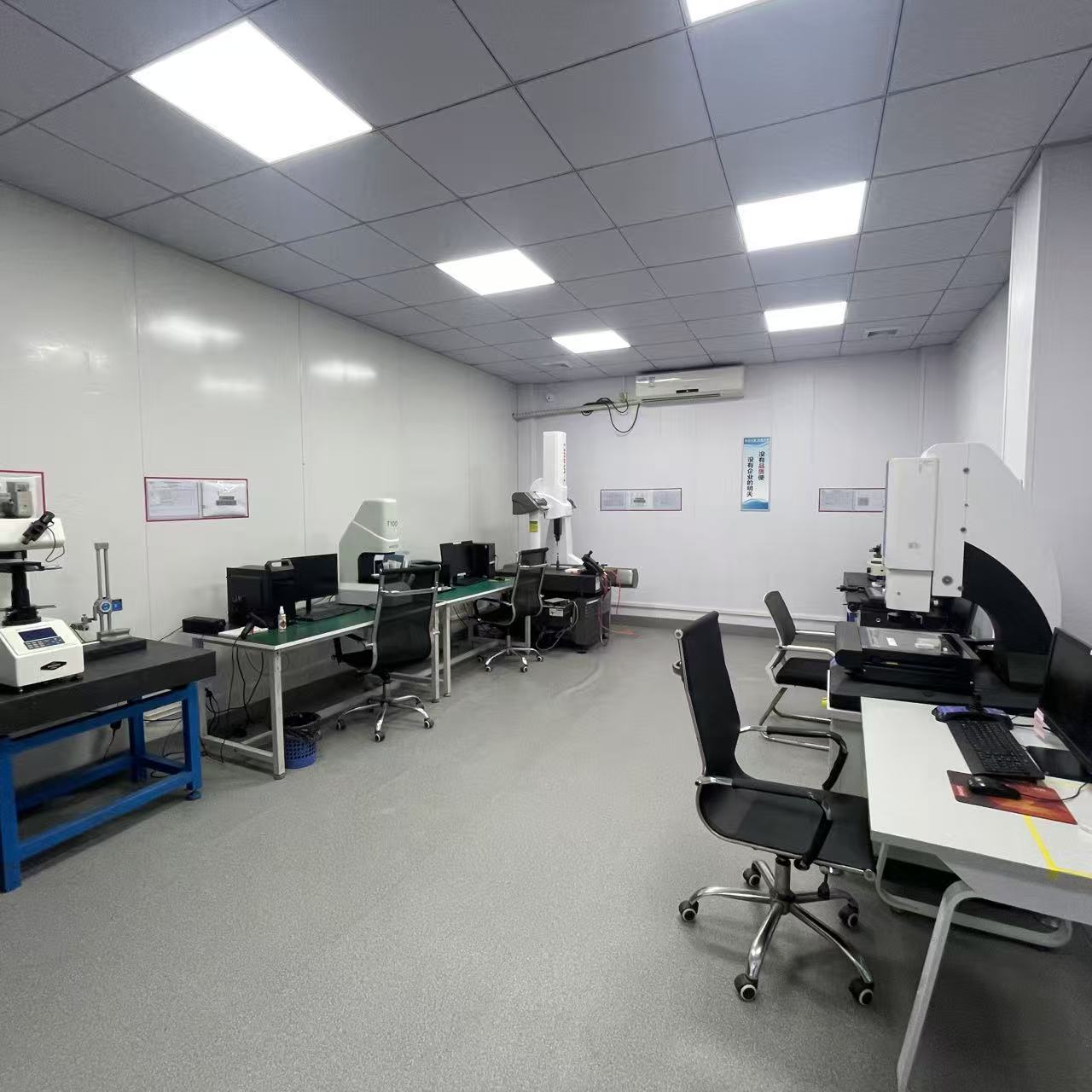
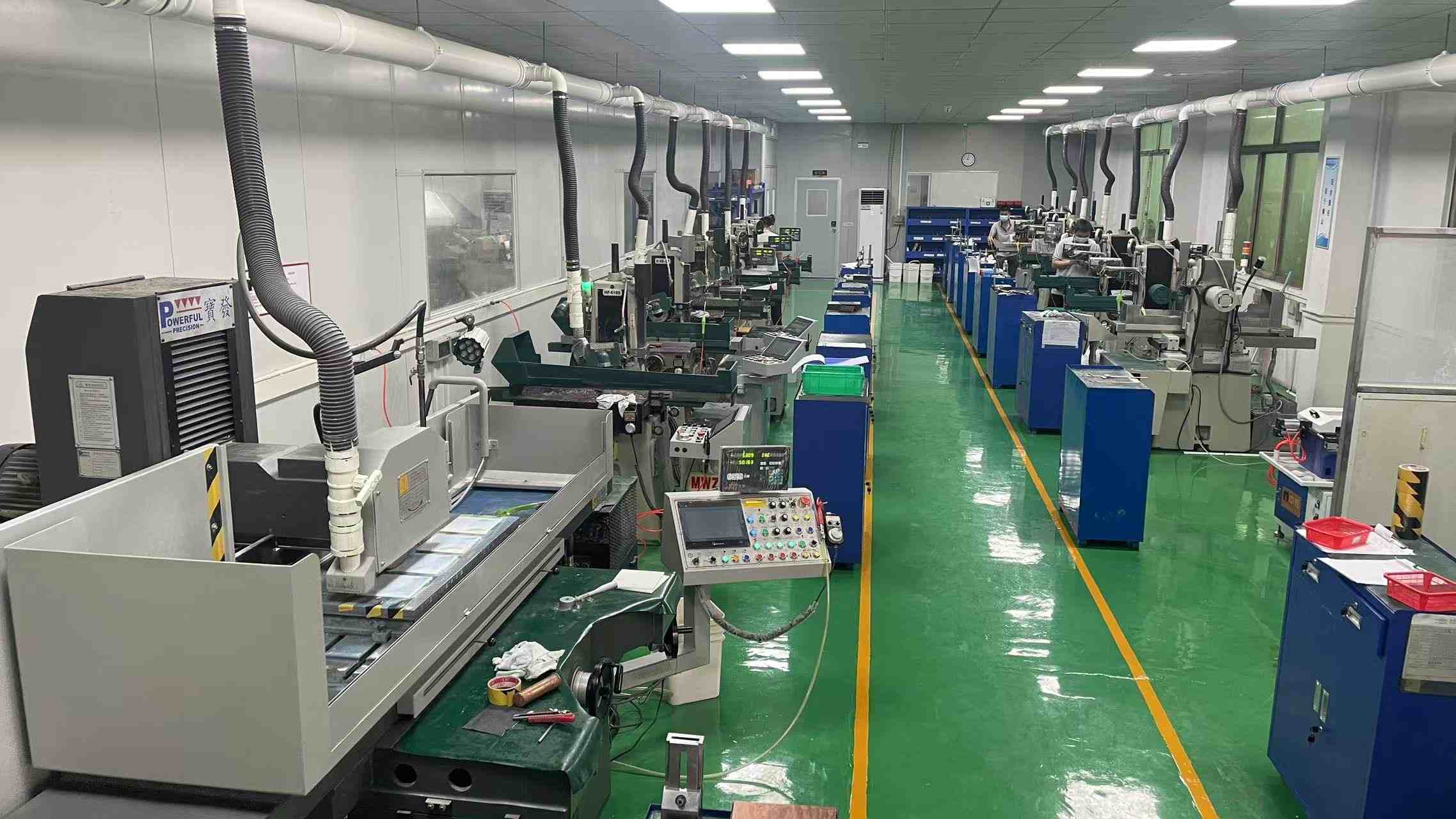
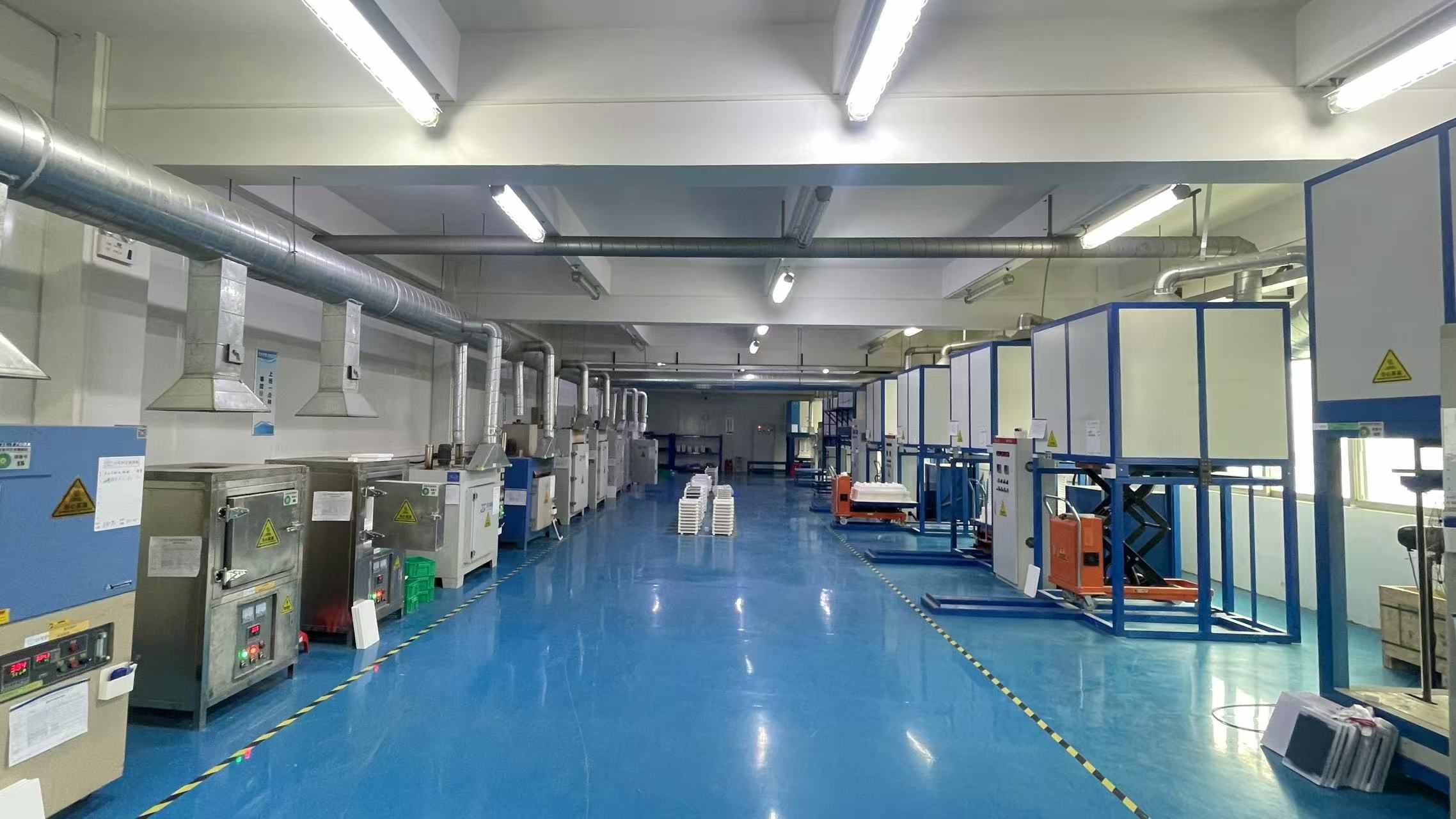
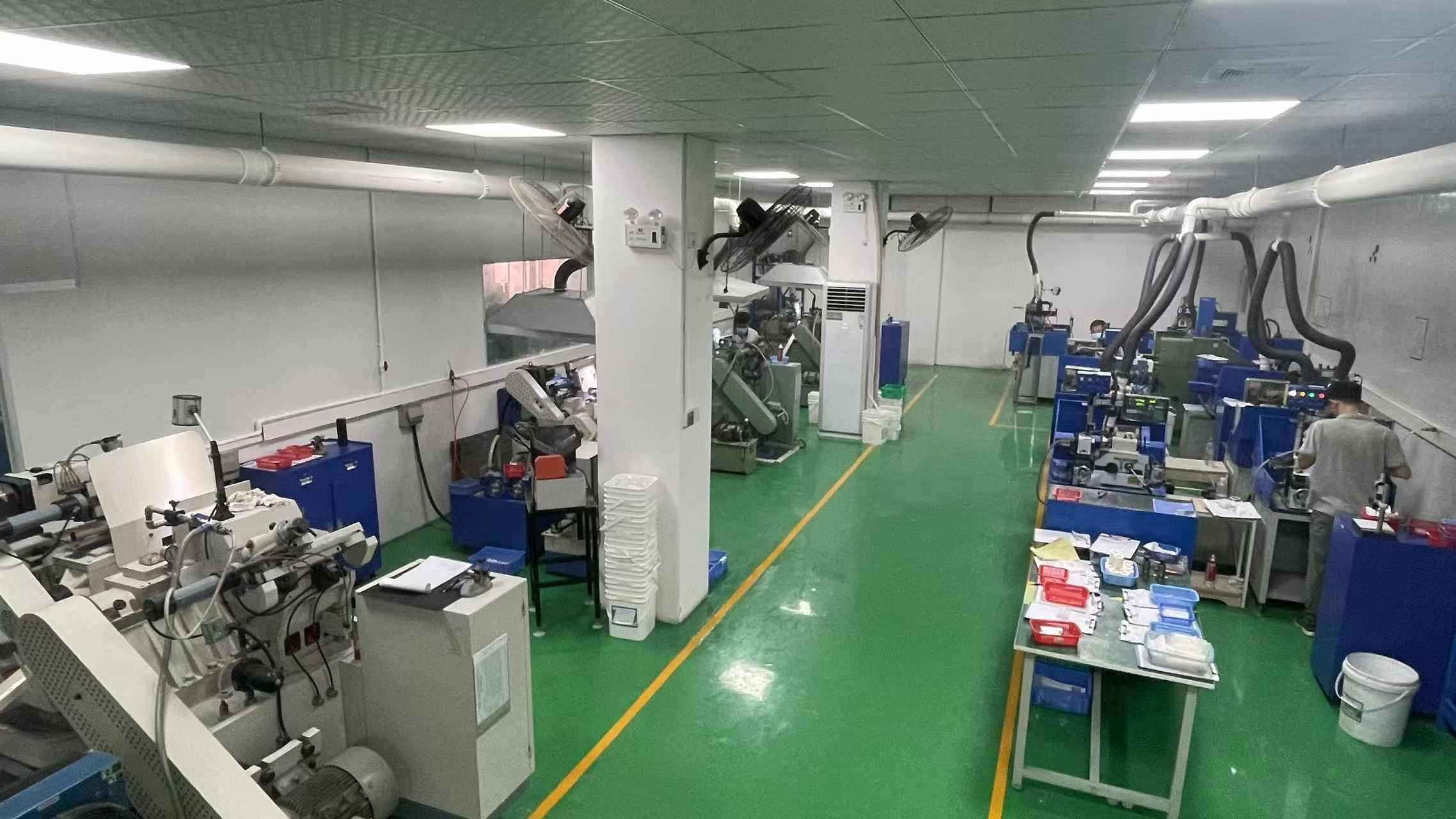
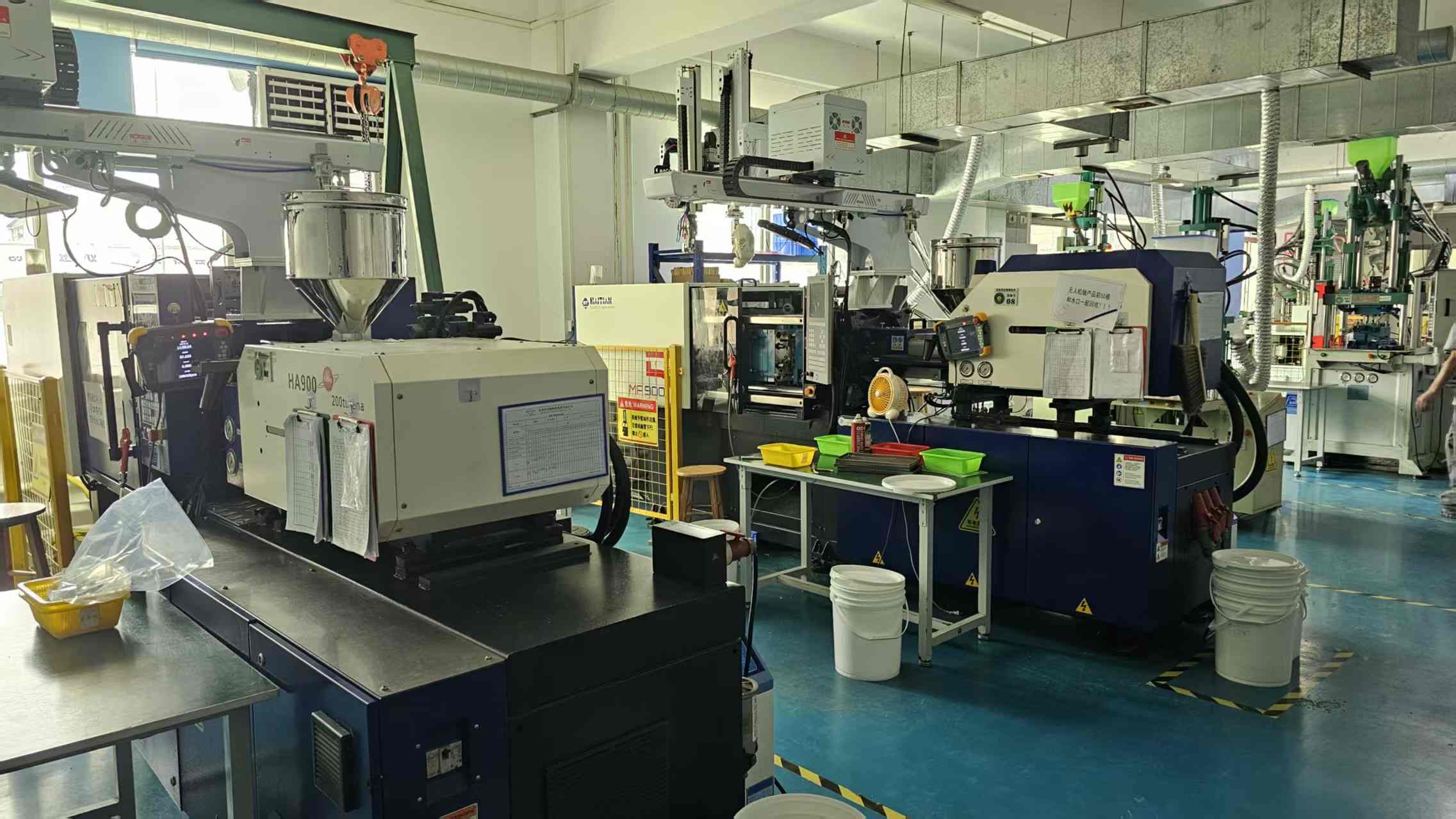
Our workshop
|
CNC Workshop |
Testing Room |
|
Surface grinding Workshop |
Sintering Workshop |
|
Circular Grinding Workshop |
|



 IPv6 network supported
Leave A Message
Scan to Wechat :

Scan to WhatsApp :