Leave A Message
If you are interested in our products and want to know more details,please leave a message here,we will reply you as soon as we can.


High-Purity Alumina Insulation Bricks for Industrial Furnaces up to 1800°C
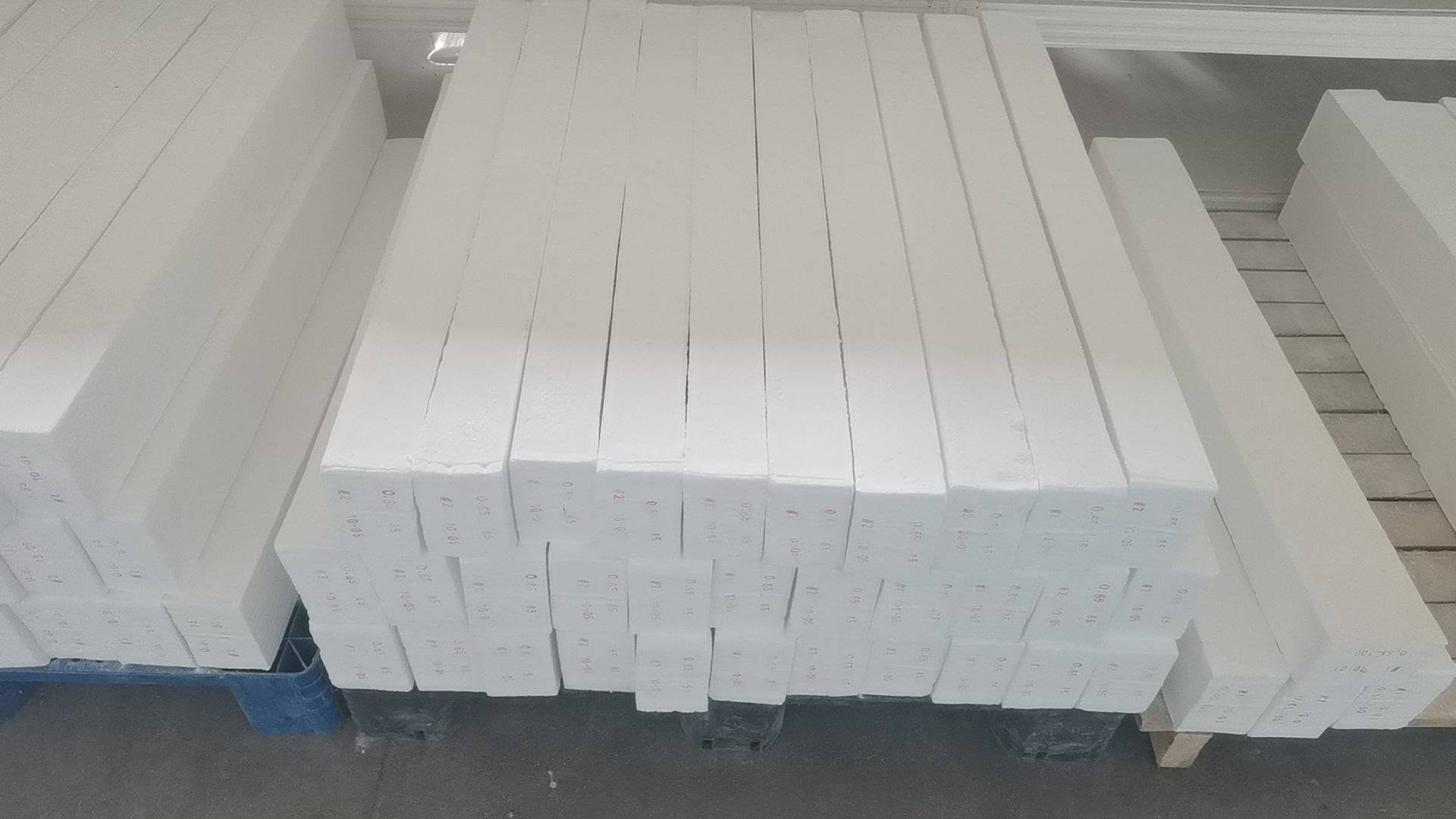
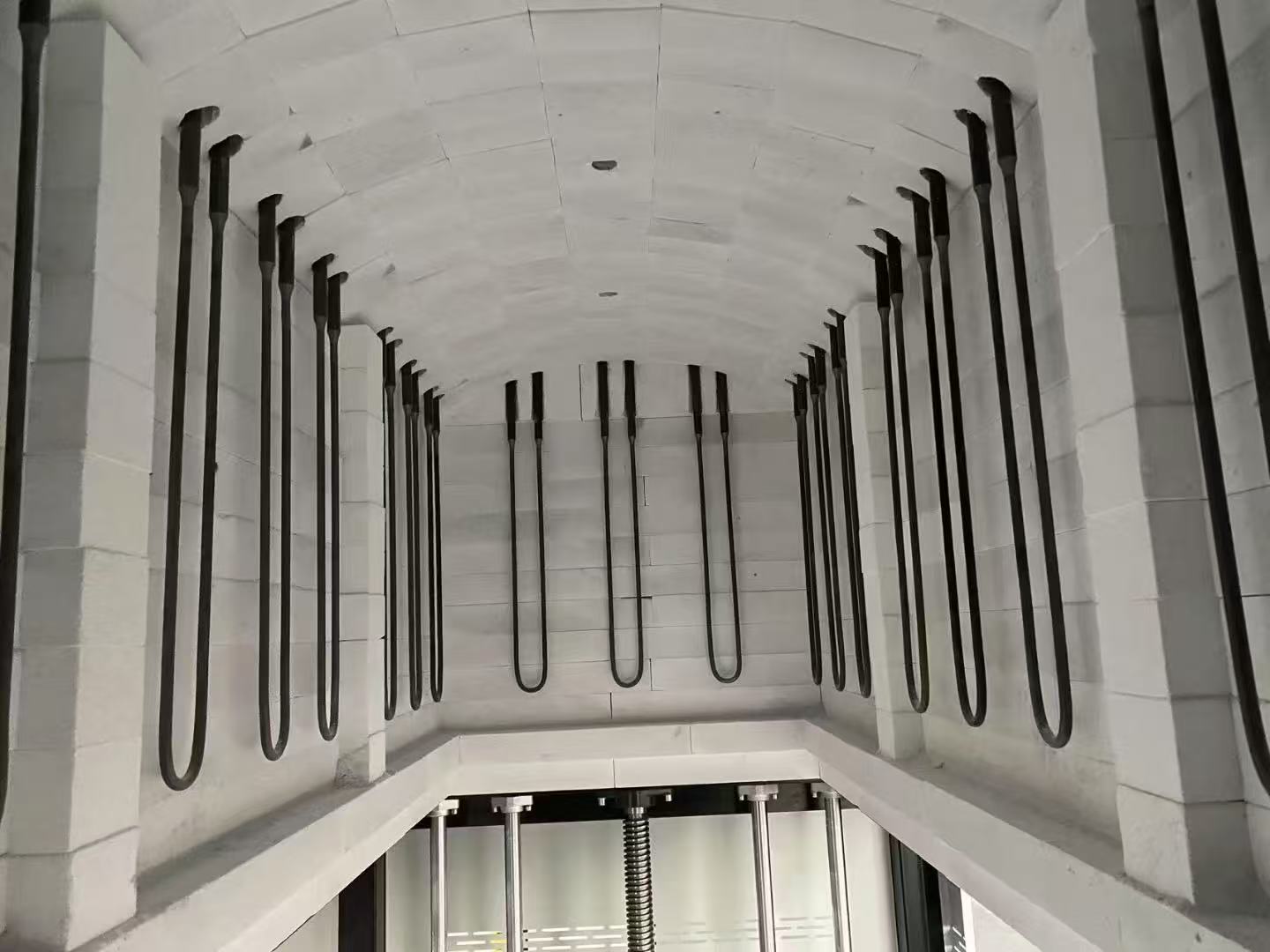
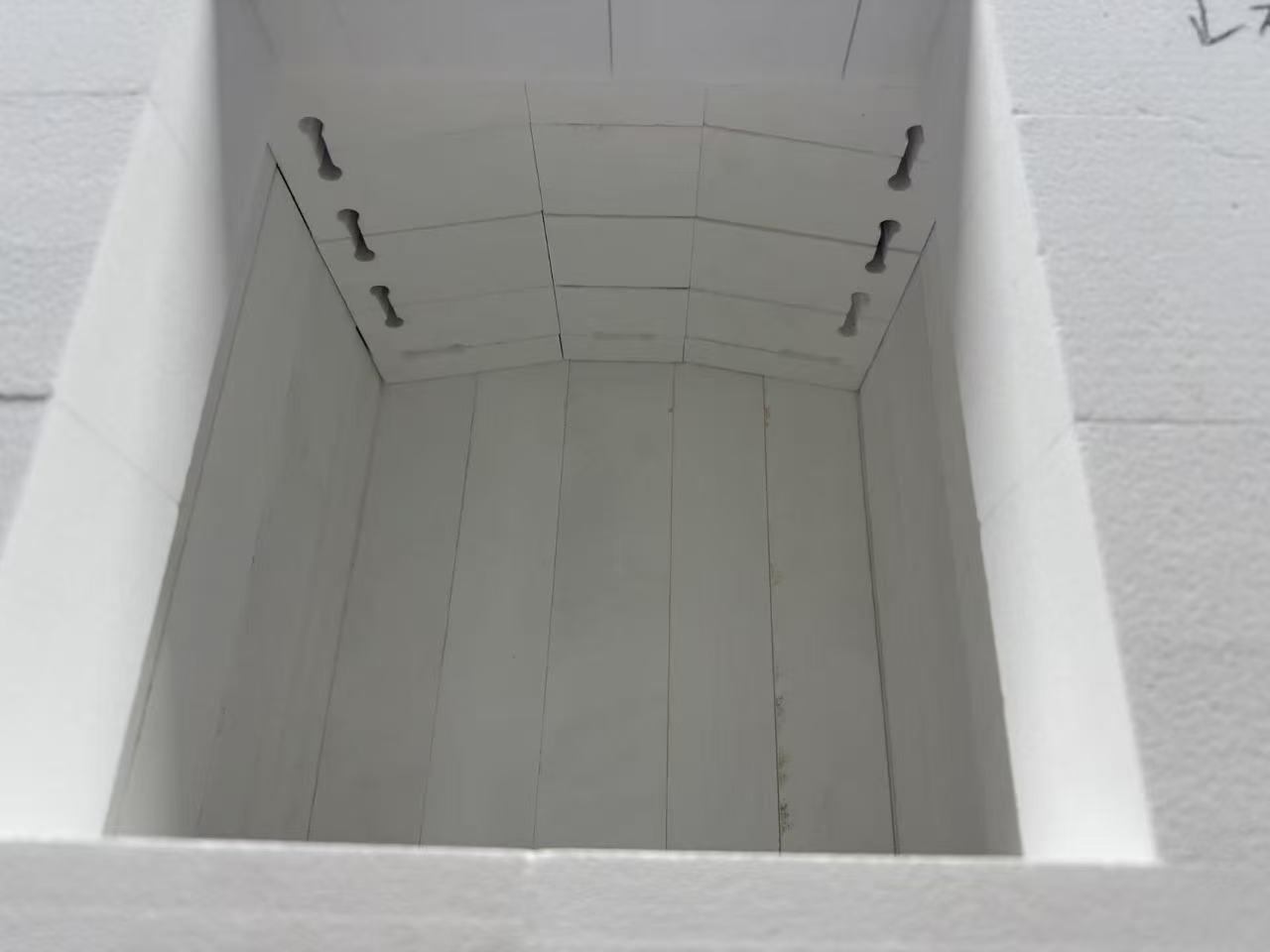
Our High-purity Alumina Insulating Bricks are high-performance, lightweight, refractory insulating materials manufactured from high-purity alumina (Al₂O₃ content ≥99%). They are produced by combining lightweight aggregates with a high-purity matrix and subjecting the mixture to high-temperature sintering. These bricks feature low thermal conductivity, high refractoriness, exceptional purity, and excellent dimensional stability. They are widely used in high-temperature equipment—such as petrochemical cracking furnaces, ceramic kilns, single-crystal growth furnaces (including those for sapphire), and semiconductor heat-treatment systems—where high standards of cleanliness and temperature uniformity are essential.
Product Description
Our Ceramic Alumina Insulating Bricks are specifically designed for use in furnaces equipped with molybdenum disilicide (MoSi₂) heating elements, including bottom-loading (elevator) furnaces, bell-type furnaces, and high-temperature box-type muffle furnaces capable of reaching temperatures up to 1800°C. These bricks can reduce heat loss through the furnace shell by 15%–25% and decrease the load on the lifting mechanism; during continuous operation, they maintain the external furnace shell temperature at or below 60°C. Our 99% high-purity grade strictly limits iron oxide (Fe₂O₃) content to less than 0.2%. Chemically inert in oxidizing, inert (nitrogen/argon), and weakly reducing atmospheres, these bricks are ideal for the sintering of sensitive materials—such as lithium-ion battery cathode materials, electronic ceramics, ferrites, and precision structural components—where contamination by impurities must be strictly avoided.
Product Features
Main Technical Parameters
| Item | Index |
| Al₂O₃ Content | ≥ 99 % |
| Fe₂O₃ Content | ≤ 0.1 % |
| SiO₂ Content | ≤ 0.2 % |
| Bulk Density | 0.5 / 0.8 / 1.0 g/cm³ (multiple specifications available) |
| Compressive Strength at Room Temperature | 2–10 MPa (varies with density) |
| Linear Change Upon Reheating (1600°C × 3h) | ≤ ±0.2 % |
| Refractoriness | ≥ 1800 ℃ |
| Operating Temperature | 1800 ℃ |
| Thermal Conductivity (1000°C) | 0.35–0.9 W/(m·K) |
| Apparent Porosity | 60–75 % |
Typical Application Scenarios
1.Petrochemical and chemical industry: thermal insulation linings for ethylene cracking furnaces and reforming furnaces
2.Ceramics industry: insulation layers for kilns used to fire high-end or specialty ceramics
3.Crystal growth: thermal insulation (surrounding quartz crucibles) for sapphire and silicon single-crystal growth furnaces
4.Semiconductors and photovoltaics: Insulation layers for diffusion, sintering, and annealing furnaces
5.Powder metallurgy and advanced materials: High-temperature sintering furnaces and hot-pressing furnaces
6.Laboratory equipment: linings for high-temperature muffle furnaces and tube furnaces
Product Specifications and Customization Services
Client Case Studies
High-purity alumina insulating bricks: helping a semiconductor equipment manufacturer overcome thermal insulation challenges in clean furnace chambers, achieving a 35% overall reduction in energy consumption.
1.Client Background
Industry: semiconductor Heat Treatment Equipment Manufacturing
Client Type: a leading domestic manufacturer of specialized semiconductor equipment, primarily producing wafer diffusion furnaces, annealing furnaces, and oxidation furnaces.
Application Scenario: high-temperature annealing furnace for 12-inch wafer production lines (maximum operating temperature: 1200°C; cleanliness requirement: ISO Class 3).
2.Challenges Faced by the Client
Before partnering with us, the client utilized imported lightweight mullite bricks for the insulation layer of their annealing furnaces. After one year of operation in mass-produced units, the following issues emerged:
Contamination of the furnace chamber due to impurity outgassing: the lightweight mullite bricks contained impurities such as SiO₂ and Fe₂O₃, which volatilized in trace amounts during prolonged high-temperature operation. This resulted in particulate contamination on the wafer surfaces, negatively impacting production yields.
Excessive furnace shell temperature: the external surface temperature of the furnace exceeded 85°C—surpassing safety standards for the equipment—and placed an excessive cooling load on the workshop’s air conditioning system.
High energy consumption: the full-load power consumption of each unit exceeded specifications by approximately 15%, hindering the client’s efforts to obtain energy efficiency certification for their equipment.
Long lead times: the imported bricks required a lead time of up to 12 weeks and were subject to high minimum order quantities (MOQs), which severely disrupted the client’s production scheduling.
3.Solution
Our technical team, in collaboration with the client’s R&D department, has developed a domestic-sourcing alternative for the annealing furnace—high-purity alumina insulating bricks (Al₂O₃ ≥ 99%)—designed to meet specific requirements for thermal structure and cleanliness standards.
Key Design Points
| Item | Plan Details |
| Material | 3N-grade high-purity aluminum oxide, Fe₂O₃ ≤ 0.08%, SiO₂ ≤ 0.15% |
| Density Specifications | combination of 0.8 g/cm³ standard bricks and curved special-shaped bricks |
| Structural Design | a dual-layer lining scheme—incorporating high-density 99% alumina working-layer bricks—designed to align with the existing steel structure of the furnace. |
| Dimensional Accuracy | dimensional tolerance ±0.3 mm, joint width ≤1 mm; reduces thermal bridges and heat leakage. |
| Verification Process | submission of samples for testing → Trial installation of individual units → Third-party testing for cleanliness and energy efficiency → Batch implementation |
4.Application Results
After 18 months of widespread implementation, the client reported the following results:
✅ Furnace shell surface temperature: reduced from over 85°C to 52°C, fully complying with equipment safety standards.
✅ Full-load energy consumption: decreased by approximately 15%; combined with reduced thermal loss, the overall energy savings for the furnace reached 35%.
✅ Wafer particle contamination: particle defects caused by high-temperature outgassing from the refractory bricks dropped by 98%, meeting the cleanliness audit requirements of the client’s wafer fabrication facility.
✅ Furnace temperature uniformity: within ±2°C (improved from the original ±3.5°C), providing a wider process window.
✅ Lead time: shortened from 12 weeks to 2 weeks, significantly easing inventory pressure.
✅ Cost: total material and procurement costs reduced by 40%, leading to a notable increase in the gross profit margin per unit.
"It took less than a year to go from initial trial installation to full-scale adoption. The furnace shell is no longer hot to the touch, energy consumption meets the standards, and the wafer fab has validated our cleanliness data—these bricks have solved a problem that had been holding us back for two years." — R&D Director from the client company



 IPv6 network supported
Leave A Message
Scan to Wechat :

Scan to WhatsApp :